What Is MOQ?
MOQ, or Minimum Order Quantity, is the smallest number of units a manufacturer is willing to produce in a single production run. In textile manufacturing, MOQs exist because setting up production lines — dyeing, cutting, sewing — involves fixed costs that only become economical at certain volumes.
Why Manufacturers Set MOQs
Textile production involves considerable setup work. Dye lots require minimum vat capacities — typically 50 to 100 kg per color. Cutting tables are optimized for specific meterage. Sewing lines are configured for production runs of hundreds or thousands of units. When a manufacturer quotes an MOQ of 500 sets, they are telling you the minimum volume at which their production economics work.
Typical MOQs by Product
Bed Sheets and Pillowcases
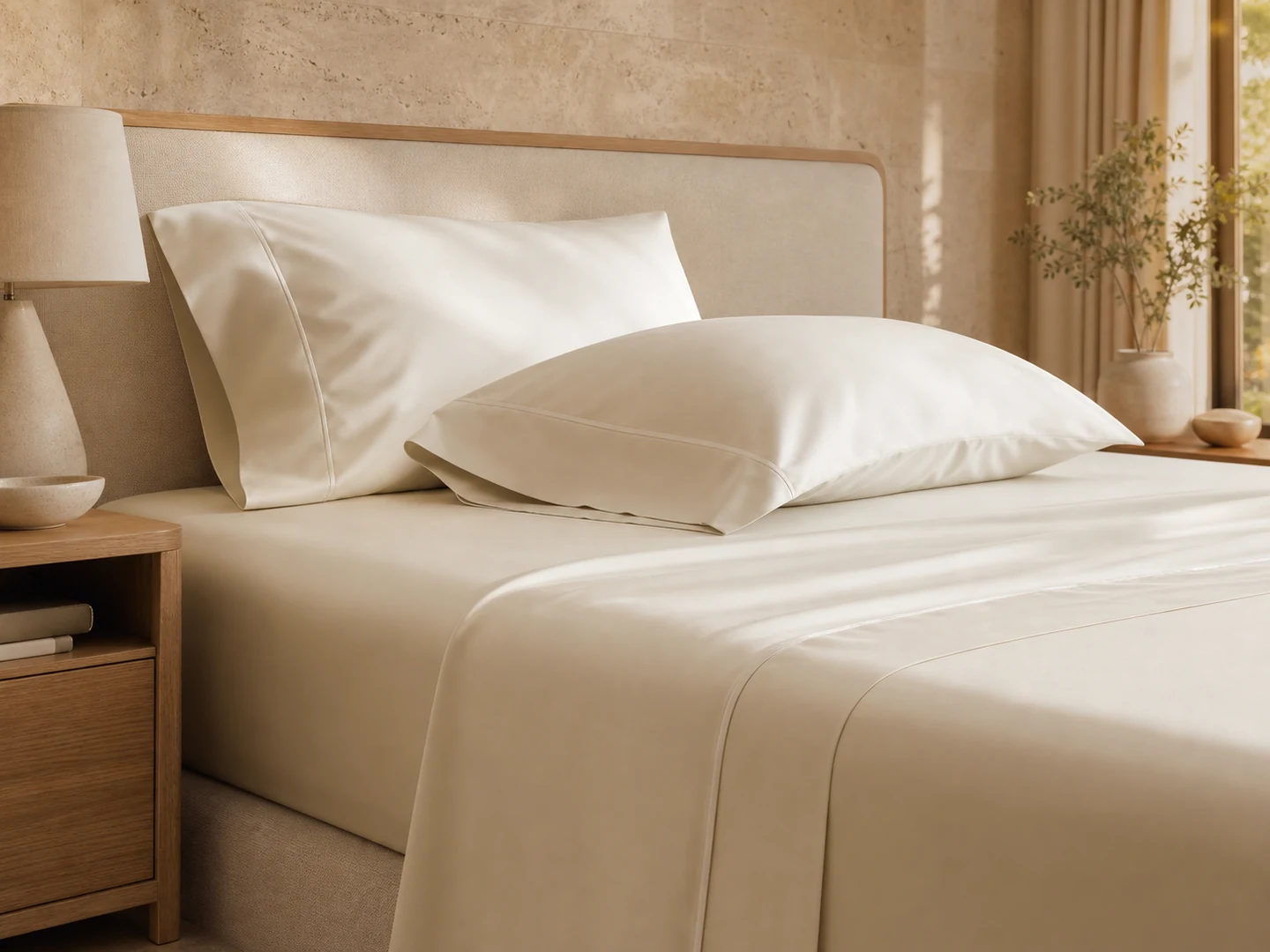
Standard MOQs range from 200 to 500 sets per size per color. Custom sizes or colors may push this higher. White products typically have lower MOQs because manufacturers can combine orders from multiple clients into shared dye lots.
Towels
Towel MOQs tend to be higher — 500 to 1,000 pieces per size per color — due to the specialized weaving and finishing processes involved. Bath sheets with embroidery or jacquard patterns may require 1,000 plus units.
Duvets and Pillows
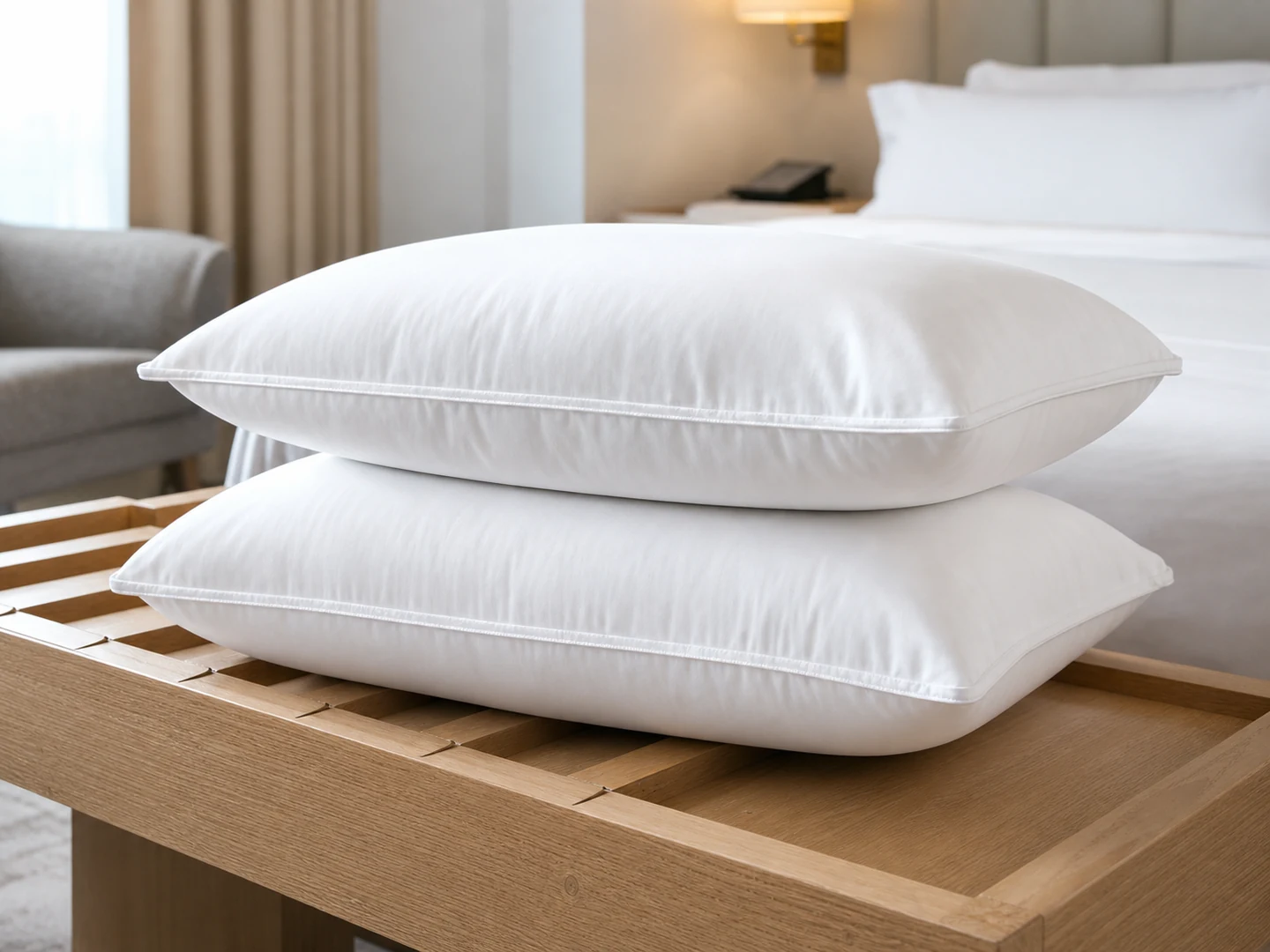
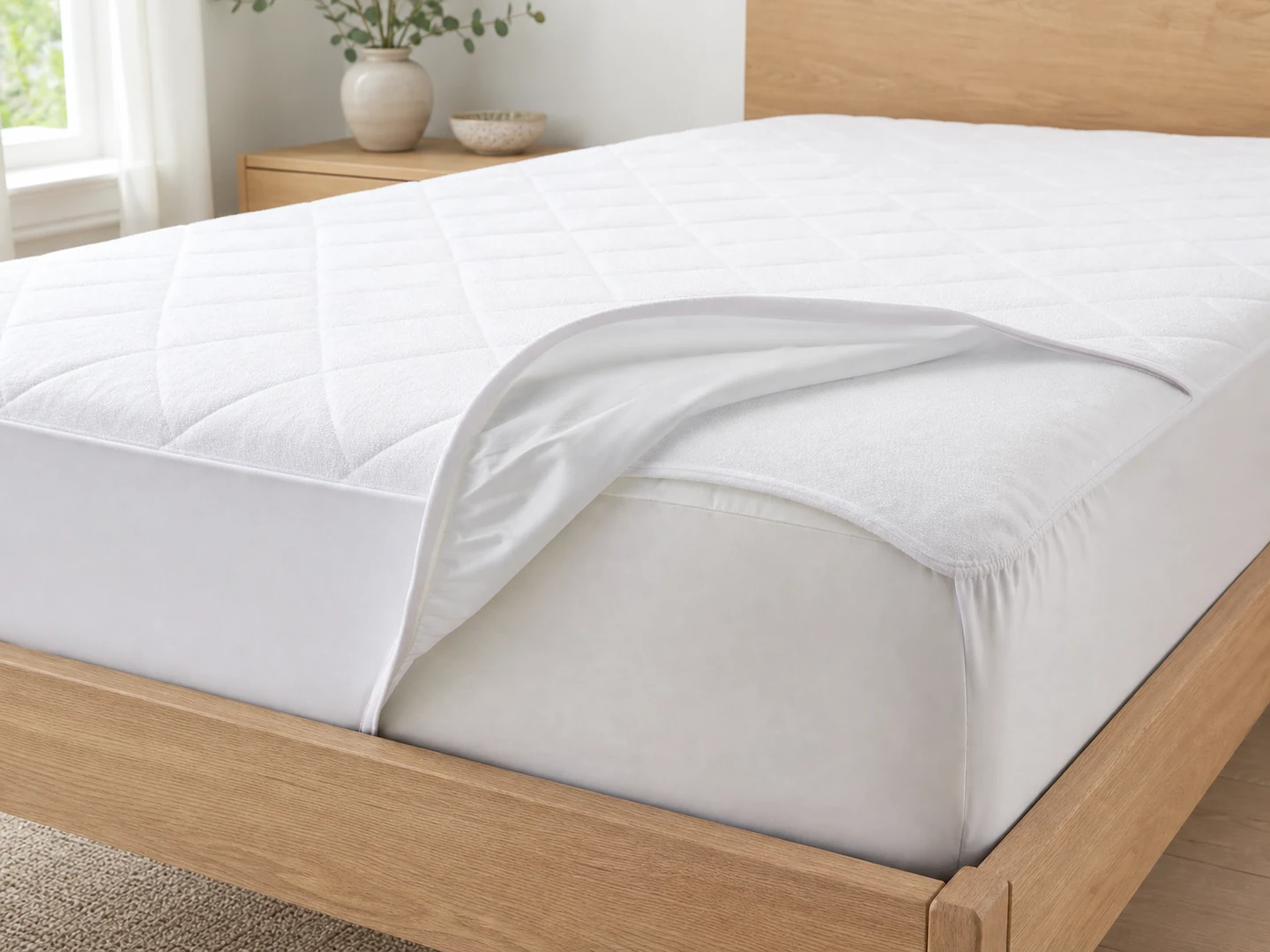
Filled products have moderate MOQs, typically 300 to 500 units per specification. The filling process and compression packaging require dedicated production runs.
Negotiating MOQs
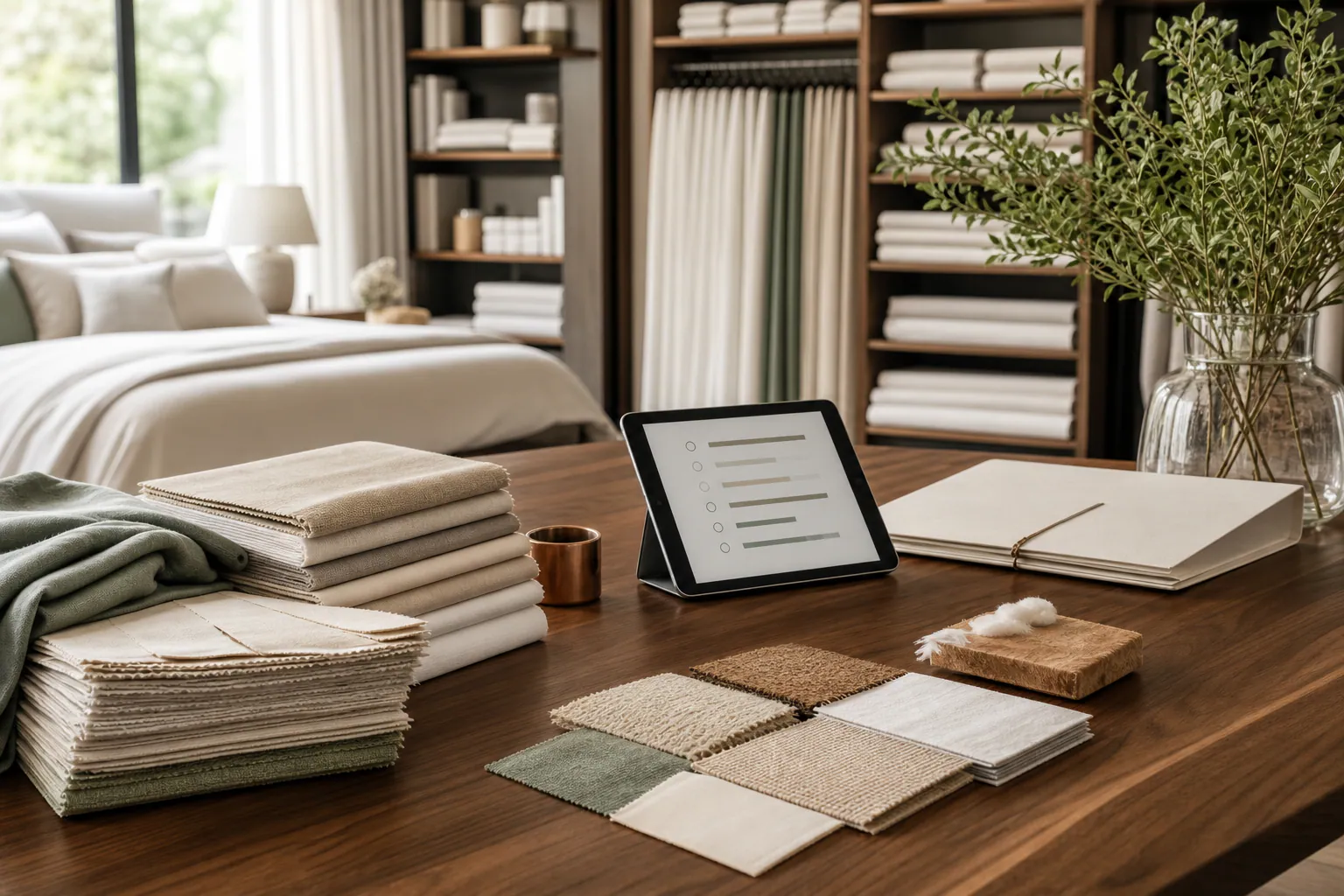
MOQs are not set in stone. Several strategies can help: combine multiple products in a single order to reach volume thresholds, accept slightly higher per-unit pricing for below-MOQ orders with a small batch surcharge of 10 to 20 percent, or partner with a sourcing agent who aggregates orders from multiple buyers. At FY Bedding, we pool orders from our hospitality clients to meet manufacturer MOQs while giving each client exactly what they need.
Continue the buyer workflow
Move from general guidance to the relevant product, evidence and project-planning pages.