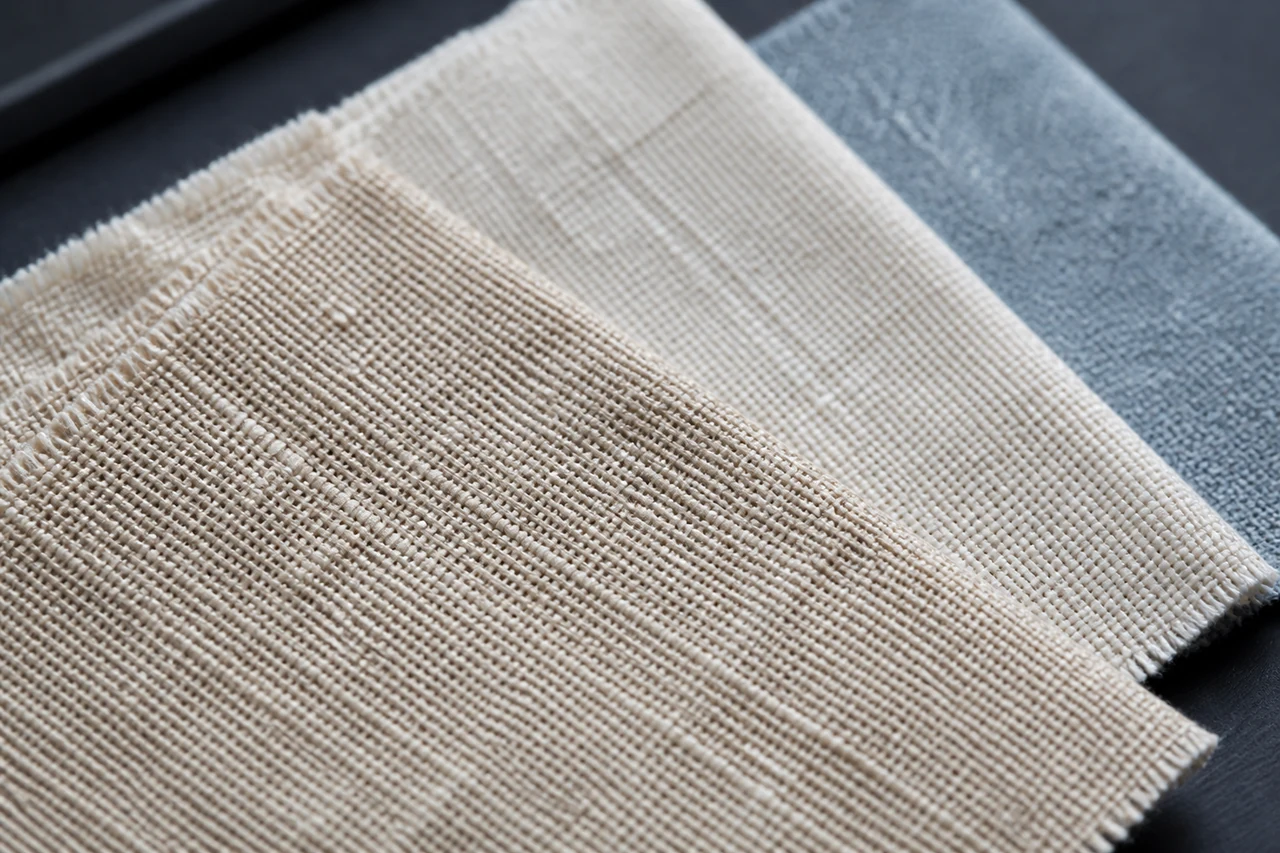
Fabric weight is easy to quote and easy to misunderstand. The same construction can show different mass per area because of moisture, finishing, usable width, coating, sample location and measurement method. GSM should support a defined handfeel and performance target, not replace construction details. Buyers need a consistent sampling and conditioning method plus rules for roll and lot variation.
Define the material state being weighed
State whether the requirement applies to greige, dyed, printed, finished or coated fabric and whether it is measured before or after washing. Identify the construction, fiber, yarn, density and finish alongside nominal GSM. Weight by itself cannot distinguish a stable dense construction from added finish pickup or excess retained moisture.
Connect the value to the approved usable-width and yield plan. A heavier fabric may still produce poor cutting economics if its usable width is narrow, while a wider lighter fabric can change handfeel and opacity. Purchasing decisions should review weight, width and construction together.
Standardize specimen location and conditioning
Define roll selection, distance from roll ends and selvedges, specimen size, number of specimens and conditioning time. Avoid sampling only the easiest outer layer or one center point. Use clean cutting tools and calibrated balances appropriate to the specimen mass. Mark specimens so results can be traced back to roll and position.
Moisture can create meaningful shifts, especially across seasons and storage conditions. Record environmental conditions and follow the buyer-approved conditioning method before weighing. If rapid factory checks are used for process control, correlate them with the formal conditioned method and define when a laboratory confirmation is required.
Calculate and report results transparently
Calculate mass per unit area from the actual conditioned specimen dimensions and mass, applying the approved conversion. Report individual results, average, range, roll identity and any excluded specimen with reason. Rounding should not turn an out-of-limit result into a pass; agree on decimal precision before testing.
Where a cutter provides nominal-area specimens, periodically verify the cutting area and blade condition. Frayed, stretched or incomplete circles bias results. Photographs and equipment IDs support investigation, but raw measurements are more valuable than a certificate showing only one final number. Retain the calculation sheet with the fabric approval record.
Set tolerances from function and process capability
Define nominal GSM and upper and lower limits based on the approved fabric, product function and a realistic stable process. Avoid accepting a broad generic percentage without checking effects on opacity, drape, thermal feel, absorbency, sewing and landed cost. Some programs also need roll-to-roll and within-roll variation limits.
Evaluate development and pilot-lot data before finalizing the specification. If results trend near a boundary, investigate yarn, loom, finishing or moisture rather than widening the limit after production. Link material acceptance to incoming fabric inspection and isolate rolls pending disposition when the agreed method shows a failure.
Connect fabric weight to finished-product performance
Validate approved GSM through sewing, laundering and intended use. Check dimensional change, appearance, handfeel, seam behavior and product mass. A fabric that meets GSM can still fail because construction or finishing differs. Conversely, a small weight shift may be acceptable only after documented evidence shows performance and commercial claims remain unchanged.
Monitor bulk lots and reorders with the same method, then trend by mill, finish batch, color and season. Require notification before changes to yarn, density, width, finish chemistry or supplier. This makes GSM a useful process indicator within a complete specification instead of a single number that encourages uncontrolled material substitution.
Approve material state, construction, specimen locations, conditioning, equipment, calculation, individual and lot tolerances, usable width and finished-product confirmation before fabric release.