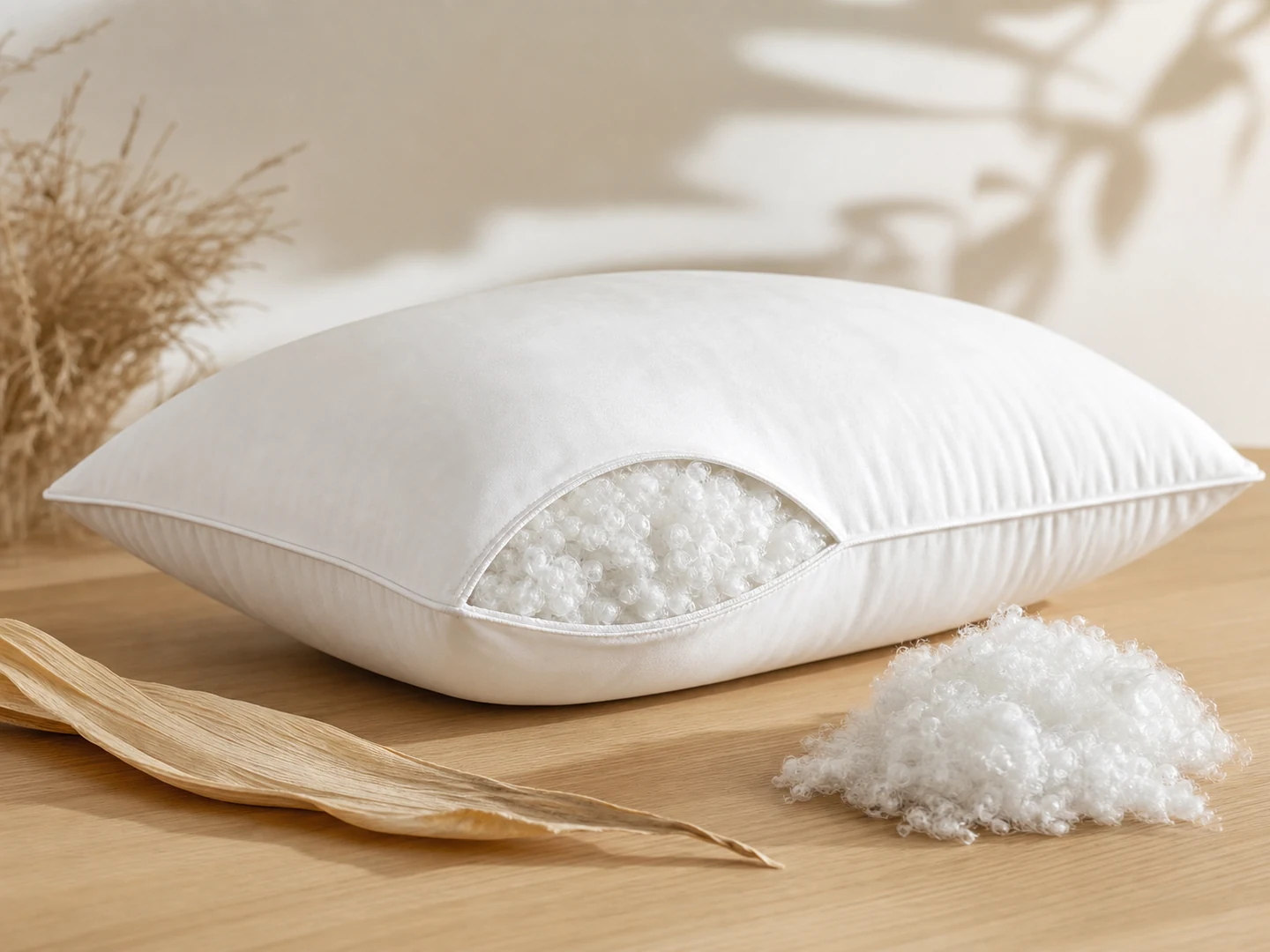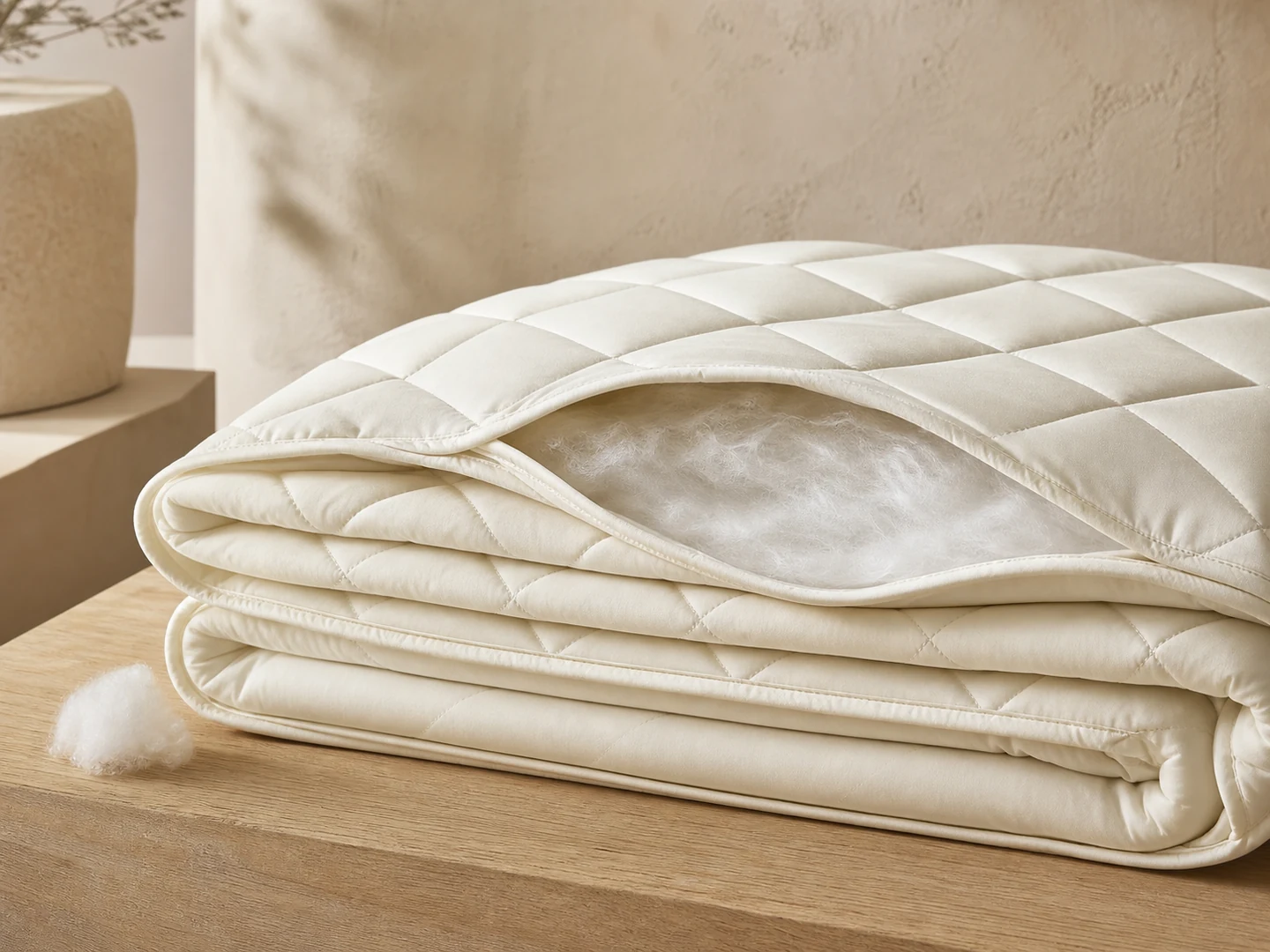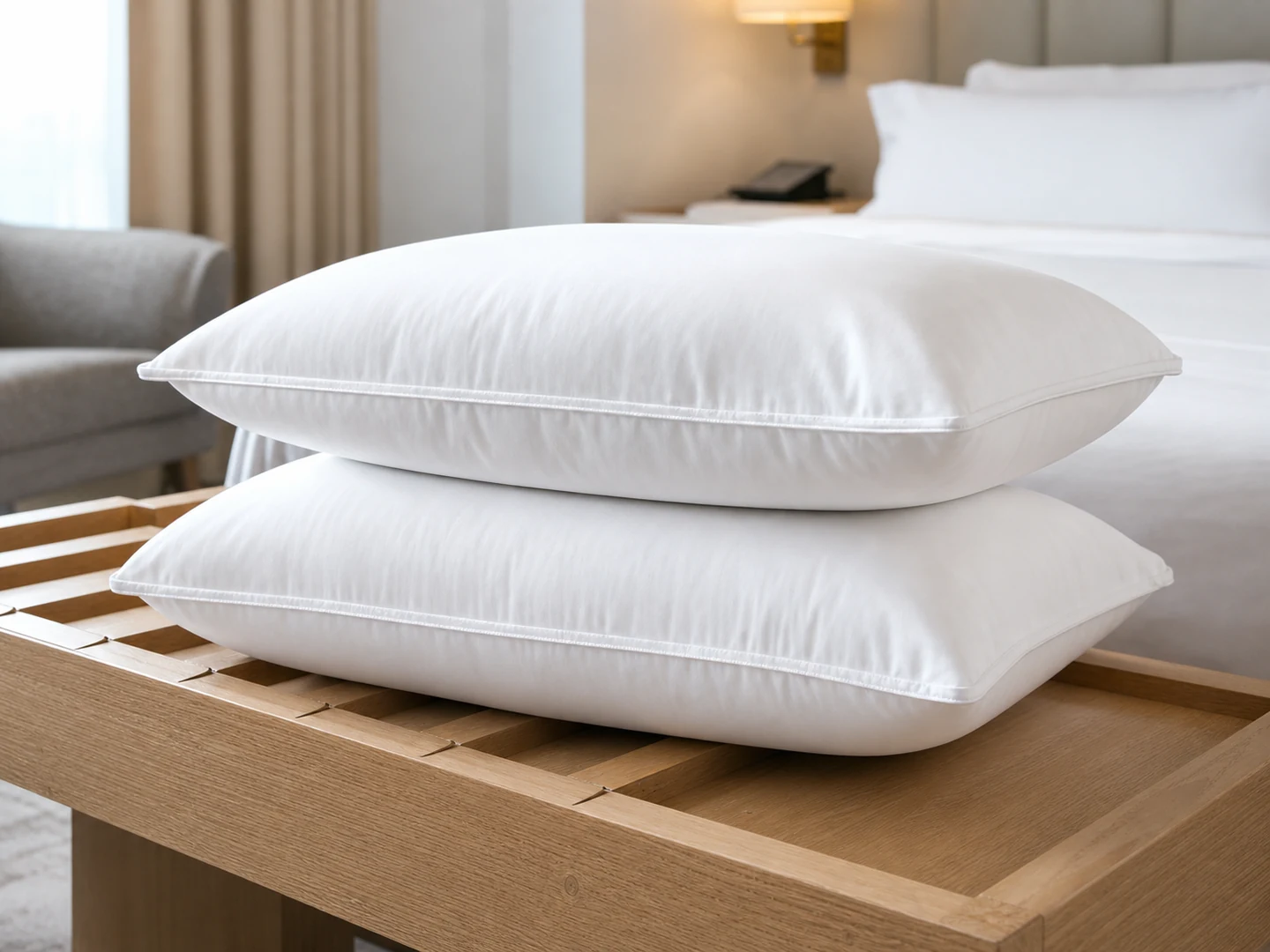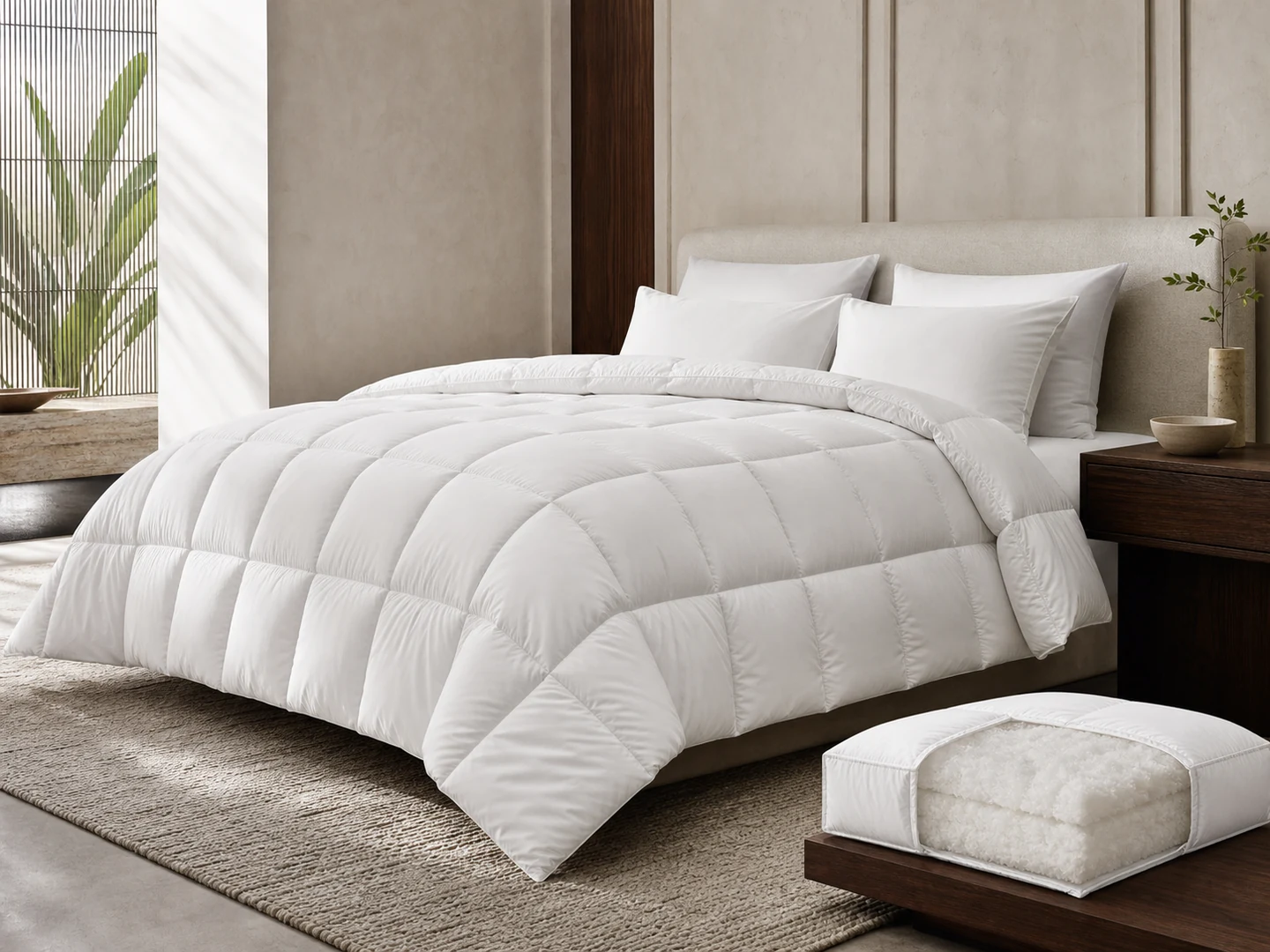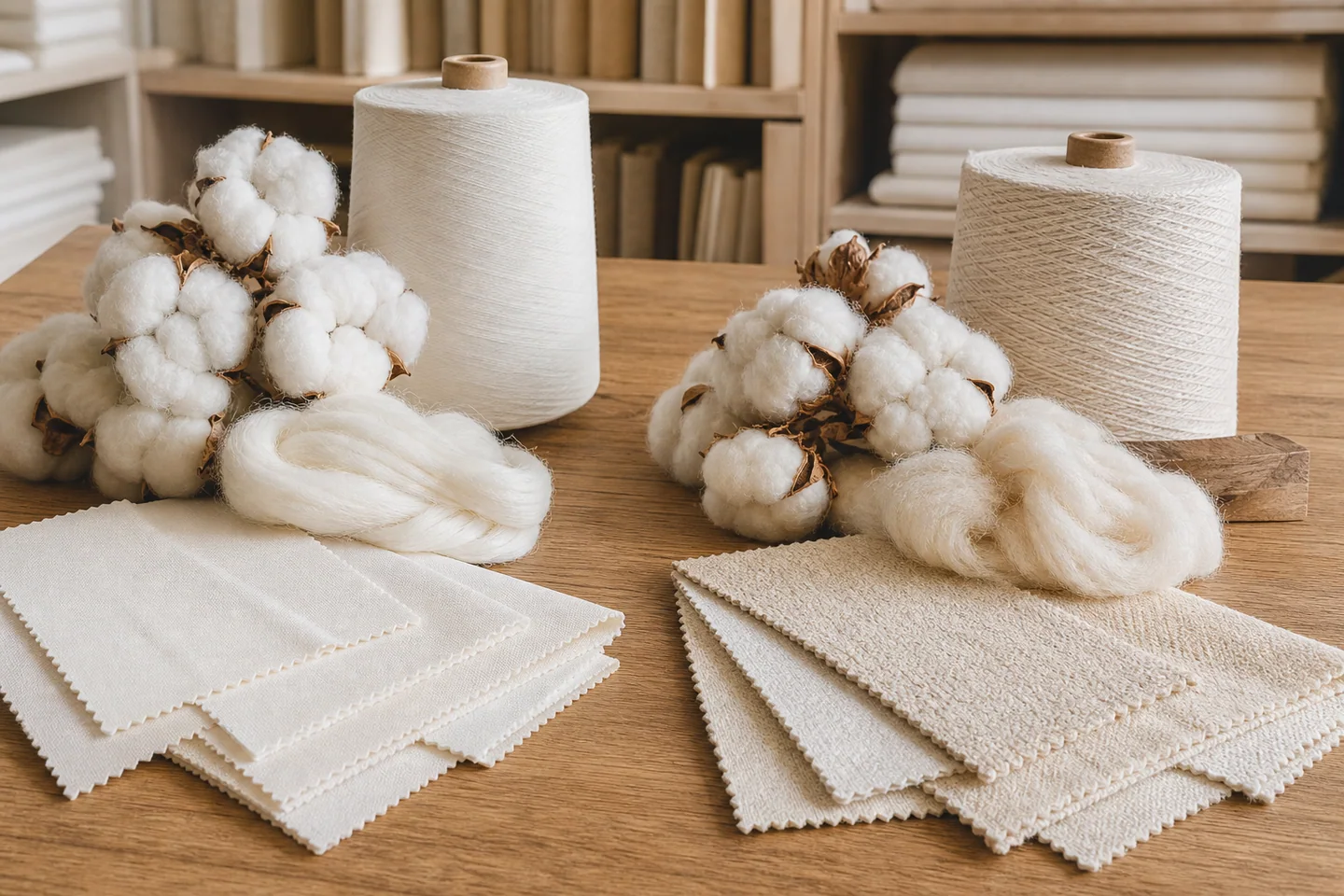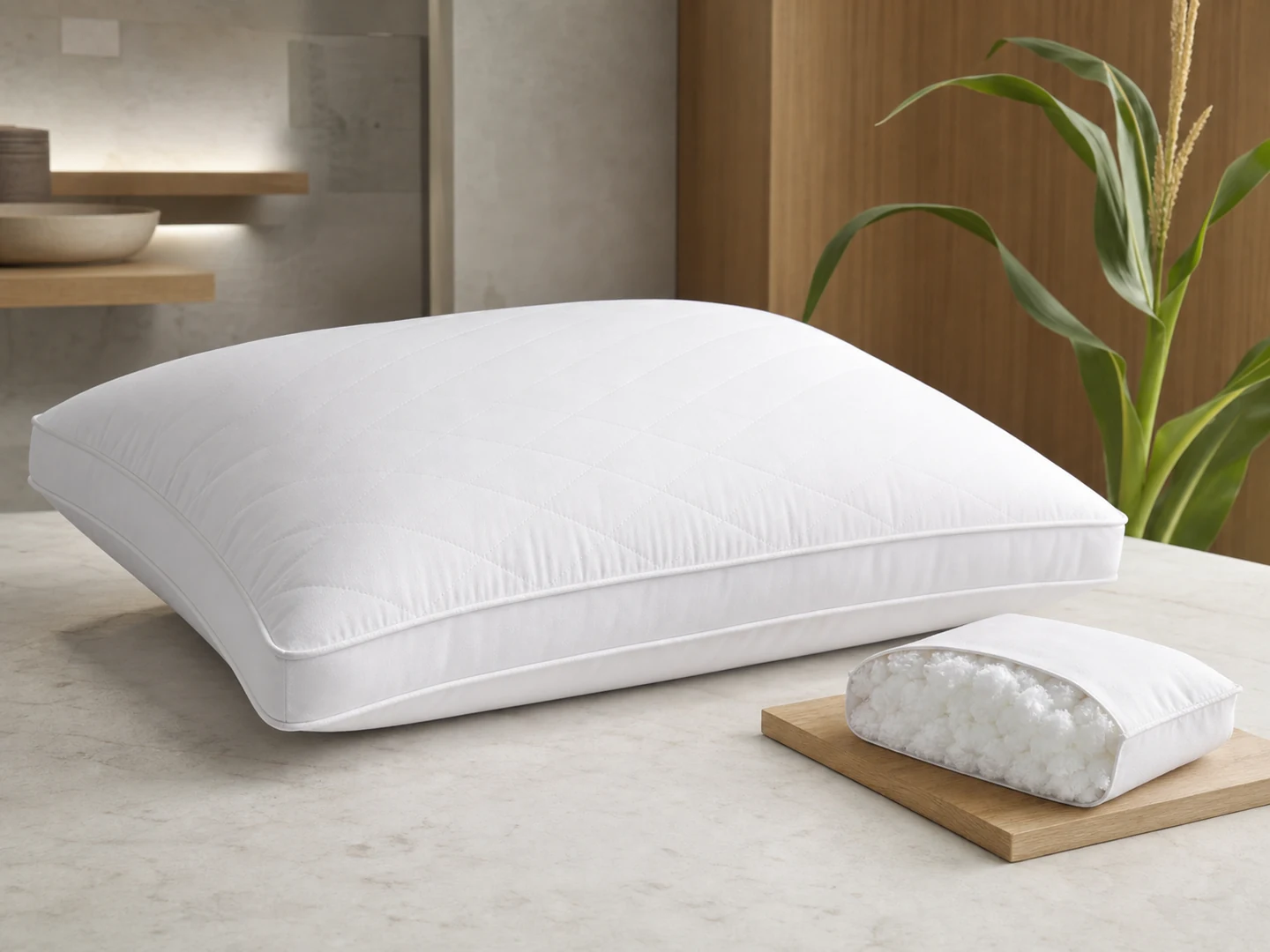
A material platform can inform product development, but the finished pillow or quilt still needs its own formula, specification and evidence path. Buyers should keep the material story separate from product-level claims.
1. Begin with the finished-product use
Define whether the product is a pillow, quilt, comforter or other filled textile; then set size, target feel, warmth or loft, care method, price position and destination market. Explore current directions on the Ingeo PLA material page.
2. Record the exact formula
State the PLA percentage, every blend component, fill weight, shell composition, quilting or chamber construction and trims. A brochure formula, material certificate and tested sample may describe different compositions; never merge them into one claim.
3. Match evidence to the level
Use the certificate scope matrix to distinguish the NatureWorks material platform, material-level credentials, the supplied USDA notice for named pillow products and the supplied SGS report for its received sample. Confirm current applicability for the exact product being ordered.
4. Approve and test the selected construction
Review loft, compression, recovery, hand feel, fill distribution, shell appearance and care behavior. Define tests based on the final construction and intended claim. If the formula changes, reassess which evidence remains applicable.
See the PLA fiber pillow program and PLA fiber quilt program.
5. Approve claim language with the pack
Keep percentages, trademark use, biobased statements and certification wording consistent across labels, inserts, product pages and sales materials. Obtain any program or trademark permissions required by the relevant owner.
The strongest sustainability statement is specific: it names the material percentage, product, document and scope without extending the evidence beyond what was evaluated.