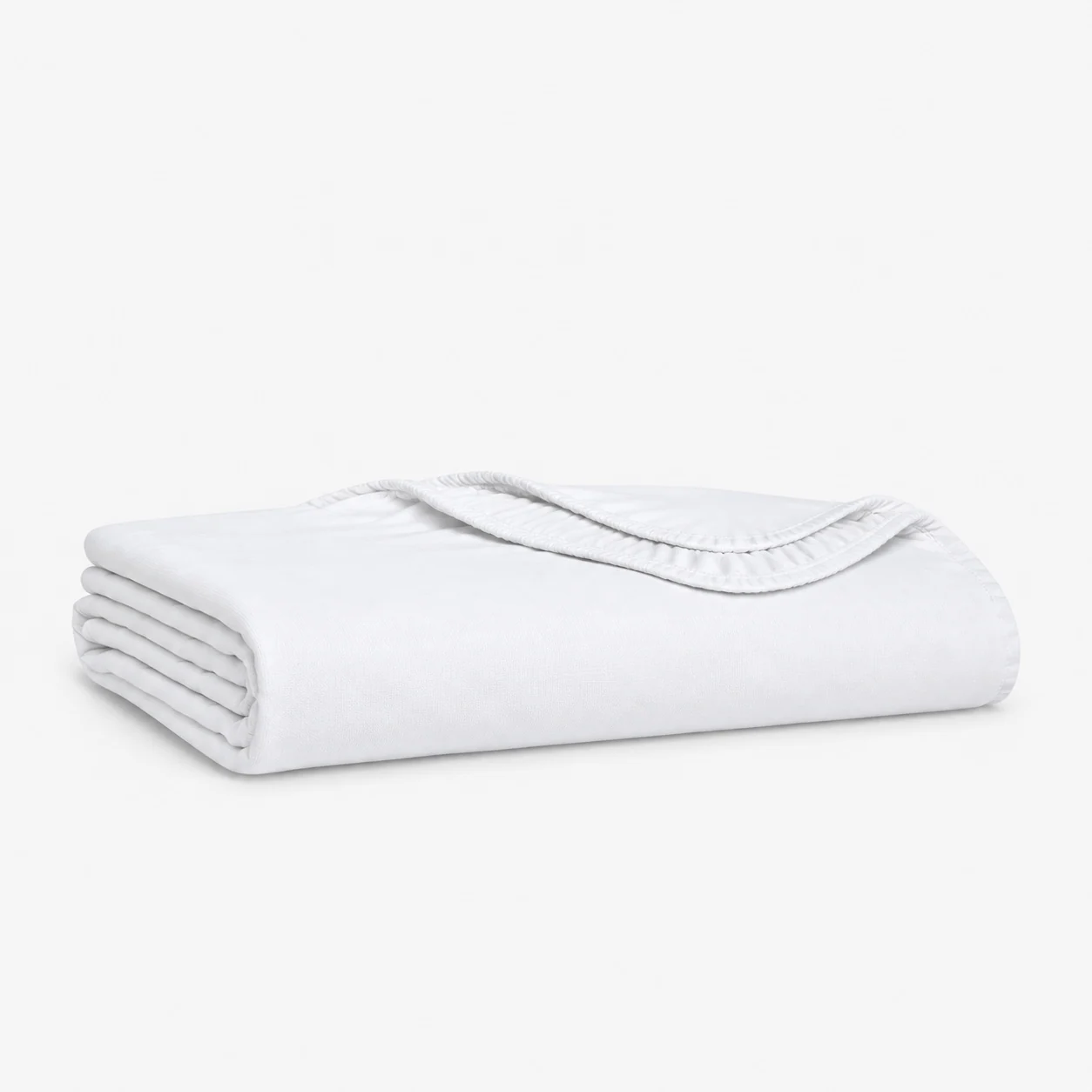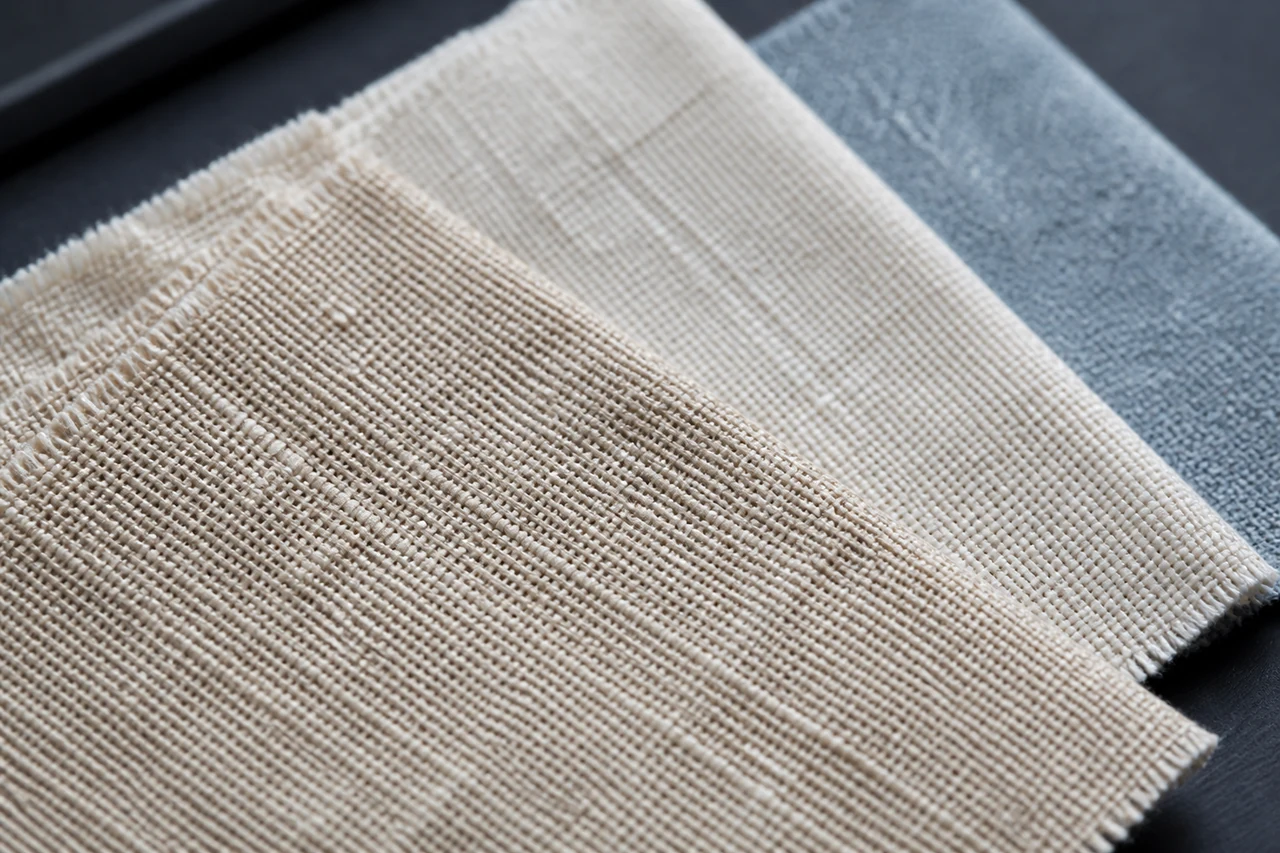
Recycled-content evidence must connect a defined claim to the exact component, formula, supply route and production lot. A general supplier document is only one part of that chain.
Define the exact claim before requesting evidence
Clarify whether the buyer intends to describe recycled content, a specific component, a percentage, a sourcing program or a broader environmental message. Identify the market, sales channel, product SKU and claim owner. Different statements require different evidence.
Avoid beginning with a supplier logo or certificate and then inventing a claim around it. Start with the proposed customer-facing wording, then work backward to the product and supply-chain records needed to support that wording.
Map recycled content to the finished product formula
List shell, fill, sewing thread, labels and other textile components separately. Record each component's material composition, mass basis and recycled share where claimed. A recycled fill does not automatically make every part of a comforter recycled.
Use the bedding BOM guide to connect the claim with authorized materials. Define how percentages are calculated and rounded, and keep packaging claims separate from product claims.
Trace identity through the relevant supply route
Review supplier, material, lot and transaction records that connect the purchased input to the finished SKU. Check names, addresses, dates, quantities, product descriptions and validity periods. Company participation alone may not prove that a specific shipment contains the claimed input.
Use the certificate scope matrix to separate organization-level, material-level and product-level evidence. Ask how material is identified and segregated during receiving, storage and production.
Verify that approved material reaches production
Reference the approved material code in the BOM, purchase order and incoming inspection. Compare delivery documents and lot identity before release. For blended or filled products, review weighing, mixing or consumption records appropriate to the production route.
Testing can support composition or identity questions when a suitable method exists, but a finished-product test may not reconstruct every supply-chain fact. Combine product verification with controlled documents and production traceability.
Keep public wording within the evidence
State the component and percentage clearly when that is what the records support. Avoid broad environmental outcomes, universal recyclability statements or comparisons that have not been separately substantiated. Market-specific legal review remains the buyer's responsibility.
Freeze approved product and packaging copy with the evidence file. Reopen review if the formula, source, certification status, sales market or claim wording changes. Periodically verify repeat orders rather than treating the first approval as permanent.
Maintain a claim dossier that a reviewer outside the sourcing team can follow. Include the final claim, SKU list, component formula, calculation method, supplier and transaction records, report scope, artwork approval and renewal dates. A clear index exposes gaps early and reduces the chance that an expired or unrelated document remains attached to live marketing copy. Assign an owner to withdraw or revise claims when evidence expires. Record that decision in the artwork system.
Approve the wording and the evidence together. Keep the component percentage, BOM, material identity and transaction records traceable to the finished SKU and order.