Linen texture is often selected precisely because it is less visually uniform than a smooth cotton fabric. That does not mean every irregularity should be accepted, nor does a visible slub prove fibre content or origin. Buyers need a shared visual boundary between the character they approved and faults that affect appearance or use. Without it, design may welcome a feature that inspection rejects, while a supplier may describe an unrelated flaw as natural variation. This guide builds a reference system for a specific linen bedding programme, using real swatches, finished panels and controlled viewing conditions rather than a vague promise of premium quality.
Describe the desired texture in observable terms
Replace rustic or natural with a shared reference
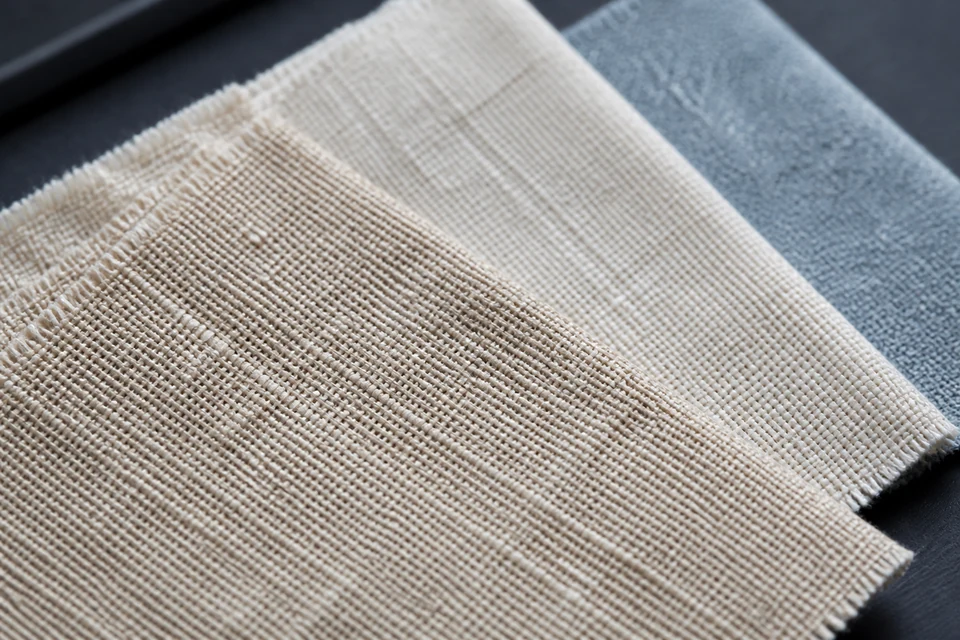
Begin with physical material candidates and describe what the buyer actually sees: yarn-thickness variation, distribution of raised areas, openness of the weave and the contrast between irregular yarns and the surrounding field. Record the chosen colour because the same texture can appear more prominent in another shade. The specification toolkit should identify the approved fabric reference and finishing state, not just the fibre name or a mood-board photograph.
Keep material identity separate from appearance. A visually convincing linen-like surface is not evidence of fibre composition, growing region or a certification claim. Request the relevant declaration and supporting documents through the fibre-content and origin review. If a blend is proposed, describe the blend accurately and assess its appearance on its own terms. The visual standard controls what is acceptable to see; it does not replace material verification.
- Choose a physical fabric reference.
- Describe distribution as well as size.
- Record colour and finishing condition.
- Verify fibre identity separately.
Build a boundary set rather than one perfect swatch
Include acceptable and unacceptable examples
A single attractive swatch shows the target but rarely explains the rejection boundary. Assemble examples that the buyer has explicitly accepted, examples that are borderline and examples that are unacceptable for the intended product. Identify each sample without writing directly over the area being judged. Add photographs with a scale reference in the record, while keeping the physical pieces available because lighting and image sharpening can exaggerate or hide a raised yarn feature.
Separate approved texture from holes, broken yarns, foreign matter, stains and other faults. Do not let the phrase natural variation excuse a discontinuity that weakens a panel or a contamination issue. Use the defect-classification guide to assign the programme's categories and disposition rules. If the buyer accepts a particular slub appearance only in less visible areas, write that placement rule explicitly instead of allowing inspectors to invent one during production.
- Retain target and boundary swatches.
- Keep the judged area unobscured.
- Separate texture from structural faults.
- Define any visibility or placement rules.
View complete panels and paired sets
A swatch can hide repetition and concentration
Lay out representative duvet covers, sheets and pillowcases under the agreed viewing conditions. Assess the whole panel before zooming into individual features. A small irregularity repeated densely in one area can create a different visual impression from the same feature scattered across a larger surface. The incoming-fabric inspection guide can help identify roll-level variation before cutting turns the fabric into separate pieces whose relationship is harder to reconstruct.
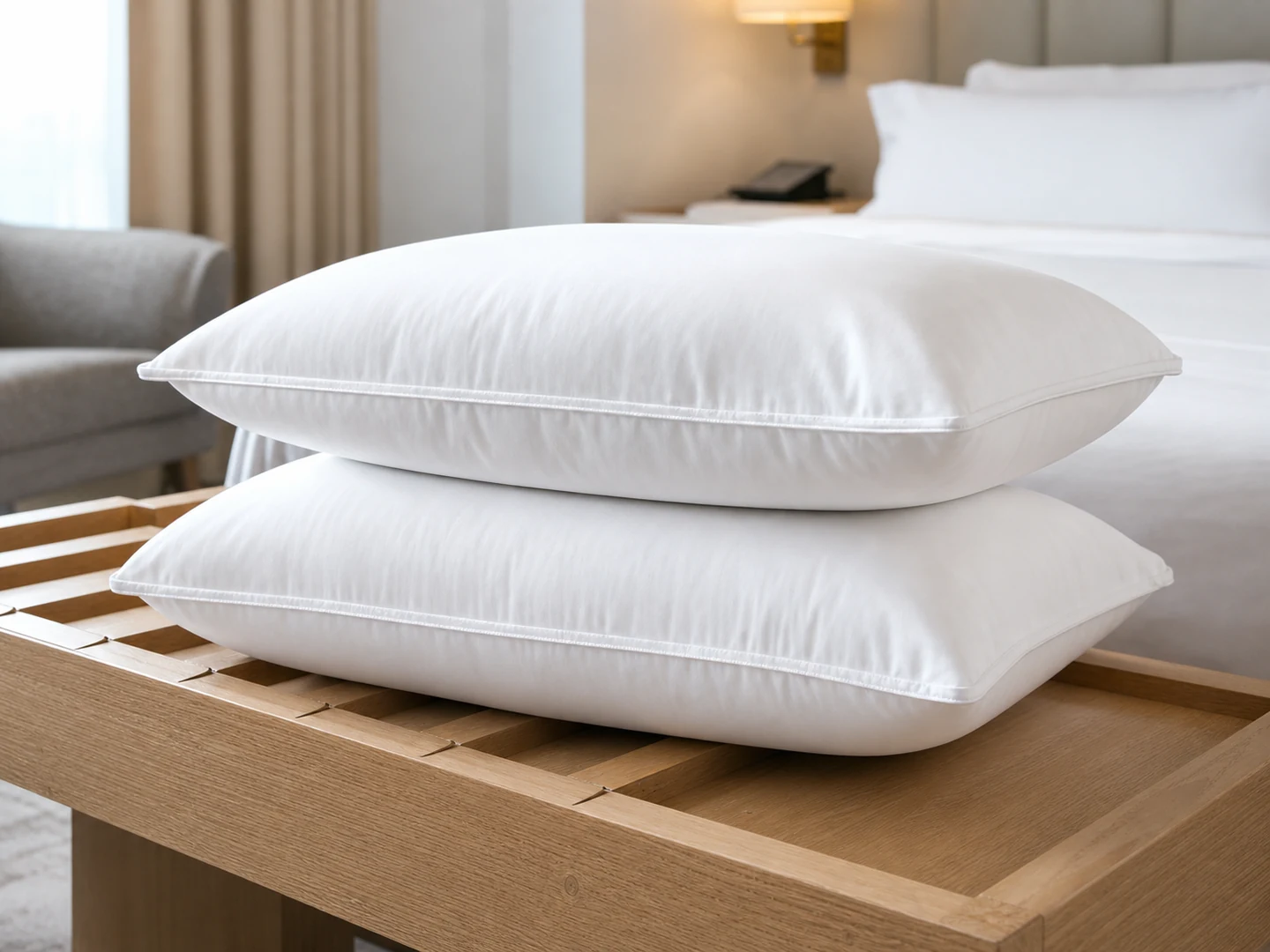
Then assemble the actual retail or hotel set. Check whether the pillowcases and main panel feel visually coherent without requiring impossible sameness. Record the viewing distance, light source and presentation condition used for the decision. A phone flash photograph of a crumpled sample is not equivalent to a room view of a made bed. Where shade is also under review, keep that assessment distinct using the shade-band control route.
- Assess the whole panel before details.
- Watch for concentrated texture areas.
- Review a complete paired set.
- Record light, distance and presentation.
Check the agreed look after the intended care route
Approval should not depend on showroom preparation
Compare the approved examples before and after the specified care treatment. Record changes in surface presentation, wrinkling, local distortion and the visibility of raised yarns without assuming that every change has the same cause. Do not trim, pull or remove a slub simply to make a sample resemble the target. Such intervention can change the textile and conceal the condition the customer will receive. If a treatment is proposed, it needs its own controlled review.
Keep the care instructions, sample history and photographs together. For hotel programmes, the intended commercial laundry route may differ from a retail care instruction, so the same visual approval should not be transferred casually between them. The hotel wash-trial framework can organise that comparison. Acceptance limits remain buyer-specific; this guide does not set a universal number of slubs, a standard flaw size or a guaranteed post-wash appearance.
- Compare the same identified samples.
- Do not cosmetically remove irregularities.
- Separate retail and hotel care routes.
- Agree post-care appearance boundaries.
Release the visual standard to every decision maker
Design, cutting and inspection must use the same edition
Give the approved reference set a revision identifier and record who is authorised to decide borderline cases. Keep duplicate physical references or a controlled access process for the teams that need them. The retained-sample library guide is useful for monitoring damaged or aged references. A yellowed display swatch should not quietly become the standard against which fresh production is rejected.
At order release, connect the visual standard to the fabric lot, product placement rules and inspection plan. Retain examples of any agreed exceptions with their scope rather than generalising a one-off concession to future orders. Share the intended linen look and end use in a FY Bedding project brief; the useful first step is a material and finished-panel comparison that makes the acceptance boundary visible to both sides before quantity and delivery commitments are finalised.
- Give the reference set a revision identifier.
- Name the borderline-decision owner.
- Replace damaged or aged references.
- Limit concessions to their approved scope.
Could design and inspection independently reach the same decision using the physical boundary set, without relying on the word natural?