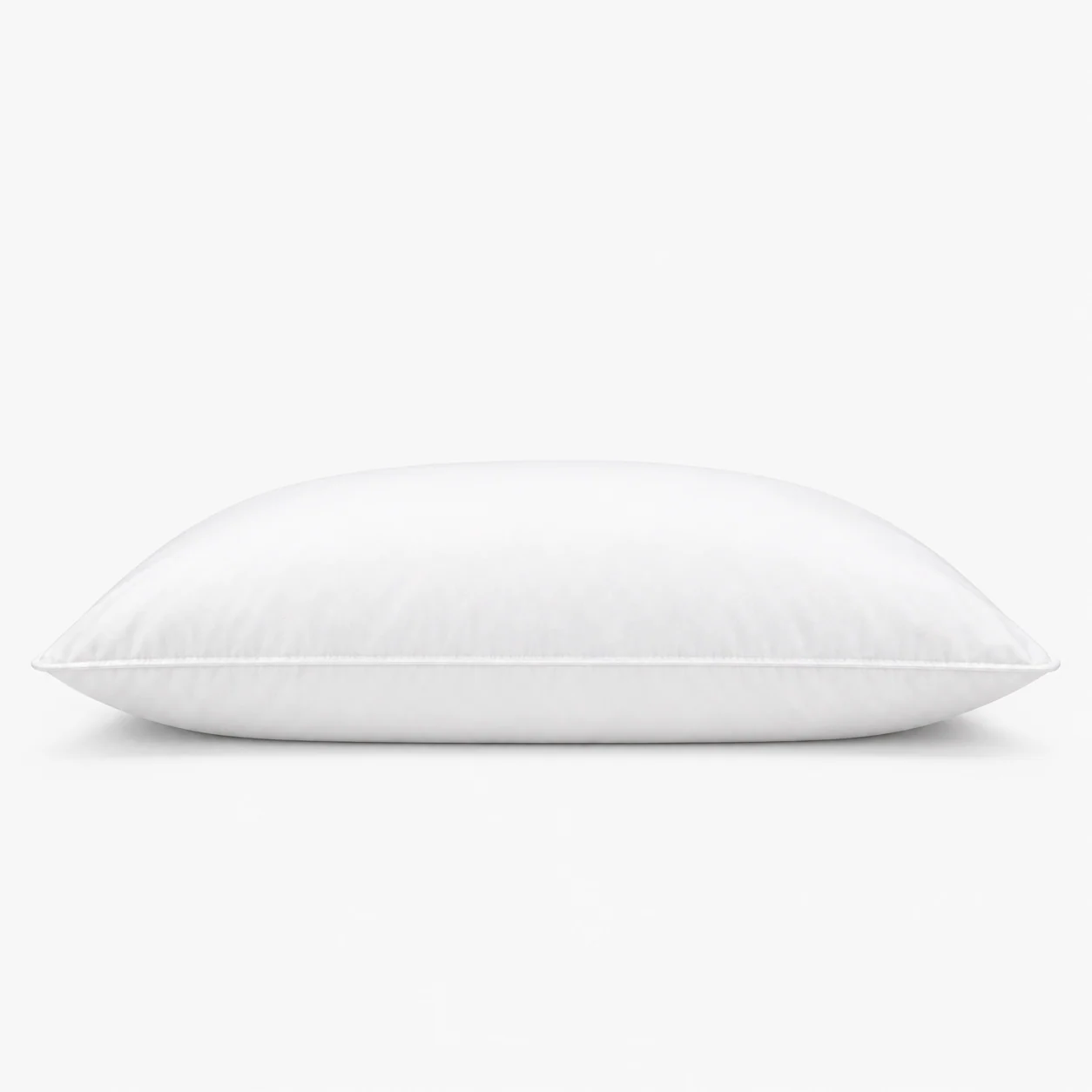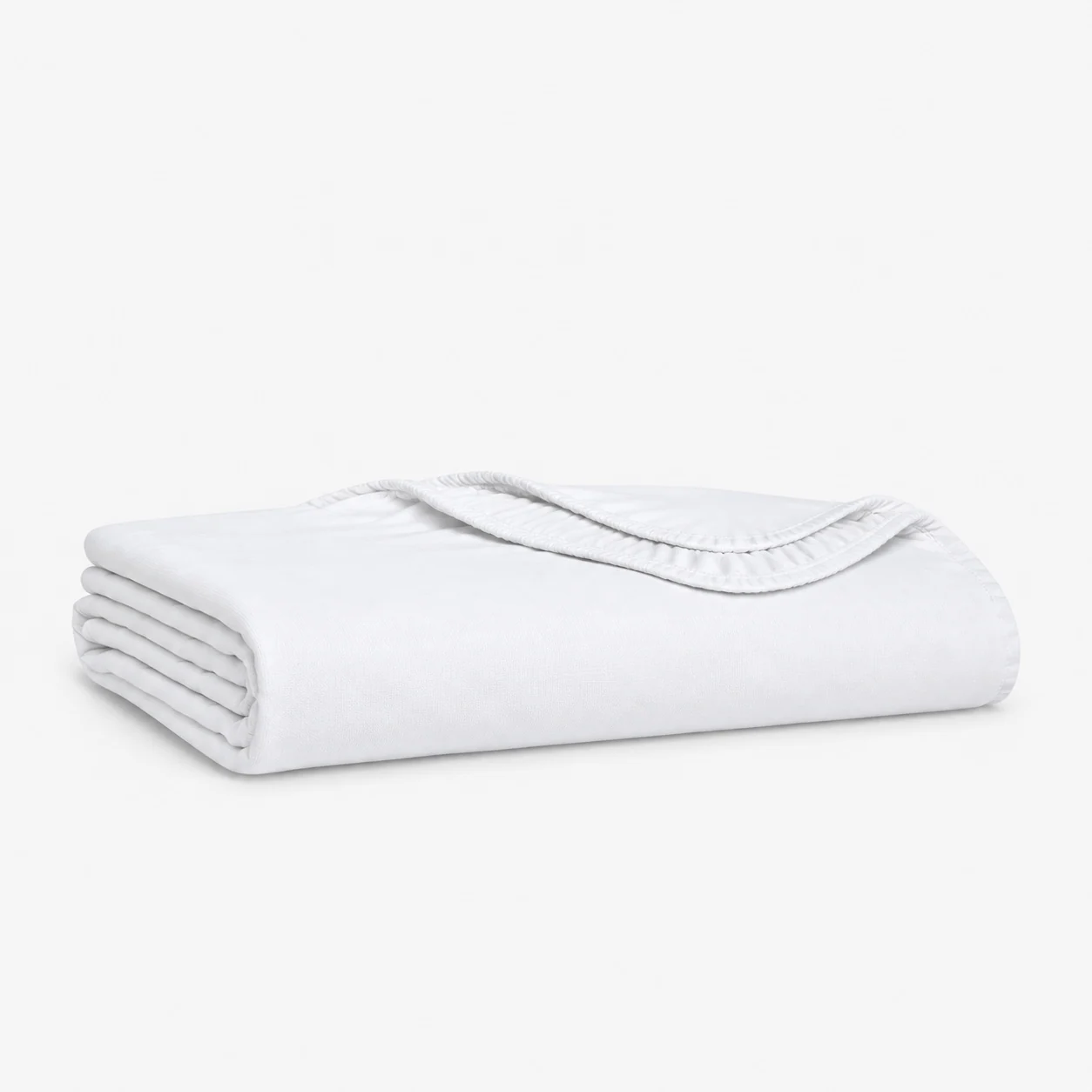
A pre-production sample should demonstrate that the factory can make the released bedding specification with intended bulk materials and components before volume production begins. Its value depends on traceability and a disciplined decision record. A beautiful sample made from substitute inputs is not a reliable bulk-production standard.
Define what the pre-production sample must represent
State whether the sample must use bulk fabric, approved color, final fill, production pattern, trims, labels and retail packing. Identify any permitted substitute in writing and explain which decision it cannot support. Mark sample version, date, SKU, size, color and material lot so later teams can identify exactly what was reviewed.
Position the PPS within the bedding sample gate framework. Earlier development samples may settle shape or construction; the PPS should close production-readiness questions. Do not call a sample final while critical bulk inputs remain unknown, because its approval may be misread as authorization to cut or ship.
Reconcile the sample to current documents
Review the current specification, bill of materials, artwork, measurement chart, color standard, care instruction, packing specification and test plan together. Confirm revision identifiers on the approval form. If the factory used an older file, return the sample for reconciliation even when the visible workmanship appears acceptable.
Check materials and components against the bedding bill of materials control. Record supplier references, fiber, construction, finished weight, fill, zipper, elastic, thread and labels as relevant. Approving appearance alone can hide a substitute that changes care, compliance, durability or reorder availability.
Inspect measurements, construction and appearance
Condition the sample as specified, measure every critical point and record results rather than only pass or fail. Review seam type, stitch density, reinforcement, closure function, quilting placement, fill distribution, corners, matching, print direction, shade, hand, odor and cleanliness. Evaluate paired or set components together, including fit on the intended bed.
Use the seam and stitch specification guide to make workmanship comments objective. Photographs should supplement, not replace, the marked sample and measurement record. Classify issues by product risk and identify whether the correction changes pattern, method, equipment setting, material or operator instruction.
Close testing, labeling and packaging evidence
Confirm which tests are complete, which samples were tested and whether results apply to the PPS construction. Review permanent labels, legal or customer wording, placement, durability and consistency with supporting documents. If results remain pending, state whether material booking or cutting can proceed and what action is blocked until closure.
Assemble the item in final retail and shipping packaging. Check fold, protection, inserts, barcode placement, assortment, carton count and marks against the packing file. Use the private-label packaging approval checklist to prevent an approved textile sample from moving into bulk with unreconciled artwork or pack configuration.
Issue a controlled bulk-production release
The decision should be approved, approved with named conditions or rejected. List every condition, owner, evidence and deadline; ambiguous notes such as improve stitching are not production instructions. Link corrective changes to an updated file or sealed correction sample and require factory acknowledgment before the affected operation begins.
Retain buyer and factory references securely and use them in the final bedding inspection checklist. Define which characteristics inspectors compare visually, dimensionally and functionally. If bulk material or process changes after PPS approval, reopen the affected approval instead of leaving the original signature attached to a different product.
Approve a PPS only when its identity, bulk-material relevance and open conditions are documented. The release record must tell production and inspection exactly which product is authorized.