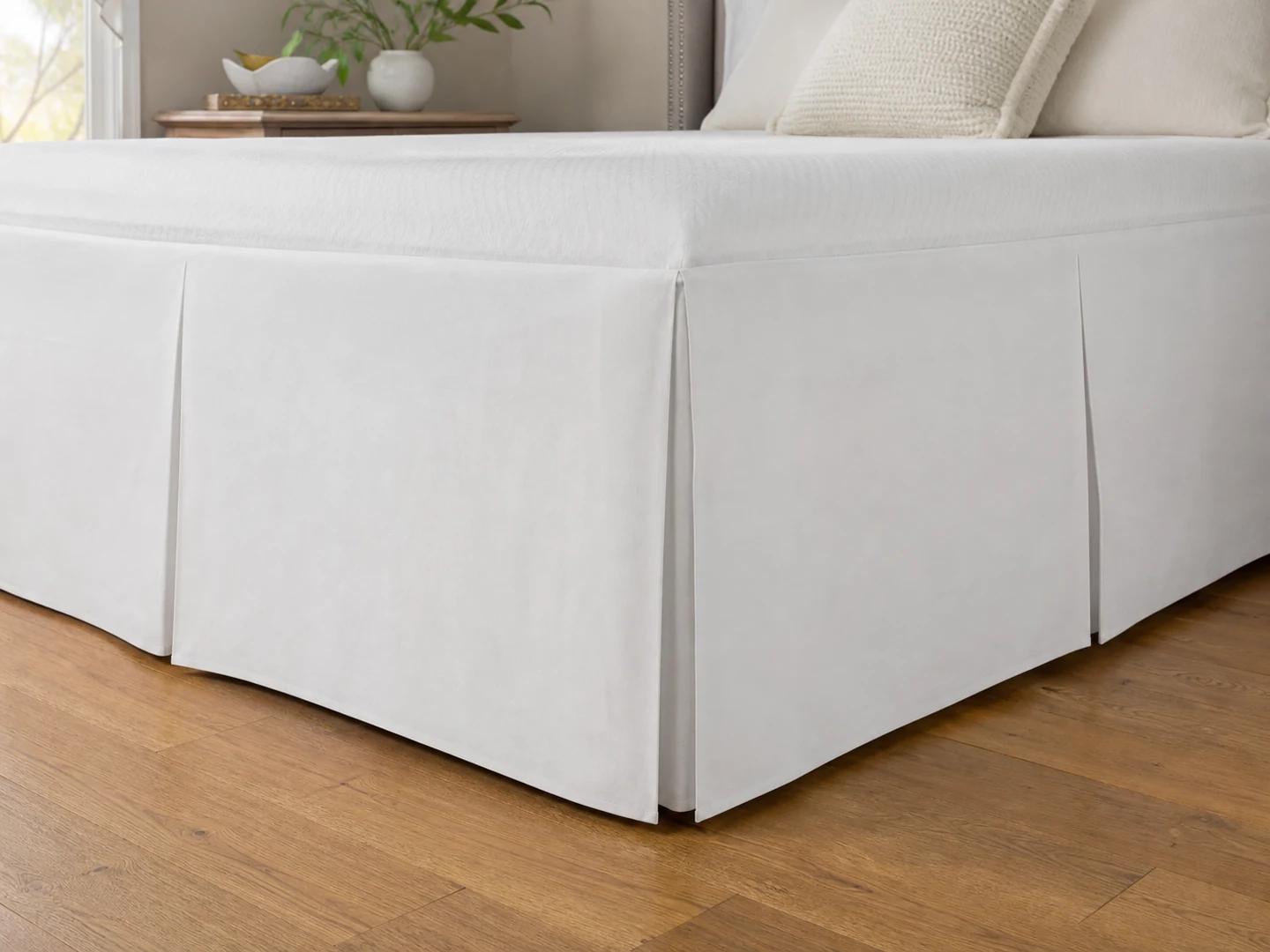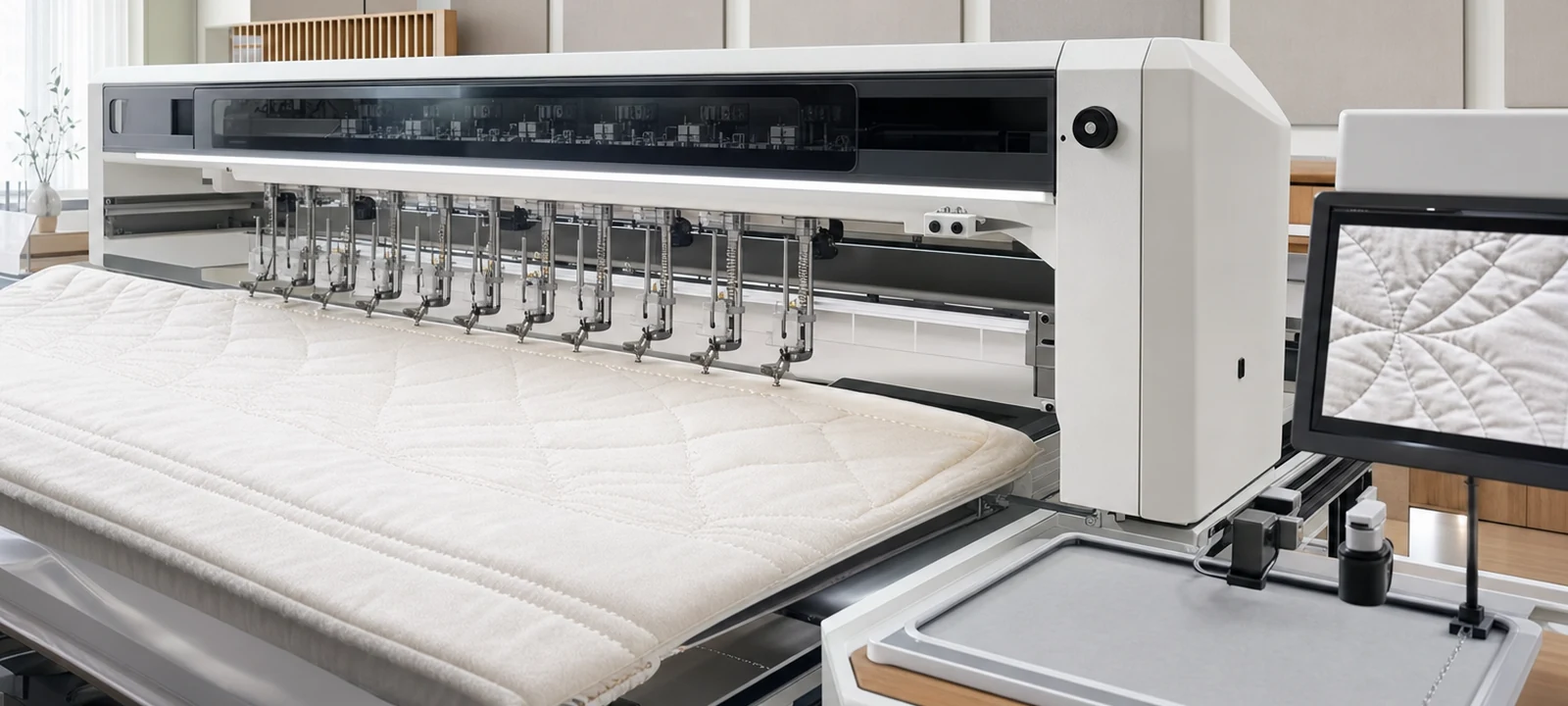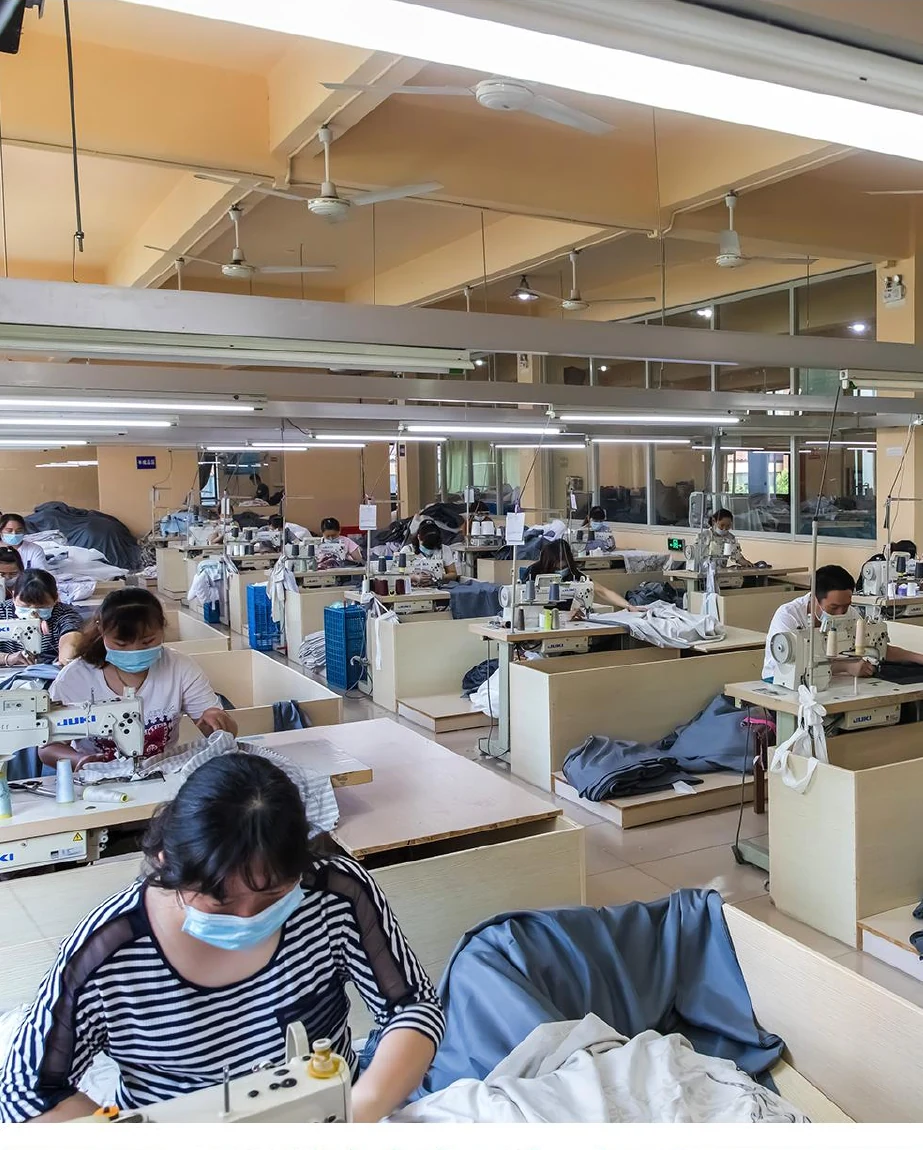
Final inspection should verify the released order against the approved specification—not decide the product for the first time. Sampling level, defect classification and acceptance criteria should be agreed before the inspector arrives.
1. Prepare the inspection basis
Provide purchase order, final tech pack, measurement table, bill of materials, packaging sheet, color reference, approved sample, test requirements and any buyer protocol. Confirm which revision controls the order.
2. Confirm quantity and production status
Check ordered, produced, packed and available quantities by SKU. Record cartons presented for inspection and whether production is sufficiently complete for the agreed method. Verify carton assortment before opening samples.
3. Inspect measurements, workmanship and appearance
- Finished dimensions and tolerances
- Fabric, shade and visible defects
- Seams, hems, stitches, quilting and closures
- Fill weight or finished weight where specified
- Cleanliness, odor and presentation
- Function checks relevant to the product
Compare workmanship with the approved golden sample.
4. Check labels and packaging
Verify sewn labels, size, fiber and care content, country-of-origin statement, hangtags, inserts, barcodes, unit pack, fold, case pack, carton marks, carton condition and dimensions. Scan representative barcodes and confirm SKU mapping.
5. Record defects and disposition clearly
| Record | Include |
|---|---|
| Finding | Defect description, location, SKU and photograph |
| Classification | Agreed critical, major or minor category |
| Result | Counts, measurement data and acceptance decision |
| Action | Rework, sorting, replacement, reinspection or release owner |
Inspection results do not replace the agreed laboratory testing plan or regulatory review; they answer different questions.
Agree the sampling rule, defect definitions and acceptance criteria before inspection. The inspector should apply the standard, not invent it on site.