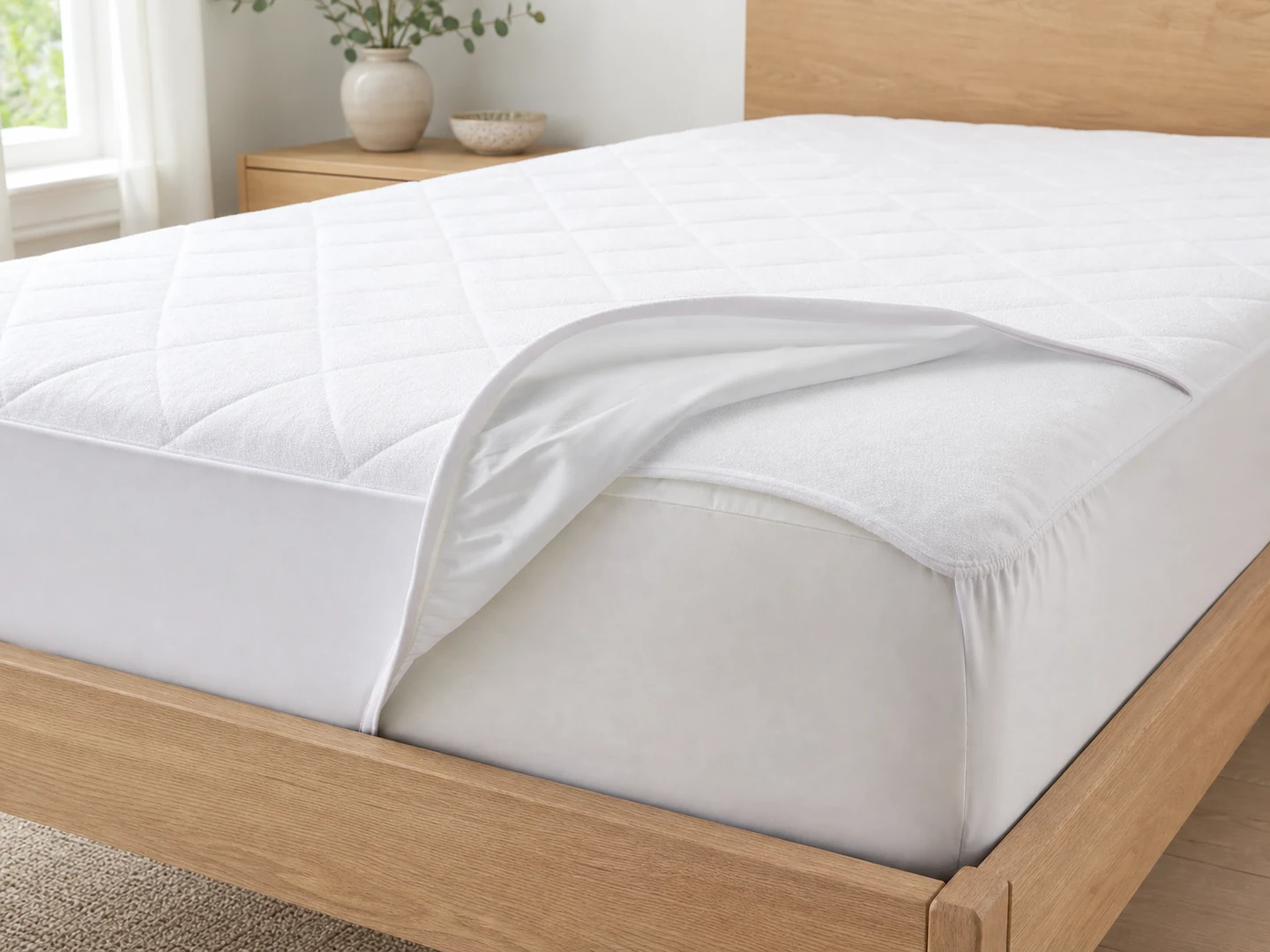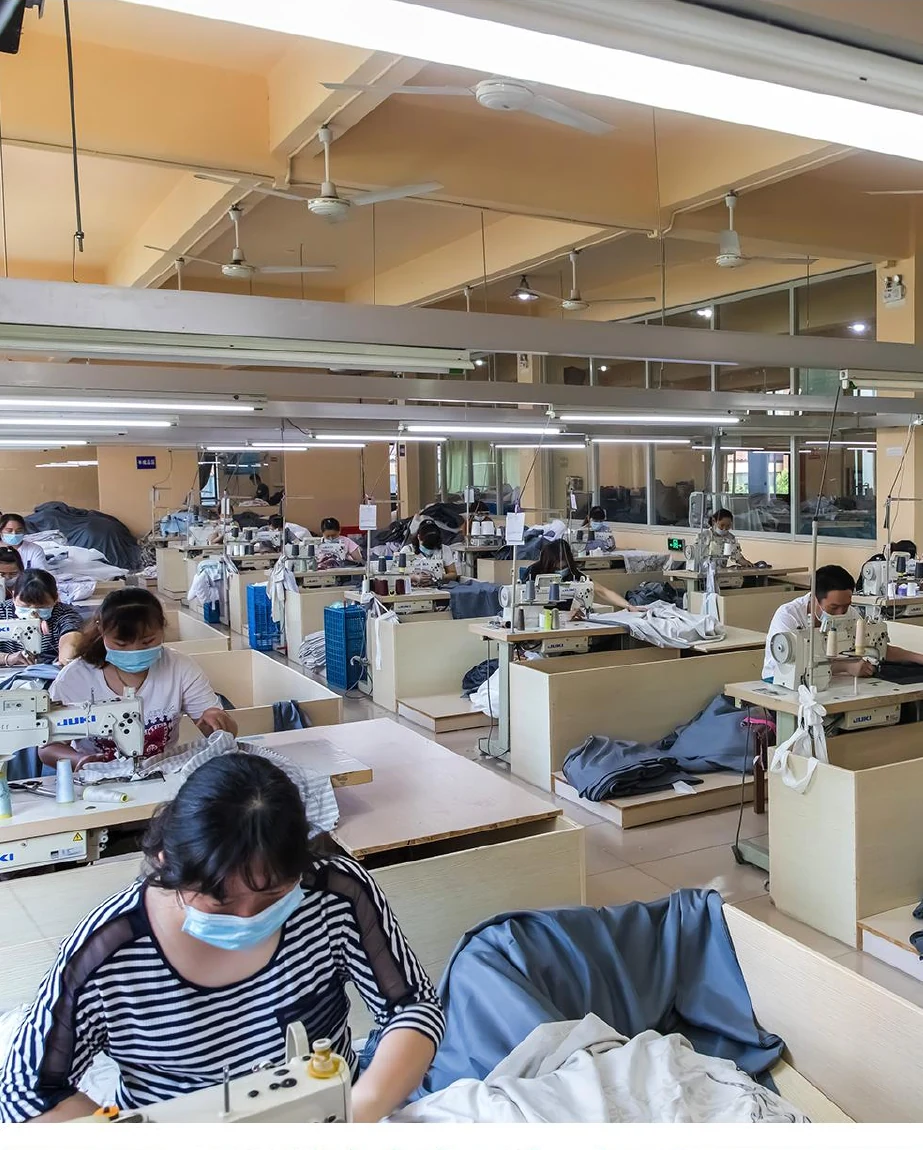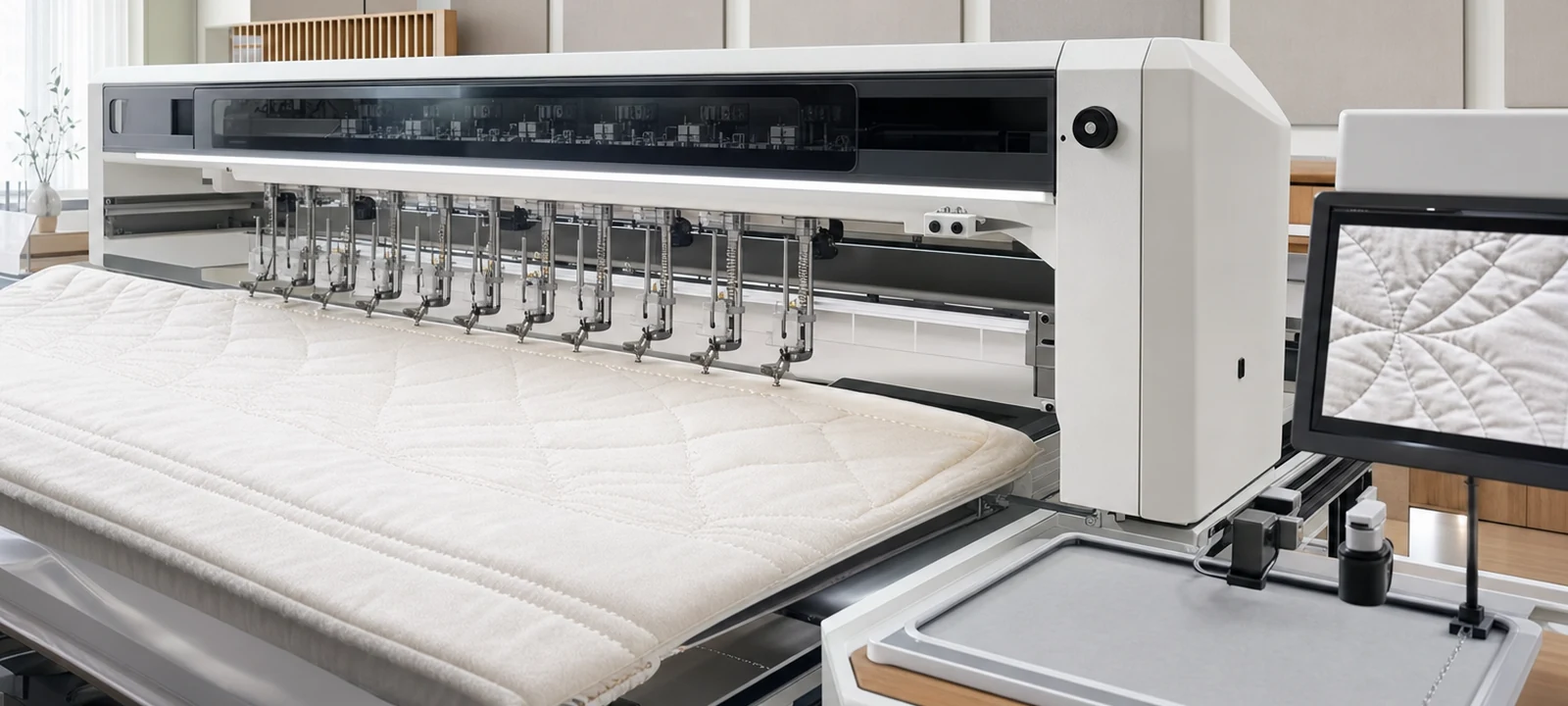
Quality control works when the approved specification, physical sample, test plan and inspection criteria describe the same product. Inspection cannot compensate for an ambiguous brief.
Incoming material control
Confirm fabric, filling, trims, labels and packaging against the released bill of materials. Checks may include identity, shade, finished weight, width, appearance or supplier records, depending on the product.
In-process checks
Monitor the stages most likely to create irreversible defects: cutting dimensions, seam and stitch construction, quilting, fill distribution, label placement and packing setup. Coverage should follow the agreed project plan, not a universal percentage.
Pre-production and approved sample
Use the approved sample for appearance and workmanship while the written specification controls numeric requirements and tolerances. Record any approved deviation before production continues.
Final inspection
Verify quantity, measurements, workmanship, appearance, labels, unit pack, case pack and carton marks using the buyer-agreed sampling and defect classification. Production-completion requirements should be defined in advance.
Laboratory and document review
Testing answers questions that visual inspection cannot. Match the method and report to the exact sample, formula and claim, and define when material or construction changes trigger reassessment.
Continue the buyer workflow
Move from general guidance to the relevant product, evidence and project-planning pages.