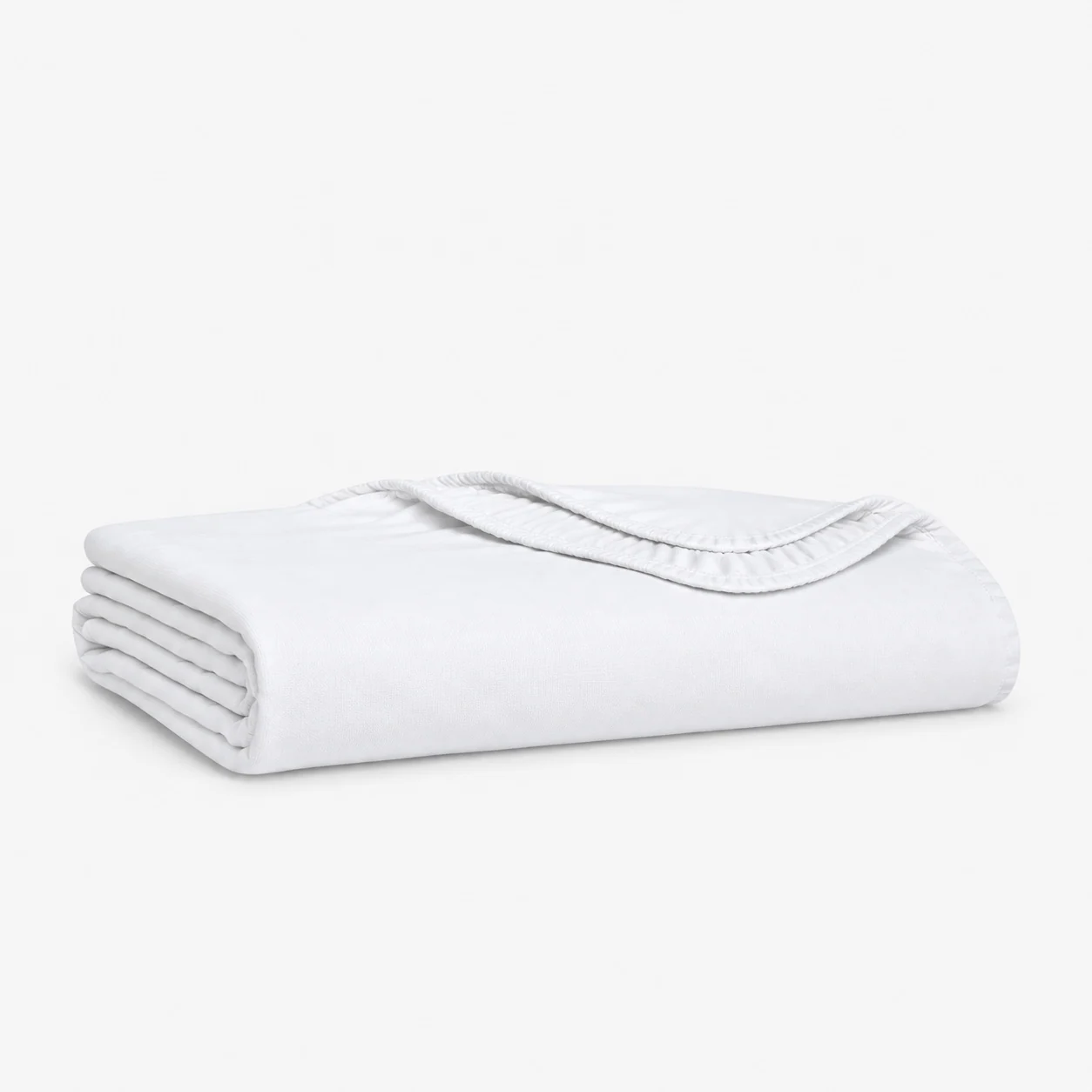
Fill power is one controlled input. Buyers also need composition, fill weight, construction, test basis, labeling and lot traceability to define a repeatable down product.
Define the fill system, not one headline number
Fill power describes loft under a stated test basis; it does not by itself define warmth, product mass, chamber distribution or durability. Record species or permitted terminology where relevant, down and feather composition, fill weight by size, treatment direction and intended performance.
Connect fill with shell fabric, down-proof construction, baffle or box design and product dimensions. The fill specification guide shows why loft and warmth are properties of the complete product.
State the report basis and keep results comparable
Different methods, conditioning procedures and reporting systems can produce results that should not be compared as if identical. Require the method, version, sample identity, conditioning, result units, date and testing organization. Keep the purchase specification aligned with that basis.
Review whether the tested material represents the actual proposed blend and lot. A high result from a development sample is not automatically proof for later bulk. If reports use different bases, obtain expert interpretation instead of applying an informal conversion.
Control fill weight and distribution by product size
Define total fill weight for every size and, when construction requires it, target distribution by chamber or zone. Confirm weighing method and tolerance. Poor distribution can create cold areas or visible imbalance even when total weight is correct.
Approve baffle height, chamber dimensions, fill openings, closure and migration control. Inspect the product after unpacking and an agreed recovery period. Record loft appearance across the complete item rather than measuring only one favorable area.
Connect material lots, claims and labels
Map supplier and material records to receiving lots, storage, filling work orders and finished-product batches. Check that composition and care labels use terminology appropriate to the destination and supported by current evidence. Buyer legal review should confirm market-specific wording.
Separate animal-welfare or sourcing program evidence from physical-performance reports; they answer different questions. Use the evidence scope framework to keep each public claim connected to its record.
Approve samples and verify bulk consistently
Evaluate a production-representative sample for weight, dimensions, loft, distribution, odor direction, leakage, shell hand, workmanship and recovery. Apply relevant care or handling trials. Seal the approved sample with the fill and construction specification.
During bulk, verify material identity, fill-weight records, product weight, distribution and workmanship using a defined plan. Investigate meaningful drift by lot. Reorders should confirm fill source and test basis rather than relying only on the prior product name.
Plan retained samples and records for complaint investigation. A finished unit, fill-lot reference, weighing record and shell-fabric identity help distinguish insufficient fill, uneven distribution, recovery conditions and care damage. Define retention time around the buyer's sales and warranty cycle instead of discarding evidence immediately after shipment. Record storage conditions.
Compare reports only on a compatible basis and connect the tested fill to the production lot. Approve the complete comforter or pillow, not the fill certificate in isolation.