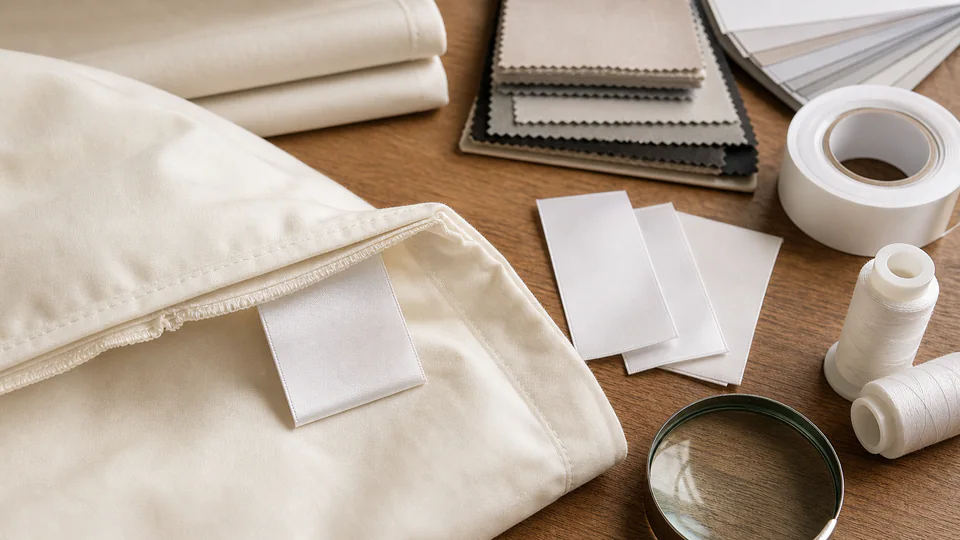
A care label connects product design with the laundry process and the destination market. Incorrect symbols, fiber data, language or temperature advice can create legal exposure and early product damage. Approval should combine qualified market review, evidence from the actual product and controlled artwork production.
Define destination and customer requirements first
Identify the countries or markets where the product will be supplied, the responsible business and any customer-specific wording or format. Applicable rules and standards change, so confirm current requirements with qualified compliance professionals rather than copying an old label from another program.
Separate mandatory information from optional property, size, batch or branding data. More text is not automatically safer if it becomes unreadable or conflicts with required statements. Record the reviewed source and approval owner in the specification.
Base care instructions on the complete tested product
Review shell fabric, fill, interlining, elastic, thread, zipper, coating, print, embroidery and trims. The care process must be suitable for the least tolerant relevant component. A fabric-only result cannot confirm that the assembled product will retain fit, shade or closure performance.
Run representative samples through the intended process and use the hotel linen care guide to align washing, drying and finishing assumptions. Where a commercial laundry uses a specialized route, document the relationship between that operating instruction and the sewn consumer or contract label.
Control fiber, language, symbols and claims
Reconcile fiber declarations with the bill of materials and verified composition evidence. Review translations, punctuation, units and responsible-party information. If symbols are used, confirm the applicable system and licensing or presentation requirements where relevant.
Avoid adding performance, origin or sustainability claims that the label evidence does not support. Link claim review to the certificate scope matrix. Treat every text change as artwork revision, even if the visual layout appears unchanged.
Approve label material, print and placement
Specify label substrate, finished size, fold, edge treatment, print method, colors and minimum legibility. Test print durability and label condition after repeated care. A technically correct label fails if text disappears, edges fray or the material becomes uncomfortable.
Show placement, orientation, seam insertion and stitch details on the product drawing. Check that the label remains accessible but does not contact the guest uncomfortably or interfere with a closure. Approve a sewn production sample rather than artwork alone.
Release artwork and prevent mix-ups
Use one approved file with item scope, revision, date and approvers. Reconcile purchase order, bill of materials, product specification, packaging and label version at the pre-production meeting. Obsolete files and physical labels should be segregated.
Inspect content, position and legibility during production and final inspection. Trace label lots where practical and define the disposition of incorrect labels. Reorders must repeat the legal and technical review when material, market, care route or responsible-party data change. Include label verification in first-piece approval and packed-product checks because the correct label can still be sewn into the wrong size, color or market version.
Approve legal content with qualified market expertise and validate care instructions on the complete production-representative item. Release one controlled artwork revision and sewn sample.