Microfiber is a broad material description, not a complete bedding specification. Polymer, filament size, yarn formation, fabric construction, brushing and finishing can create very different hand, opacity, pilling and care behavior. Buyers should define measurable inputs and approve the resulting fabric and product.
Decode polymer, filament and yarn information
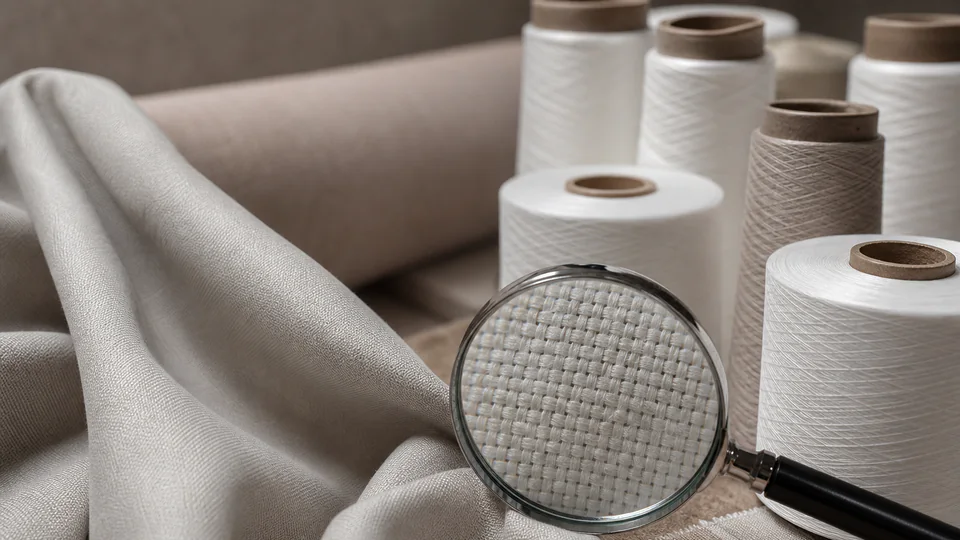
Identify polymer type and whether the material is virgin, recycled or blended. Record yarn count or linear density, filament count, approximate denier per filament where available, yarn texture and any twist. Avoid treating a low denier claim as proof of softness or quality without the construction and finishing context.
Link raw-material claims to the certificate scope matrix. Evidence should cover the relevant supplier, facility, material and transaction where required. Marketing language must match what can be traced in the actual production route.
Define fabric construction and finished state
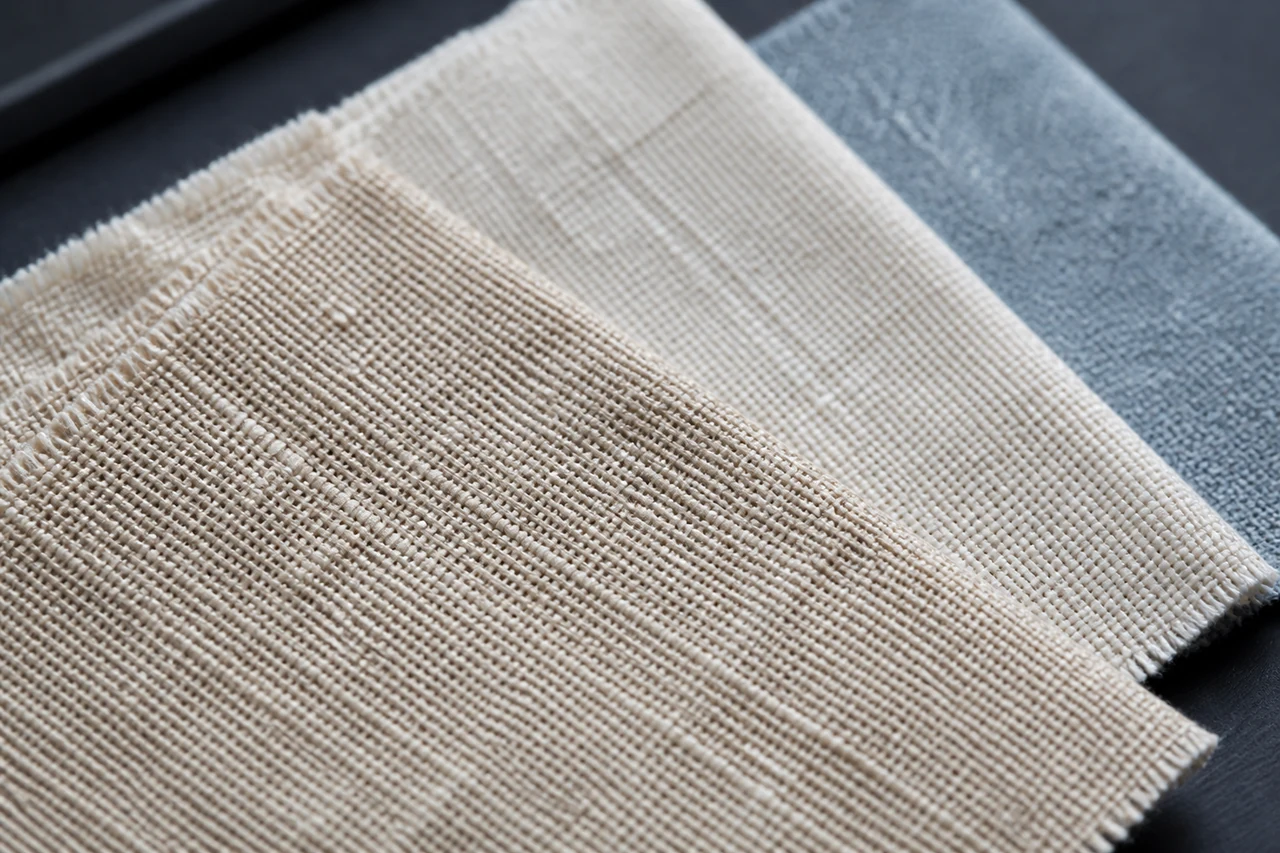
State weave or knit, yarn arrangement, finished weight, density, usable width and color. For brushed fabrics, define one-sided or two-sided treatment and the expected surface. Mechanical finishing can strongly change apparent thickness and hand while influencing pilling, lint and shade.
Approve both greige or pre-finish information and the finished fabric characteristics that matter to the customer. Record face and reverse where they differ. A supplier should not substitute a construction simply because finished weight remains within tolerance.
Evaluate comfort without relying on one claim
Compare softness, smoothness, air permeability, moisture behavior, static tendency, opacity and thermal feel on production-representative samples. Assess the fabric within the proposed sheet, cover or protector construction because seams, elastic, coatings and quilting can change the experience.
Use controlled side-by-side samples and coded feedback rather than descriptive names alone. If the product is positioned against cotton or another material, ensure comparisons use equivalent care state and product construction. Avoid unsupported health, sustainability or performance conclusions.
Test pilling, strength, shade and repeated care
Select methods for pilling, abrasion, tensile or tear strength, seam performance, dimensional change, colorfastness and appearance after laundering based on the product and market. Brushed surfaces deserve close attention to matting, loose fiber and uneven wear.
Define methods, cycles and acceptance limits through the bedding product testing plan. Test the final color and finish because dyeing and finishing can alter performance. Keep pre- and post-care photographs with the report so later production is compared consistently.
Control shade, hand and substitutions in production
Approve a color standard and a physical hand reference from representative production. Set shade-band, width, weight and appearance checks for incoming fabric. Inspect rolls for barre, streaks, brushing variation, creases and contamination before cutting creates mixed finished goods.
Place yarn, fabric and finishing references in the bill of materials and require change notification. The supplier change process should assess whether a polymer, yarn, mill or brushing change requires renewed testing, wash trials or customer approval. During bulk production, compare roll groups under consistent lighting and confirm that mixed cutting does not create visible panel-to-panel hand or shade differences. Record any approved range with physical references.
Approve microfiber as a defined yarn, fabric and finish system. Keep claims, physical standards, test reports and change control tied to the production route.