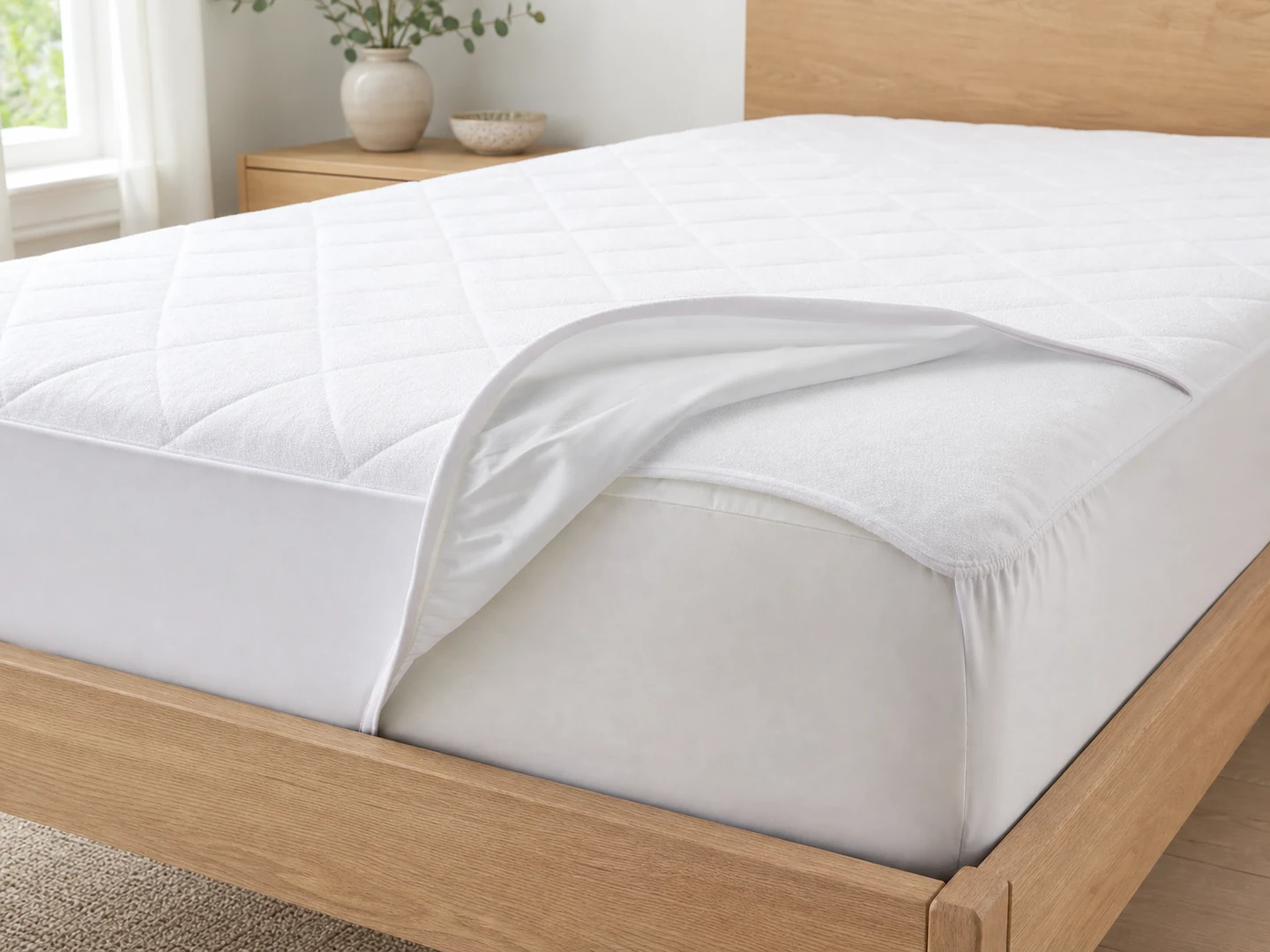
Multi-property linen programs fail when each unit buys independently. A controlled kit reduces sorting errors, supports consistent photography and guest presentation, and makes replenishment easier.
1. Standardize the room kit
List every item per bed and bath: fitted or flat sheets, duvet cover or top sheet, pillowcases, protectors, towels and optional throws. Minimize unnecessary variations while keeping sizes visible to housekeeping. Browse the bedding and bath collections to define the kit.
2. Calculate par by operating model
Par level depends on occupancy, turnover timing, laundry location, transit time and emergency buffer. Count items in rooms, items being processed and ready replacements separately. Build a reorder trigger before the buffer is consumed.
| Stock position | Purpose | Control |
|---|---|---|
| In room | Active guest use | Count by bed and bath kit |
| In laundry | Processing and transit | Allow for peak turnaround |
| Ready stock | Next changeover | Store by clearly coded size |
| Buffer | Damage and delay | Set a reorder threshold |
3. Specify for the real wash process
Record wash chemistry, temperature, dryer settings and outsourced-laundry handling. Evaluate shrinkage, color consistency, seam strength and stain-management requirements. Use a commercial linen care plan to align product and process.
4. Make sorting and replacement simple
Use durable size labels, color-coded identification where appropriate, consistent carton assortment and SKU discipline. The goal is to prevent a correct-looking but wrong-size item from entering a unit.
5. Protect repeatability
Keep an approved sample, specification revision and packaging record. For repeat orders, confirm whether yarn, shade, finish or construction has changed. A small replenishment order may require different economics from the original production run, so discuss expected repeat cadence during the first quotation.
A linen program is an operating system, not a one-time purchase. Standardize the kit, document the wash process and set the reorder trigger before opening.