Colorfastness planning starts with the product's real exposures. The method, specimen, colorway, stage and acceptance rule must be defined before the report can support a decision.
Map the product to realistic color exposures
Sheets, duvet covers, towels, robes, curtains and decorative pillows do not experience color in the same way. Identify laundering, rubbing, moisture, perspiration, light, pool or cleaning-chemical exposure that is relevant to the intended product and market.
Prioritize the conditions that could cause guest complaints, staining of adjacent items or visible mismatch. A generic package of tests may omit the key use exposure while adding methods that do not affect the buying decision.
Define method, specimen and endpoint
For each selected exposure, state the test method and version, specimen side and color, preparation, cycle or endpoint, adjacent fabric where applicable, conditioning and rating basis. Results from different methods should not be treated as interchangeable.
Record both color change and staining or transfer when the method reports them. Individual component ratings can matter more than a single summary grade. The product testing guide provides a structure for method ownership and retest triggers.
Test at a stage when the result can still change action
Development testing can compare materials and finishes before the product is frozen. Pre-production testing should represent the selected construction and production route. Bulk or periodic verification confirms continuing control. State which stage each result supports.
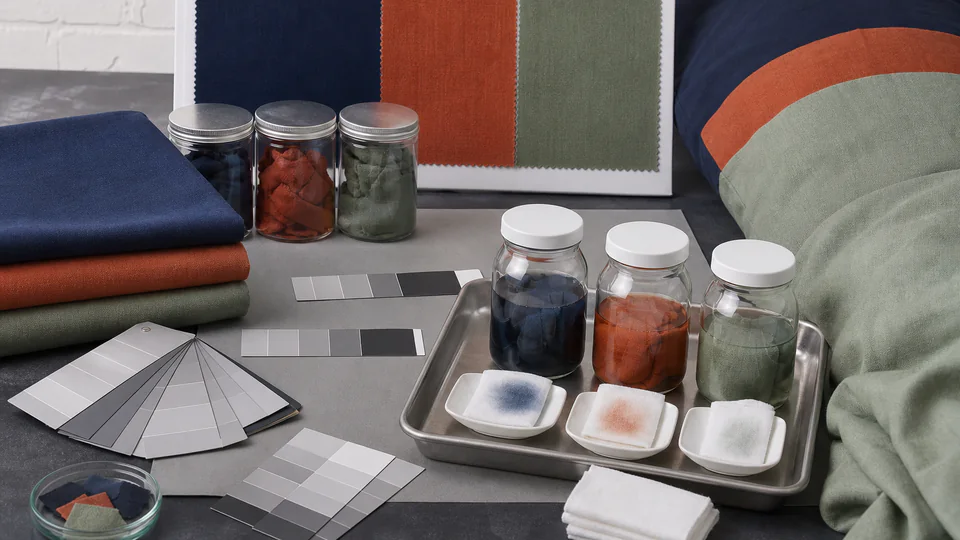
Dark shades, contrast trims, printed grounds and new dye routes may warrant earlier or additional review. A report for one color should not automatically cover every colorway. Link the tested specimen to a swatch, lot or finished sample.
Separate fastness from shade tolerance
Colorfastness evaluates change or transfer under an exposure; shade control evaluates whether production matches the approved color direction. A fabric can match initially but perform poorly after care, or it can perform well yet arrive outside the approved shade range.
Manage production shade with the shade-band guide. Keep lab dips, bulk shade approvals and fastness reports cross-referenced but do not use one as a substitute for another.
Predefine acceptance and failure response
Set acceptance criteria with method, product, market and use context. Review report identity, laboratory details, test dates, individual ratings and deviations. Avoid copying a threshold from an unrelated material or customer protocol without technical review.
When a result is unacceptable, contain affected material, confirm sample identity, examine dye or finish variables and decide whether to reformulate, reprocess, restrict use or reject. Retesting should evaluate a documented corrective change, not simply repeat the same uncertain sample.
Add approved care-label wording and contrast-material combinations to the review. A dark trim that passes alone may still create transfer risk against a light shell under use or laundering. For coordinated sets, consider whether components will be washed together and whether a failure could affect other hotel or consumer textiles. Document that pairing.
Do not treat shade match and fastness as the same control. Link each test result to the approved construction and color, then carry high-risk exposures into repeat-order verification.