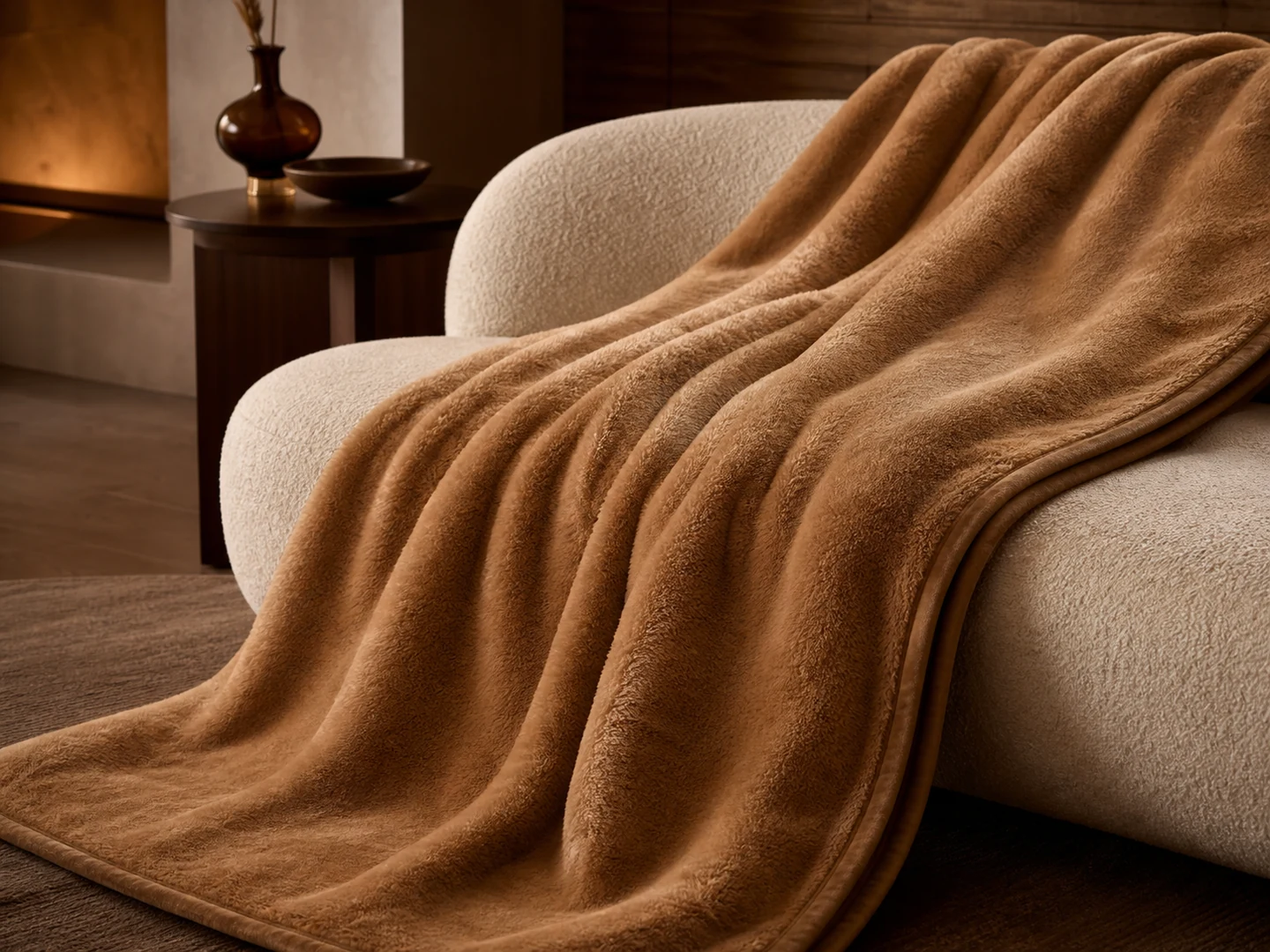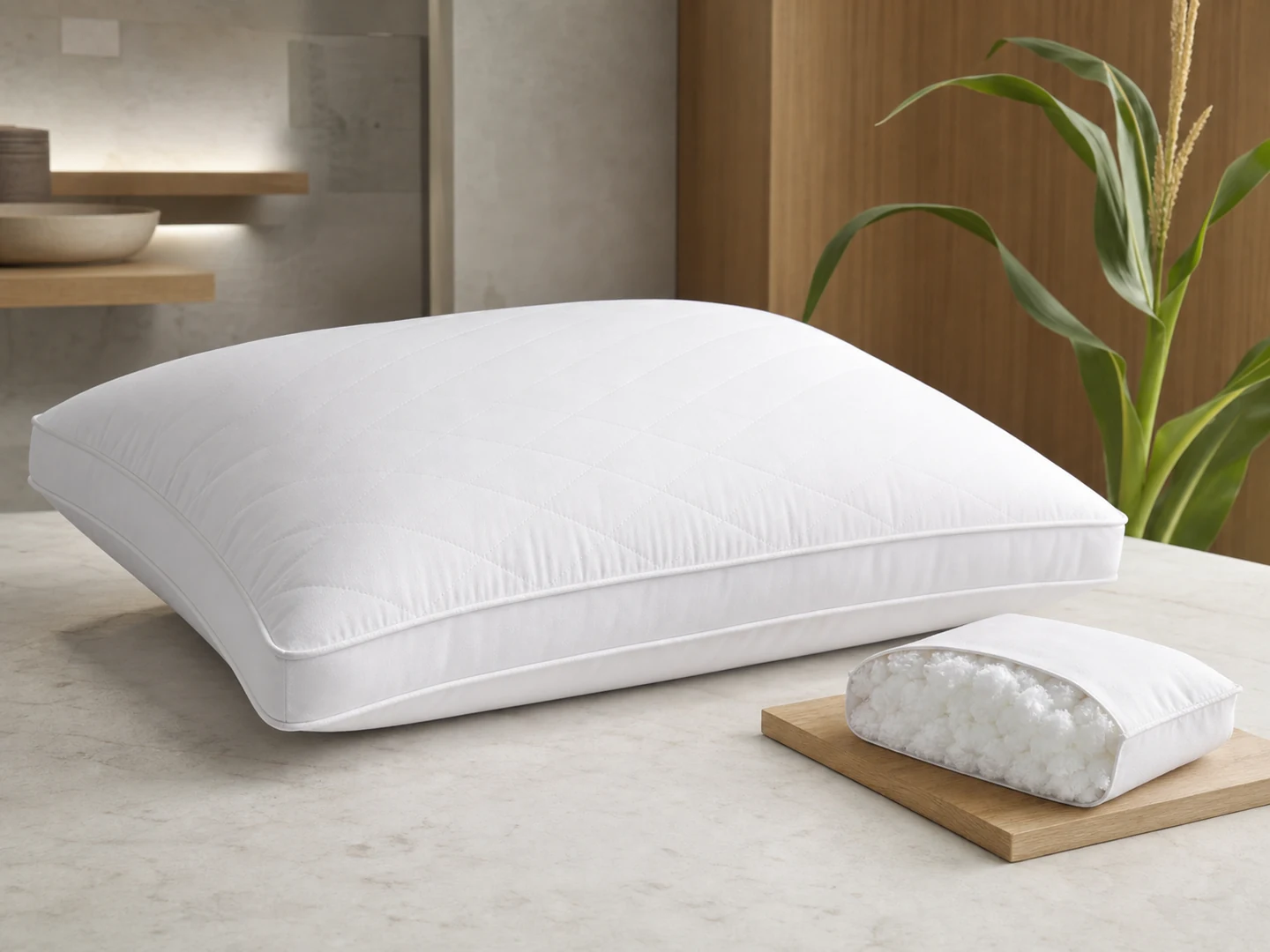
Pilling is the formation of small fiber balls or surface change caused by rubbing, fiber movement and entanglement. The result depends on fiber, yarn, fabric structure, finish and use. A grade has meaning only when the test method, cycle or endpoint, specimen condition and rating system are stated.
1. Understand what drives pilling
Fiber strength and length, blend, yarn twist, hairiness, weave or knit density, brushing and finishing all influence whether loose fibers form pills and whether those pills remain attached. Contact with sleepwear, throws or rough surfaces can also change real-use behavior.
Do not assume that one fiber name guarantees a result. Review the full construction using the fabric and weave guide, then validate the material proposed for the actual product.
2. Keep the test method comparable
Different pilling methods use different motion, pressure, abrasive material, specimen mounting and exposure. Results from different methods or endpoints should not be compared as if they were the same scale.
| Report field | Why buyers need it |
|---|---|
| Method and version | Defines apparatus, motion and rating basis |
| Cycles / endpoint | Shows exposure severity and review point |
| Specimen face | Confirms which surface was evaluated |
| Conditioning | Supports repeatable specimen state |
| Individual ratings | Shows variation hidden by an average |
| Photographs / notes | Documents fuzzing, pills and other surface change |
3. Read visual grades in context
Pilling ratings are often visual comparisons against method-specific references. Lighting, observer, specimen orientation and surface color can influence judgement. Record whether the concern is discrete pills, general fuzzing, matting or another appearance change.
A buyer acceptance level should reflect intended use, product position and agreed method. Avoid publishing a universal pass grade without product and method context.
4. Connect testing with approved material and bulk
Test the same fiber, yarn, construction, weight, finish and color direction intended for production. Keep specimen identity and lot traceable. If a finish changes after approval, assess whether pilling validation remains representative.
Incoming inspection can verify identity and selected construction fields, while periodic or risk-based testing confirms performance. See the incoming material checklist.
5. Investigate pilling complaints systematically
Collect product, lot, care history, use environment, photographs and affected area. Compare returned goods with retained material and production records. Surface deposits or fiber transfer from another textile can look different from pills formed from the product itself.
If evidence confirms a repeatable quality issue, use the CAPA framework to address occurrence and escape causes.
Never compare pilling grades without the same method and endpoint. Link the reported specimen to the approved construction and interpret appearance against the product’s intended use.