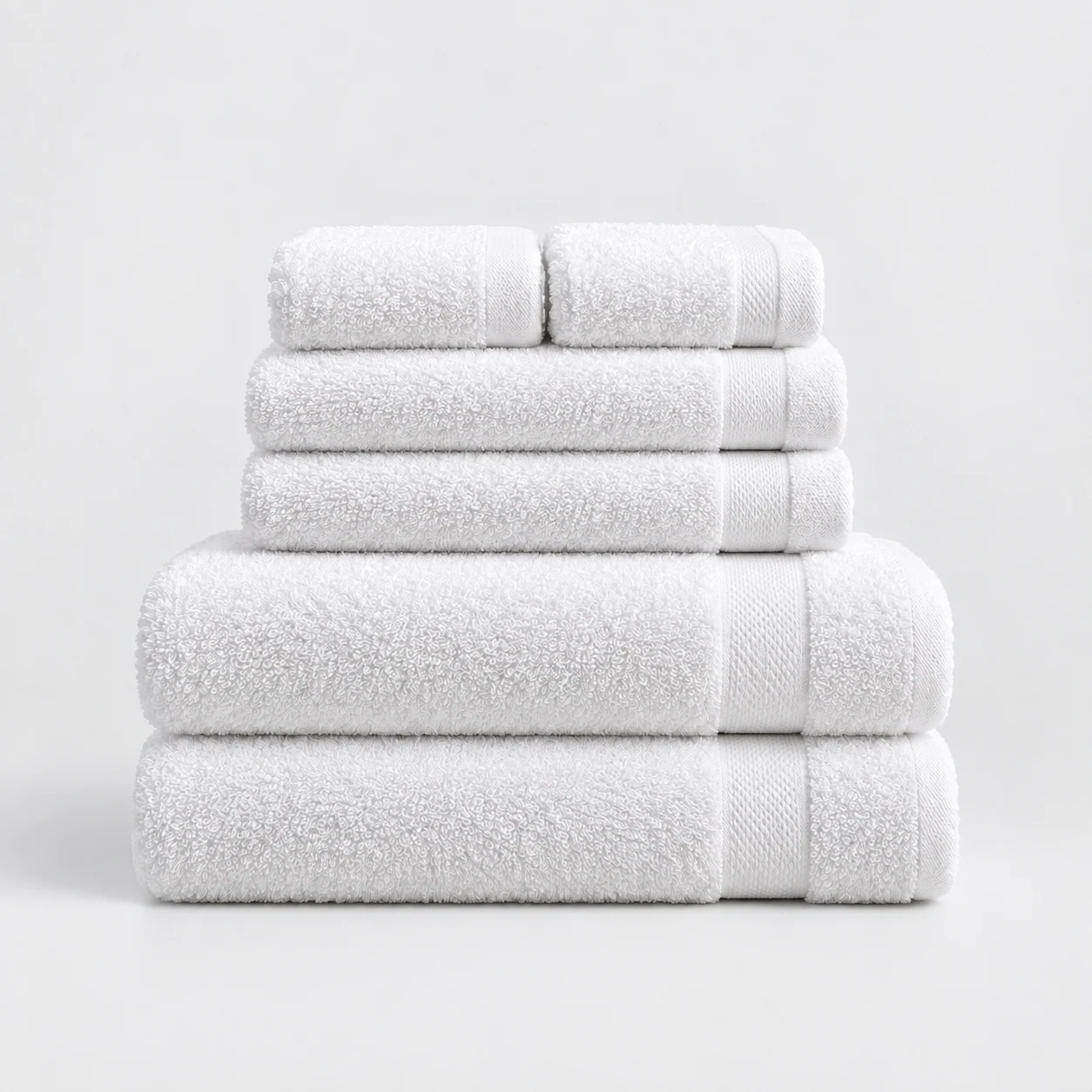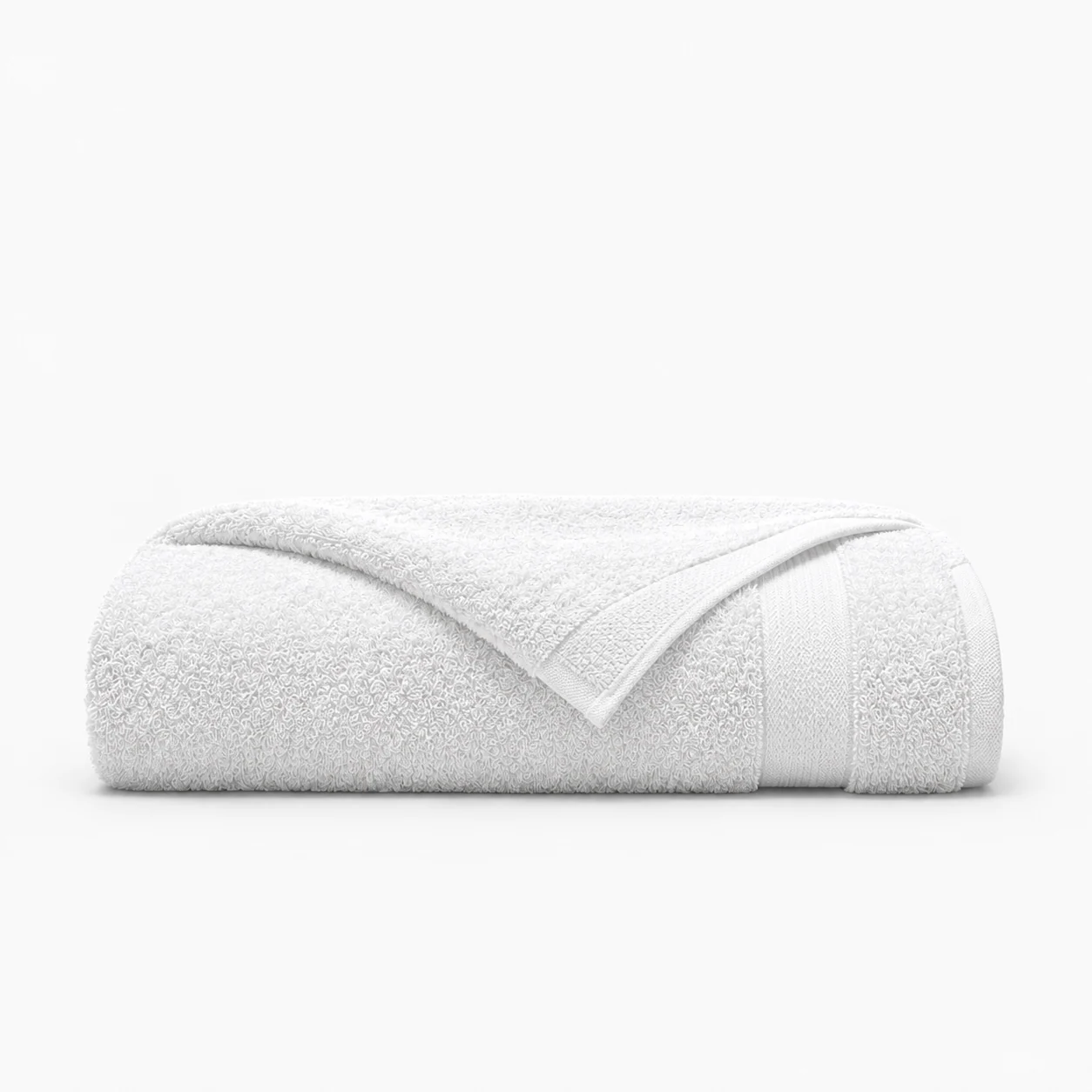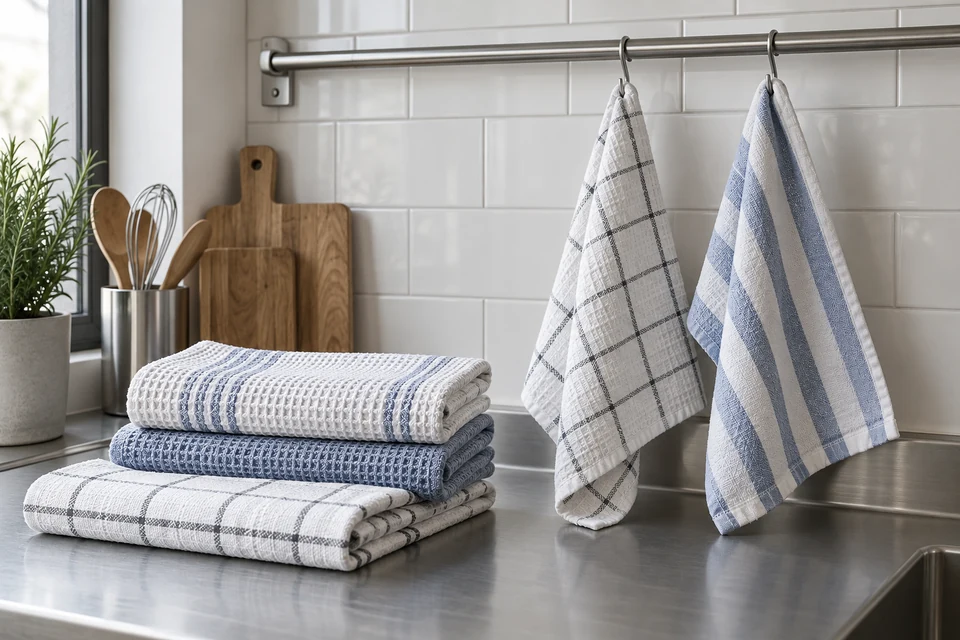
A tea towel can look like an easy addition to a home-textile collection. That can encourage a buyer to order many prints before deciding what the towels should actually do. A stronger assortment starts with the kitchen task, the likely customer and the way the item will be sold. Drying everyday crockery, handling delicate glassware and adding a decorative accent are related uses, but they need not lead to the same cloth. Decide which jobs belong in the range before expanding the color card.
Give every towel a useful role
Separate a working cloth from a decorative purchase
CBI's kitchen-linen study includes tea towels in the category and describes coordinated kitchen and table ranges. That supports considering them as a collection rather than isolated prints. It does not establish the performance of a proposed towel. Write down whether the first item is primarily a daily drying cloth, a giftable design or a companion to another kitchen textile.
Use those roles to edit the initial selection. A graphic statement towel and a quieter working companion may form a clearer offer than several nearly identical prints. If different constructions are proposed, identify each one explicitly; do not let a shared cotton label imply that their hand, surface or behavior will match. Put the range's intended tasks into the product brief before requesting prices.
- Name the primary task and the customer.
- Explain what each additional design contributes.
Compare candidates beside actual kitchenware
An attractive swatch cannot demonstrate the finished towel
Request finished samples of the offered weave, yarn, decoration and edge construction. Set up a consistent, ordinary-use comparison using clean crockery and glassware. Observe handling, how the cloth reaches corners and whether visible fibers remain on the assessed surface. Keep preparation and observation conditions comparable. Describe what happened without turning a short demonstration into a laboratory absorbency or lint-free claim.
Review both new samples and samples processed using their proposed care instructions. A heavier towel is not automatically the better choice for every task, and a visually smoother surface is not evidence of better drying. Where measurable performance is a buying requirement, agree the method and acceptance level separately. The blind sample comparison approach helps prevent an appealing print from dominating practical observations.
- Compare the same tasks after the same preparation.
- Distinguish observed behavior from substantiated performance claims.
- Retain the exact construction identity with each result.
Check the design in the positions customers will see
A full flat print and a folded retail face are different compositions
Lay the towel flat, fold it over the intended display rail and hang it from its loop if one is specified. Check which part of the design remains visible and whether directional motifs become upside down. A narrow border may disappear inside a fold; a central illustration may sit behind the pack band. Approve these views together rather than treating artwork and packaging as unrelated decisions.
Specify loop position, finished hanging opening and its relationship to the towel's orientation. Have the supplier demonstrate that the offered loop works on a representative household hook without forcing the cloth into the desired photograph. Record the actual finished dimensions and edge appearance. For shelf packs, connect the approved fold to the fold-and-pack review; the same presentation principle applies even though the product is smaller.
Build packs with a clear reason for the combination
Count the working contents, not just the visual variety
For a coordinated pack, explain whether the towels share one purpose or serve complementary tasks. List the exact count, design and construction in each sellable unit. Avoid a front image that makes one printed towel appear to represent an entire mixed pack. If a pack contains different fabrics or finishes, verify the care wording against every component before approving one common instruction.
Make an actual wrapped sample, open it and check that all included designs match the pack description. Decide which side faces outward and whether handling in store will disturb the arrangement. Keep packaging copy linked to the approved copy record. Do not describe an ordinary tea towel as heat-protective equipment or include unsupported hygiene claims merely because it sits in a kitchen range.
- Show the exact number of towels included.
- Confirm a common care route or provide clear component instructions.
Quote the assortment before multiplying the colorways
A pack minimum and a textile minimum may be different
Ask the supplier to distinguish minimums for base cloth, dyed or printed design, sewn variant and assembled pack. A combined order quantity does not necessarily make every color feasible. Request the proposed assortment quantities by sellable unit and convert them into the actual towel counts required. This exposes a design that appears repeatedly across several bundles while another is needed only in small numbers.
Start with the few combinations that explain the range best, then evaluate extensions against real sales information. The assortment and MOQ guide offers a framework for discussing concentration without assuming a fixed factory minimum. Agree how individual designs can be replenished and whether a replacement print requires the whole pack to be renamed or reapproved.
Approve the towel and its retail identity together
The last sample should explain what arrives at the store
The approval set should contain a usable cloth, a care-reviewed sample, a closed retail pack and a packing list linking designs to quantities. Note which attributes are approved and which still need evidence. Ask for a realistic sequence for cloth preparation, decoration, sewing, packing and delivery; changing a print after pack approval can affect more than the artwork file.
When contacting FY Bedding, share the target market, kitchen tasks, preferred cloth examples, pack combinations and quantities. A sample request built around those decisions gives the project a practical starting point. Material availability, minimums, decoration options and delivery timing remain subject to the specific enquiry, not assumptions taken from a retail inspiration image.
Approve a working towel, its hanging and folding views, the exact pack contents and a quantity plan that reconciles every design before releasing the assortment.
Method references: CBI: table and kitchen linen product description and range development.