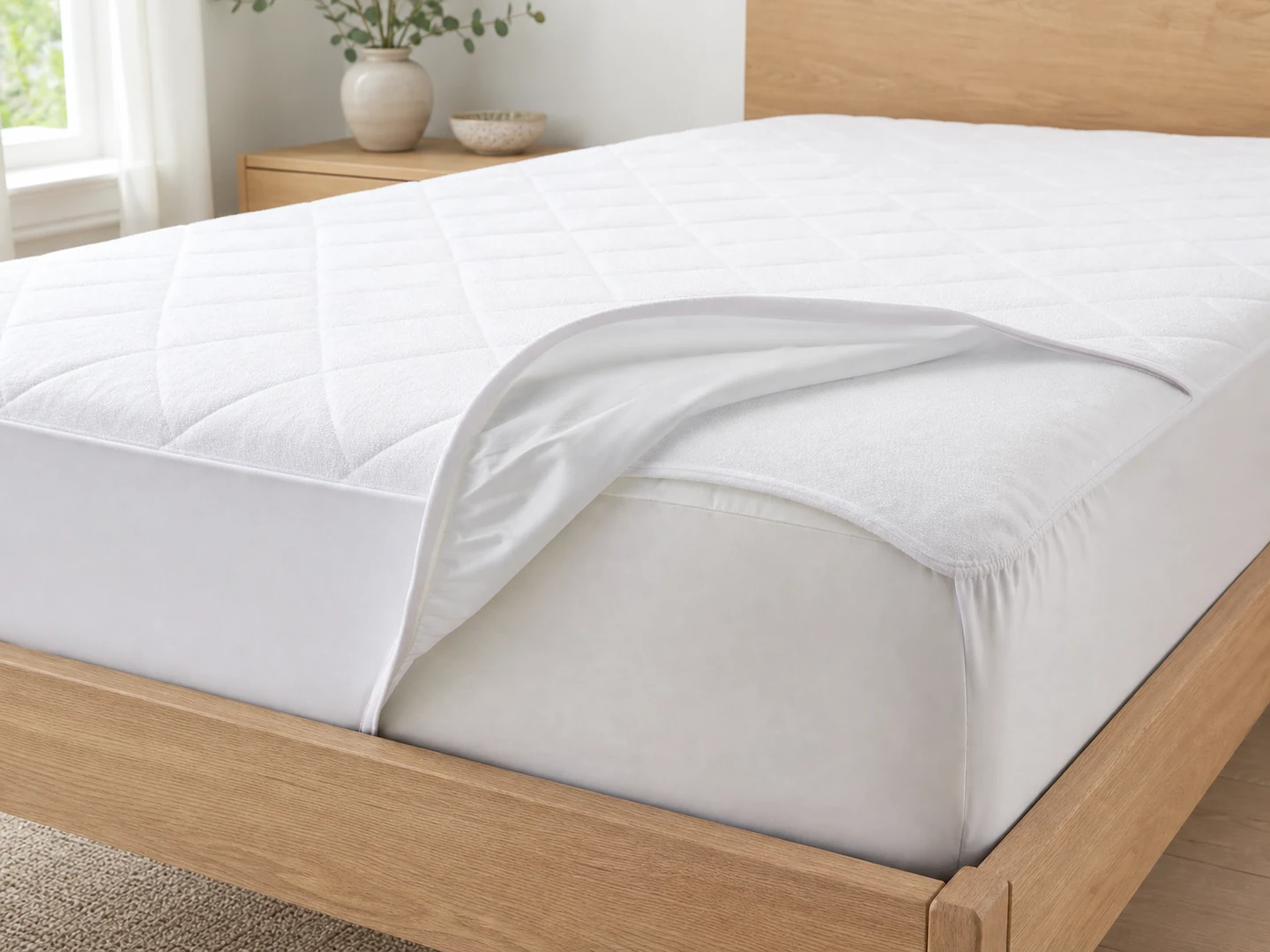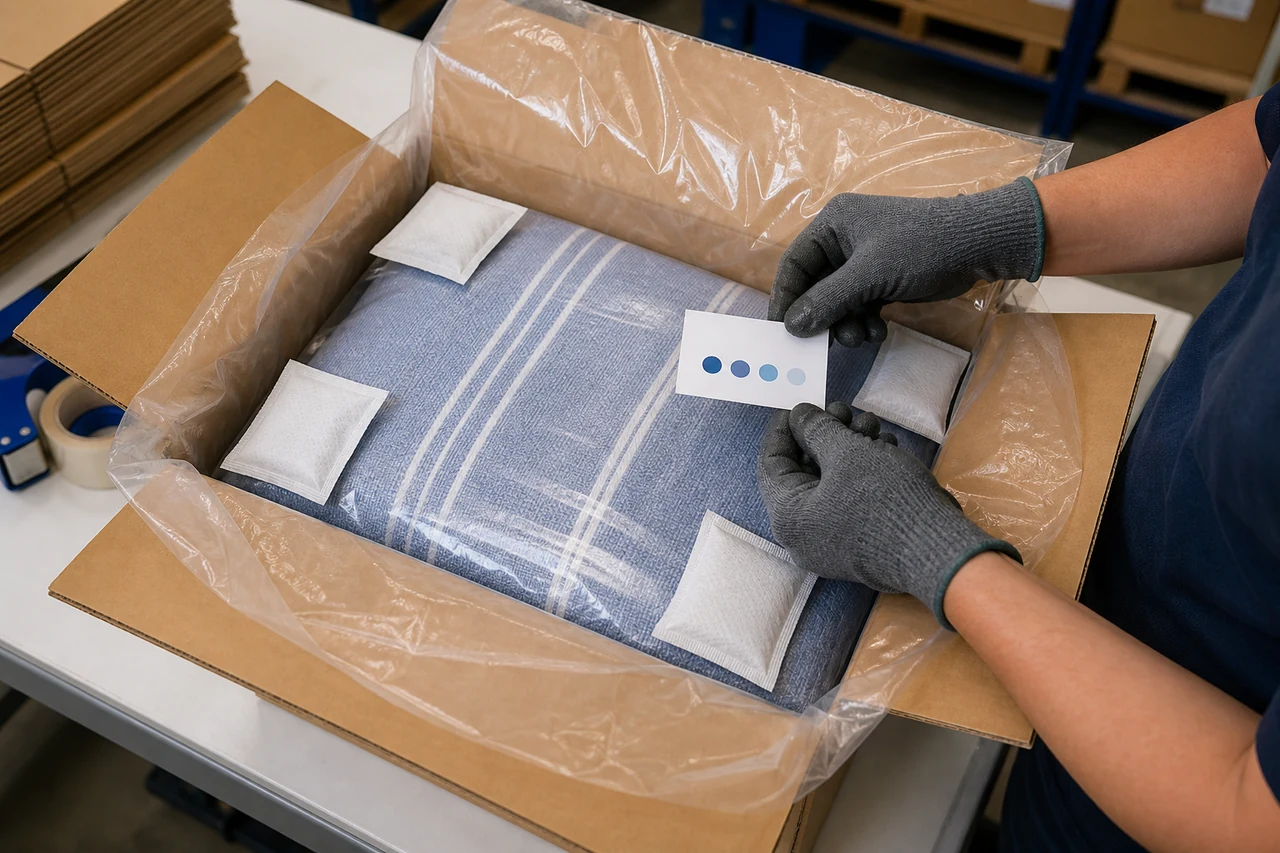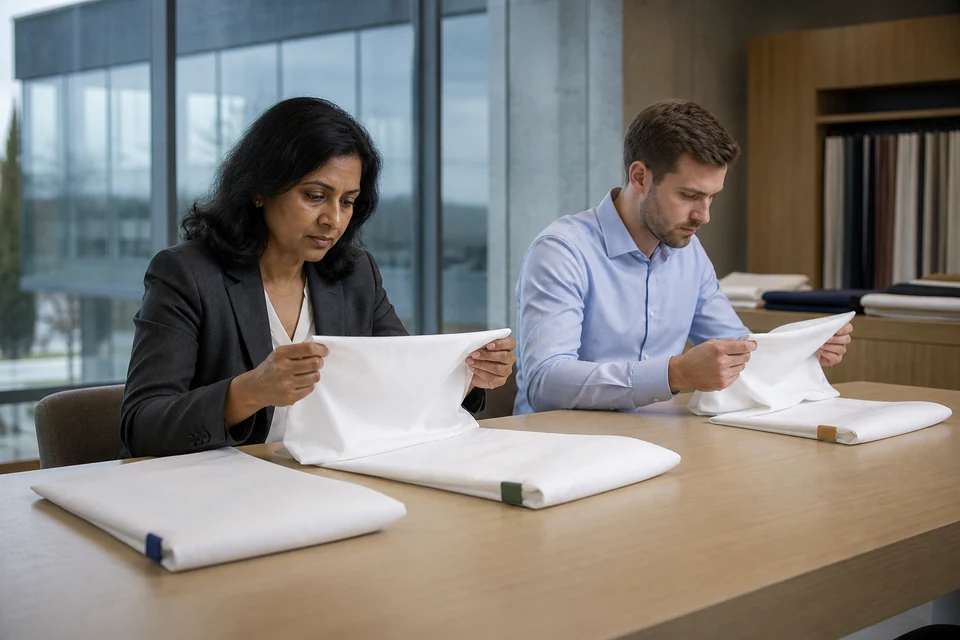
Supplier sample reviews can be influenced by a familiar factory name, an attractive presentation box or the order in which products reach the table. Blind comparison reduces some of those distractions, but it is not a substitute for traceability, testing or supplier due diligence. The useful approach is to separate the sensory and functional sample assessment from the later commercial and evidence review, then bring the results back together in a controlled shortlist decision. This guide is for comparing competing bedding candidates before a supplier is selected. It is not the same as approving a golden sample for an already chosen production route.
Define a fair comparison before samples arrive
Compare equivalent briefs or name the differences
Issue the same essential brief to each candidate, including product dimensions, materials, construction, intended care, target use and the questions the sample must answer. Record any alternatives the supplier is allowed to propose. The tech-pack guide helps make the request specific. If one supplier sends a stock item and another sends a custom prototype, label that difference in the evidence record rather than pretending the samples represent identical development commitments.
Decide which requirements are mandatory and which are preference-based. A candidate that fails a mandatory product requirement should not win simply because it scores highly for softness or packaging. Keep price and proposed lead time outside the initial blinded assessment, then review them later with their assumptions. The quotation-comparison guide supports that second stage. Blind testing improves one part of the decision; it does not make non-equivalent quotations directly comparable.
- Send a common essential brief.
- Record permitted alternatives and stock samples.
- Separate mandatory gates from preferences.
- Review commercial assumptions in a later stage.
Code samples without losing their identity
Blindness for reviewers must not mean lost traceability
Appoint a coordinator who records the supplier-to-code mapping and keeps it separate from the reviewer pack. Use neutral identifiers that do not reveal price, origin or a preferred candidate. Photograph and log each sample at receipt, noting damage or missing parts before any reconditioning. The sample receipt guide helps prevent transit condition from being confused with the supplier's intended product quality.
Apply the same agreed preparation and evaluation condition to comparable samples. Do not steam one pillowcase, wash another and judge a third straight from compression packaging unless the trial is explicitly studying those differences. The conditioning guide provides the handling framework. Where labels or distinctive details cannot be hidden without altering the product, document the limitation rather than claiming the exercise was perfectly blind.
- Keep a controlled supplier-to-code mapping.
- Record condition before preparation.
- Use comparable conditioning and handling.
- Disclose limits to the blinding process.
Design a scorecard around the buying decision
Require reasons, not just a total score
Choose criteria that can be understood and observed consistently, such as fit, construction presentation, handfeel, closure use or the result of an agreed care trial. Define the rating descriptions before review and explain what evidence belongs in each field. The product-testing plan should handle measured or laboratory requirements separately. A preference score is not a replacement for a missing test result, and a high average should not erase a critical unresolved concern.
If criteria are weighted, agree those weights before the identities are revealed and retain the unweighted observations. Ask reviewers to record a short reason and the location of any problem so the supplier can understand what would need improvement. Avoid adding several nearly identical softness categories that unintentionally dominate the total. The scorecard should reflect the actual hotel or retail decision, not reward whichever sample looks most impressive on a conference-room table.
- Define observable criteria and rating descriptions.
- Keep test evidence separate from preference scores.
- Approve weights before identities are revealed.
- Require a reason for significant ratings.
Run independent review before group discussion
Control order effects and record disagreement
Allow each reviewer to assess the coded samples and record an initial opinion before a group conversation. Vary or document the presentation order where practical, and use the same handling opportunities for each candidate. A dominant voice should not become the unofficial acceptance standard. For hospitality fit or use questions, the mock-up room record can capture the actual setup so the review does not rely only on a tabletop impression.
After individual scoring, discuss material disagreements rather than averaging them away immediately. A housekeeping reviewer may identify a functional issue that a design reviewer did not encounter. Retain both observations and decide whether another controlled trial is needed. If the group changes its conclusion, record why. The value of the exercise lies in making the decision explainable, not in manufacturing a unanimous result or a mathematically precise ranking from subjective impressions.
- Record independent opinions before discussion.
- Control or document sample presentation order.
- Give candidates equivalent handling opportunities.
- Investigate important disagreements.
Reconnect scores with supplier evidence and commercial scope
A strong sample earns a review, not automatic qualification
Reveal the supplier identities only after the sample record is complete, then combine it with capability, traceability, document and commercial reviews. Use the supplier-qualification checklist to examine the proposed production route and evidence. The sample may have been made outside the intended bulk process, so ask how its construction will be reproduced and which pre-production approvals are still required before awarding quantity.
Keep the final shortlist rationale, unresolved questions and next sample request together. The selected candidate should then enter a separate golden-sample approval workflow; do not treat a comparative review sample as a complete production release. Send FY Bedding a sourcing brief with the common specification, comparison criteria and evidence expectations so the proposed sample route can be evaluated on the same basis as other candidates.
- Complete the blinded record before revealing names.
- Review production-route and document evidence.
- Record unresolved questions in the shortlist.
- Use a separate production-sample release gate.
Can the shortlist be explained from independent observations, mandatory requirements and supplier evidence without relying on the brand name or an unexplained total score?