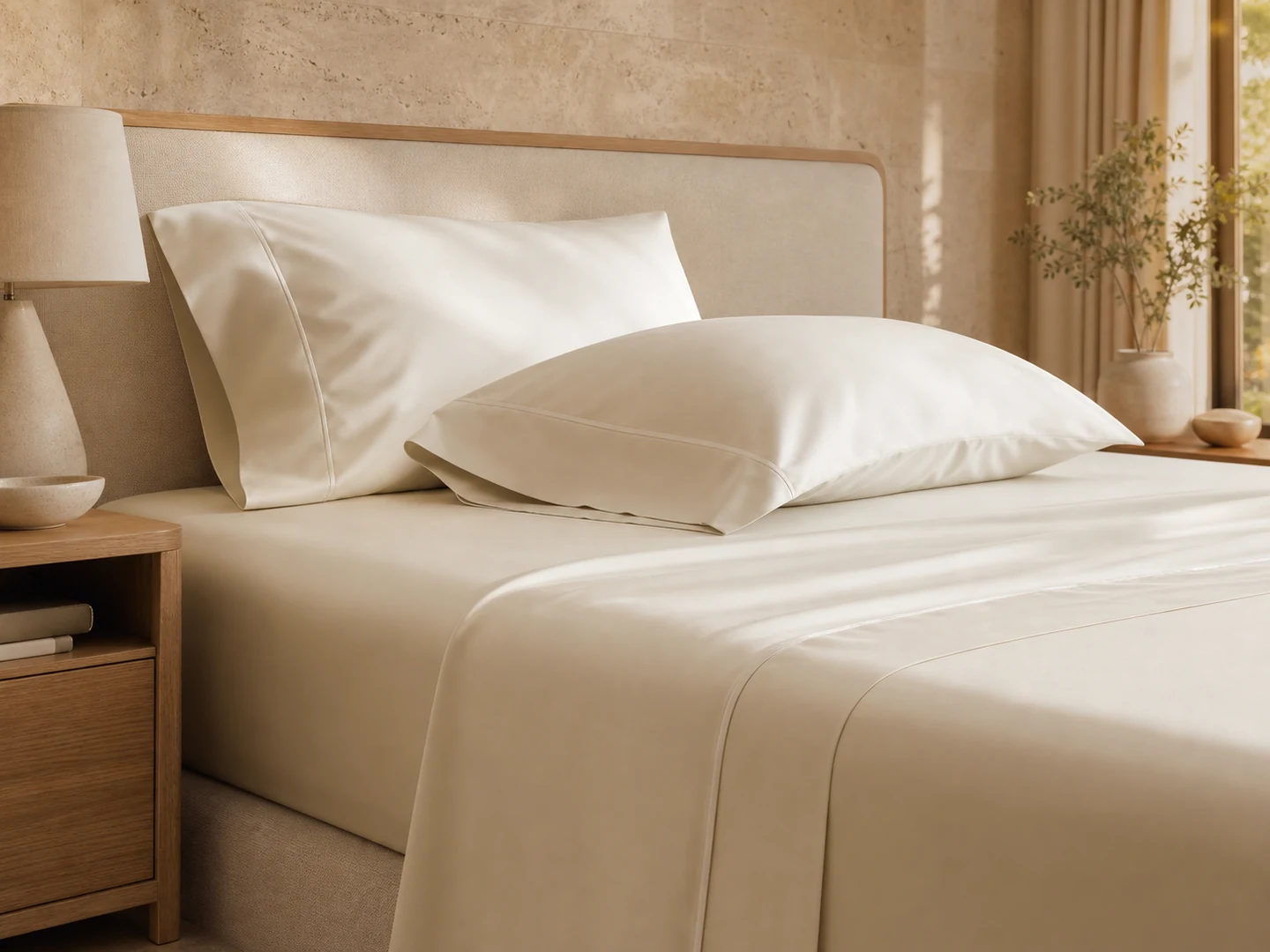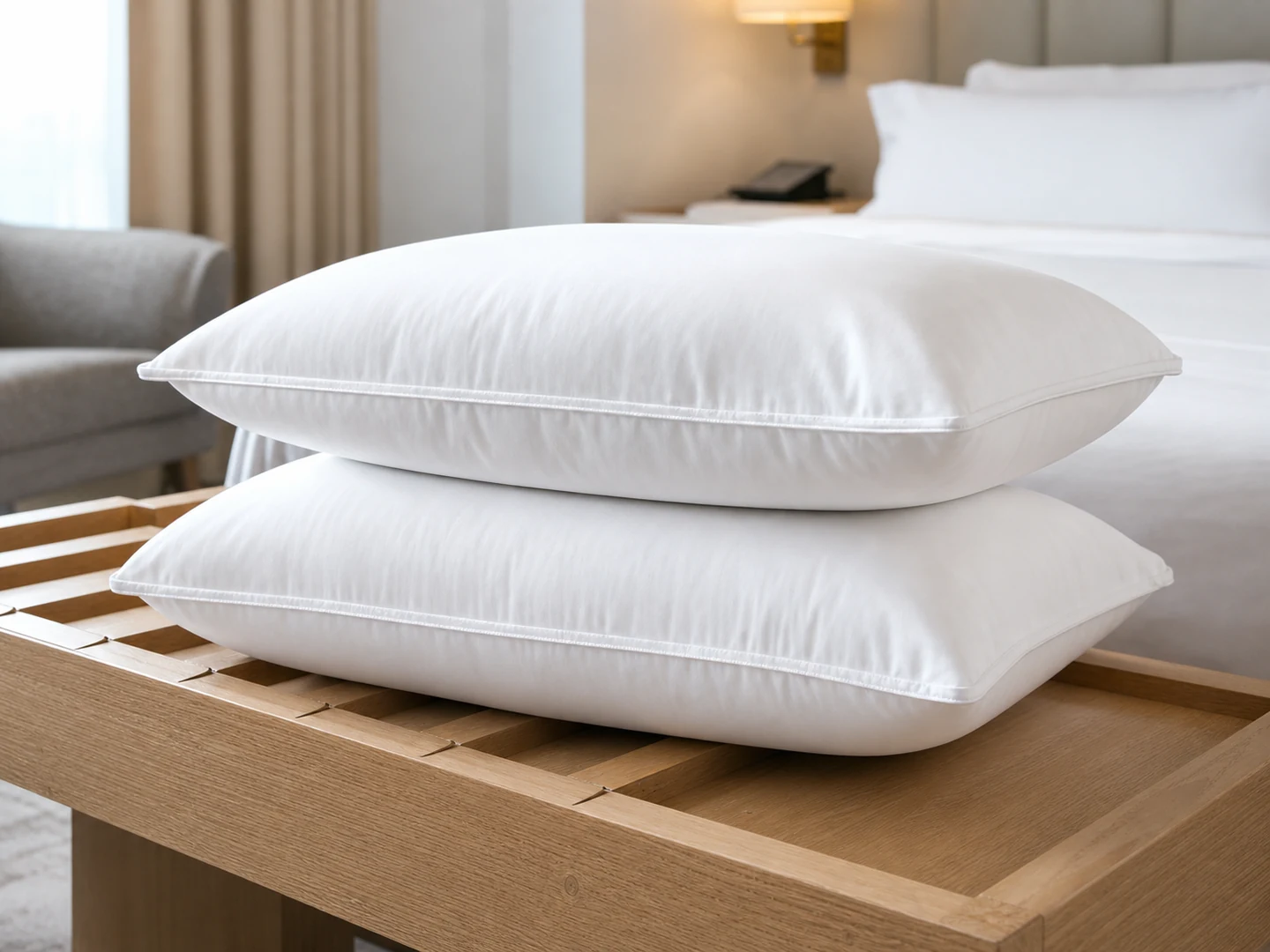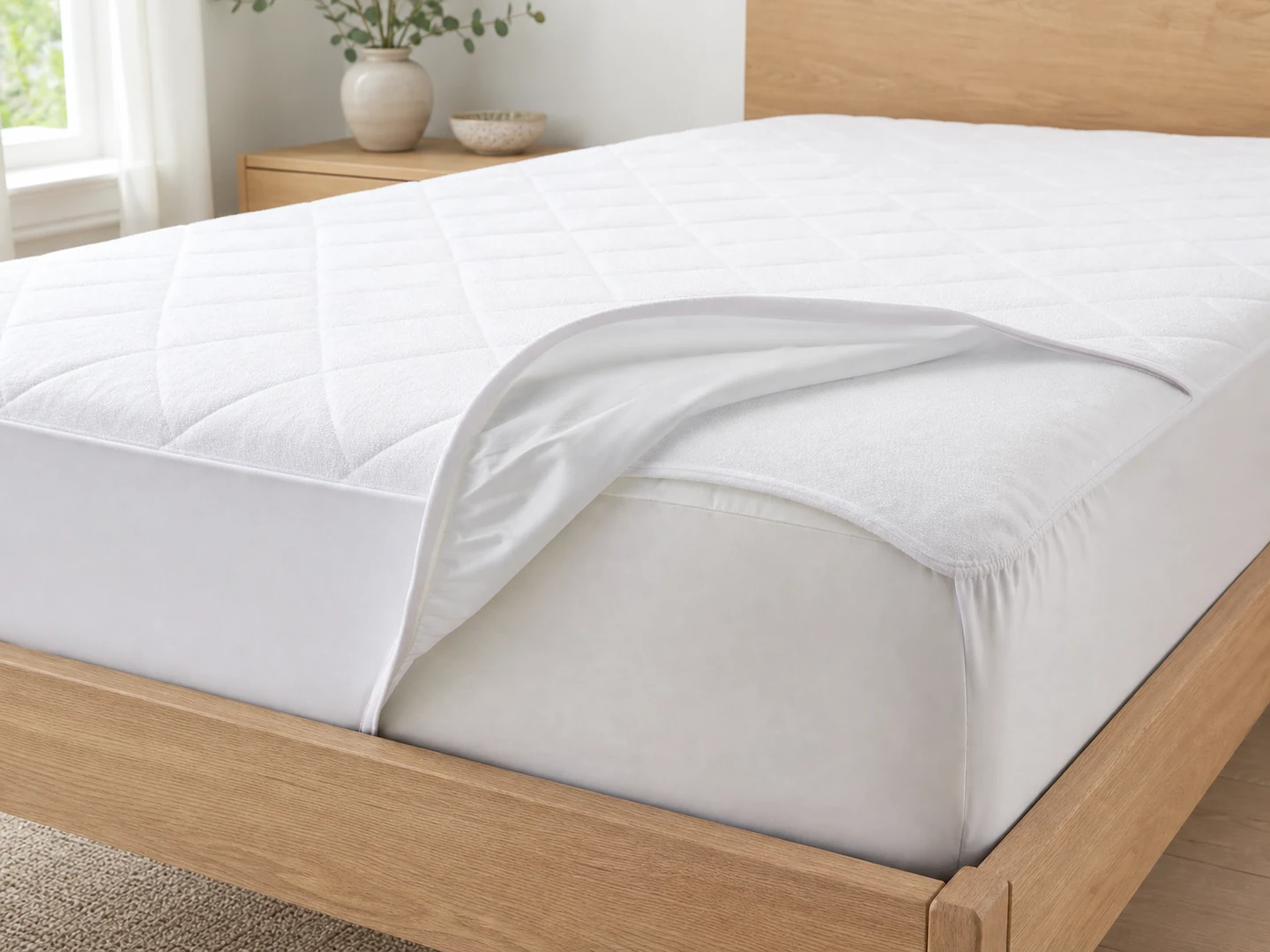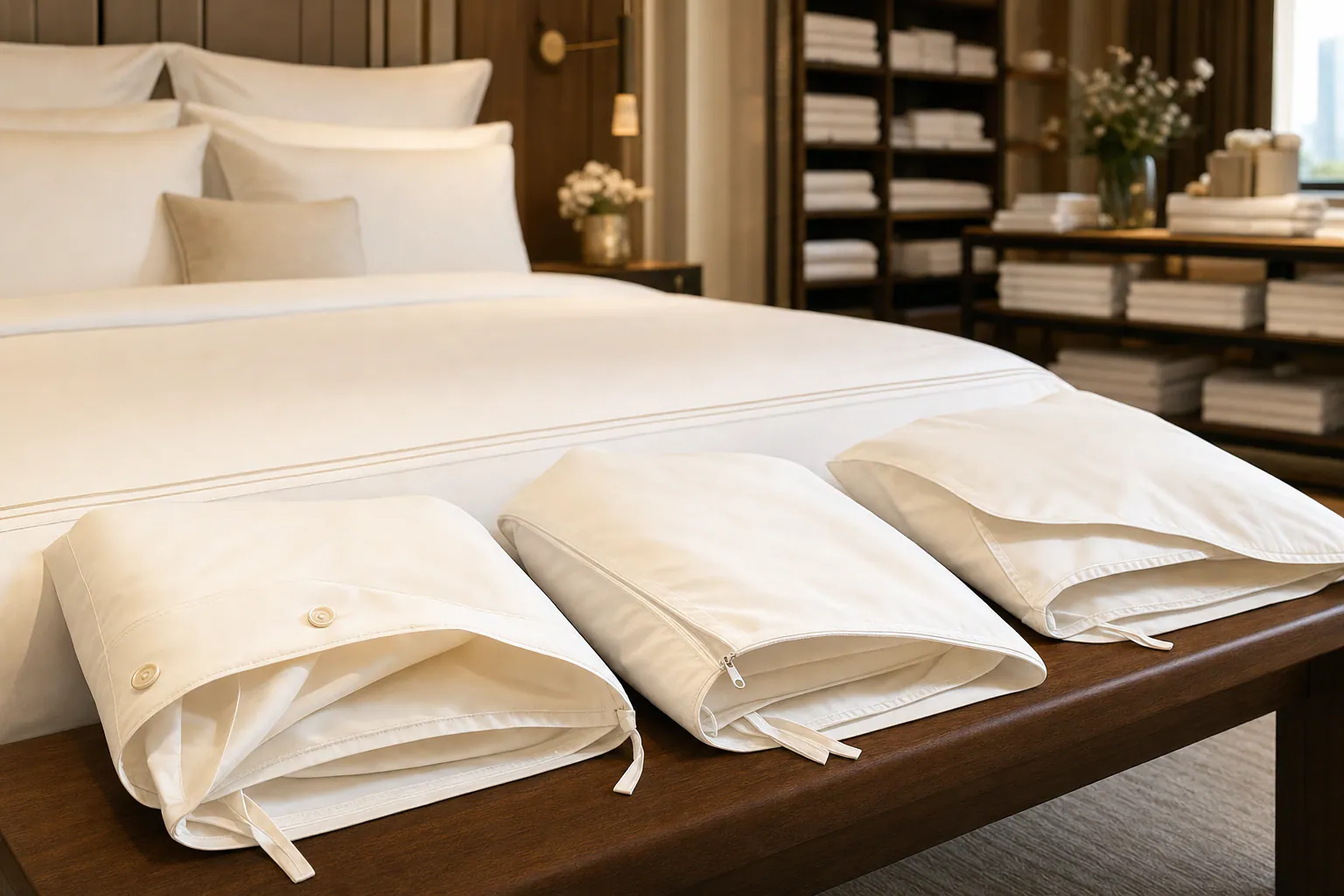
A hotel mock-up room turns separate textile samples into one operating guestroom. It shows whether bed sizes, linen constructions, pillow combinations, decorative items and curtains work together at installation scale. The approval record should capture what was actually reviewed, which decisions were made and which actions remain open. Without that discipline, a visually successful room can still send incomplete or obsolete instructions into bulk production.
Define the mock-up room scope before installation
Name the room type, product set and decision authority
Start with one controlled room-type brief. Identify the bed platform, mattress dimensions, topper if used, bathroom arrangement, window treatment and every textile item included in the review. Connect the session to the hotel opening procurement timeline so the team knows which decisions must be final before material booking, sampling or production release.
List who may approve appearance, technical fit, housekeeping usability and commercial changes. Design, procurement and operations may view the same item differently, so the record should distinguish a preference from a release decision. If several properties or room types share a program, state whether the mock-up approves all of them or only one defined configuration. Never extend one room approval to untested sizes or constructions without a documented assessment.
- Identify the exact room type and bed configuration.
- List every textile SKU included in the review.
- Assign approval authority by decision category.
- Record exclusions, assumptions and untested variants.
Control the identity of every installed sample
Prevent approved appearance from being linked to the wrong specification
Each installed item should carry a sample or revision reference that connects it to the current specification. Record product name, size, material, color, construction revision and supplier sample identity. A room photo alone cannot prove which sheet pocket, duvet fill, pillow firmness or curtain lining was present. Use the reorder specification control principles even at the first approval so later replacement orders have a reliable baseline.
Confirm that the room's mattress and bed base match the dimensions used during development. Sheet fit and duvet drop can look wrong because the foundation differs from the brief, not because the textile is defective. Where a property uses more than one bed size, reconcile the room matrix with the hotel linen size-standardization plan and identify which mock-up evidence applies to each size.
- Attach sample and revision references to each item.
- Verify mattress, topper and bed-base dimensions.
- Separate shared constructions from size-specific approvals.
- Photograph labels and room placement without exposing guest data.
Review fit, presentation and operating use together
Test the room as housekeeping will prepare it
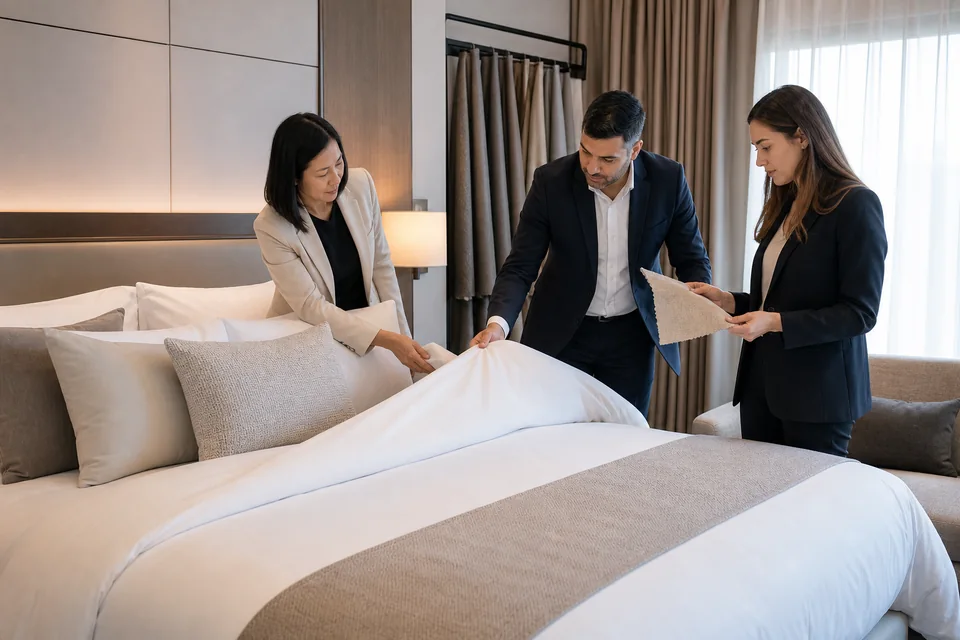
Inspect fitted-sheet tension, flat-sheet coverage, duvet alignment, pillowcase fit, decorative-layer placement and curtain behavior from normal room viewpoints. Then remake the bed using the planned housekeeping sequence. The hotel bed-making time trial helps the team separate a striking presentation from a construction that is difficult to repeat across rooms and shifts.
Ask housekeeping to note excessive lifting, awkward closures, unclear orientation, unstable decorative pieces and components that are easily mixed between sizes. Review those findings against the housekeeping-friendly design checklist. A mock-up decision should balance appearance, guest comfort, service method and laundry handling rather than allowing one stakeholder's first impression to settle the entire specification.
- Check fit from head, side and foot of the bed.
- Complete at least one realistic bed-making sequence.
- Record orientation and size-identification difficulties.
- Separate visual comments from operating constraints.
Capture measurable and visual approval evidence
Use a repeatable record instead of an informal photo album
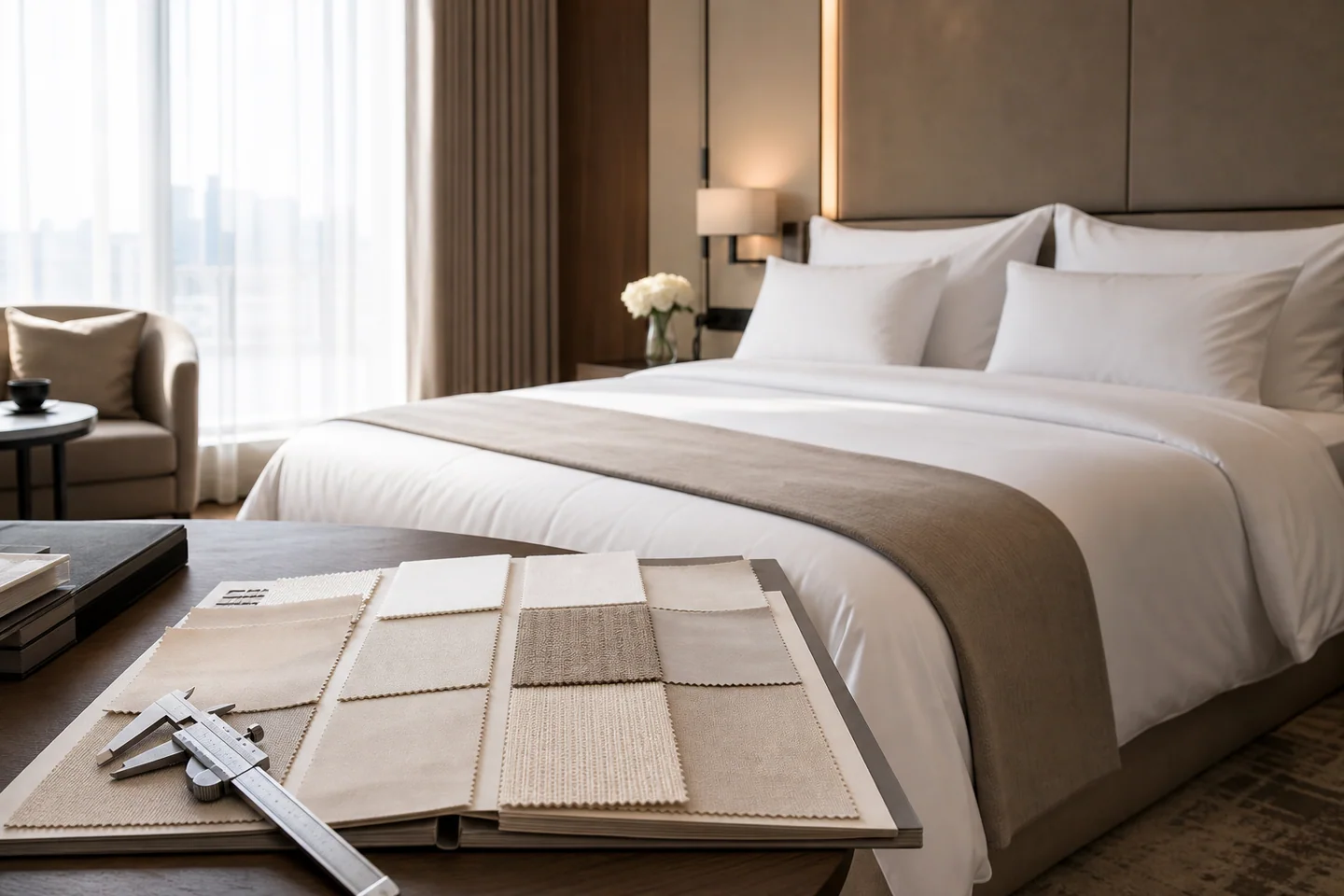
The record should combine room overview photos, defined close-ups, actual fit observations, measured dimensions where relevant and written decisions. Use consistent camera positions for the bed, bathroom and window so revised samples can be compared fairly. If samples have been laundered, identify the wash route and cycle count; the hotel linen wash-trial guide provides a separate route for performance and lifecycle review.
Do not treat a mock-up image as proof of durability, fiber content, compliance or long-term service behavior. Link each claim or performance decision to its own suitable evidence. The physical items that define color, hand or construction should enter the golden-sample approval workflow with custody and revision control, rather than remaining unidentified in a room after the meeting.
- Use fixed overview and close-up photo positions.
- Record actual measurements beside visual decisions.
- Identify laundering status and sample condition.
- Link claims to separate evidence by scope.
Close actions before bulk or property handover
Turn comments into owned, dated and verified decisions
Classify each observation as approved, approved with a defined action, rejected or pending further evidence. Name the owner, due date, sample or document required and decision impact. A verbal promise to adjust drop length or pillow fill is not a production instruction. Revised items should return through the relevant sample gate before the pilot production and bulk-release decision.
Before opening delivery, issue a controlled room-type textile matrix and confirm that packing, allocation and installation instructions use the approved revisions. The floor-delivery reconciliation plan can then connect the approved room set to actual quantities received. Keep unresolved aesthetic preferences separate from release-blocking technical issues so the schedule reflects real decision risk.
- Give every open item an owner and due date.
- Require revised evidence for specification changes.
- Issue one controlled room-type textile matrix.
- Verify closure before bulk and handover release.
Select one textile visible in the mock-up room and confirm that the team can trace its installed sample, revision, fit decision, evidence, open actions and final bulk instruction without relying on memory.