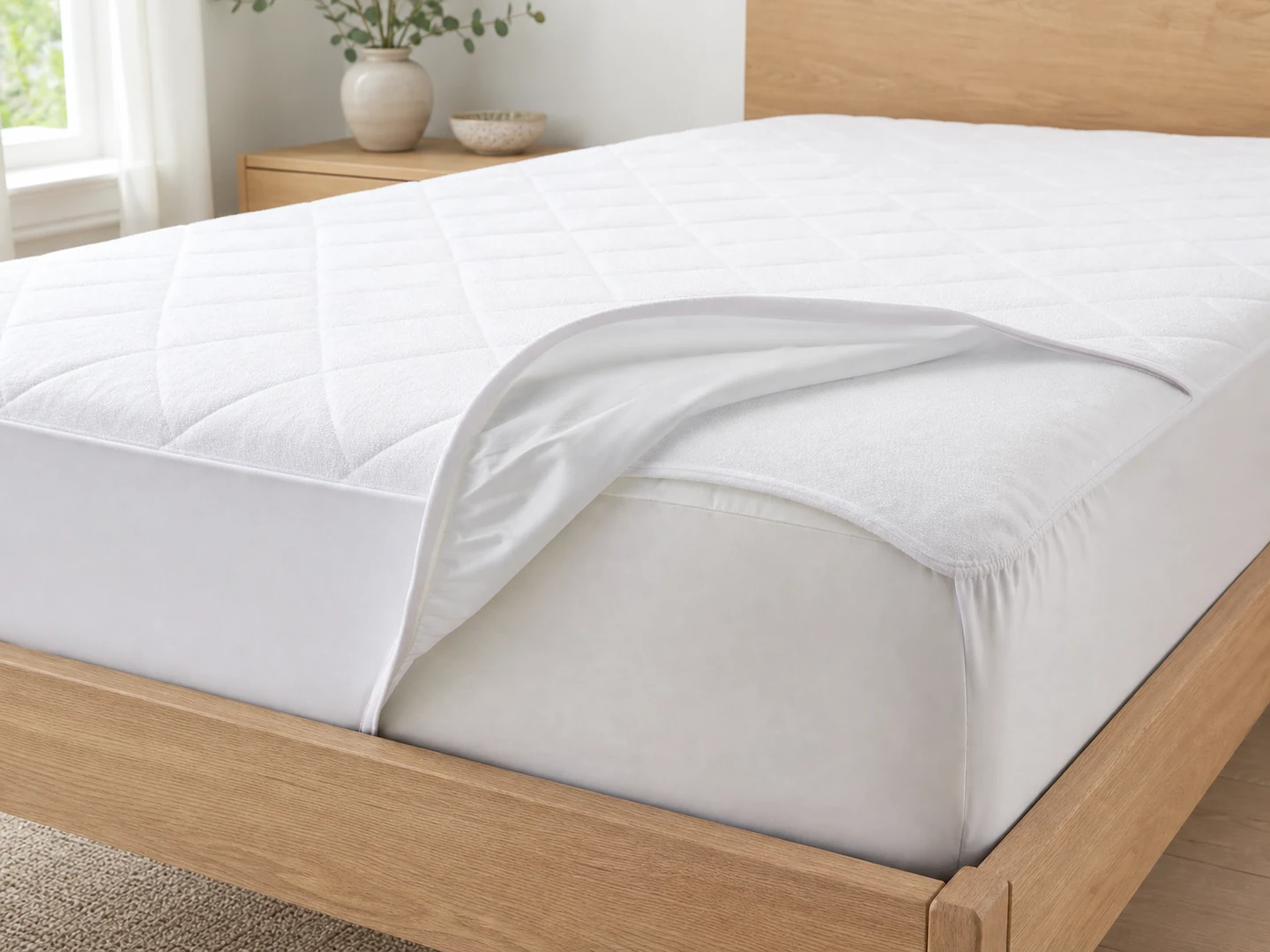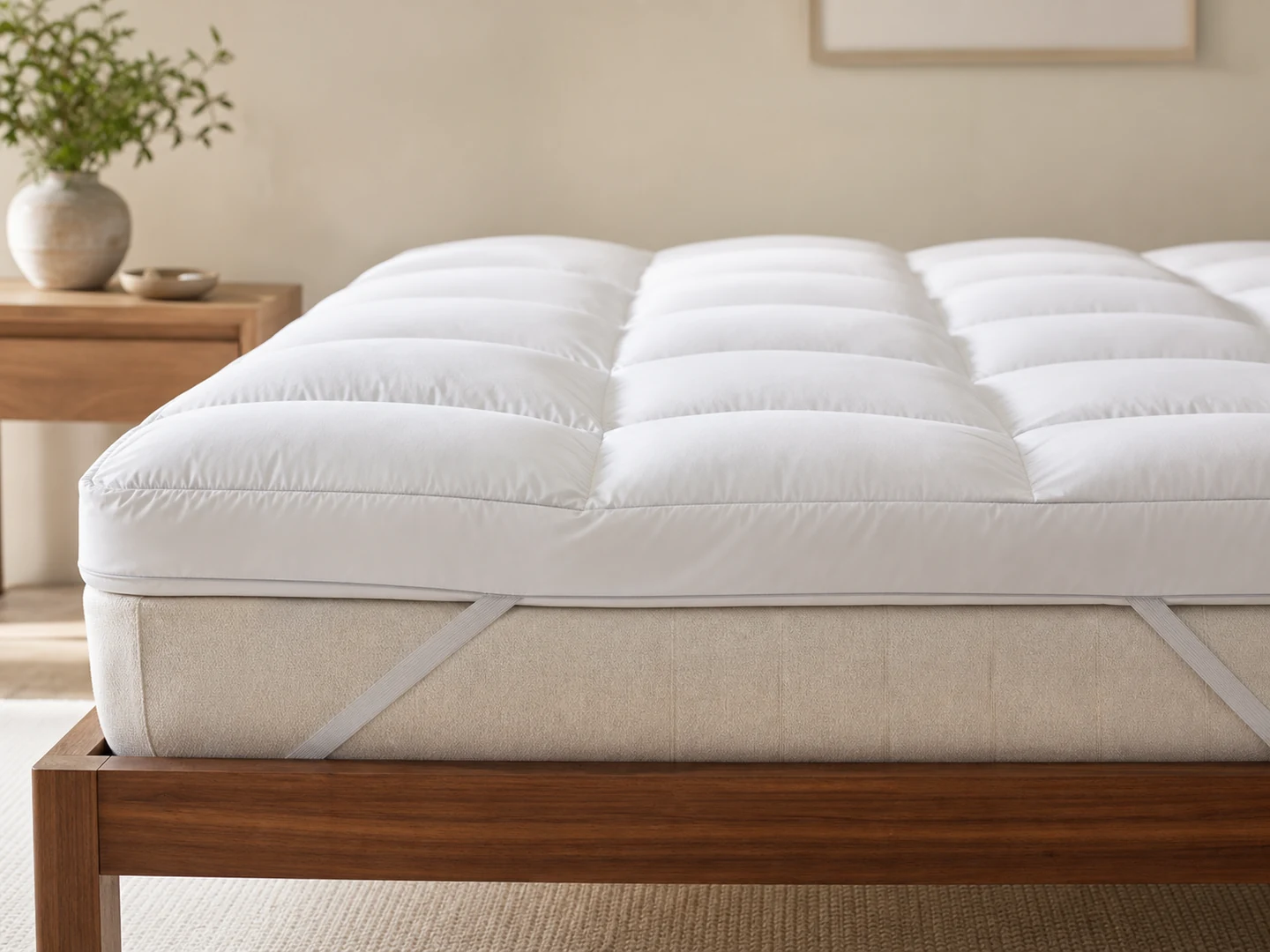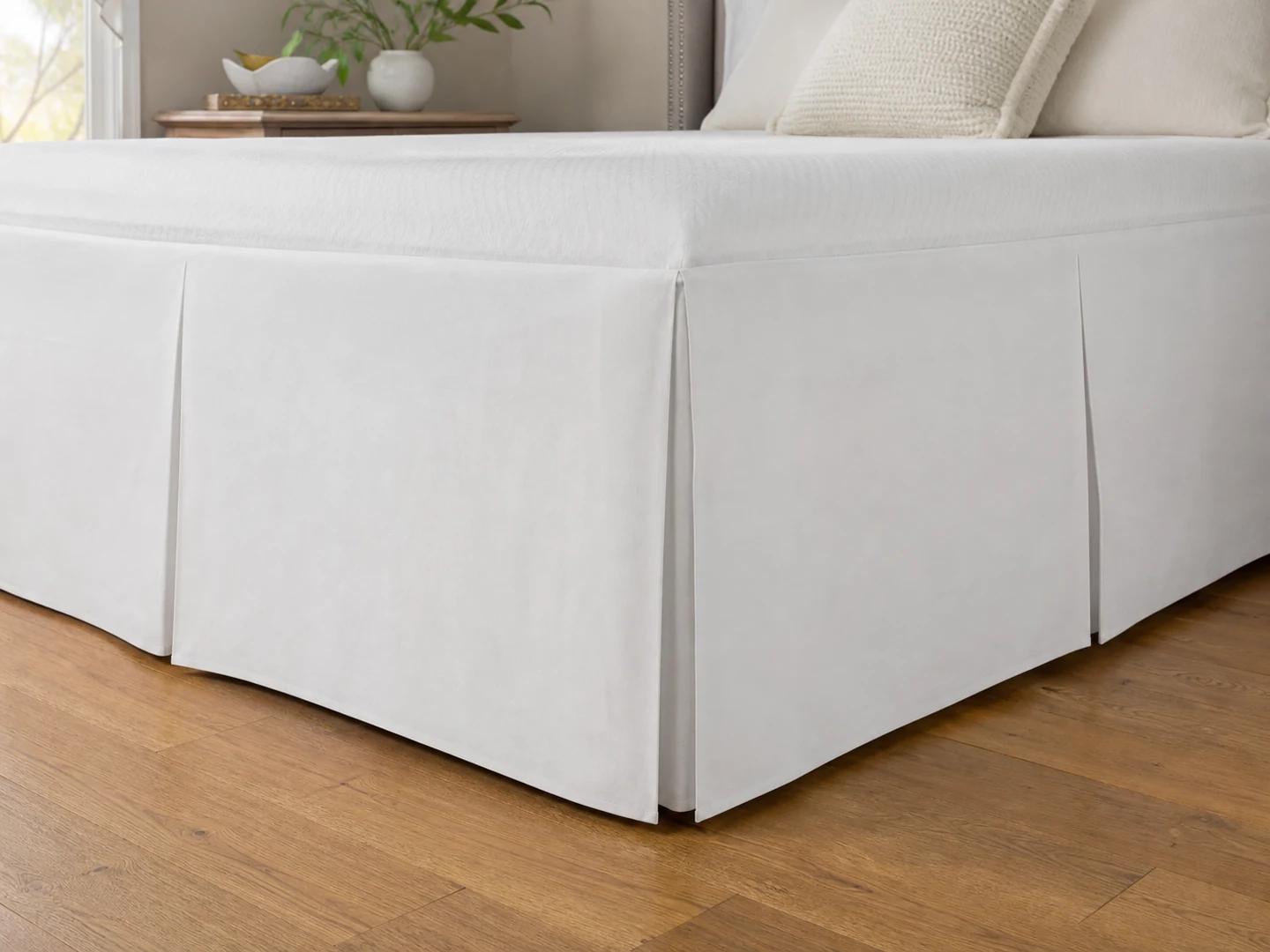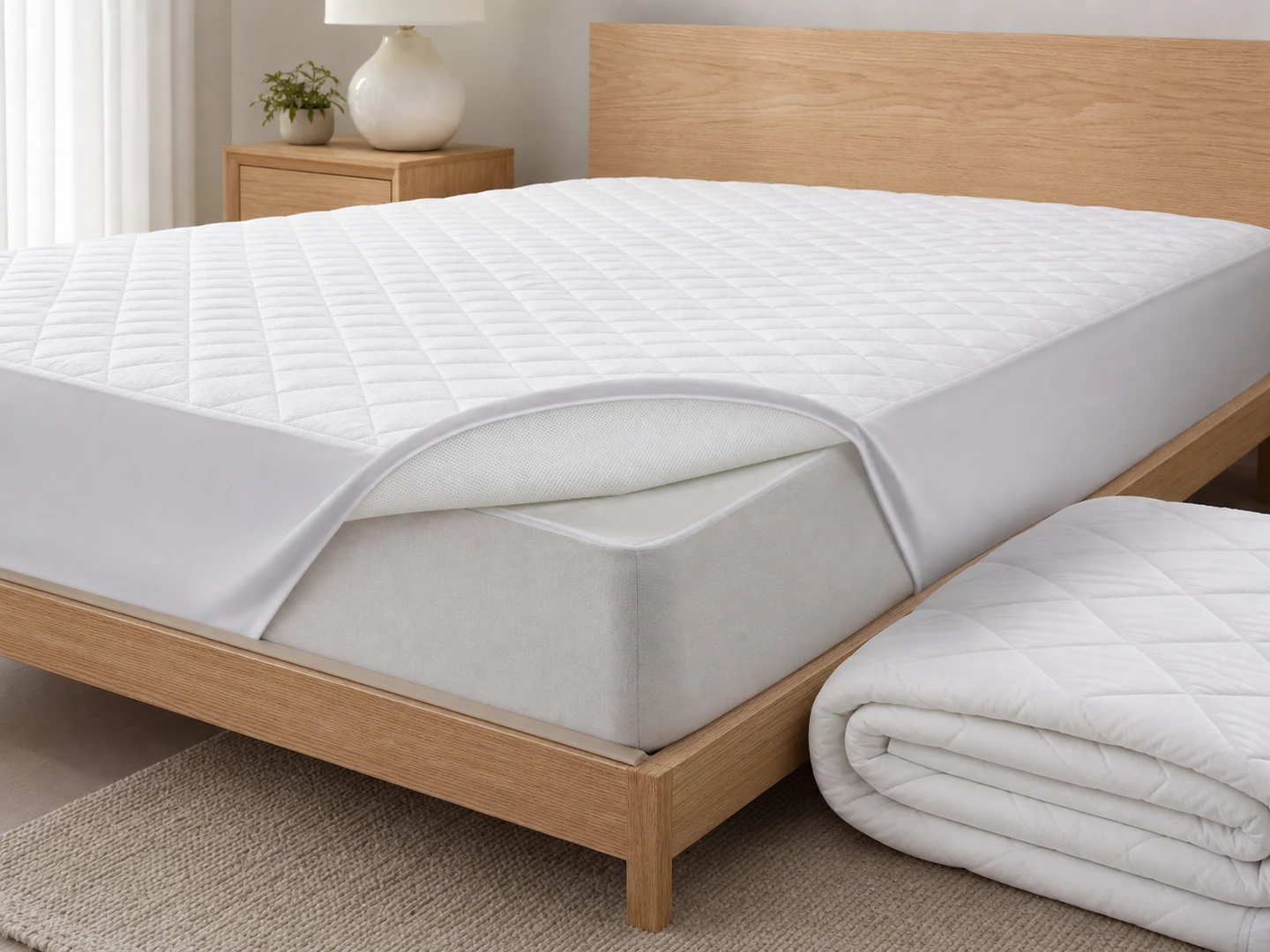
A mattress protector sits between guest comfort, housekeeping practice and asset protection. The right procurement brief defines the whole construction—top fabric, barrier, skirt, elastic, fit and wash process—rather than asking only for “waterproof.”
1. Choose the protection format
Decide whether the program needs a fitted-sheet protector, a five-sided encasement or a full zippered enclosure. Match the format to housekeeping time, mattress risk and replacement procedure. The waterproof mattress protector program is a useful fitted-sheet starting point.
2. Lock the fit and construction
- Exact mattress length, width and depth
- Top fabric composition and finished weight
- Barrier material and lamination construction
- Skirt fabric, pocket depth and elastic method
- Seam placement and edge finish
A protector that is technically waterproof but pulls off the mattress is not fit for purpose. Fit should be checked after the intended wash and dry process. Compare related constructions in the mattress pads and toppers collection.
3. Evaluate comfort and housekeeping handling
Review surface hand, noise during movement, airflow direction, bulk under the fitted sheet and ease of installation. Ask housekeeping to trial the sample on the actual mattress and topper combination.
4. Define the relevant test plan
Depending on the intended claim and market, the plan may cover hydrostatic resistance or another agreed barrier method, dimensional change, appearance after laundering, seam performance and material composition. Do not transfer a supplier’s result from a different construction without checking scope. See the product testing plan guide.
5. Plan labeling and replacement stock
Use durable size identification, clear care labels and carton assortment that helps housekeeping issue the correct protector. Record the approved construction for repeat orders and consider a controlled replacement stock rather than mixing materially different protectors across the property.
Approve the protector on the real mattress after the intended laundry process. Fit, noise and handling are as important to operations as the barrier claim.