Mercerized cotton can appear in a bedding quotation as if it were a complete material specification. It is not. The buyer still needs to know what was treated, at which stage and how the description connects to the offered cloth. A lustrous photograph cannot answer those questions. Start by asking whether the proposal concerns treated yarn used to make the fabric, treatment of the fabric itself, or another precisely described route supported by the supplier's records.
- 1. Replace the adjective with a process-stage statement
- 2. Define the scope within the offered construction
- 3. Ask for evidence that can be connected to the sample
- 4. Compare the finished cloth on its own merits
- 5. Align the quotation with the description you intend to publish
- 6. Freeze the agreed material identity for future orders
Replace the adjective with a process-stage statement
Find out what the supplier is describing
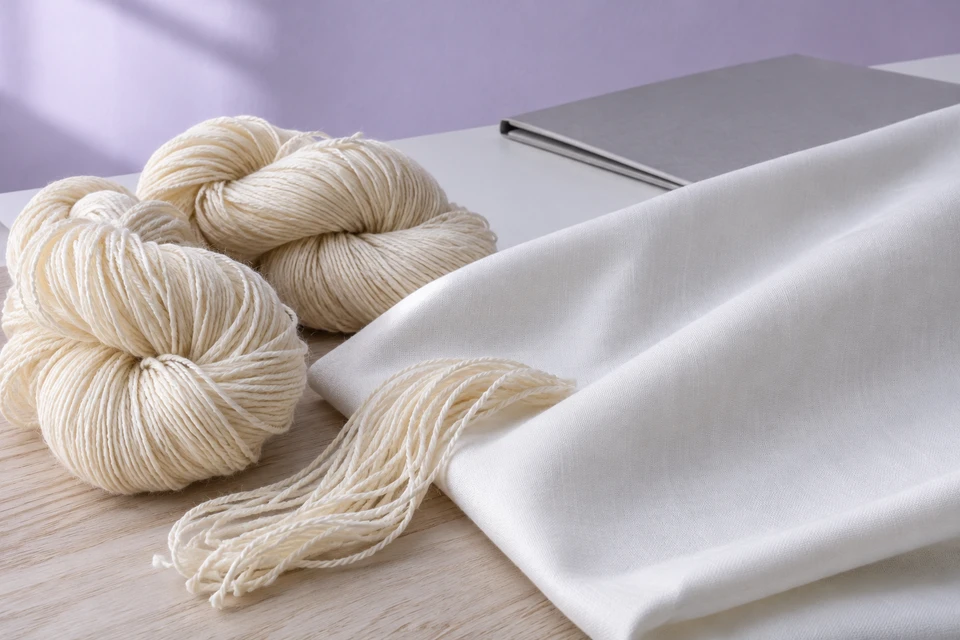
CottonWorks' yarn entry describes cotton yarn treated before weaving, while its dyeing-preparation guidance also discusses mercerization of the textile substrate. These references establish why the stage needs clarification; they do not verify the route used for a particular bed-linen offer. Ask for a short statement naming the treated material and its place in the proposed production sequence. The buyer is seeking an understandable sourcing description, not a chemical recipe or permission to reproduce an industrial treatment independently.
Avoid rewriting a supplier's uncertain answer into a stronger claim. If the salesperson only knows that the mill calls the fabric mercerized, request confirmation from the responsible technical contact. Keep the commercial decision open until the terminology is clear enough to match the proposed sample and quotation. A supplier may legitimately offer a different route from another bidder, but the difference should be visible in the comparison. Similar adjectives on two price sheets are not evidence that the processes or resulting fabrics are equivalent.
Define the scope within the offered construction
One component does not automatically describe every component
Record the fibre declaration, yarn information and fabric construction separately from the treatment description. For a multi-component bedding product, identify which cloth or component the statement covers. A duvet face, reverse, trim and pillowcase may not all share the same material route. Do not extend an explanation about one yarn or one fabric to the entire set without confirmation. The resulting specification should let a reviewer point to the affected material and understand where the claim begins and ends.
If the supplier distinguishes warp and weft yarn routes, retain that distinction in the technical record instead of reducing it to a broad marketing adjective. Likewise, ask about any proposed substitution rather than assuming that an apparently similar cotton yarn preserves the original process description. The objective is traceability between the offered construction and the statement used to sell it. It is not to insist that every supplier follow one preferred stage or to imply that a more complicated route is automatically a better purchasing choice.
Ask for evidence that can be connected to the sample
General brochures are background, not lot records
Request the appropriate supplier declaration and supporting production or material records for the offered fabric. The necessary detail depends on the purchasing claim and the parties' agreed disclosure scope. A generic mill presentation may explain available processing routes, but it does not identify which one produced the sample in front of the buyer. Ask the supplier to link the sample code, material reference and stated route. Where the document concerns a yarn input, make that relationship visible rather than presenting it as a finished-set certificate.
If a specific verification method is required, ask a competent laboratory or technical specialist which method and specimen are appropriate for the question. Do not invent a simple visual test or an unsupported pass threshold. A test result, if obtained, needs its own scope and interpretation; it should not be made to answer questions outside that scope. Keep documentary confirmation, sample appearance and any independent assessment as separate evidence types. Together they may support the decision, but none should be relabelled as proof of something it did not establish.
Compare the finished cloth on its own merits
Sheen is an observation, not a process certificate
Review the finished sample for the buyer's intended appearance, hand and construction requirements, recording the other finishes that may affect those observations. CottonWorks explains that mercerization can alter fibre structure and appearance, but a bright surface alone cannot identify the complete processing history of an unknown cloth. Photograph sheen only as a visual characteristic. Do not use it to certify treatment stage, fibre purity or superior quality. A less glossy sample should not be rejected merely because it does not match an exaggerated idea of what the term must look like.
If comparing treated and untreated proposals, keep the base construction and finishing differences visible. Otherwise the buyer may attribute a change in drape or surface appearance to mercerization when several variables changed at once. The practical conclusion should describe the actual options assessed: which finished cloth meets the brief and which evidence accompanies it. Avoid universal claims about softness, durability, shrinkage or care performance. Those matters need the relevant sample assessment and agreed requirements, not a purchasing shortcut based on one process name.
Align the quotation with the description you intend to publish
Do not add a premium claim during copywriting
Before approval, compare the quotation, sample record and proposed product description line by line. If the technical record says yarn-stage treatment for a specified cloth, the public copy should not silently become a claim about every material in the bedding set. Decide which details belong in the consumer description and which remain in the procurement file, while preserving accuracy in both. Any additional claim about performance, certification or environmental benefit requires its own support and should not be derived from the word mercerized.
Confirm commercial details for the actual chosen route, including the available construction, sampling scope and proposed schedule. Do not infer a price premium, minimum quantity or production capability from a general technical explanation. If the offered material changes after quotation, revisit the description and evidence rather than keeping the original wording because it sounds more attractive. A buyer can decline an unsupported claim without necessarily declining the fabric; the project may proceed with an accurate narrower description if that meets the commercial brief.
Freeze the agreed material identity for future orders
Make substitutions visible before acceptance
Keep the approved sample identity, fabric reference, process-stage statement and relevant supporting documents together. For a reorder, ask the supplier to confirm whether the same material route remains proposed and disclose changes before the buyer relies on the earlier approval. Do not assume that a matching style number establishes an unchanged yarn source or finishing sequence. The change-control record should explain which differences require another sample or technical review, according to their effect on the agreed specification and claims.
Send FY Bedding the intended bed-linen construction, the supplier wording being evaluated and the evidence available so far. Ask for clarification of the material route and a sample proposal appropriate to the actual project. This guide does not assert that any current FY Bedding item is mercerized or that a particular treatment stage is available. Its purchasing purpose is to replace an ambiguous adjective with a defensible material description, while keeping the finished product's appearance, performance and commercial approval as distinct decisions.
Identify the treatment stage and material scope, connect the statement to the offered sample, keep appearance separate from process evidence and publish only the wording supported for the actual bedding components.
Method references: CottonWorks: mercerized yarn before weaving; CottonWorks: substrate preparation and mercerization, not proof for an offered fabric.