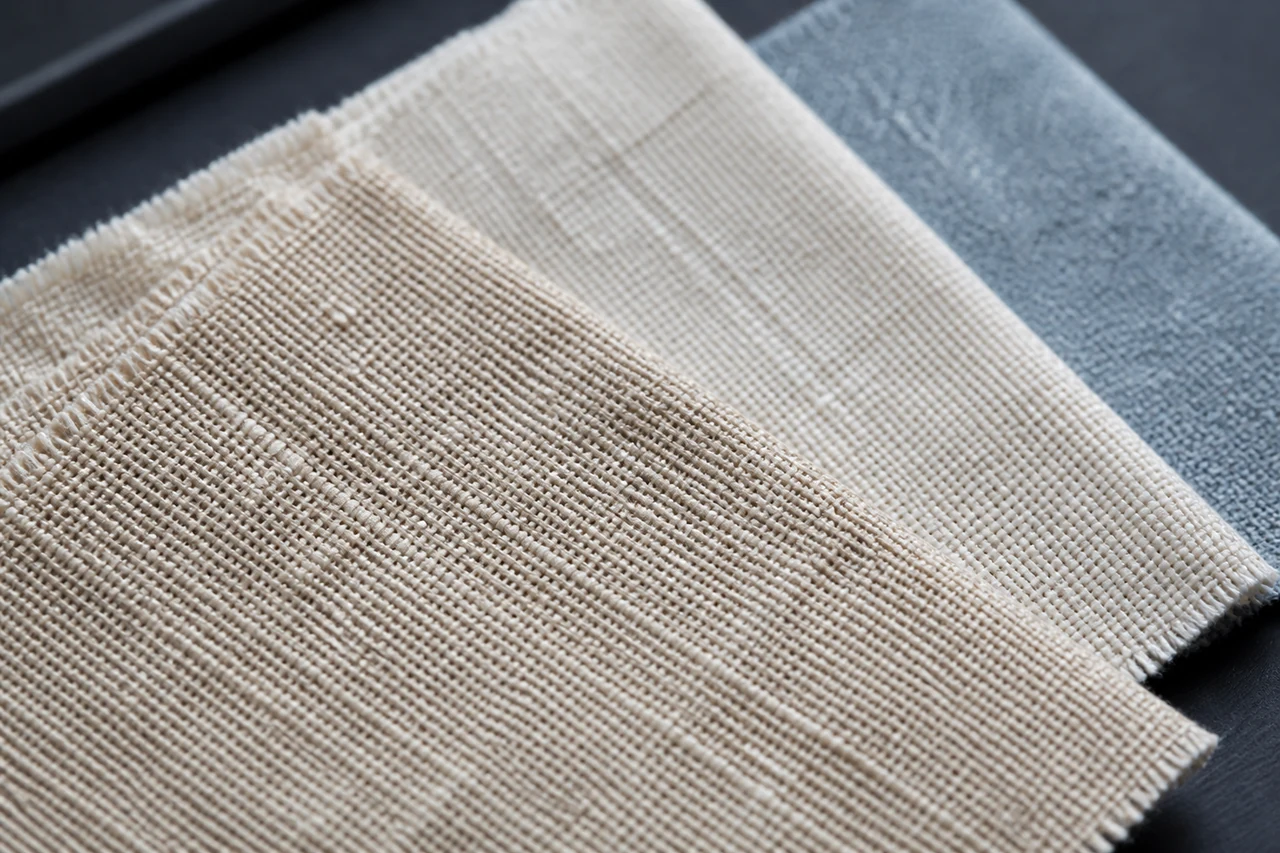
Yarn language becomes risky when a quotation lists only a count number and leaves the counting system, ply and fabric construction unstated. The same-looking number can describe different yarn systems, while finishing can change how the resulting cloth feels. A useful buyer specification connects yarn identity to the woven fabric, the approved sample and records that can be checked without treating one certificate as proof of every downstream product.
Name the yarn count system and fiber scope
Remove ambiguity before comparing quotations
State whether the yarn is described in Ne, Nm, tex, denier or another agreed system, and identify warp and weft separately. A count without its system is incomplete. Record the declared fiber composition and whether the requirement applies to the yarn, greige fabric or finished fabric. Buyers comparing cotton options can pair this step with the thread count guide while keeping yarn count and fabric density as different properties.
Do not assume that a finer nominal yarn automatically produces a better sheet. Weave, density, finishing and intended care conditions influence durability, opacity and hand feel. The goal is a coherent construction that can be reproduced, not the highest isolated number on a sales sheet.
- Count system and nominal value
- Warp and weft yarn designation
- Declared fiber composition and blend basis
- Greige versus finished-fabric reference
Define ply, twist direction and intended function
Specify the yarn structure that matters to performance
A single yarn and a two-ply yarn are not interchangeable descriptions. Record the number of component strands, the resulting yarn designation and whether the twist direction is S or Z when direction affects the construction. If the supplier uses a folded or cabled yarn in a decorative feature, identify exactly where it appears instead of applying that statement to the entire fabric.
Twist level influences cohesion, surface character and processing, but buyers should avoid prescribing a value without understanding the mill’s method. Ask how twist is measured and whether the report refers to the yarn supplied for the order. For microfiber constructions, terminology differs; use the microfiber yarn construction guide rather than transferring cotton assumptions.
- Single, plied or cabled construction
- S or Z direction where relevant
- Measurement method and units
- Product area or yarn system covered
Connect yarn data to the complete fabric specification
Evaluate yarn in the woven system
Build a fabric line that includes yarn designations, weave, warp and weft density, finished width, mass per unit area and finish. This lets the buyer see whether a quotation changes several variables at once. The fabric-weight tolerance guide is useful when mass is a control point, while the usable-width guide links material choice to cutting yield.
Review the physical sample under the intended color and finishing route. Heavy softening may create an attractive first touch but should not replace construction evidence. If hand feel is commercially important, define an approval sample and agreed comparison conditions using the finish approval guide.
- Weave and end/pick density
- Finished width and weight
- Finish and color route
- Approved hand-feel reference
Request evidence that is traceable to the order
Match records to yarn, fabric and lot
Useful evidence may include a yarn supplier specification, incoming test record, mill construction sheet and finished-fabric inspection result. Each document should identify the material or lot it covers. A generic brochure or an unrelated laboratory report can explain capability but cannot establish the exact construction delivered for a buyer’s order.
Ask the supplier to map the yarn record to the fabric batch and the fabric batch to finished production. This does not require publishing proprietary mill information; a controlled internal lot reference can preserve traceability. For a broader approach, use the bedding traceability guide and define which references appear on inspection or shipment records.
- Supplier and material reference
- Lot or batch connection
- Test method and result units
- Date, status and document scope
Verify with risk-based checks and retained samples
Choose checks that answer the purchasing question
Incoming verification can confirm identification, count, ply or twist on a sample of material where the method and equipment are appropriate. Finished fabric checks should confirm the agreed construction and visual result. Decide which attributes require independent testing, which can be supported by mill records and which are approved primarily through the physical sample.
Retain an identified reference from the approved fabric and, when useful, an incoming roll or yarn sample. Record deviations and obtain approval before substitution. The supplier change-control guide helps prevent an apparently equivalent yarn from entering production without review. Share material and documentation needs through FY Bedding’s project contact.
- Risk-ranked verification plan
- Defined sampling and conditioning
- Retained approved reference
- Written substitution and deviation route
A quotation is comparable only when yarn system, count, ply, twist relevance, weave, density, finished width, weight and finish are stated together. Ask which records are order-specific and which are general background information.