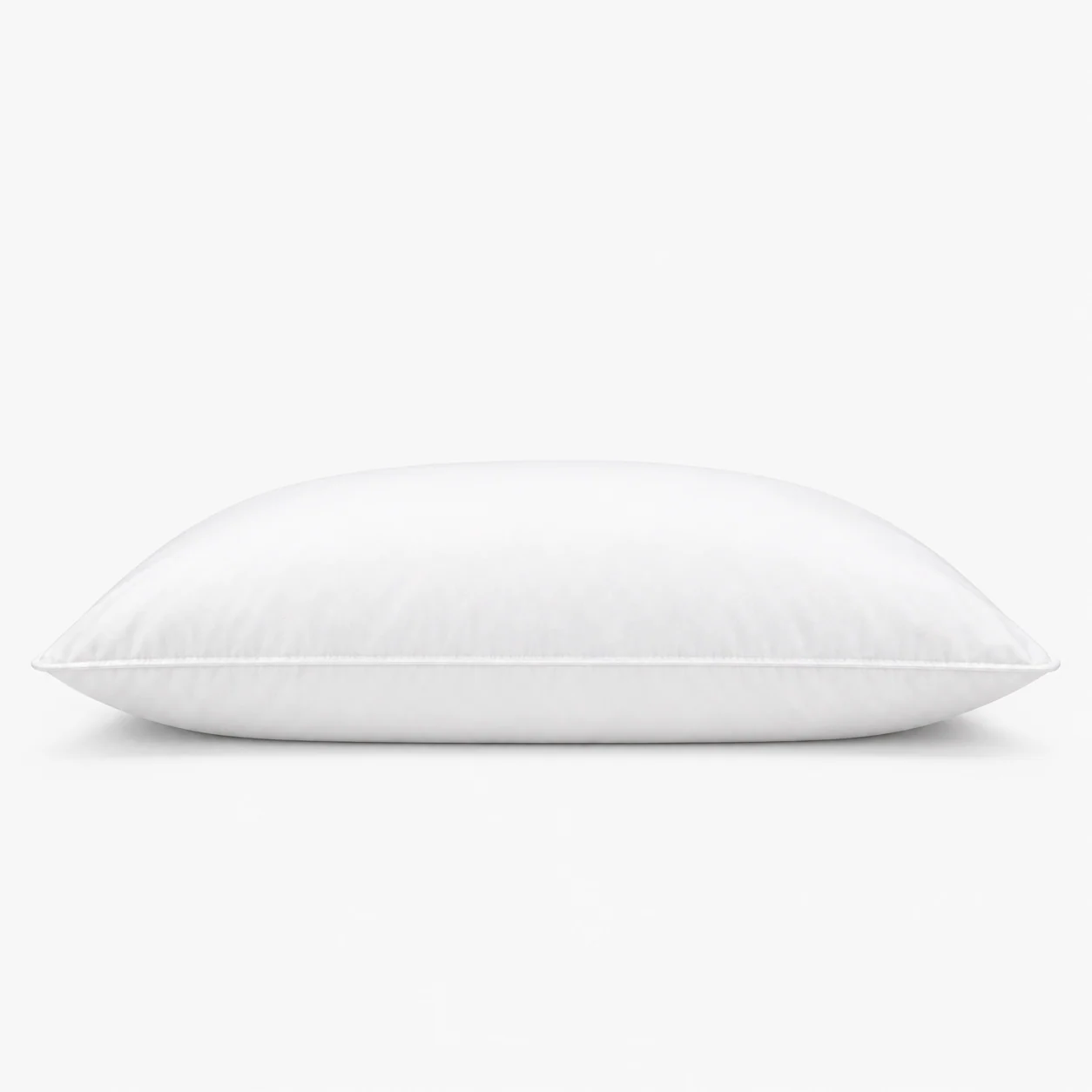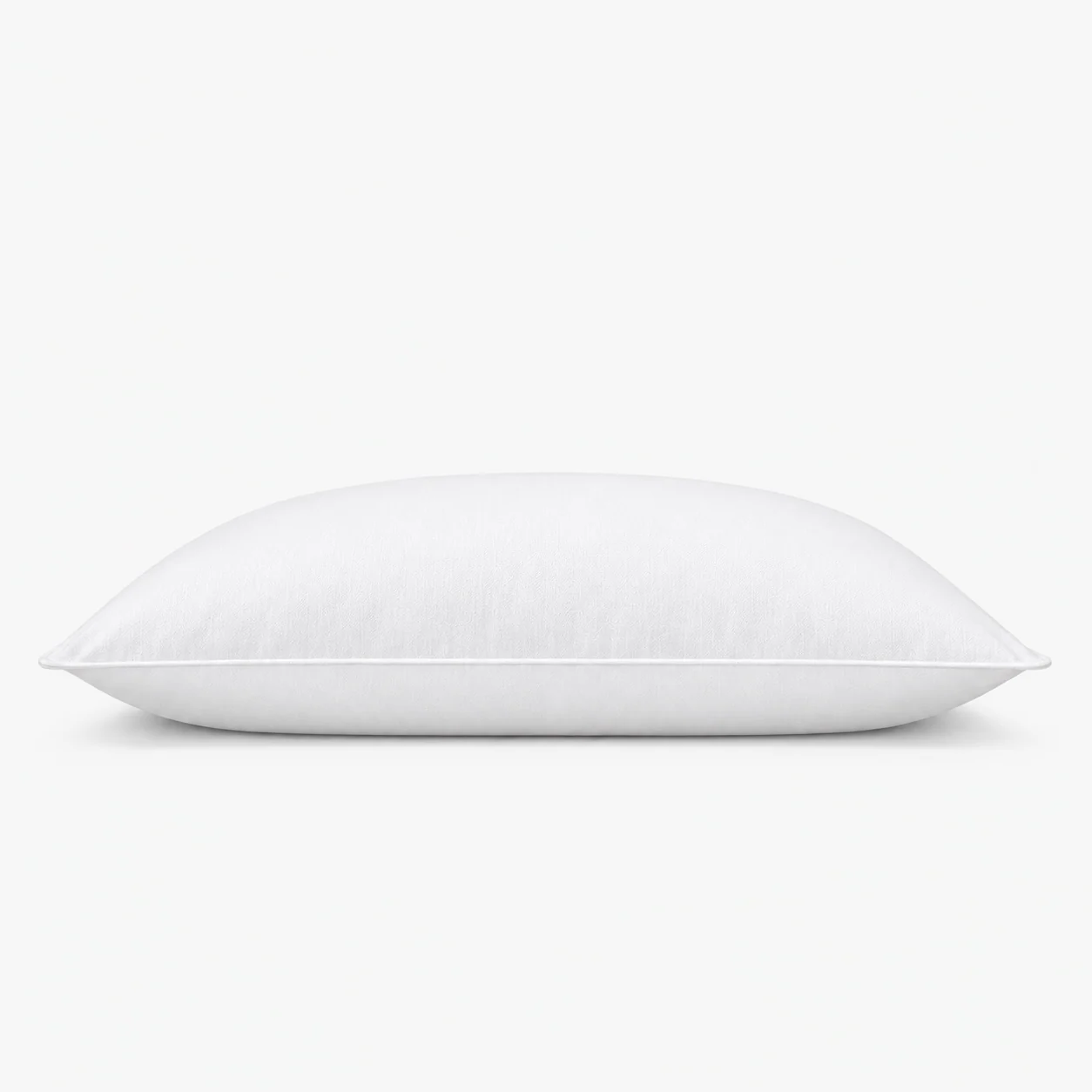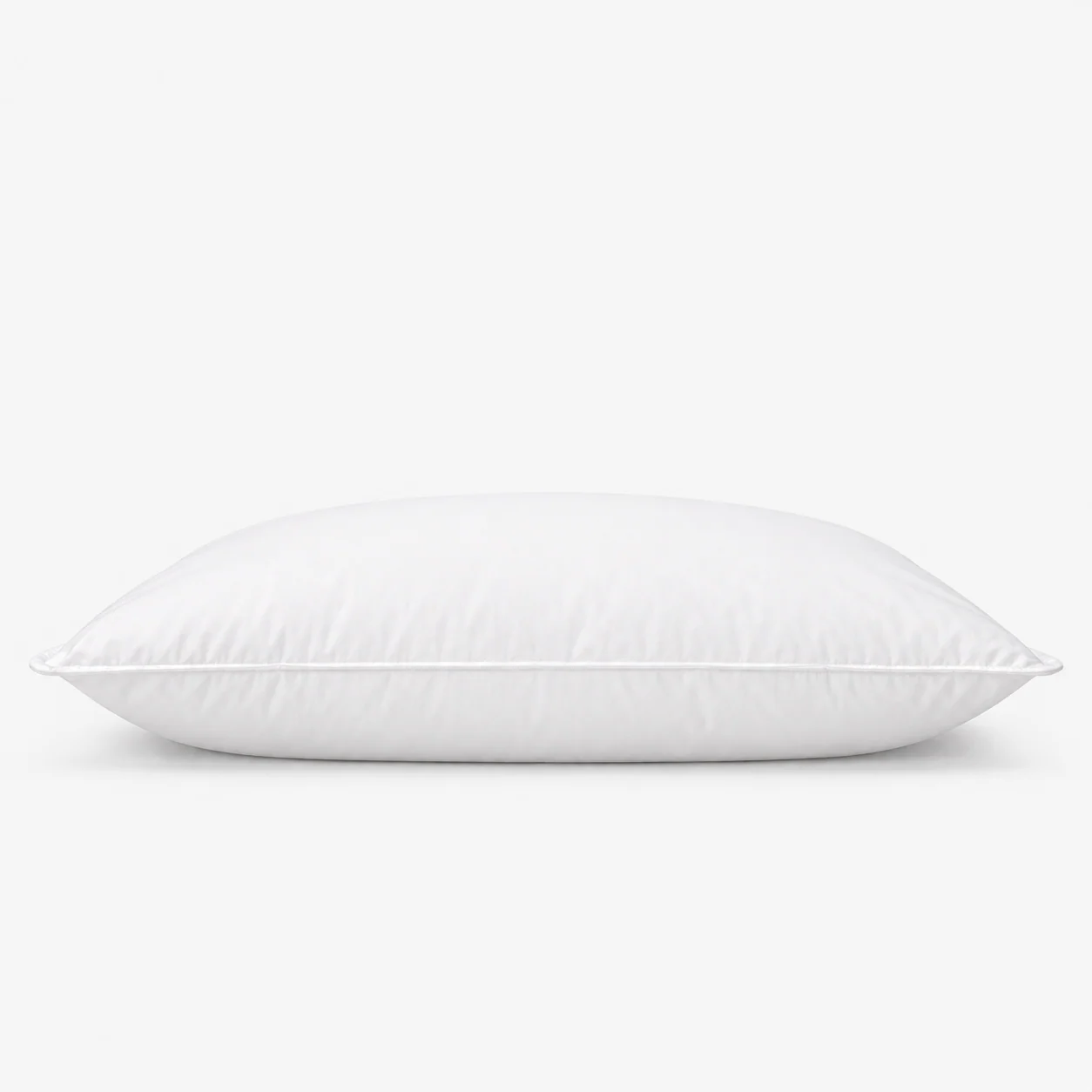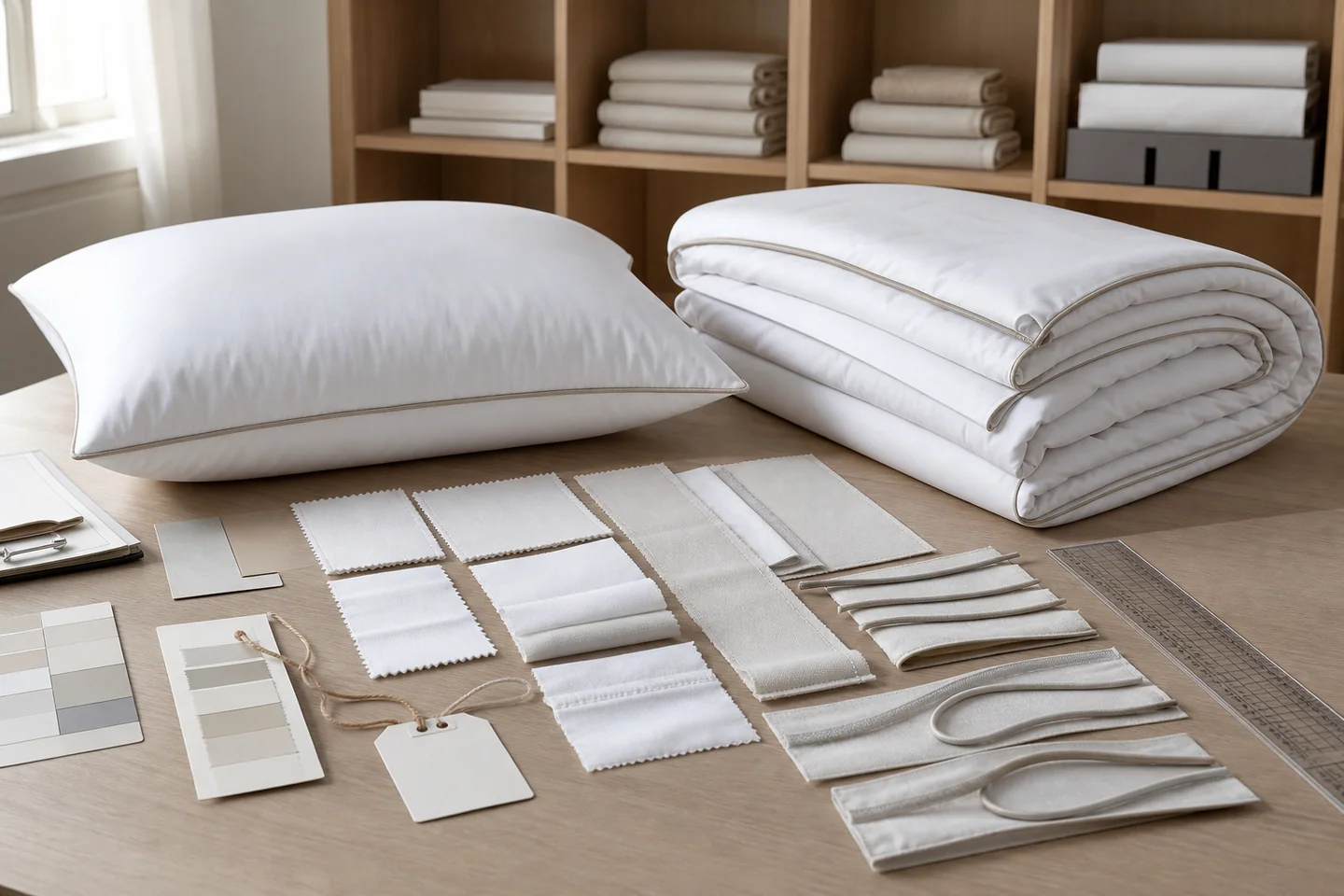
Pillow loft at the end of the sewing line does not predict how the product will feel after compression packing, transit or repeated use. Recovery depends on fill type, fiber treatment, fill weight, shell airflow, quilting and the conditioning method. A useful specification therefore combines measurable recovery behavior with a controlled subjective comparison against an approved reference pillow.
Translate the comfort claim into measurable behavior
Clarify whether the pillow is intended to feel soft, medium or firm and whether the main claim concerns loft, support, rebound speed or resistance to flattening. These terms are not interchangeable. Define the target user and application, because a decorative pillow, guest-room pillow and high-turnover institutional pillow may need different performance priorities.
Link the claim to controlled variables in the bill of materials: fill material, grade, denier or size where relevant, fill weight, shell construction and dimensions. A recovery result cannot be interpreted if the tested sample contains a different fill weight or shell permeability from the approved commercial product.
Condition and measure the pillow consistently
Use a defined unpacking, manual-fluffing and conditioning sequence before baseline measurement. Record elapsed time, temperature and humidity where they materially affect the material. Measure mass and key dimensions with the pillow relaxed, and define exactly how height is taken so operators do not compress the crown differently with each reading.
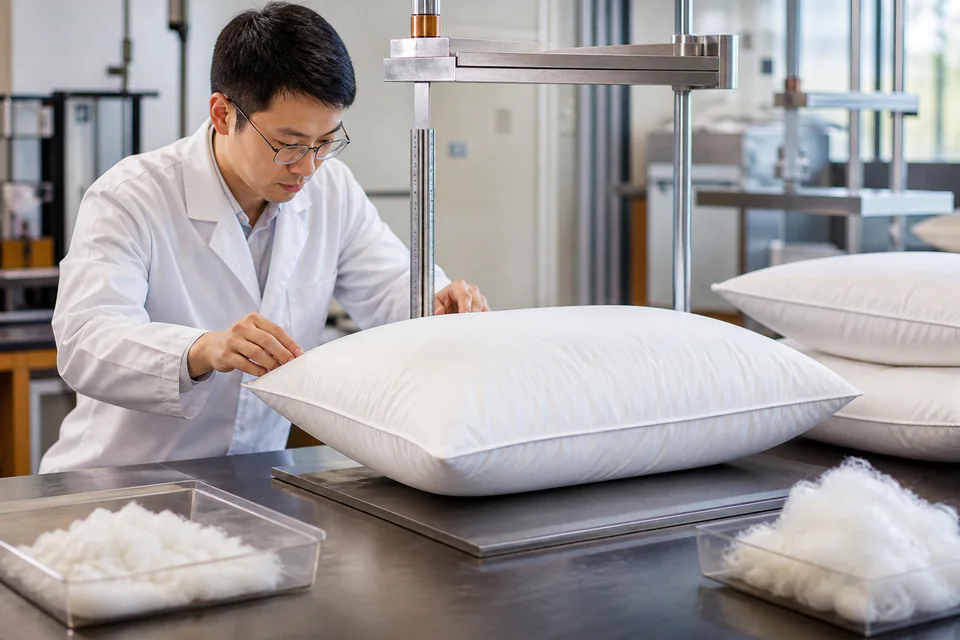
For irregular pillows, use a repeatable plate or template rather than choosing the highest visible point. Photograph the setup and retain raw data for every specimen. Multiple specimens are more informative than a single showcase sample because fill distribution and fiber opening can vary within a batch. Report individual results as well as the average.
Apply a controlled compression and recovery sequence
Agree on a buyer-approved load, contact area, duration and number of cycles. The test should reflect the intended comparison without pretending to reproduce every night of use. Record compressed height or force response as required, then measure recovery at defined intervals after load removal. Immediate rebound and longer-term recovery should be reported separately.
Keep the loading device level and center the pillow using marked reference points. Rotate specimens only if the method requires it. If a compression-packed product is sold, add a separate packaging recovery check using the approved bag, vacuum level, storage time and reopening instructions described in the compression-pack validation plan.
Assess recovery after use simulation and care
Combine instrument readings with a blind comparison against the sealed approval sample. Evaluators can score loft uniformity, lumping, edge collapse and support using a consistent form. Avoid changing the reference pillow during the program; if it ages, replace it through a documented re-approval process rather than informally choosing the best current sample.
Where the pillow is washable, repeat relevant measurements after the buyer-approved care cycles. Inspect seam security, fill migration, clumping and drying behavior. A pillow that regains height but develops hard clusters has not maintained acceptable comfort. For non-washable programs, consider the intended cleaning route and use conditions when designing durability checks.
Control fill weight and recovery in bulk production
Calibrate filling equipment and verify net fill weight at startup, after material replenishment and at defined intervals. Track shell lot, fill lot, machine, line and shift. Weight alone does not guarantee performance, but a stable weight distribution is the first defense against inconsistent loft and firmness within one carton or hotel delivery.
During final inspection, sample across production periods and compare mass, dimensions, appearance and recovery to the approved limits. Investigate trends before averages hide weak units. Retain representative samples from the shipment for traceability. Clear release rules let buyers distinguish normal soft-product variation from a systematic fill-opening or compression problem.
Approve the reference pillow, fill specification, conditioning sequence, measurement points, load and recovery timing, packaging exposure and post-care acceptance criteria before bulk filling.