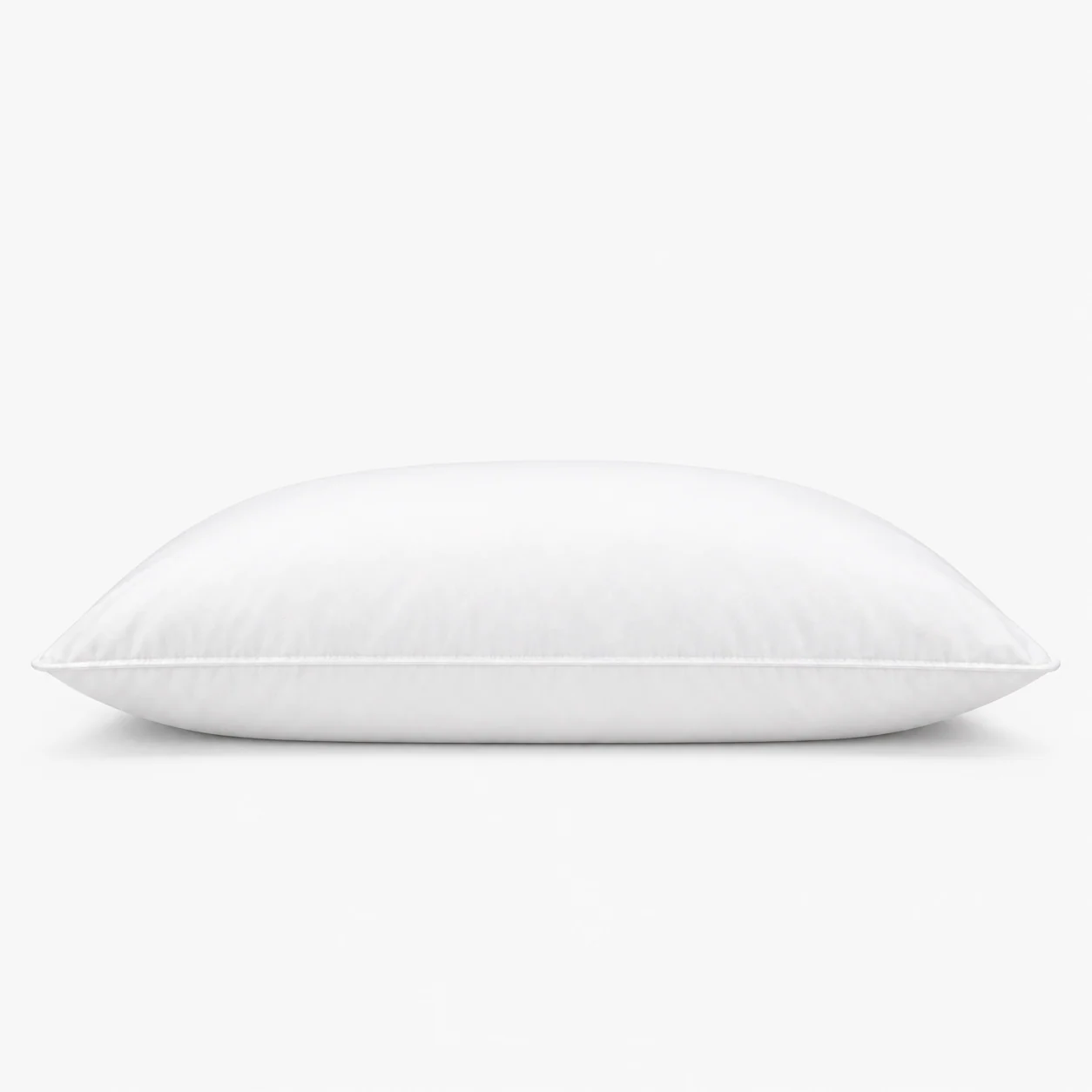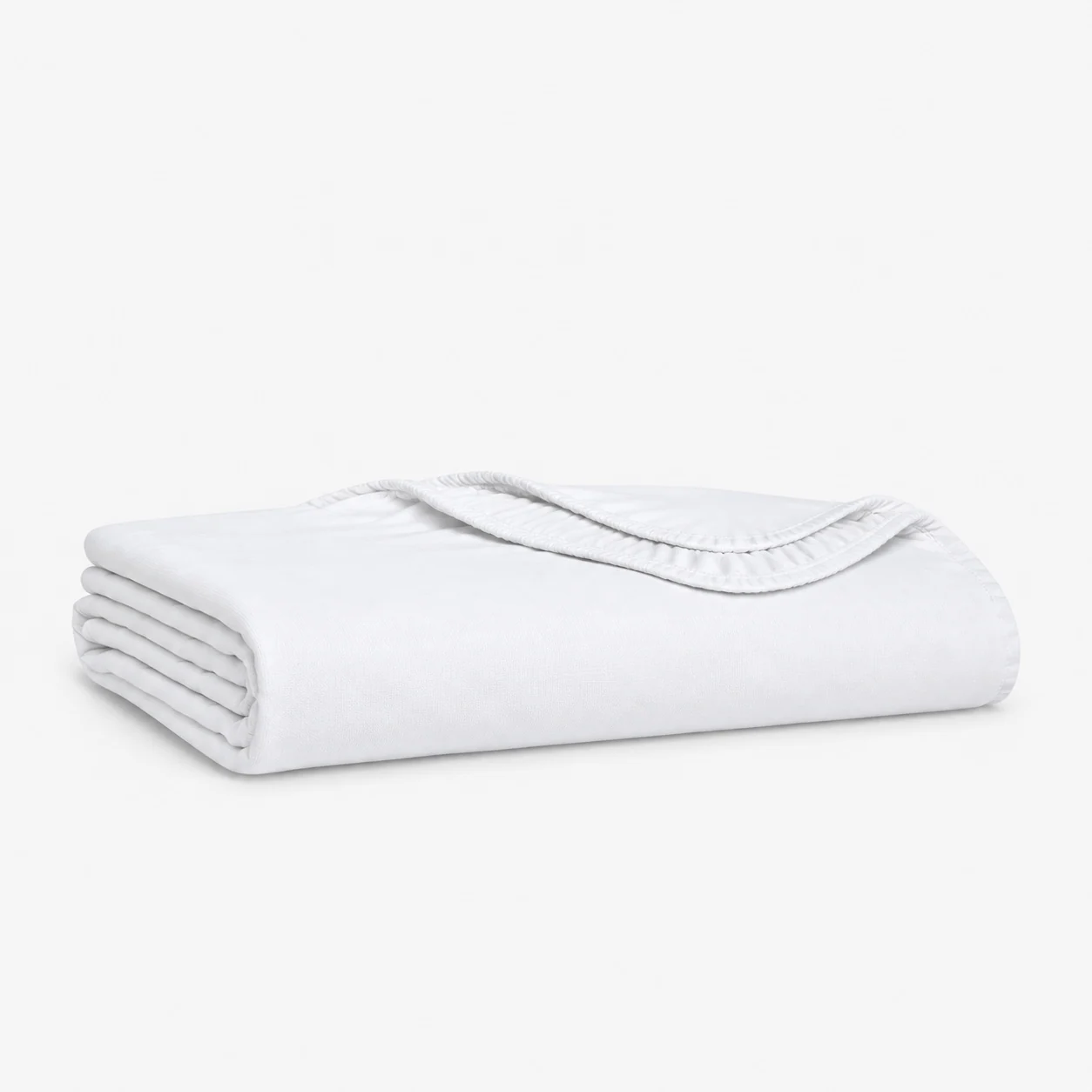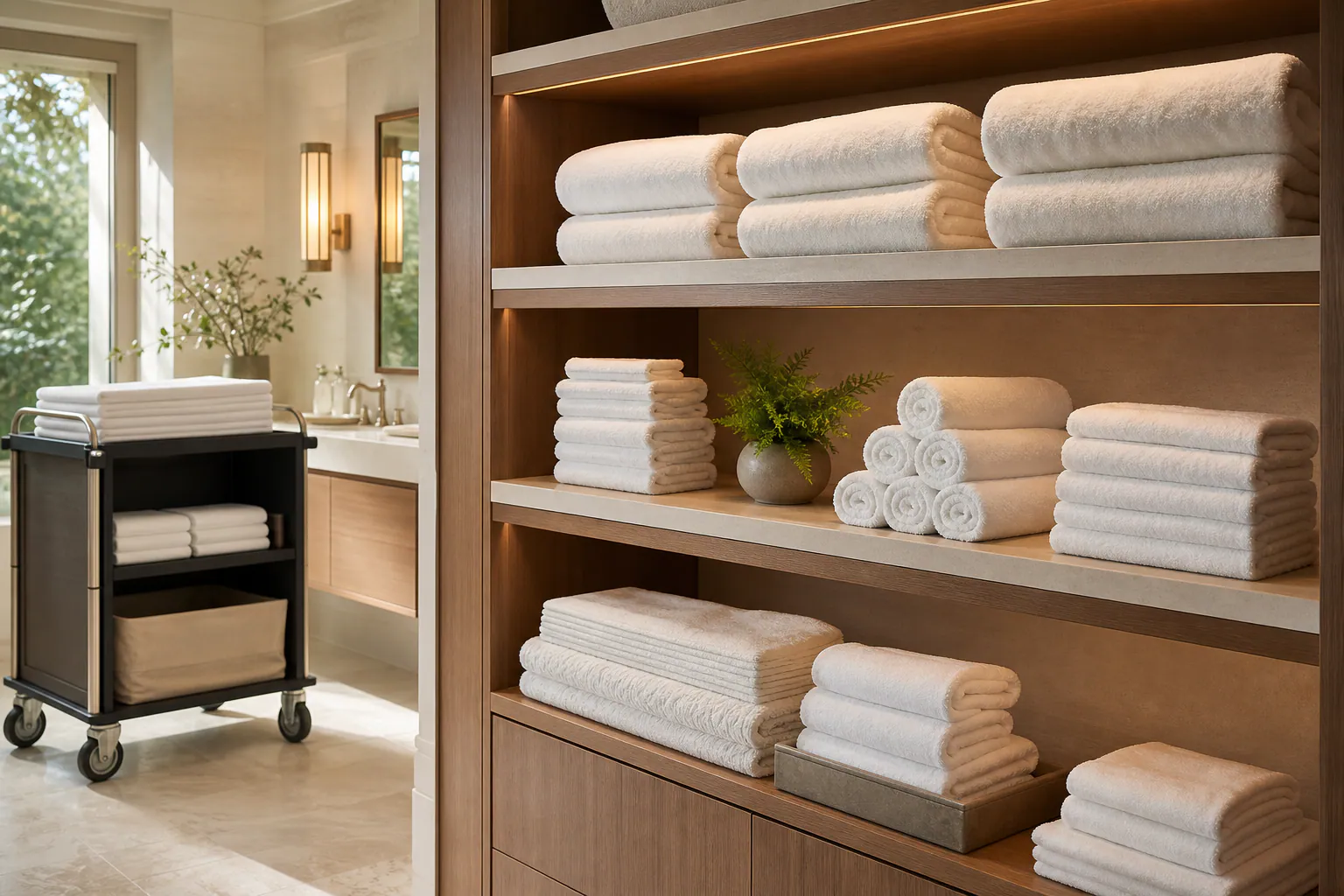
Senior living bedding must support a residential atmosphere while working within care, cleaning and staff-handling realities. Procurement should involve operations, clinical or care leadership, laundry and resident-experience teams so comfort choices remain compatible with mattress systems, identification, hygiene procedures and daily bed making.
Map residents, rooms and care requirements
Segment standard apartments, higher-support rooms, respite spaces and any specialist beds. Record resident preferences, climate, room temperature, mobility, skin-comfort considerations and the role of personal linen. The purchasing brief should distinguish universal requirements from options that need individual assessment by qualified care staff.
Define which decisions are operational and which require local clinical or regulatory review. Textile specifications cannot replace professional risk assessment. They can, however, give the care team clear evidence about materials, seams, laundering, fit and identification.
Measure the complete mattress and bed system
Record mattress length, width and working depth, including protectors, toppers and pressure-management surfaces. Identify articulated or profiling beds, split components, rails and cables that affect fit. A fitted sheet must remain secure through the approved bed positions without excessive tension or loose fabric.
Use the measured size-matrix method instead of relying on domestic size names. Verify each proposed item on the actual equipment and consult the bed or mattress manufacturer where an accessory could affect safe operation.
Select comfort and construction with staff handling in mind
Compare fibers, weaves, weights and fillings for softness, warmth, air movement, moisture handling, lint and drying. Avoid reducing comfort to thread count or a single marketing claim. Review seams, closures, labels and decorative details for resident contact and compatibility with the intended care environment.
Ask staff to make and change representative beds. Observe grip, reach, product weight, corner security and the handling of soiled items. A design that needs repeated lifting or precise alignment may increase time and inconsistent use even when it performs well in a showroom.
Validate cleaning, durability and traceability
Run production-representative items through the facility or contracted laundry route for repeated cycles. Measure shrinkage, inspect seams and closures, and review softness, pilling, shade and finish. Include any approved disinfection process and confirm that care labels match the method actually used.
Build test requirements through the product testing plan, using destination rules and risk assessment to choose methods and limits. Keep reports linked to the exact material, color and construction rather than accepting a certificate for an unrelated family.
Design identification and replenishment around dignity
Agree how items are identified by facility, room, size or resident where needed. Labels must remain readable through care while being discreet and comfortable. Packing and storage codes should help staff return the correct item without exposing more personal information than operations require. Review the identification method with residents and operations before final release.
Calculate working par, laundry turnaround, change frequency, emergency stock and product retirement criteria. Track causes of loss and damage separately. Preserve approved samples and revisions so replacements maintain fit and hand, and create a documented process for resident-specific exceptions.
Approve the complete bedding system on representative beds after the intended care route and staff trial. Keep individual care decisions with qualified local professionals.