A line that appears when folded fabric is opened can trigger an expensive dispute before anyone has established what they are seeing. The apparent difference may need further investigation, but a photograph of a crease alone does not identify its cause. Bedding buyers should first preserve the sample, document the fold history and compare the area under controlled viewing conditions. This guide addresses localized fold-line appearance, not general shade variation across a whole fabric roll.
Preserve the first observation
Do not erase the evidence
Record the fabric identity, roll or pack reference, face orientation and location of the line before pressing, washing or otherwise changing the sample. Keep a wider photograph that shows how the line sits within the folded piece, alongside a closer view. If the buyer immediately asks the supplier to make the line disappear, the original condition may no longer be available for comparison and the discussion can become dependent on conflicting recollections.
Use the inspection photo naming approach to connect every image to the relevant material. Include the date received and any known storage or transport history without filling gaps with guesses. A line observed on one sample does not establish that an entire lot is affected. Mark the extent actually examined and keep unexamined quantities clearly separate from confirmed observations in the initial communication.
- Record the original folded and opened condition.
- Identify the fabric face and orientation.
- Preserve at least one unchanged comparison area.
- Separate observed extent from suspected extent.
Standardize the comparison
Keep light and direction consistent
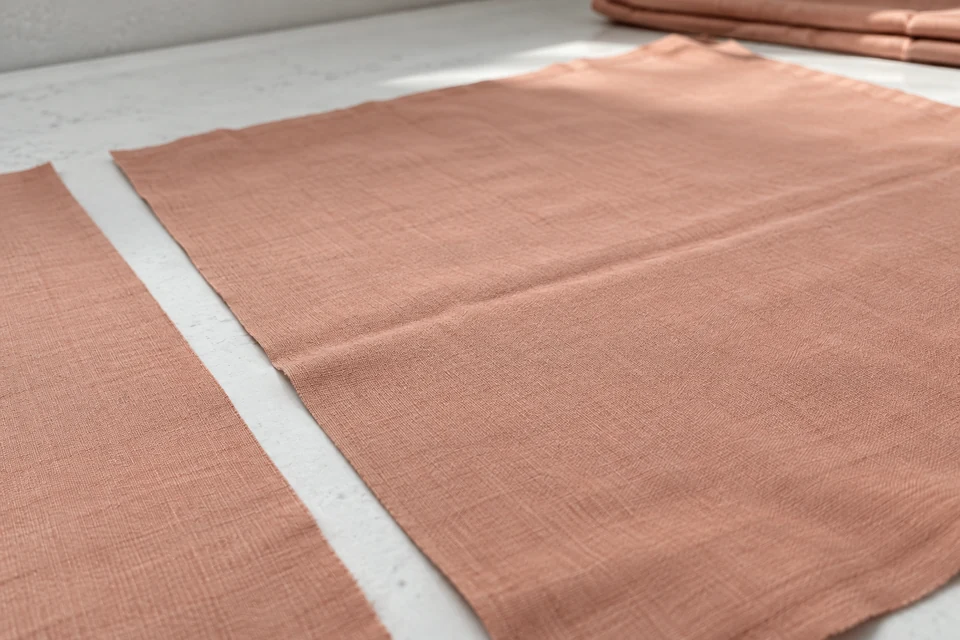
Place the opened area and an adjacent reference on the same viewing surface with the same orientation. Avoid comparing one piece in direct window light with another under a different lamp. Record the viewing arrangement and rotate both pieces together if direction changes are being explored. The purpose is to establish whether the appearance is stable under agreed conditions, not to choose whichever angle makes the difference easiest to dismiss or exaggerate.
The existing multi-light color review provides a separate framework when lighting changes are relevant. Do not label a fold-line observation as metamerism without appropriate evidence. Likewise, fabric face and back can produce different appearances; confirm orientation using the face-and-back identification record. These controls reduce avoidable comparison errors before the team discusses material treatment or acceptance.
- Use one agreed background for both comparison areas.
- Record light sources and viewing direction.
- Rotate references together when testing orientation.
- Avoid relying solely on phone-screen color.
Separate crease shape from color
Describe before diagnosing
Describe the line in observable terms: its width, continuity, position, visibility from the intended viewing distance and whether the fabric surface is raised or depressed. A shadow following a fold and a persistent color difference are not the same description. Buyers should avoid assigning a chemical or finishing cause from appearance alone. Ask the supplier or a suitable technical specialist to propose the next diagnostic step when the distinction remains uncertain.
Keep that enquiry linked to the approved shade reference and acceptance approach. If the project uses instrumental color measurements, the responsible laboratory should select a suitable specimen preparation and measurement method; do not improvise a reading across a narrow crease and treat it as conclusive. A useful report explains how the observation was made and what the method can and cannot distinguish, rather than offering an unexplained pass or fail number.
- Describe shape and color observations separately.
- Note whether visibility changes with viewing angle.
- Request technical review before assigning a cause.
- Keep method limitations attached to any measurement.
Plan any treatment comparison
Retain an untreated reference
If the parties agree to examine the effect of an intended care or finishing process, document the process before treating the sample. Use the product's authorized conditions and retain an untreated reference. Record the elapsed time and sample condition when the treated piece is reviewed. This is a controlled comparison for the project, not permission to apply unapproved heat, chemicals or washing methods in an attempt to conceal a disputed appearance.
Consider where the line would fall in the finished bedding panel. A localized issue outside the usable cutting area has different practical implications from a line through the center of a pillowcase. Link the review to usable width and cutting planning, but do not approve a cutting workaround until the affected extent is mapped. Any proposed exclusion needs a traceable quantity assessment so material consumption is not silently changed.
- Agree treatment conditions before changing the specimen.
- Preserve an untreated comparison piece.
- Map the line against intended panel locations.
- Quantify any proposed cutting exclusion separately.
Close the lot decision
Distinguish containment from acceptance
The decision record should state which material was examined, the observed condition, the comparison method and the authorized disposition. Holding a questioned portion while investigating is not the same as rejecting every roll, and releasing one reviewed sample is not evidence that all stock is equivalent. If additional inspection is needed, define the affected lot boundary and the review approach before production consumes material that may later be disputed.
When asking FY to review a sourcing issue, use the procurement enquiry to share the material reference, first-condition photographs and the intended product use. Include the decision required, such as further examination, panel exclusion review or a revised appearance reference. Avoid a vague request to guarantee that all creases vanish. A precise observation record gives the supplier a concrete question and leaves a usable trail for the eventual purchase decision.
- Name the lot or portion covered by the decision.
- Record who authorized the disposition.
- Keep original and treated observations distinct.
- Do not extend sample acceptance beyond its evidence.
Do not classify a fold line by photograph alone; preserve the original condition, control the comparison and obtain an authorized decision for the clearly identified material scope.