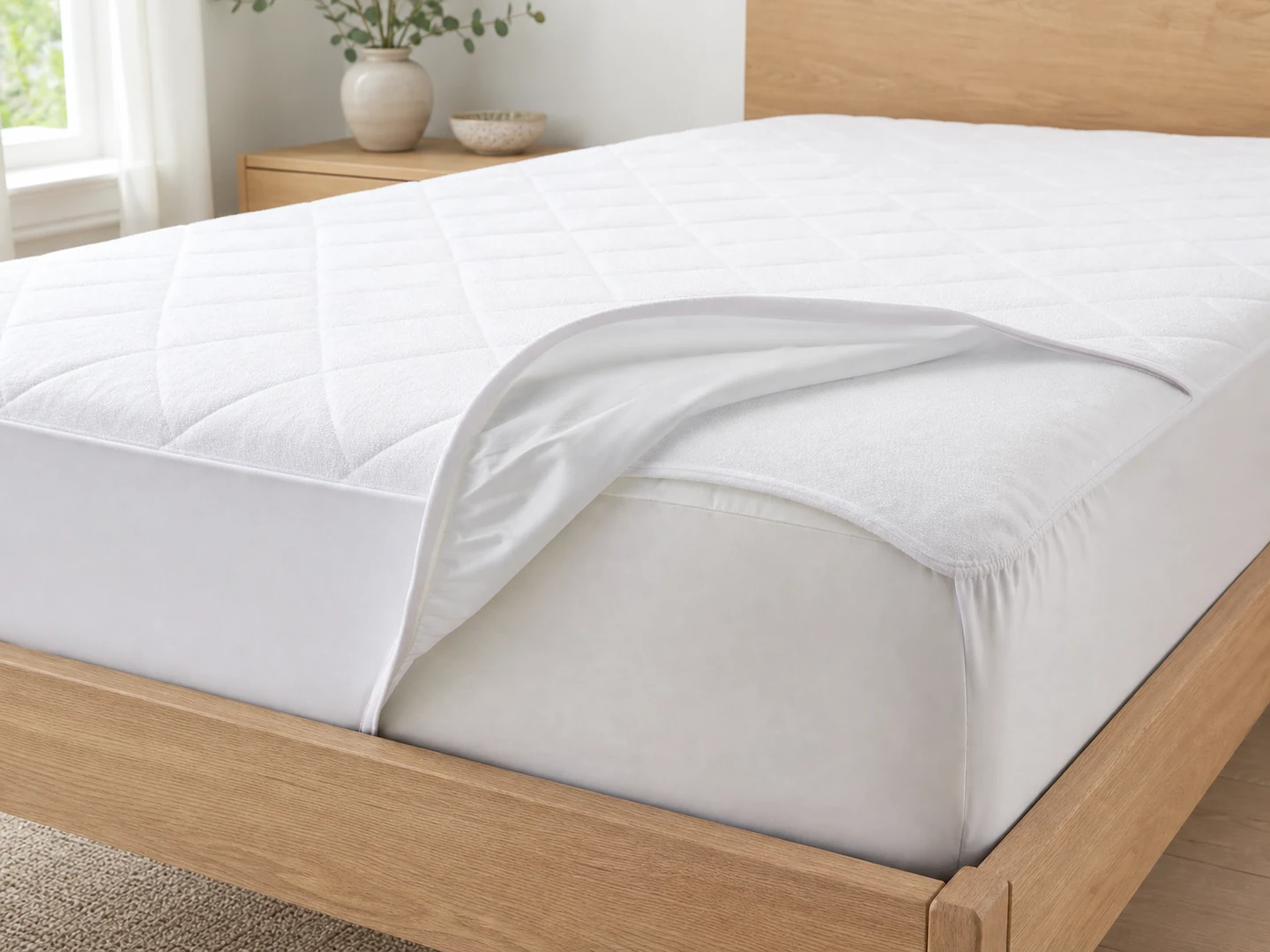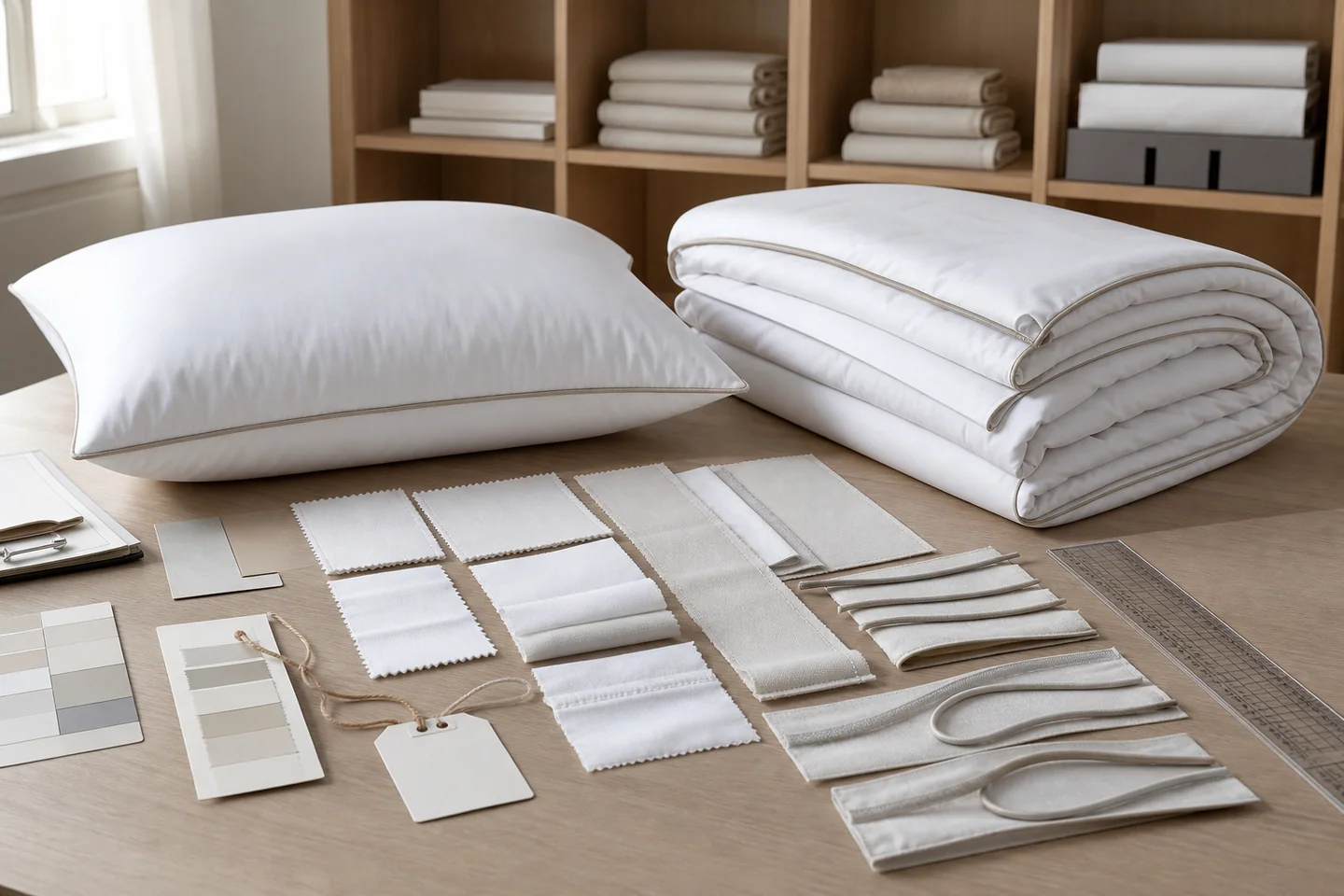
Two bedding prices are comparable only when they describe the same product and commercial scope. A lower unit price may reflect a lighter material, different size, simpler pack, larger minimum or excluded testing.
1. Compare the product basis first
Match dimensions, fabric composition and construction, finished weight, fill composition and weight, workmanship, color, finish and tolerances. Ask the supplier to identify alternatives rather than silently substitute them. A structured home-textile tech pack keeps this basis consistent across suppliers.
2. Check quantity and MOQ assumptions
Minimums can be driven by fabric dyeing, printing, special yarn, labels, packaging or production setup. Confirm whether the quote quantity is per color, size, SKU or total order. The existing textile MOQ guide explains common minimum structures.
3. List what is included
| Cost area | Questions to ask |
|---|---|
| Sampling | Development, revisions and courier included? |
| Packaging | Labels, inserts, bags, boxes and cartons included? |
| Testing | Which method, laboratory and sample are included? |
| Inspection | Factory final check or third-party inspection? |
| Logistics | Which Incoterm, port and freight period? |
4. Align commercial and timing terms
Confirm currency, price validity, payment terms, sample lead time, bulk lead time, approval deadlines, Incoterm and destination. Freight is time-sensitive; do not treat an old freight estimate as part of a current product comparison.
5. Evaluate landed value and risk
Consider defect risk, consistency, replenishment, documentation, packaging errors and time spent resolving ambiguity. A structured buyer brief helps suppliers quote the same basis and makes trade-offs explicit.
Ask every supplier to quote the same revision, quantity matrix, packaging scope and commercial term. If assumptions differ, compare the assumptions before comparing unit prices.