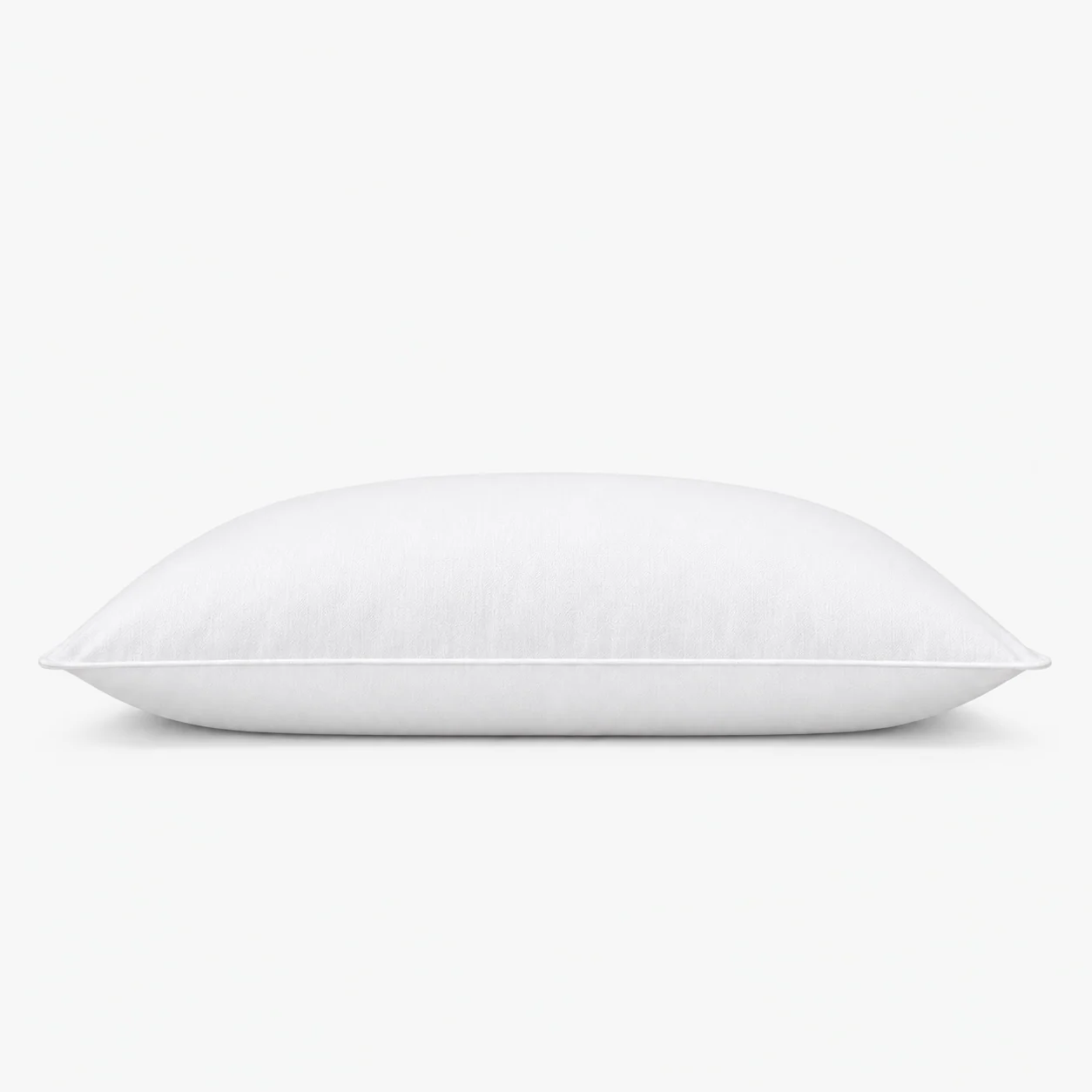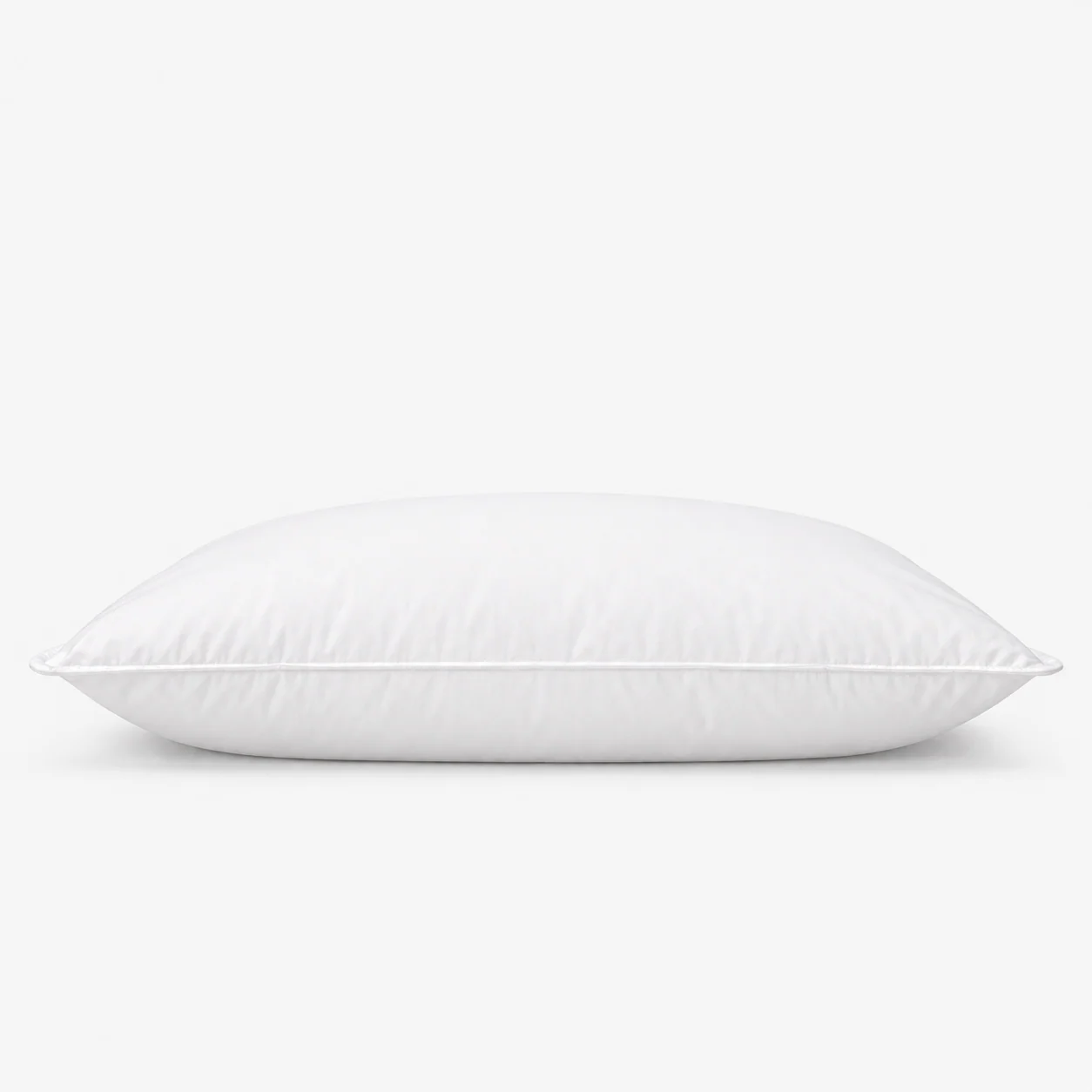
A cotton jersey pillowcase is often introduced as a softer-looking companion to knitted sheets, but its buying brief should not be copied from a fitted sheet. There is no mattress corner or perimeter elastic to define the fit. Instead, the key interface is the pillow passing through the opening and settling inside the cover. Buyers need to choose a useful size range, an understandable closure and an honest retail presentation without treating stretch as permission to call every pillow compatible.
Name the knit and the intended sleep surface
Jersey identifies a construction direction, not every property
CottonWorks defines jersey as a plain knit with different face and reverse appearances. For the actual offered pillowcase, ask the supplier for the knit reference, declared composition, finish and intended outward face. A cotton label does not establish the fabric's weight, stretch behavior or recovery. If another fiber or an additional treatment is proposed, make that change explicit before comparing the sample with an all-cotton reference.
Request enough material to see both faces and the sewing direction, followed by a complete pillowcase. Ask which face will contact the user and how the seam is finished along that surface. The jersey fitted-sheet trial covers a different assembly; it can inform questions about material behavior, but its mattress and elastic decisions should not be copied into this pillowcase specification.
- Identify the knit, composition, finish and outward face.
- Keep the pillowcase approval independent of sheet fit.
Define the pillow family before the cover size
Flat dimensions alone do not describe the filled shape
List the pillows the retailer intends the case to accommodate, including measured length, width and the relevant filled profile. Two pillows with the same nominal size can present differently when one has a deeper edge or firmer fill. Choose representative examples for the trial and name them in the record. Avoid fitting only the easiest, most compressible sample and using that result to release the whole range.
Measure the empty pillowcase in the agreed relaxed condition, then photograph it on each identified pillow. Note seam placement, surface tension, corner shape and excess material without repeatedly stretching the knit into a preferred look. The size-set approval guide supports decisions about which combinations need physical confirmation. A proposed stretch allowance should be evaluated on samples rather than borrowed as a universal percentage.
Trial insertion and closure as one task
An opening that stretches wide must still present correctly
Ask a reviewer to insert and remove the intended pillow using ordinary handling. Observe whether the opening requires excessive pulling, whether the seam twists and whether the closure can be arranged without repeated adjustment. For an envelope version, document the overlap in the filled state, not only the flat cutting dimension. For another closure, identify its components and the user-facing contact points separately.
Use the opening and overlap guide to record the geometry. Do not approve an attractive front view while the reverse opening remains strained or the pillow edge is visible where it should be enclosed. If changing the overlap solves retention but makes insertion difficult, compare both versions as complete handling tasks instead of declaring the longer overlap automatically better.
Review the sewn inside edge while the cover is empty and again where it sits on the pillow. The enclosed-seam inspection guide illustrates why seam bulk and turning deserve attention, but it does not require a French seam for every jersey. The maker should propose a suitable construction for review, with any performance requirements assessed independently of touch preference.
- Record the filled closure, not only flat overlap.
- Observe insertion, normal presentation and removal.
- Inspect the seam that sits against the sleeping surface.
Repeat the complete fit after the agreed care
Do not correct an unsuccessful trial through undocumented styling
Agree a care route suitable for the offered fabric and closure, then compare identified samples before and after that route. Allow consistent preparation before measuring. Refit the same pillows and repeat the insertion and closure observations. Keep relaxed size, apparent seam rotation and the filled appearance as separate findings; one acceptable length measurement cannot explain every fit issue.
If a processed sample requires unusually forceful stretching or special reshaping, record that effort instead of removing it from the review. Ask whether the proposed consumer instructions realistically support the preparation used. Request an appropriate evidence plan for claims about shrinkage, pilling or recovery, and retain the actual sample identity with the results. A comfortable first touch is not evidence of a durable or universal fit.
Make the retail pack describe the product accurately
A pair, a single case and a filled pillow are different offers
State whether the unit contains one pillowcase, a pair or part of a larger bedding set. Show whether the pillow itself is included. Review a complete closed pack beside the product page draft so the same count, size and material appear in both places. If the range includes several pillow shapes, do not rely only on regional size names to distinguish them.
Decide how replacement cases will be sold and whether the customer can buy one item without replacing the full set. The single-item replacement guide addresses that commercial question. Keep photography linked to the approved pillow-and-case combination; a deliberately undersized pillow used to hide a tight opening would misrepresent the intended fit even if the fabric color were accurate.
- Confirm the sellable count and whether filling is excluded.
- Use consistent size information across pack and product page.
Release a manageable knit range
Color and opening variants need their own quantity logic
Ask the source to explain minimums for the knit, dye color, finished size and retail pack. A shared fabric does not automatically make every closure or small size run available on the same terms. Keep the first assortment focused enough that the actual size and opening combinations can be sampled, and identify which variations need another approval before production.
Send the pillow examples, desired knit feel and retail unit definition to FY Bedding through a pillowcase sample enquiry. Review the pillowcase category for related directions, while asking for a project-specific construction and supply review. The final quotation brief should connect the accepted knit, relaxed dimensions, opening, care findings and pack contents. Availability, minimum quantities and delivery dates remain subject to that confirmed scope.
Approve a named knit on the intended pillow family, with usable insertion, a settled closure after care and retail information that states exactly which pillowcases are included.
Method references: CottonWorks: jersey knit definition and differing face and reverse appearances.