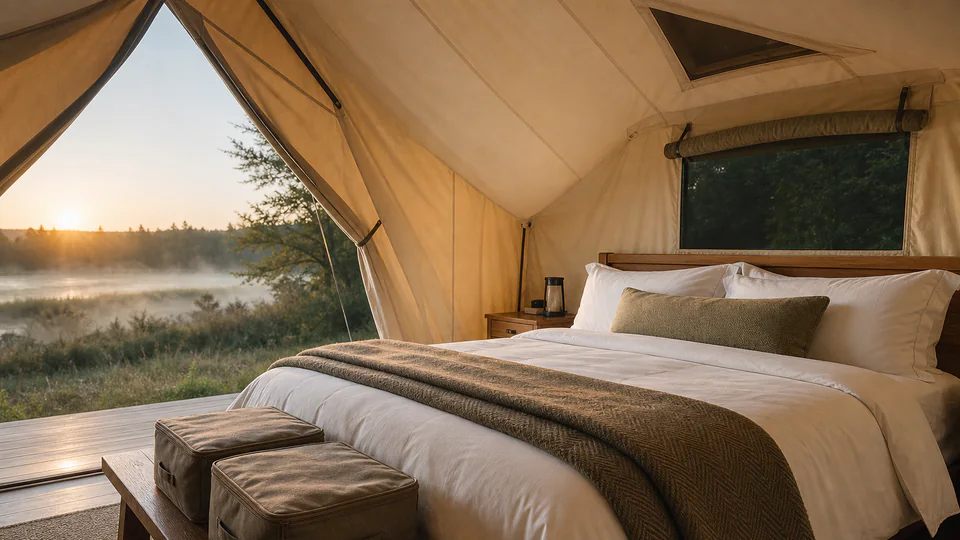
Glamping accommodations may offer premium comfort while operating with greater humidity, dust, temperature movement and logistical distance than a conventional hotel room. Bedding procurement should begin with the actual shelter and service route, then balance comfort, care, storage and seasonal replacement.
Map shelter, climate and operating exposure
Record tent or cabin construction, ventilation, heating or cooling, seasonal humidity, dust, access paths and whether beds remain made during closure periods. Identify exposure during guest use, housekeeping, transport and storage. The specification should respond to normal operating conditions rather than a marketing image alone.
Use the climate questions in the tropical resort bedding guide where relevant, while documenting cold-night, condensation or remote-site conditions specific to the property. Avoid unsupported universal performance claims across unlike destinations.
Build a comfortable and serviceable bed system
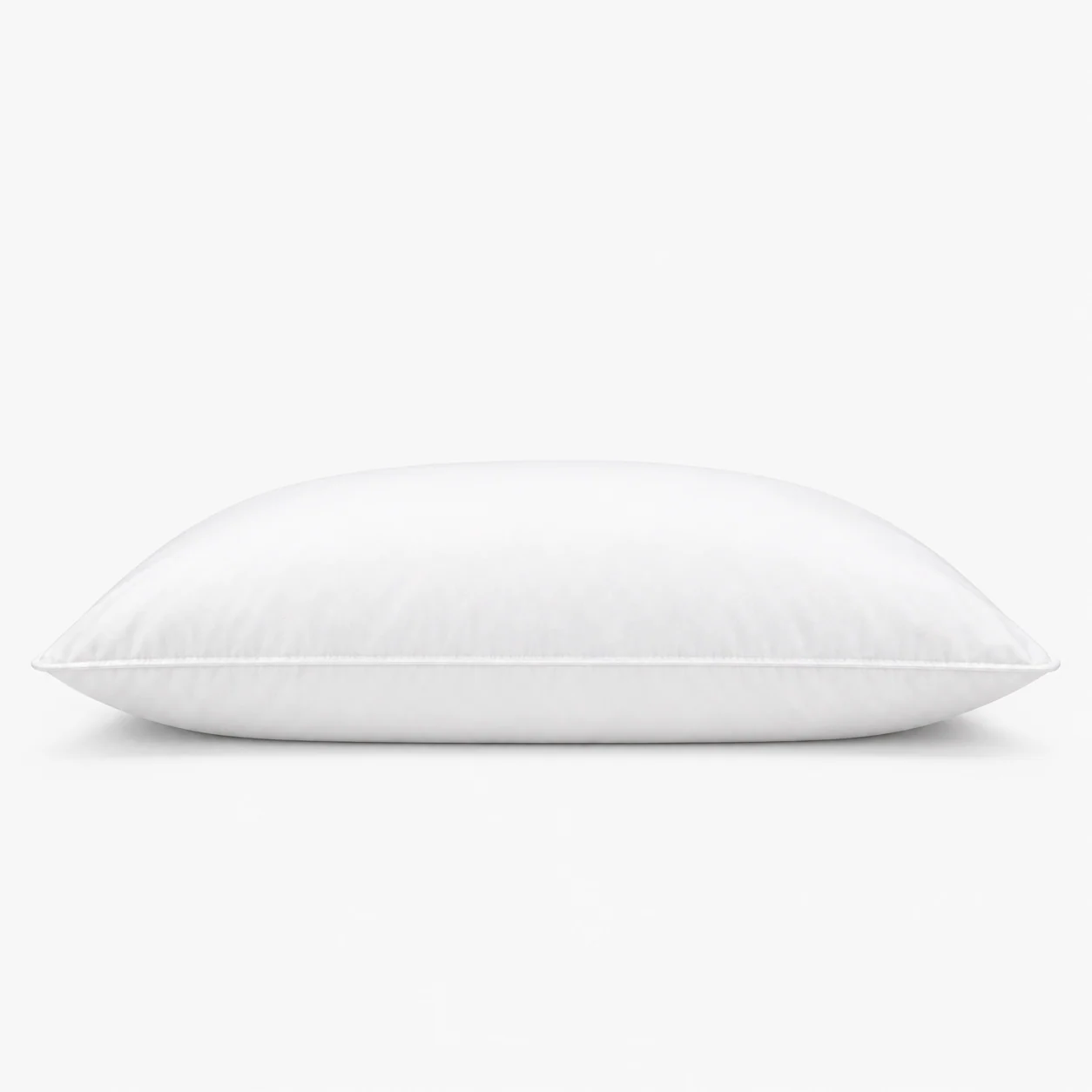
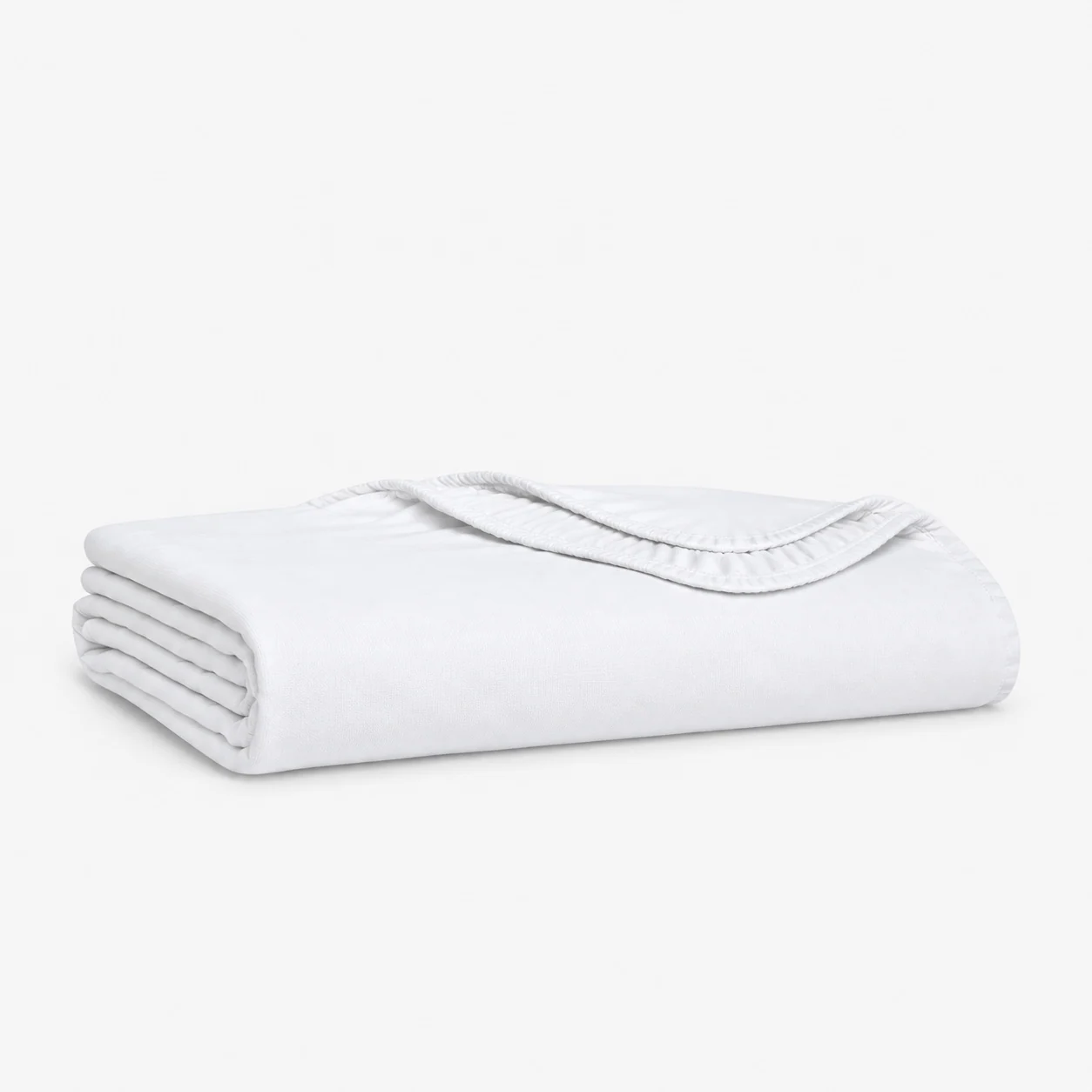
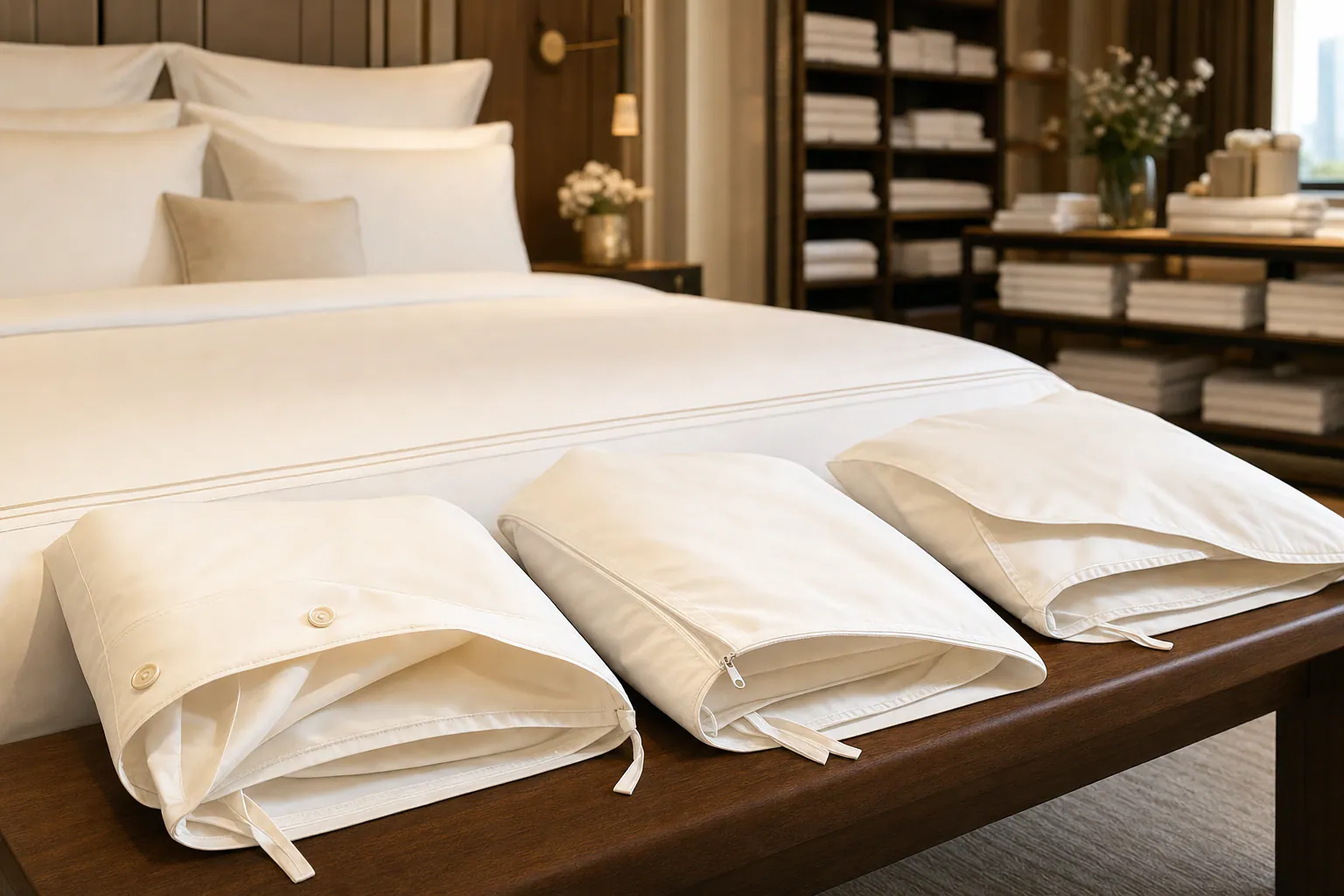
Define mattress, protector, sheets, duvet or blanket, pillows and decorative pieces as one system. Specify finished dimensions, materials, weights, closures and layering by season. Check how platform edges, unusual bed frames or convertible furniture affect sheet tuck and housekeeping reach.
Compare suitable starting points in the hospitality bedding collection, then develop against the glamping room brief. Premium appearance should not create unnecessary layers that absorb moisture, occupy scarce storage or slow remote housekeeping.
Validate materials against real site conditions
Select representative temperature, humidity, dust and guest-use conditions for trials. Review hand, warmth, noise, drying, odor retention, pilling, color and dimensional stability after the intended care route. For any claimed property, identify the required method and finished construction.
Document the evidence plan through the bedding product testing guide. Product-specific performance should be kept distinct from general factory systems or raw-material credentials, especially when the destination has its own requirements.
Plan remote laundry, transport and clean storage
Map whether linen is processed on site, at a central facility or by an external laundry. Record turnaround, transport protection, wet-weather handling, soiled segregation and the maximum time clean sets remain packed. Evaluate carton or reusable bag sizes against vehicles and site storage.
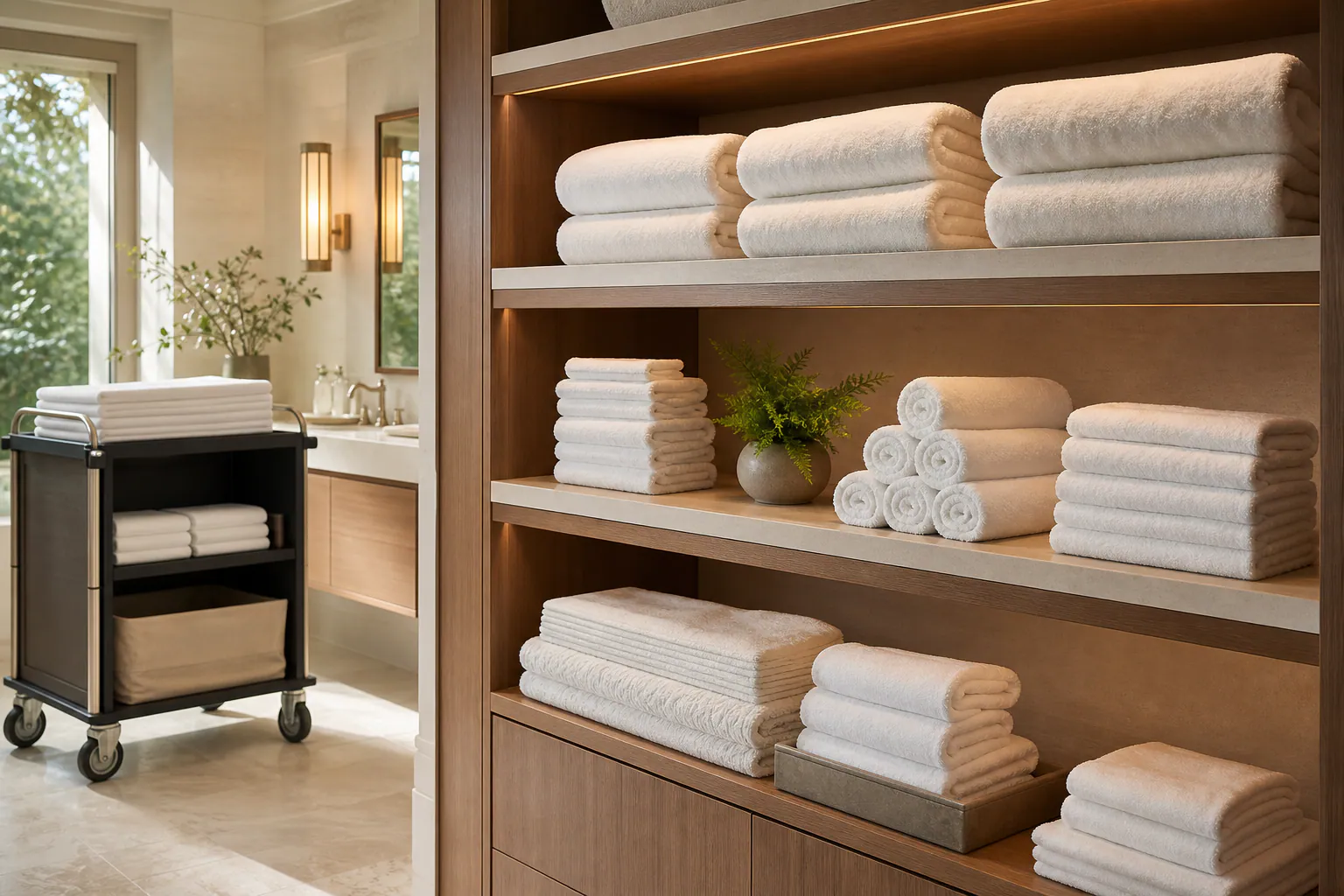
Use the textile logistics guide to define delivery handoffs and destination responsibilities. At property level, protect clean textiles from ground contact, moisture and mixed sizes without creating packaging that delays room setup.
Set seasonal par and closure procedures
Calculate stock from occupied units, change frequency, laundry turnaround, weather disruption, rejects and remote replenishment time. Separate core year-round pieces from seasonal warmth layers. Label packs by unit and bed family so temporary staff can identify the correct set quickly.
Apply the SKU quantity planning method to reopening stock and reorder points. Define how bedding is cleaned, dried, inspected and stored before seasonal closure, then review condition again before guest use resumes. Assign an owner to record missing pieces, storage damage and late replacements so the following season begins with verified usable stock rather than the previous closing count.
Approve glamping bedding in the actual shelter and service route after representative care. Control climate assumptions, complete layering, clean storage, remote logistics and seasonal stock before opening quantities are released.