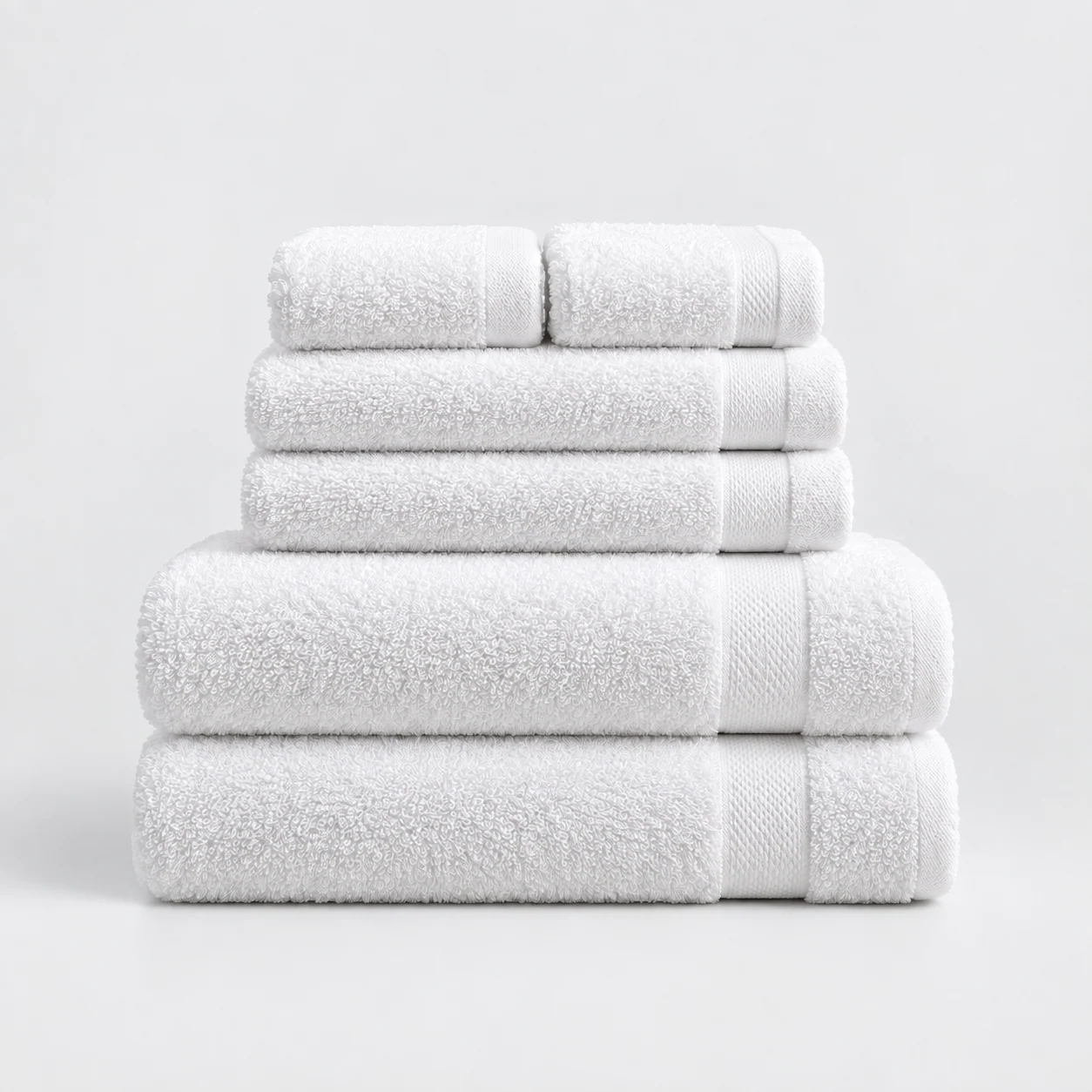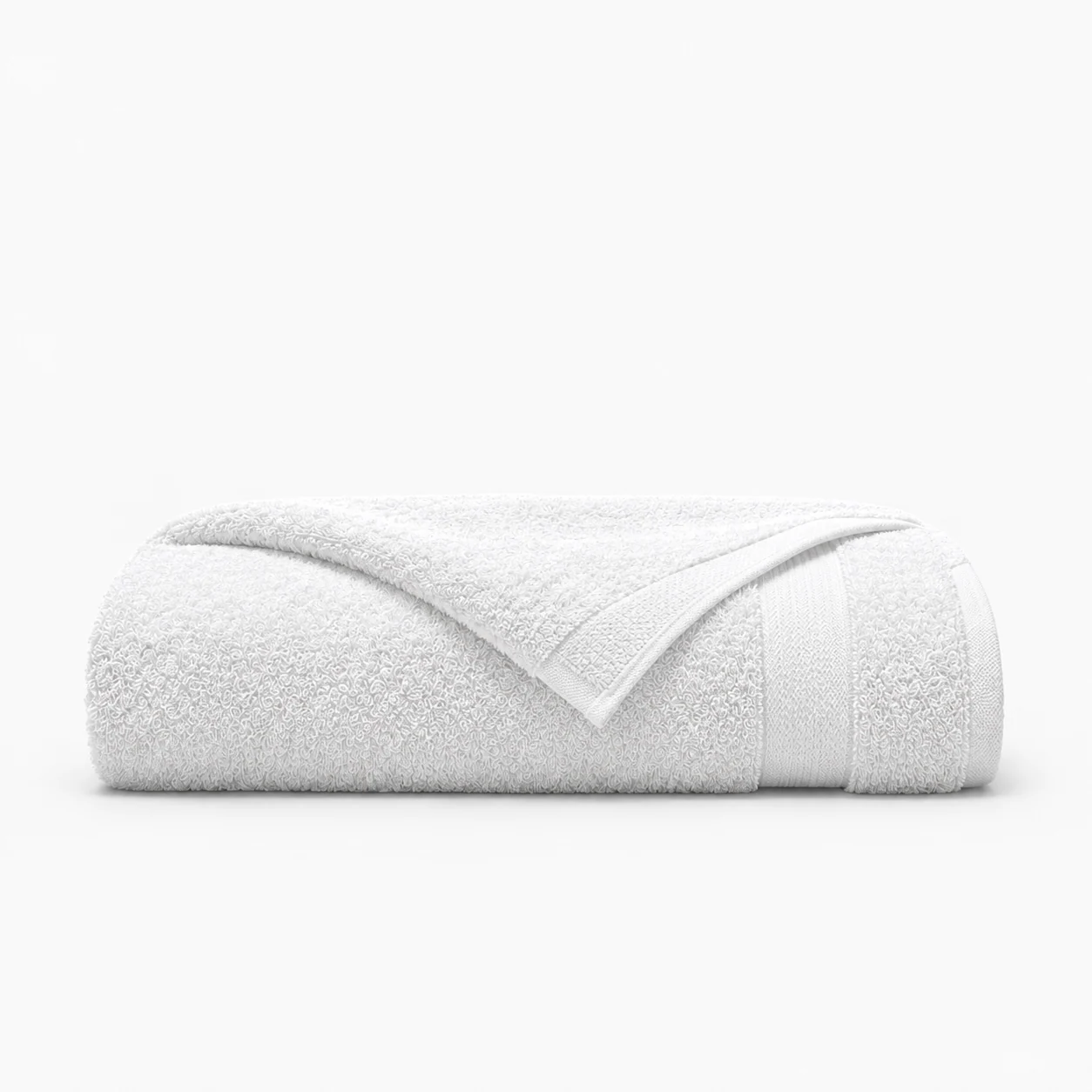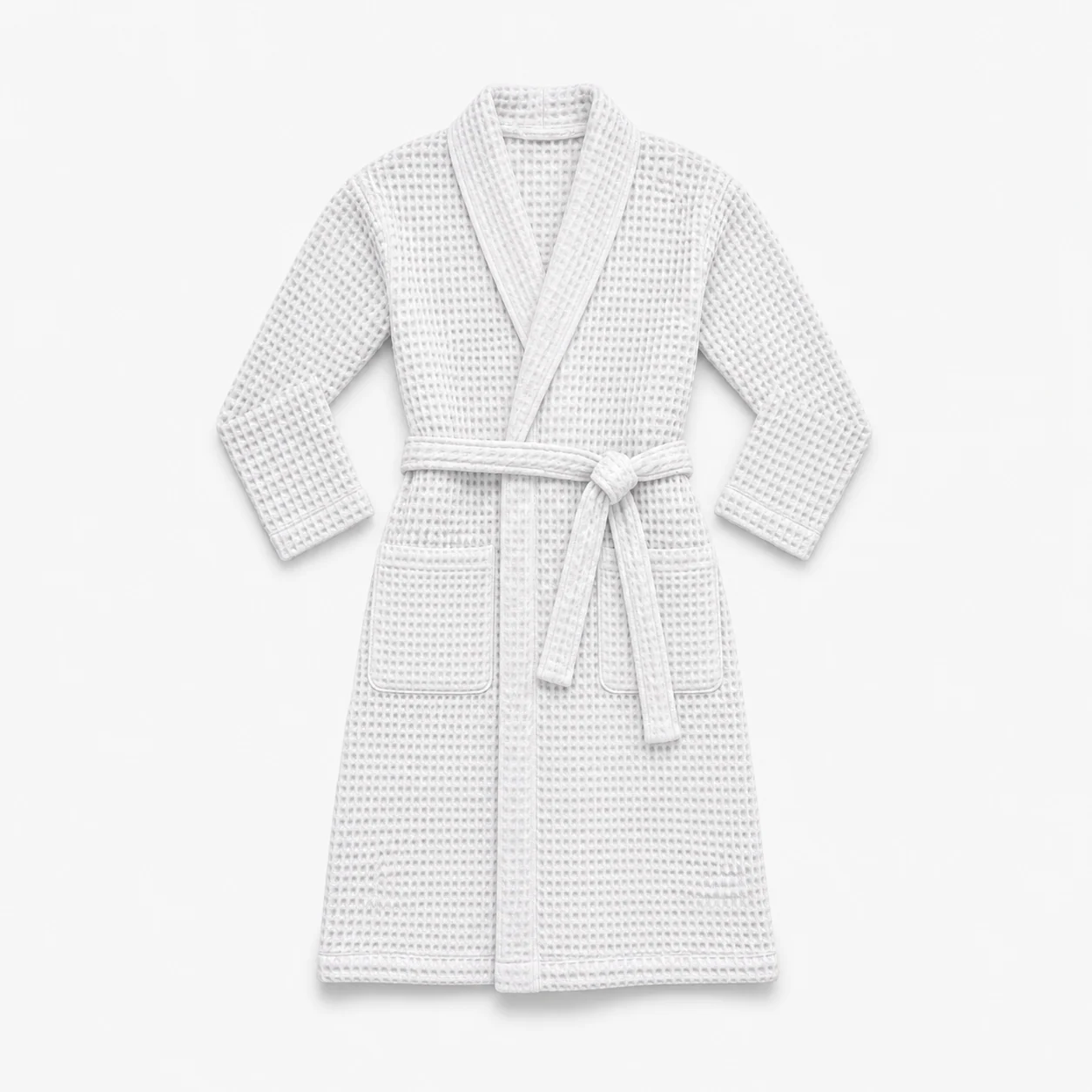
Bathrobe quality is the result of fabric, fit, construction and the hotel laundry system. Approve the guest experience and the operating cost on the same production-representative sample.
Start with guest use and property environment
Define whether the robe is for guest rooms, spa treatment, pool, retail or staff use. Climate, expected wear duration, room presentation and laundering frequency affect the suitable fabric and weight. A plush robe that feels luxurious in a cool suite may be slow to process in a humid resort spa.
Set the program scope, annual quantity, opening stock and replacement model. Compare starting directions in the bathrobe collection, then treat the selected product as a development base rather than a complete specification.
Compare fabric structure and finished weight
Terry, waffle, velour, fleece and layered constructions create different absorbency, warmth, drying and appearance. Record fiber composition, construction, finished weight, color and finish. For pile fabrics, include pile direction and shedding expectations where relevant.
Evaluate hand and appearance before and after the intended care cycles. Weight should be measured on the agreed basis and size, not used as a universal quality score. A heavier construction can increase drying time and storage bulk without improving the property's chosen experience.
Approve fit, coverage and size grading
Specify body length, chest width or sweep, sleeve length, shoulder, belt length, belt-loop placement, pocket size and collar or hood construction. If using one-size or two-size programs, trial coverage and belt position across the intended guest range.
Review movement, sleeve handling at a sink, pocket usability and presentation on a hanger. Set dimensional tolerances and shrinkage assumptions. Size labels should be discreet for guests but clear enough for laundry sorting and replacement.
Control construction and branding details
Record seam types, reinforcement at pockets and loops, edge finish, belt construction, hanger loop and label placement. High-stress attachments should be inspected as measurable details. The seam and stitch guide provides a useful structure even though robe operations differ from flat bedding.
For embroidery, specify artwork version, size, thread color, placement, backing and acceptable reverse-side appearance. Approve branding on the actual robe fabric because dense stitching can distort light waffle or pile constructions.
Validate laundry economics and replacement control
Run the robe through the intended wash, dry and finishing route. Review shrinkage, color, hand, pile, seams, belt twisting, logo appearance and drying behavior. Ask operations to assess folding, storage and issue time, not only the guest-facing sample.
Plan working par and replacement by size. Keep an approved reference and record any later fabric or thread change. A consistent replenishment program usually has greater operational value than repeatedly selecting whichever robe is available at the lowest spot price.
Track early service results by robe size and construction: missing belts, damaged loops, staining, shrinkage, guest comments and time in the dryer. Review the pattern rather than treating every loss as normal wear. These records support better reinforcement, care settings and replacement quantities for the next order.
Trial the proposed robe after care, on representative wearers and with final branding. Freeze dimensions, weight, construction and labels before bulk production.