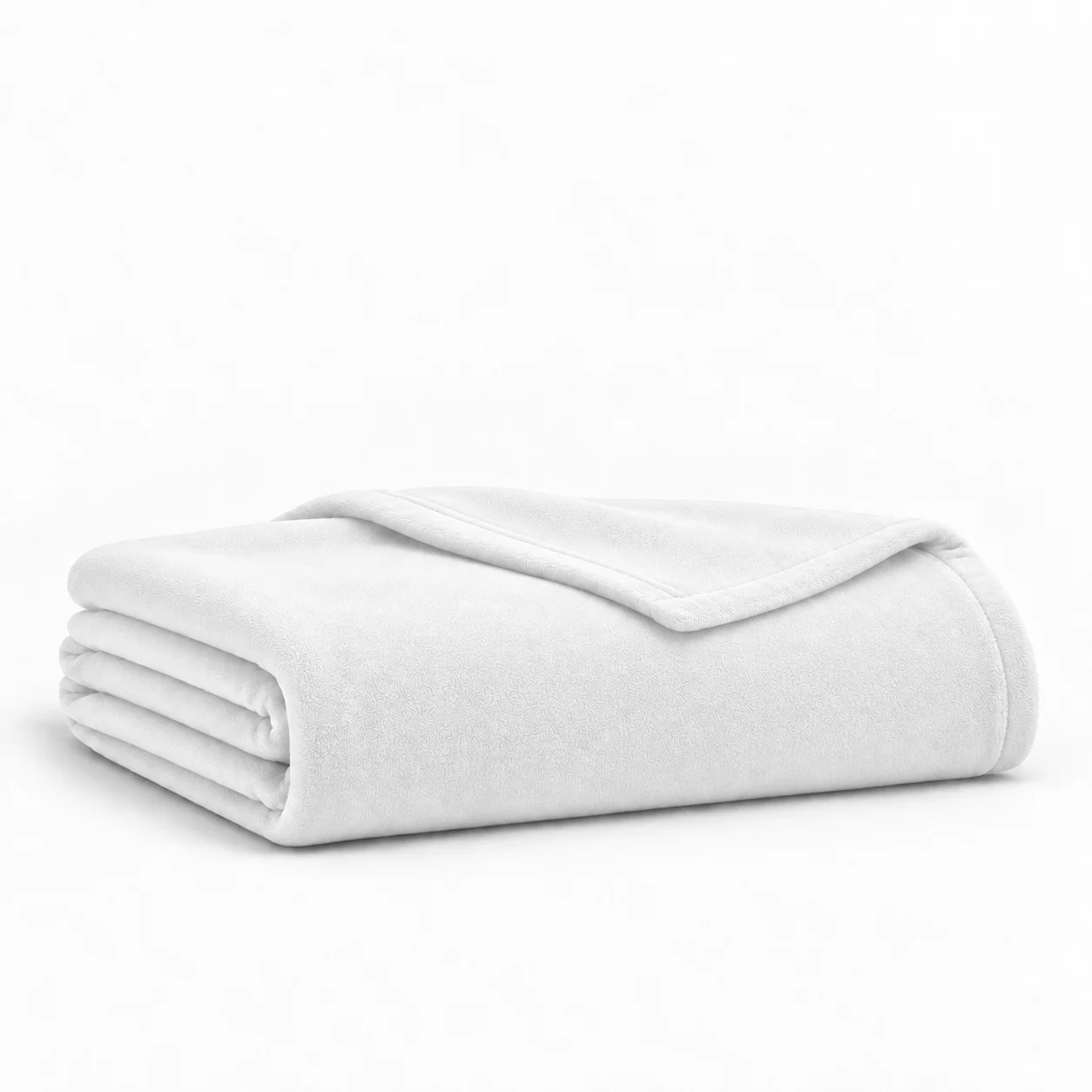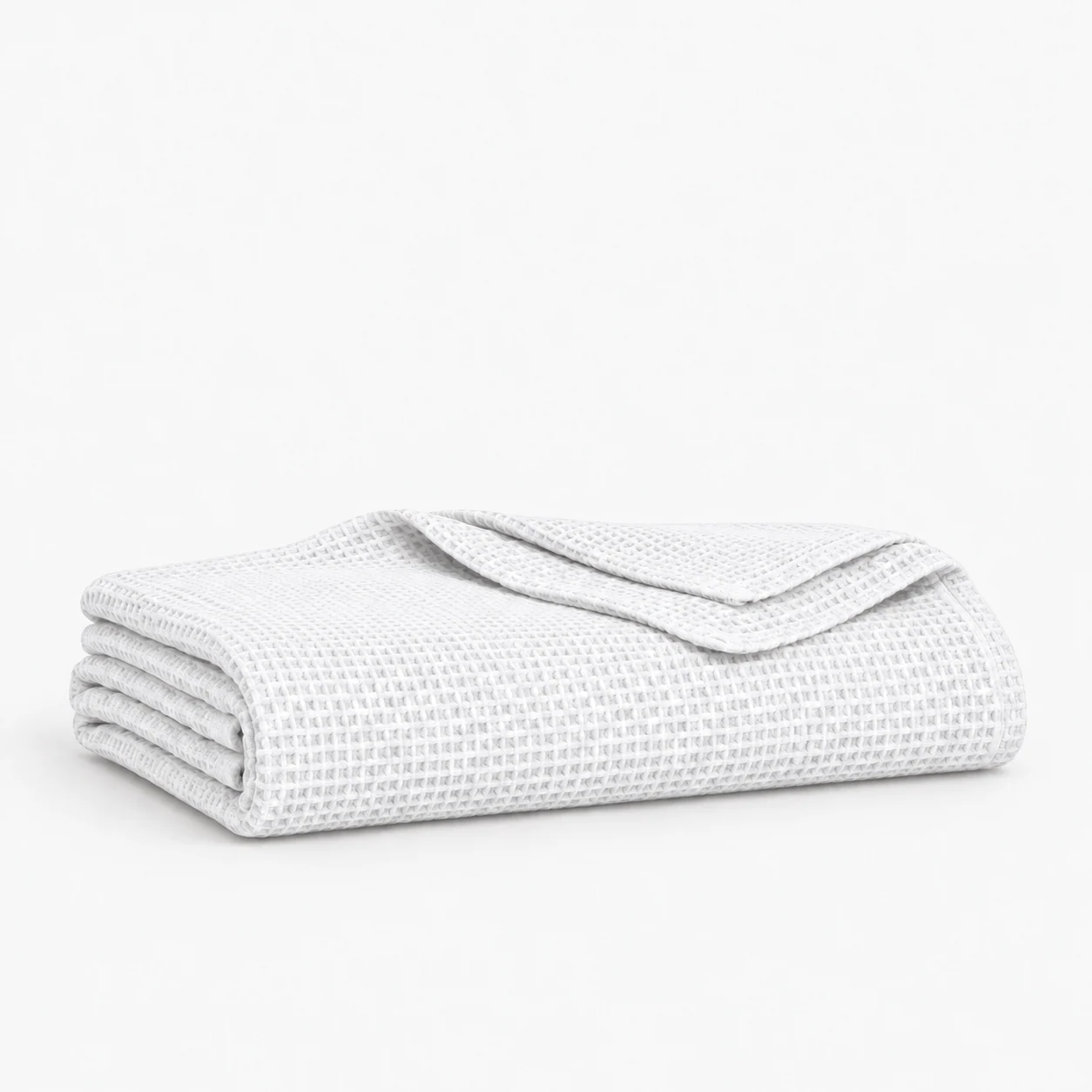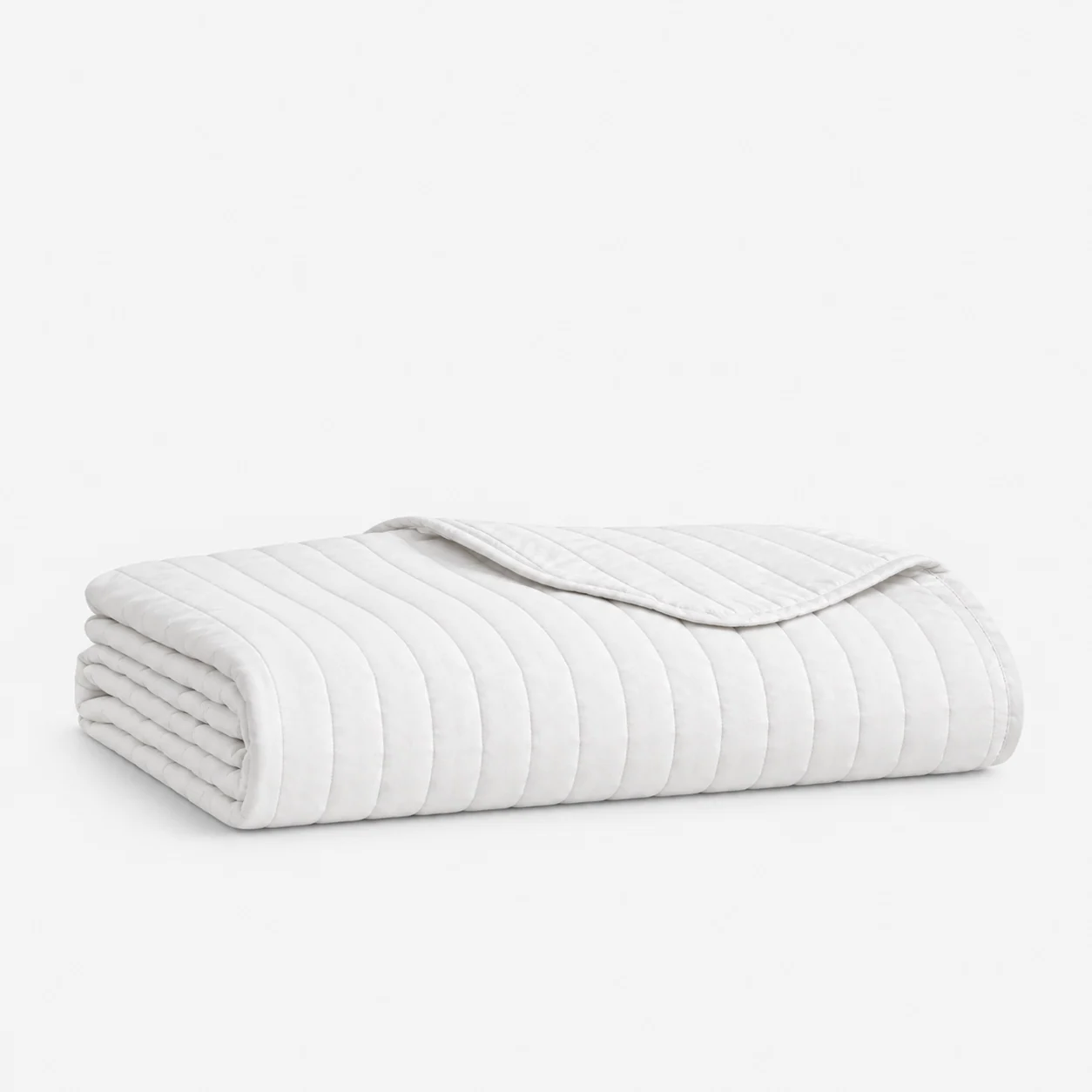
Blankets and decorative throws serve different jobs across guestrooms, suites, lounges and seasonal programs. A useful purchasing brief begins with the operating use, then turns warmth, hand feel, dimensions, durability, care and presentation into measurable decisions rather than relying on one material name.
Define where and how the textile will be used
Identify whether the item is a primary bed layer, an in-room spare, a decorative foot throw, an outdoor amenity or a guest-request blanket. State the climate, room temperature range, bed size, storage method and frequency of issue. These details shape warmth, weight, size and cleaning needs more reliably than broad labels such as luxury or all season.
Clarify guest contact and presentation. A blanket placed between sheets has different softness and snagging priorities from a throw arranged over luggage-height furniture. Coordinate sizes with the hotel bed-linen size matrix so the textile provides the intended coverage without excessive overhang.
Compare fibers and constructions as complete systems
Review cotton, wool, acrylic, polyester and blends in the actual knitted, woven or fleece construction. Ask for finished weight per square meter, thickness, surface structure and relevant finishing. Two products with similar fiber labels may differ greatly in warmth, air flow, drying time, static, lint and long-term appearance.
Evaluate hand feel on both faces and along bound edges. For brushed or raised surfaces, examine fiber shedding and matting. For open weaves or knits, assess snag risk from jewelry, housekeeping tools and room fixtures. Material claims should be supported by the applicable certificate scope and product evidence.
Set performance checks for the real risk profile
Build a focused plan for dimensional change, colorfastness, pilling, abrasion, seam strength, edge durability and appearance after care. Add flammability or other market requirements where relevant to the destination and intended use. Do not request a long list of tests without defining methods, thresholds and the stage at which results must be approved.
Inspect corners, labels, blanket stitching, binding joins and decorative fringes. Rub the surface against representative white and dark fabrics to reveal loose fiber or color transfer. Use the bedding testing plan to connect each result with a purchase decision rather than collecting reports after production.
Trial laundering, drying and room presentation
Send production-representative samples through the intended hotel or outsourced care route for multiple cycles. Measure, weigh and photograph the item before and after care. Look for edge distortion, shrinkage, pilling, felting, shade change, lint, odor retention and drying bottlenecks. Include the storage and folding process because bulky blankets can consume unexpected space.
Ask housekeeping to make the bed or place the throw using the approved presentation. Observe alignment, fold repeatability and whether the item slides during normal use. Compare the resulting instructions with the hotel linen care guide and label wording before bulk release.
Plan packaging, seasonal stock and replenishment
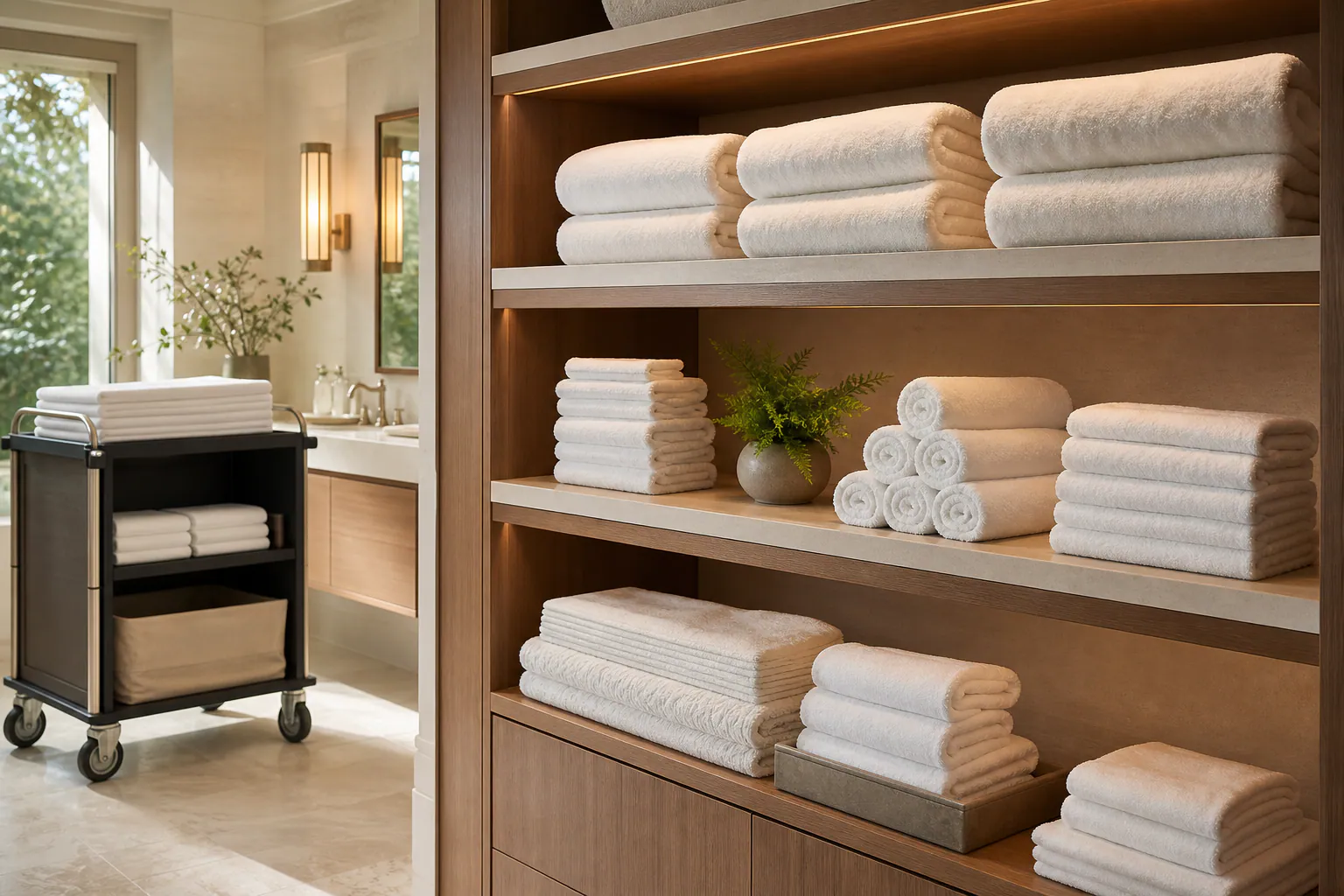
Set individual or grouped packing based on property allocation and protection needs. Avoid compression that permanently changes loft or presentation. Cartons should identify size, color, use location and quantity, while internal labels must remain readable after care and distinguish visually similar weights.
Forecast opening stock, in-use quantity, laundry turnaround, seasonal reserve and replacement demand separately. If colors rotate, decide whether older shades may coexist or require a controlled phase-out. Preserve the approved sample and specification so a later reorder matches not only the color but also the warmth, surface and finished dimensions.
Approve warmth and appearance through a real care-and-room trial. The release record should identify fiber, construction, finished weight, size, color, edge treatment and performance limits.