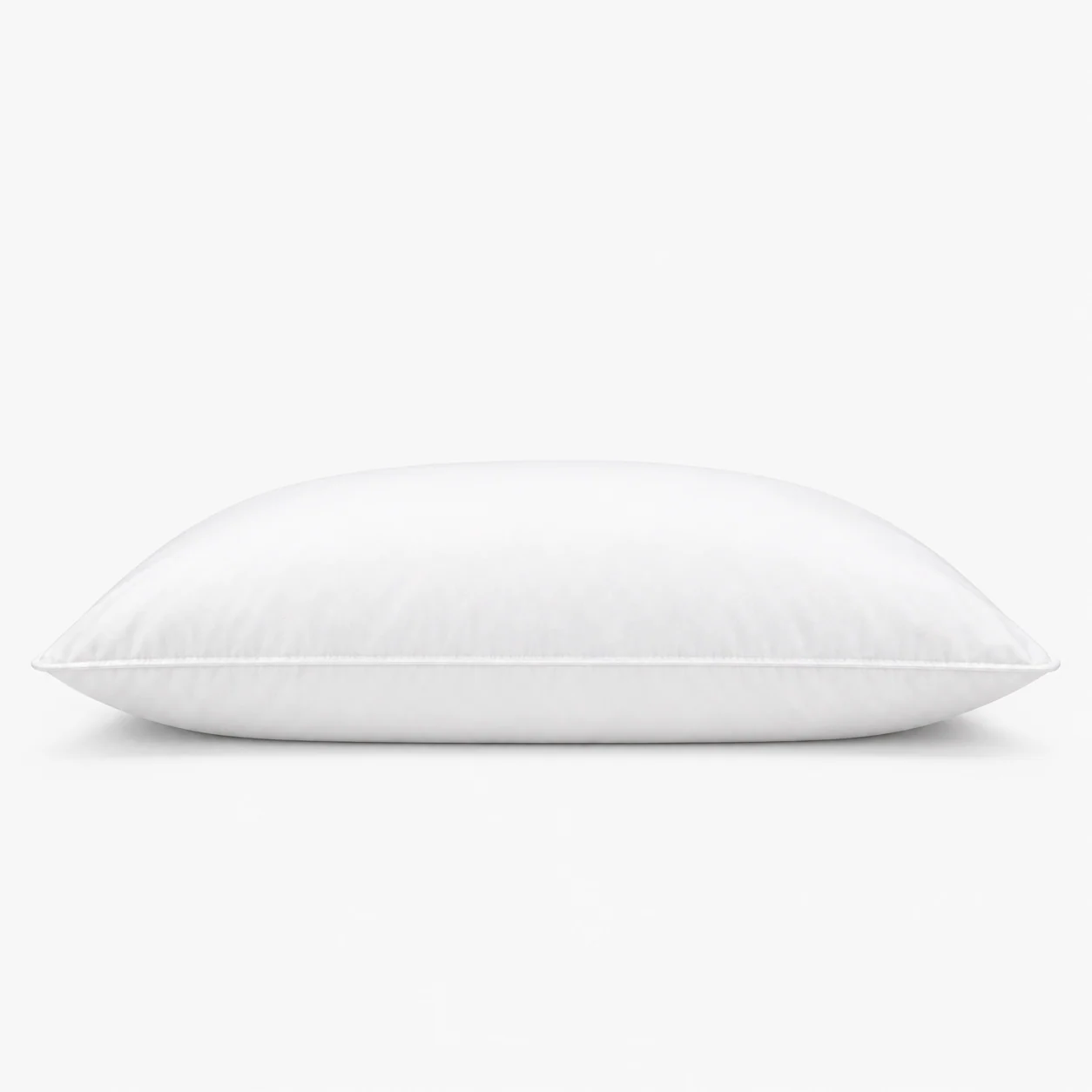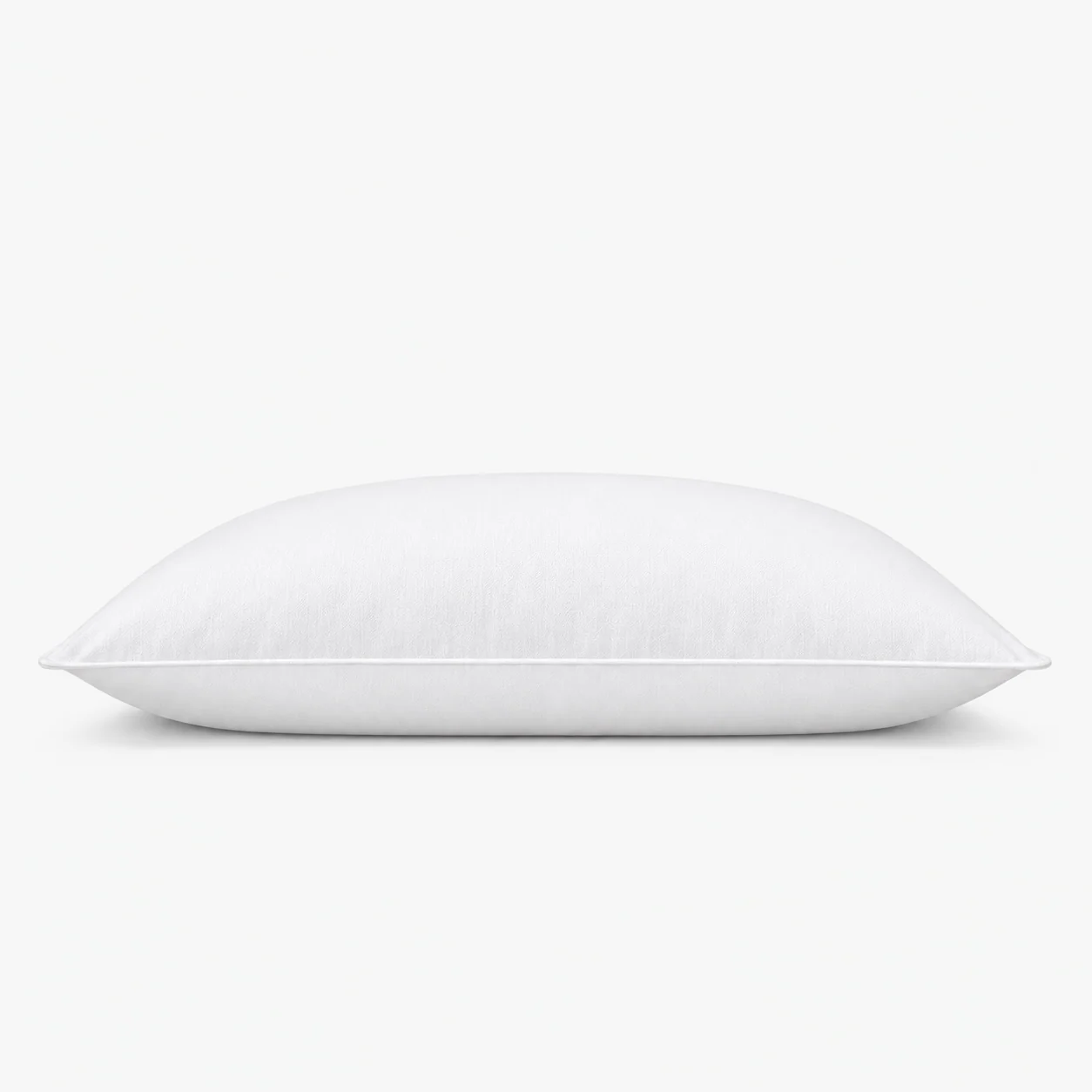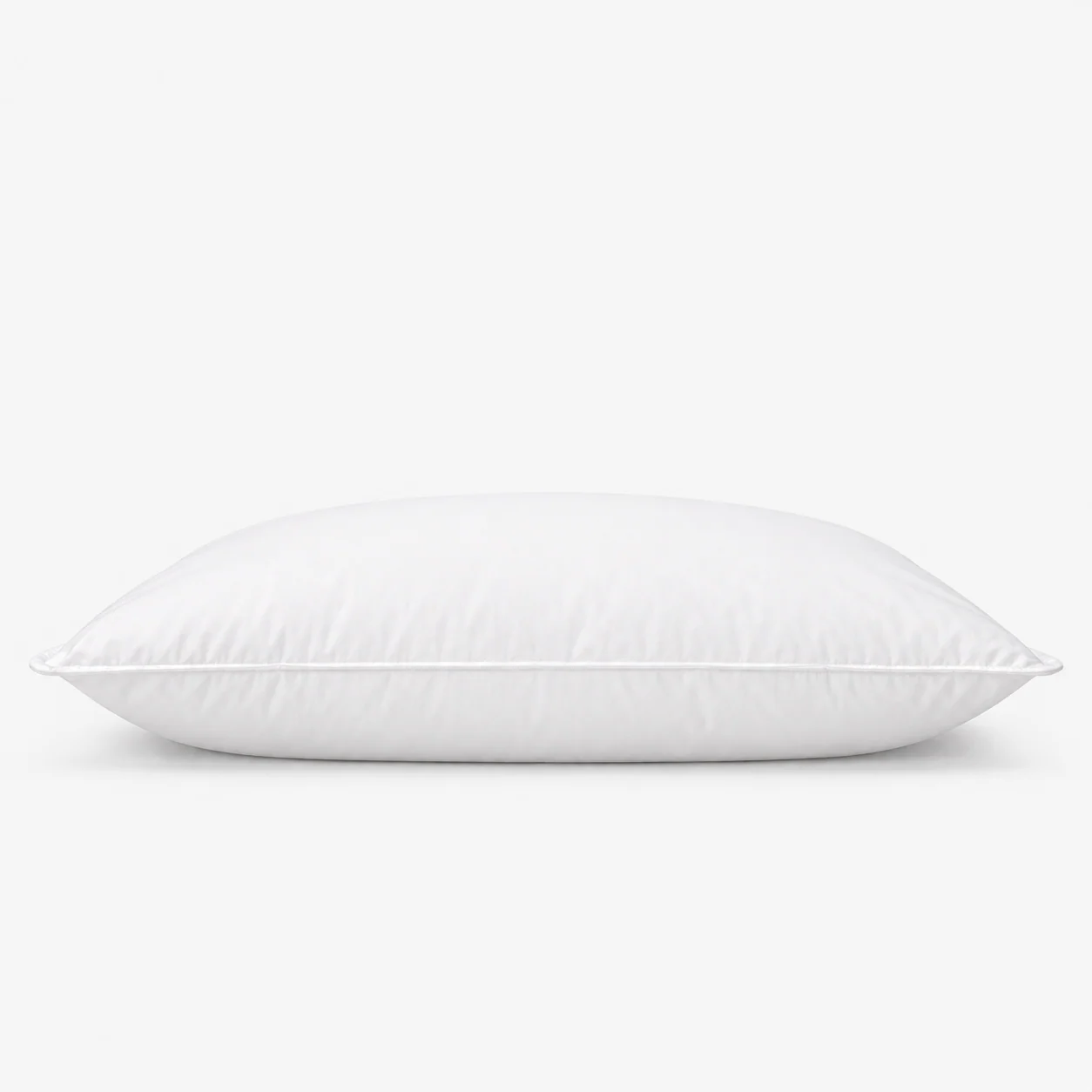
A pillow menu can improve guest choice, but too many loosely defined options create mixed stock, inconsistent replacement and difficult housekeeping. Procurement should translate each comfort promise into a controlled insert, cover, identification method and service process, then size inventory from real request patterns.
Define a small set of meaningful comfort options
Start with guest needs the property can serve consistently, such as softer, firmer, lower-profile, higher-profile or a qualified material alternative. Avoid menu names that sound different while referring to nearly identical products. Each choice should have a clear purpose, service description and internal item code that reservations, housekeeping and purchasing use in the same way.
Review brand positioning, climate, room types, bed sizes and the operating capacity to deliver requested items. A focused menu with dependable availability is stronger than a long list that regularly produces substitutions. Record the approved range in the hotel bedding specification.
Specify every pillow as a complete construction
For each option, state finished length and width, shell fiber and construction, fill material, fill weight, chamber design, edge finish, nominal loft and acceptable tolerance. Describe firmness through approved physical references and relevant measurements rather than one adjective. Identify whether the pillow is supplied with a protector and which pillowcase size is assigned.
For filled products, control the fill source, blend, processing and distribution through the fill specification method. A later change in fill weight or shell air permeability can alter height and recovery even when the outer dimensions remain unchanged.
Run coded comfort, care and recovery trials
Use production-representative coded samples so reviewers respond to comfort rather than product names. Include different sleep positions and representative room temperatures, while keeping any health-related decision with qualified professionals. Record support, pressure feel, heat, noise, odor and recovery after compression using a consistent evaluation form.
Process protectors and washable pillows through the intended care route, then assess dimensions, fill distribution, seam condition, drying and odor. For non-washable inserts, validate the property cleaning and replacement process. A menu option must remain distinct after normal service, not only when it is new.
Design identification and delivery for housekeeping
Choose durable identification that is discreet to guests but unmistakable to staff. Labels, piping colors, storage bins and property system codes should agree. Test retrieval and return during a normal shift, including how used pillows are isolated, inspected and released back to clean stock.
Define whether selected pillows are pre-positioned, delivered on request or assigned to a guest profile. Document the clean cover requirement, delivery packaging, room placement and collection route. Training should explain both the guest-facing name and the actual SKU to prevent friendly menu wording from becoming an inventory description.
Set stock ratios from demand and replacement evidence
Estimate launch quantities from occupied rooms, expected request rates, service promises, laundry or quarantine time and reserve. Track requests, unavailable choices, substitutions, rejection reasons and retirement by option. Rebalance stock using several representative periods rather than one unusually busy event.
Maintain a cared-for approved sample and current bill of materials for each choice. Reorders should preserve comfort, not simply size and label. Use the SKU quantity planning approach to control room allocation, case packs and replacement thresholds.
Approve each menu option as a named, testable construction with a distinct service purpose. Release the specification, identifier, care route, room process and opening stock ratio together.