A bedding fabric can have a linen-like appearance without containing flax linen. When a supplier proposes ramie and cotton, the buyer needs to establish what those names refer to in the actual construction before discussing retail copy or comparing a linen-blend offer. Start with fibre identity, then clarify whether the materials are blended within yarns or used in different components. Appearance and hand are useful observations, but neither settles that specification.
Keep ramie distinct from flax linen
Similar styling does not make the fibres interchangeable
CottonWorks identifies ramie as a bast fibre from Boehmeria nivea and notes that it can be spun alone or combined with cotton. That does not make ramie another name for flax linen. Use the specific material names in the supplier brief and keep a linen-look design description separate from the composition statement. If an offer uses the words interchangeably, ask for clarification before the sample becomes the basis of a purchase decision.
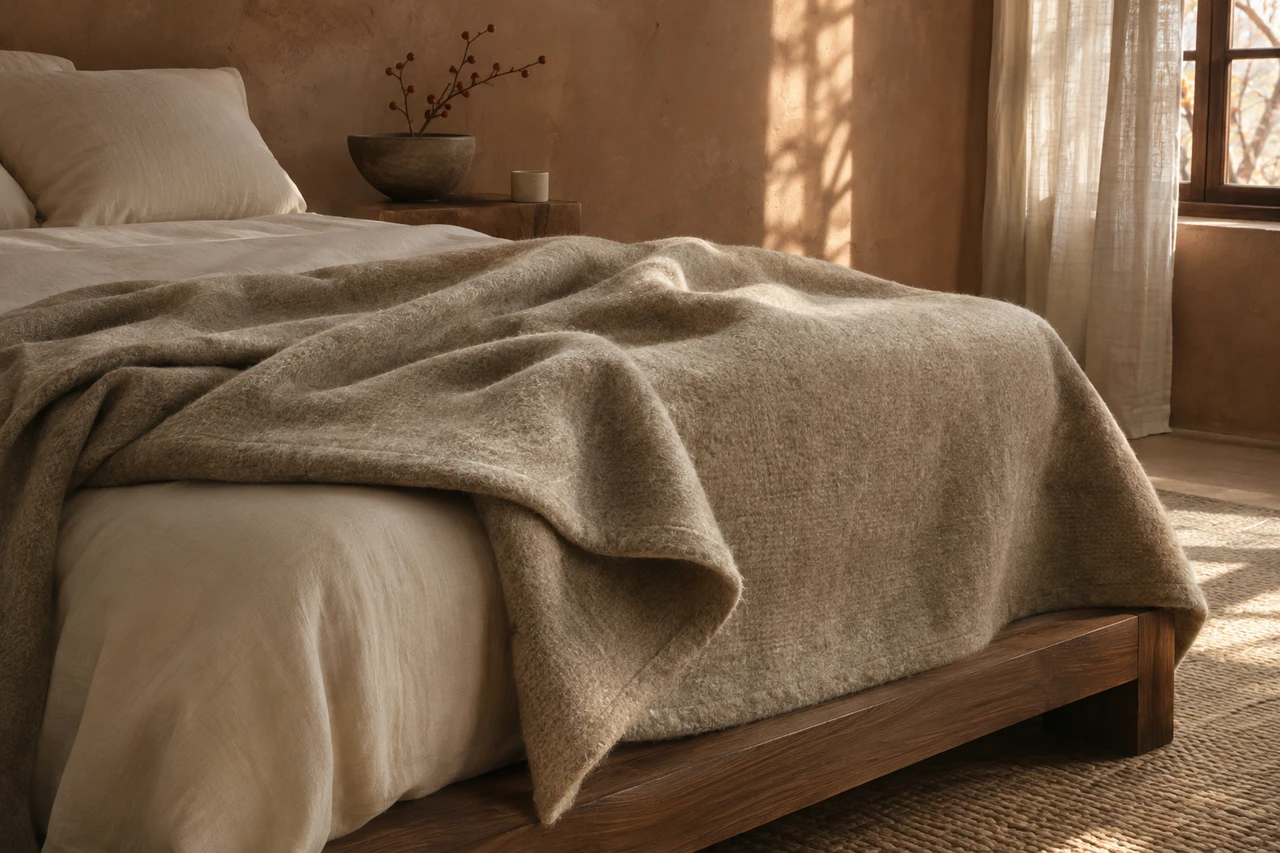
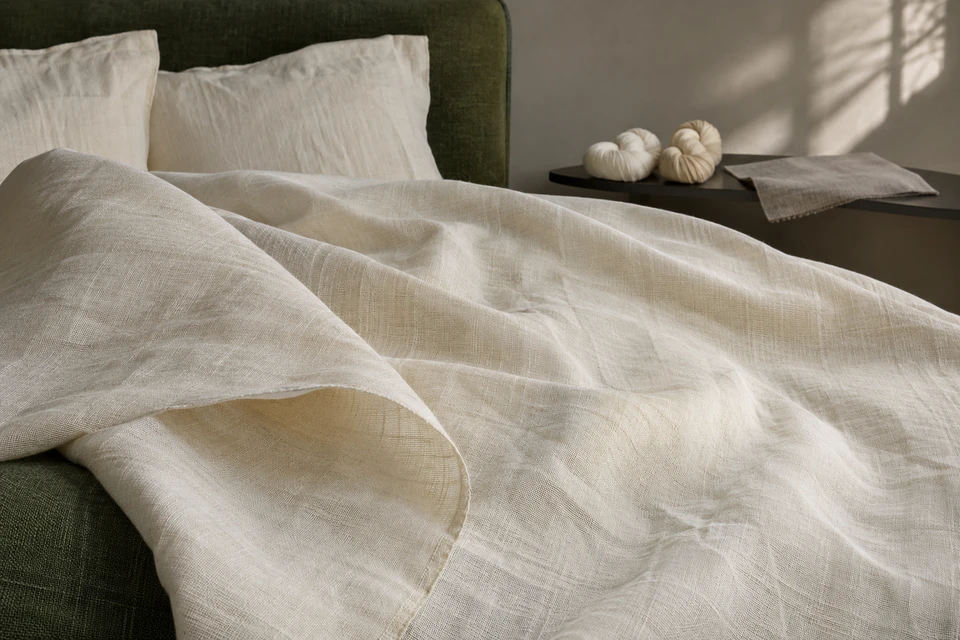
A supplier may intend linen-like to describe a relaxed texture, a visible weave or a particular aesthetic. Those observations can be discussed without converting them into a fibre claim. Record what the buyer wants to preserve visually and what material construction is actually proposed. Do not assume a natural-looking shade, slub effect or crisp hand identifies ramie, flax or any other fibre. The sample needs supporting material information rather than a conclusion drawn from its photograph.
Ask where the cotton and ramie are located
A blend and a mixed construction are different descriptions
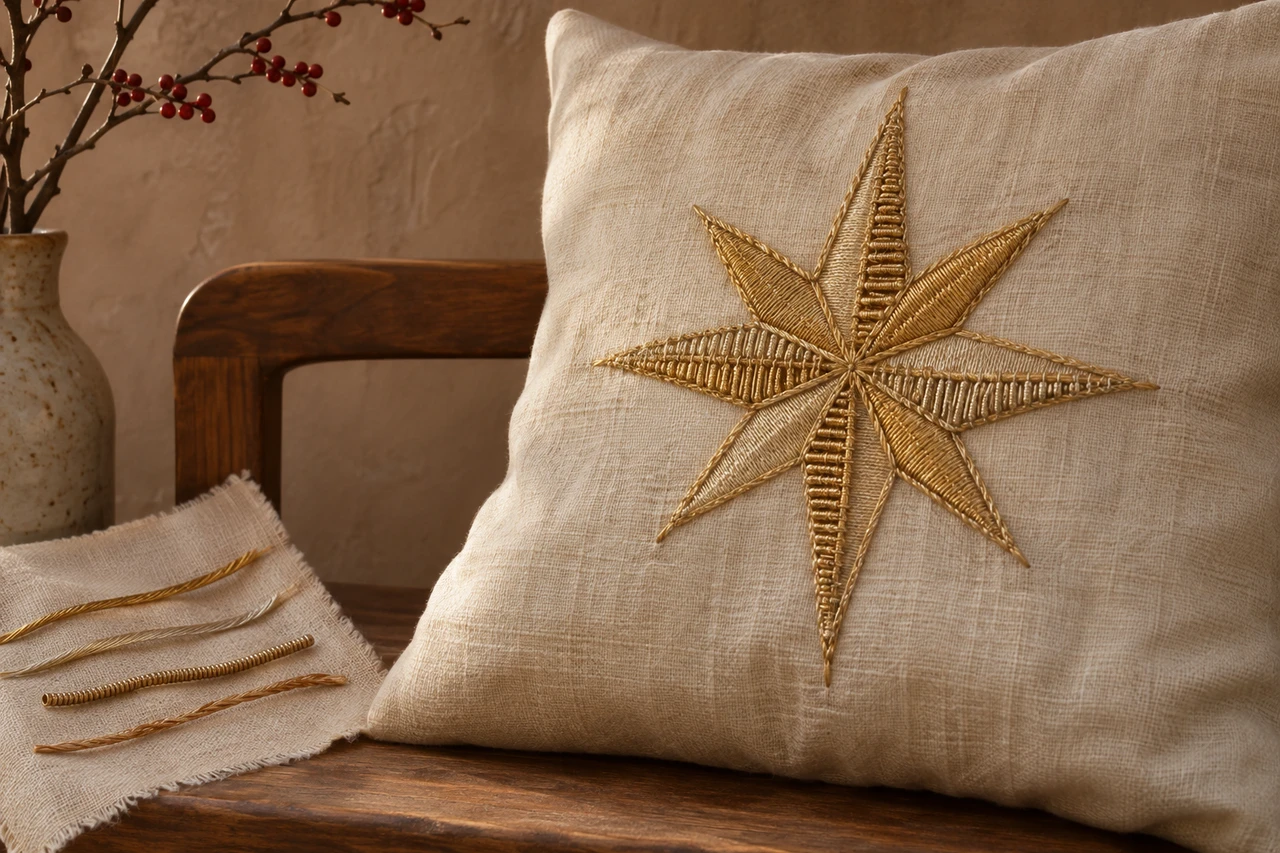
Request a component-level explanation of the offered fabric. Are the fibres combined in a yarn, used in different yarn systems or present in separate parts of the finished bedding item? Ask the supplier to show how its composition statement relates to the actual construction. A broad phrase such as ramie-cotton bedding can leave these arrangements ambiguous, particularly when the face, reverse, trims or decorative components are not all made from the same material.
Keep declared proportions and their basis explicit in the project record. Do not invent percentages from a collection name or assume that a statement for one fabric covers every component in the set. If the supplier changes the construction while retaining a similar overall appearance, request an updated material description and determine what verification is needed. The commercial offer should identify the proposal being purchased, not merely the family of fibres used somewhere in it.
Obtain evidence that answers the identity question
A generic fabric sheet is not lot traceability
Link the proposed composition information to the supplier's fabric code and the physical sample under review. Ask what records support the fibre declaration and how the production material will be traced to that specification. Where independent verification is needed, consult a suitable textile laboratory about the question to be answered and the method's limitations. Do not assume that a visual inspection or an unrelated test report can distinguish every possible fibre combination.
Review the scope of any report supplied: sample identifier, tested component, stated method and date. A report may be useful without covering the entire finished set. Keep that limitation visible when deciding what can be claimed. If the evidence does not resolve a material uncertainty, hold the composition wording and ask for the missing clarification. A purchasing team should not replace incomplete evidence with a more marketable name simply because the fabric resembles a familiar linen product.
Compare hand and appearance after identity is clear
Finishing can change the buying impression
Once the proposed materials and construction are understood, compare the actual finished samples for the qualities the collection needs. Note drape, surface appearance and the buyer's hand assessment without presenting those observations as universal fibre properties. Keep the finishing status of each sample clear. Comparing a softened development fabric with an unfinished alternative can create a misleading impression of the difference between ramie-cotton and another material combination.
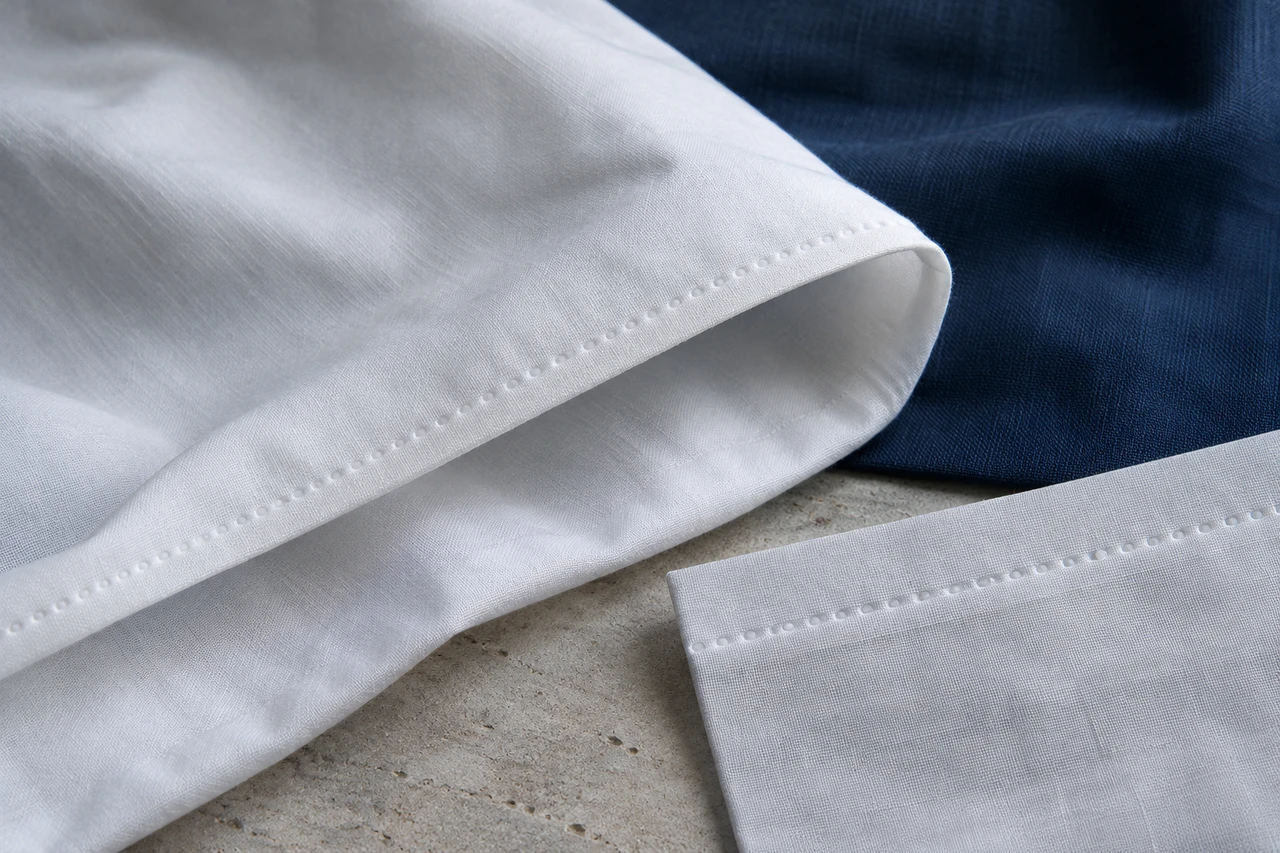
Review the proposed finished bedding article, not only a small fabric swatch. A relaxed-looking sheet, a pillowcase edge and a larger duvet panel may present differently in use. If the buyer chooses an alternative because of appearance or hand, record the selected construction and sample rather than retaining an earlier material description. The goal is a consistent specification from the physical reference through the quotation and product copy, even when the design direction stays broadly similar.
Treat care and performance as project evidence
Fibre identity does not approve a finished article
Agree the care route and the performance questions that matter for the intended retail or hospitality use. Ask for evaluation of the actual proposed construction and keep any findings tied to the identified sample. A correct fibre declaration alone does not establish dimensional stability, abrasion behaviour, colour retention or suitability for a particular laundry. Those issues require their own appropriate assessment rather than assumptions based on the reputation of a fibre category.
Likewise, avoid adding environmental, antibacterial, hypoallergenic or other benefit claims simply because ramie is plant-derived. A botanical origin is not evidence for every finished-product statement. Determine which claims, if any, the project intends to make and obtain the relevant substantiation with a clear scope. Any destination-specific labelling or compliance question should be checked with a qualified party for the actual composition and market; this sourcing guide does not supply a legal determination.
Align the quotation, sample and product description
Keep the aesthetic language in its proper place
Prepare an enquiry that separates the desired linen-like aesthetic from the proposed ramie-cotton construction. Include the product types, finished sizes, quantities, target market, authorised design references and care expectations. Ask FY Bedding to review the brief and clarify whether the requested material route can be proposed, what samples are needed and which details remain to be confirmed. No collection photograph should be treated as proof of a specific blend, stock position or price.
Before release, compare the final quotation, approved sample record and planned customer-facing description. They should refer to the same material arrangement and supplied components. Keep any linen-look phrase clearly about appearance and avoid presenting it as flax content when that has not been established. Retain the evidence and approved wording for repeat orders, and require review when the supplier proposes a material substitution. This gives the buyer a defensible description without losing the intended design direction.
Confirm ramie as a distinct fibre, locate each declared material in the construction and link the statement to the approved sample. Keep linen-look styling separate from composition and obtain independent support for any additional performance or benefit claim.
Method references: CottonWorks: ramie fibre identity.