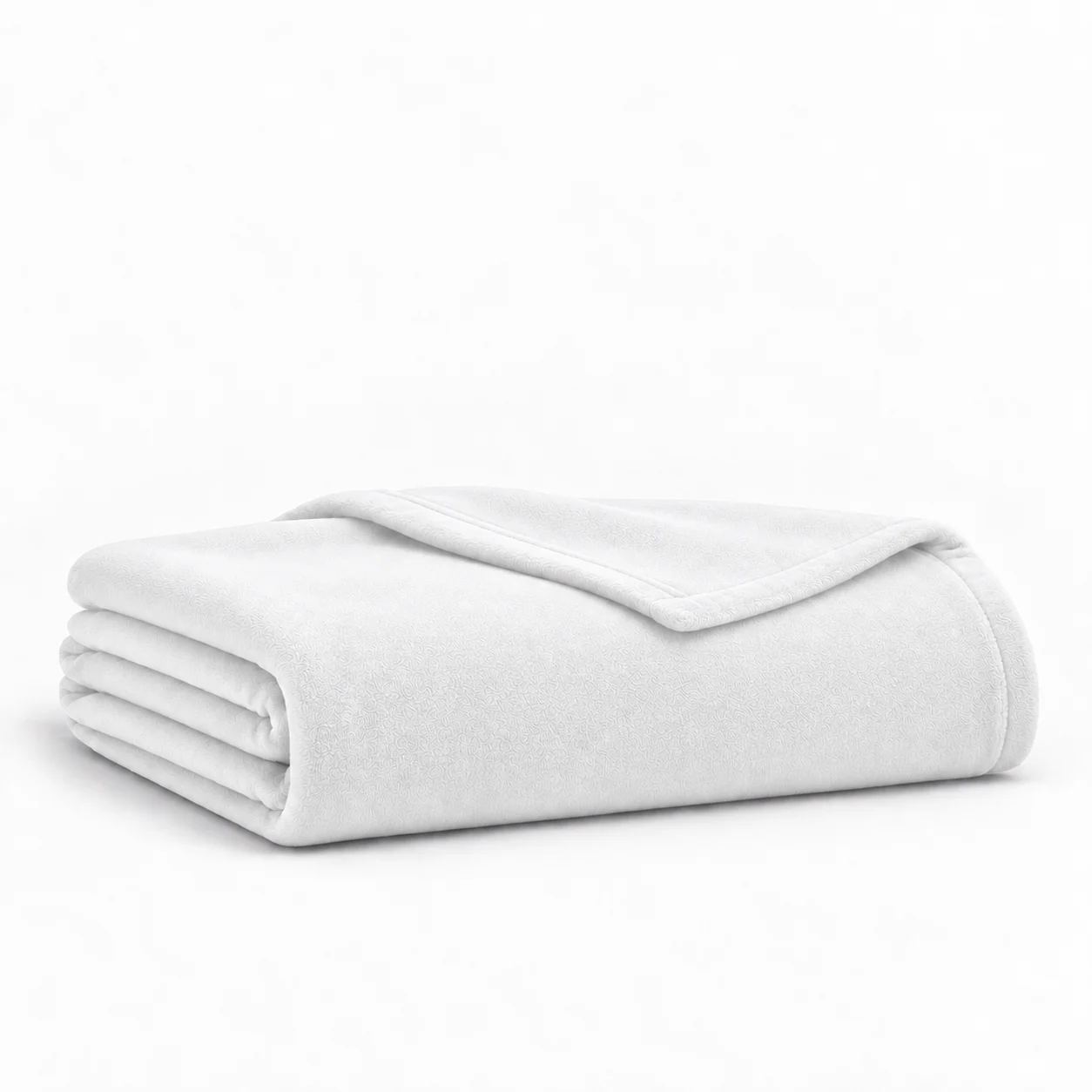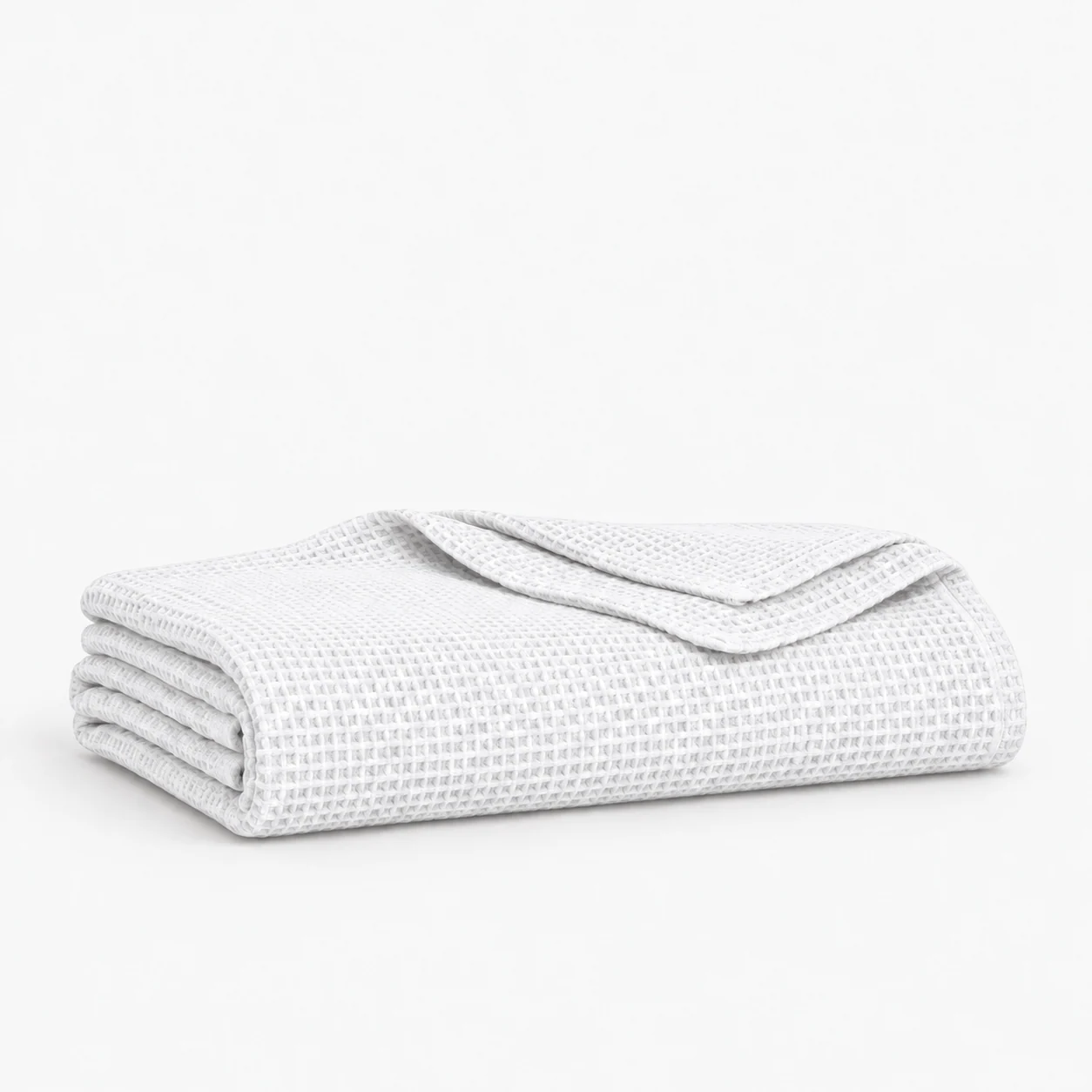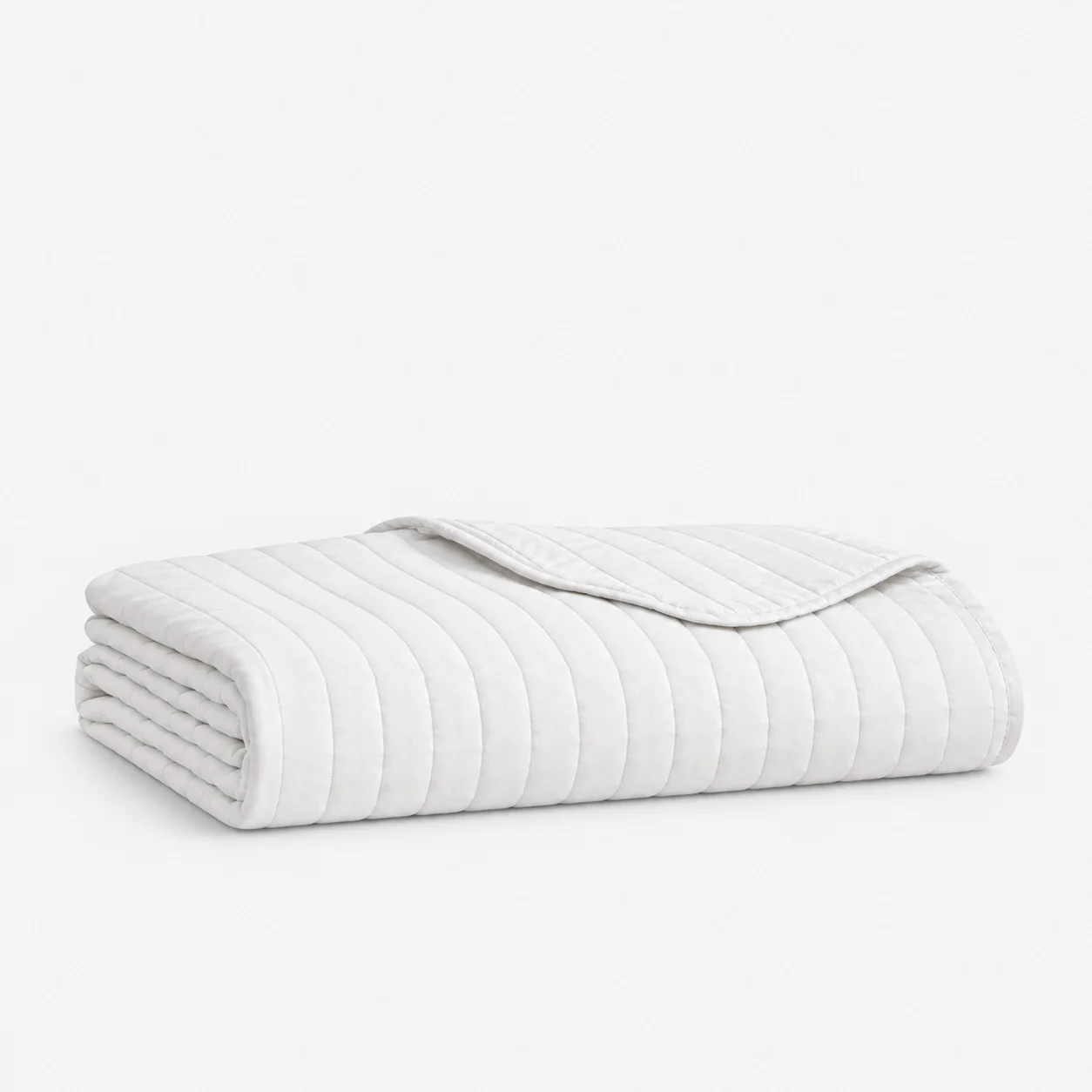
A plush blanket can look like one continuous material in a retail photograph, yet its supporting ground and pile deserve separate attention in a buying specification. For a Raschel proposal, ask how the knitted structure and visible pile are described, which components carry the declared fibres, and what the complete finished blanket actually looks like on both sides.
- 1. Confirm the construction behind the Raschel description
- 2. Give the ground and pile separate material entries
- 3. Identify the saleable face and reverse
- 4. Review the edge where components meet the finish
- 5. Compare quotations at the same supply stage
- 6. Close the specification around one approved blanket
Confirm the construction behind the Raschel description
Do not buy a machine name as a specification
Karl Mayer's double-needle-bar Raschel material illustrates the distinction between ground and pile yarn systems in this type of production. That distinction is useful for procurement, but it does not identify the construction of every blanket offered under the Raschel name. Ask the proposed supplier for a description of the actual material and a physical reference corresponding to the quotation.
Keep the requested fabric construction separate from claims about the supplier's equipment. A buyer does not need to imply that FY Bedding owns a particular machine in order to discuss a Raschel blanket project. The relevant information is what structure is proposed, who can substantiate it and which sample demonstrates it. If the offered blanket uses a different manufacturing route, name that route accurately before comparing options.
Give the ground and pile separate material entries
A soft face does not reveal the whole composition
Record the declared material used in the knitted ground and in the pile, together with the basis for any overall fibre statement. Ask whether the two sides have the same pile arrangement or different finishes. Do not infer the backing material from the visible face, and do not calculate an overall composition from how much area each component appears to occupy in a photograph.
This information makes substitutions easier to assess. A change in the pile yarn and a change in the supporting ground are different proposals, even if both blankets look similar at first glance. Require the supplier to identify the component being changed and provide a revised sample where needed. The approved technical record should remain linked to the finished blanket, rather than to a broad family of plush fabrics.
Identify the saleable face and reverse
Review the blanket in normal handling
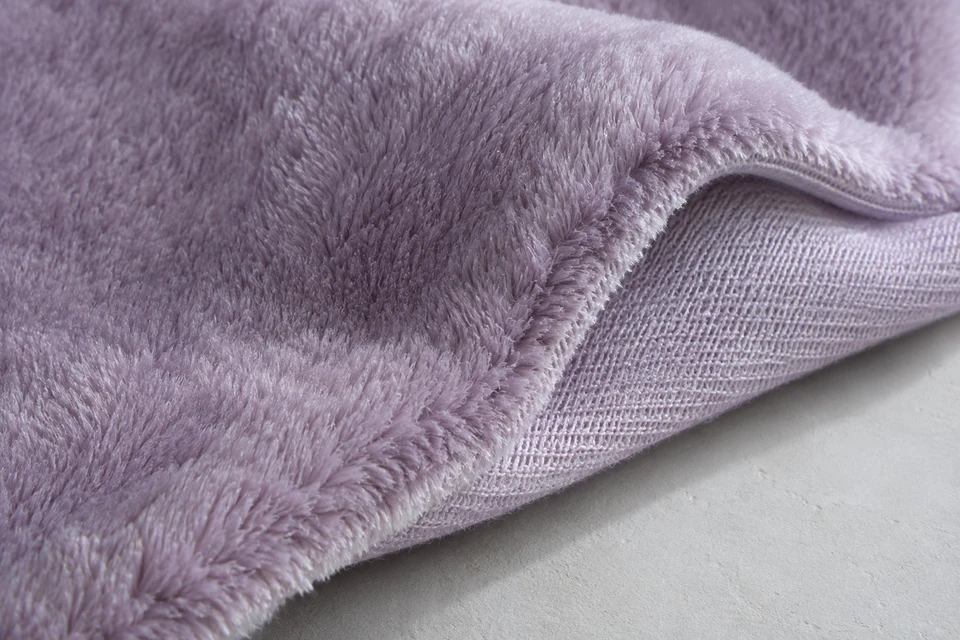
Place the sample flat, fold it and turn it over. Decide which side is intended to be presented as the main face and whether the reverse is an equally visible product surface. Compare the proposed pile appearance, density impression, direction and colour effect under ordinary light. These are sample-review observations, not proof of a measured performance level or a particular fibre identity.
If brushing or another finishing step changes the surface, ask how that finish is represented in the approved sample. A swatch captured before the final finish should not be used as the only appearance reference for the delivered blanket. Keep the expected visual differences between face and reverse explicit so that the receiving team does not reject an intentional contrast or overlook an unapproved change.
Review the edge where components meet the finish
Use the actual binding or hem proposal
The finished edge is where a buyer can assess the proposed blanket construction as a complete item. Request a sample using the intended binding, hem or other edge treatment. Examine corners, joins and the transition from plush surface to finished edge. The purpose is to approve the specific combination, not to assume that a tidy raw fabric sample will produce an equally satisfactory finished blanket.
Where the intended use involves frequent handling or a defined care programme, ask what evaluation is appropriate for the whole construction. Agree the relevant observations and acceptance criteria with the supplier or technical reviewer. Do not invent a universal shedding limit, seam-strength value or washing guarantee from the word Raschel. A construction name cannot replace evidence for the finished item and its proposed use.
Compare quotations at the same supply stage
Keep finishing and conversion work in view
Clarify whether each offer covers unfinished plush material, finished fabric, cut panels or complete blankets. Record the specified size, component declarations, finish and edge construction alongside the sample code. If an alternative quote excludes an operation included elsewhere, make that visible before comparing commercial totals. A simple fabric price is not automatically a lower-cost route to the same saleable product.
Ask how colour options, blanket sizes and finishing choices affect the proposed minimum quantities and sampling plan. Obtain current project-specific information rather than assuming that a machine's published capabilities establish a supplier's available range. Delivery timing also needs confirmation against the actual material and conversion route. Neither an equipment brochure nor an attractive stock photograph demonstrates that the requested blanket is available now.
Close the specification around one approved blanket
Make component changes traceable
The release file should bring together the ground and pile descriptions, overall composition information, face-and-reverse photographs, finished-edge sample and proposed care evidence. Give the approved blanket a revision that can be referenced in the purchase order and inspection instructions. If a component or finish changes, require the developer to state whether the existing reference still represents the offer or a new approval is needed.
For a Raschel blanket enquiry with FY Bedding, provide the intended application, size range, desired surface appearance and care expectation. Ask for confirmation of a suitable material proposal and development route. This creates a practical starting point for comparing plush blanket options without claiming that an illustrative image proves the knitted structure, specific machinery, production capacity or a tested performance outcome.
Release the order against an identified ground-and-pile construction, supported material declaration, approved face and reverse, and a finished blanket sample with the intended edge treatment.
Method references: Karl Mayer: double-needle-bar Raschel ground and pile systems.