A crosswise bar in a woven bedding fabric may invite a quick explanation that the loom stopped. That is a hypothesis to investigate, not a diagnosis established by a photograph. Buyers need a record that connects the visible bar to the fabric direction, sample location and relevant production history. They also need a separate decision on how much material is affected and whether it meets the purchase requirement.
Locate the bar in fabric coordinates
A finished panel can hide the original direction
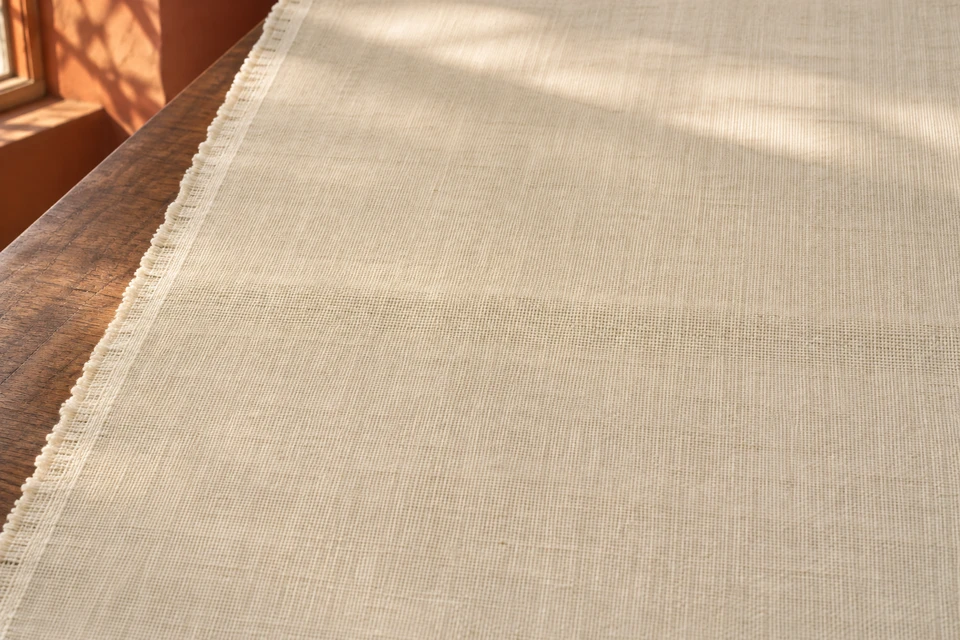
Identify the warp and weft directions from the construction information or an uncut reference. Do not infer them solely from the long and short sides of a pillowcase or duvet panel. Record whether the bar runs across the fabric width, where it appears along the length and whether it extends across the whole observed area. Preserve a physical sample with its roll or article identity.
Photograph an overview and a close view under stated lighting, without ironing or stretching the original finding away. A temporary fold, a colour variation and a structural spacing difference require different investigations. If technical preparation is needed for closer examination, let the responsible reviewer define it and retain an untouched reference where practicable. The first record should preserve what receiving staff actually saw.
Look for a local change in pick spacing
Use the technical term as a question, not a verdict
The abstract of a published study on weaving starting marks discusses changes in pick spacing associated with stopping and restarting a loom. That limited research context explains why restart history may be relevant. It does not diagnose a new bedding sample, prescribe machine adjustments or establish a result for FY Bedding. Ask the producing mill to evaluate the actual structure and applicable records.
Compare the suspected bar with nearby unaffected fabric under the same viewing conditions. Ask the competent examiner to describe whether weft spacing, yarn appearance or another feature differs. Keep the observation separate from the proposed production cause. A transverse mark is not the same investigation as a lengthwise reed line, and a general complaint about stripes can conceal that important difference.
Request a narrow production-history comparison
Match the event to the material location
Provide the mill with the roll identity, position along the roll and images that show the direction and extent of the finding. Ask whether the relevant weaving records identify a stop or restart near that location and what other evidence supports the explanation. The buyer does not need unrelated confidential operating data, but does need enough traceability to understand why the proposed cause fits this sample.
If the event mapping is uncertain, label the explanation provisional. A mill may report that a loom was restarted several times without establishing which event corresponds to the delivered bar. Conversely, a visible spacing change may justify further technical investigation even when a detailed log is unavailable. Record the evidence gap and the next useful check rather than converting an incomplete history into either a confirmed defect name or a clean bill of health.
Map affected sections before cutting decisions
One restart does not define an entire lot
Agree an inspection approach that can establish where comparable bars occur and how they relate to usable fabric. Record separate locations rather than assuming that a mark repeats at a fixed interval. For each relevant section, preserve the roll position, observed width coverage and comparison with the agreed appearance reference. A single close-up establishes a local finding, not a lot-wide quantity.
Before cutting, ask the authorised production and quality teams to identify how held or excluded sections will be marked and segregated within the agreed process. Do not let an informal promise to cut around it replace an accountable material map. If goods have already been cut, relate the findings to article quantities and panel locations where traceability permits. Keep confirmed counts separate from estimates or unexamined stock.
Keep causal explanation and acceptance separate
A correct diagnosis does not approve the cloth
Compare the observed bars with the agreed fabric appearance, construction and inspection terms. The purchasing decision may involve holding material for investigation, accepting a defined condition or requiring another disposition approved by the responsible parties. Do not assign a universal severity grade from the name start mark alone. The intended product and the actual extent of the finding matter.
If the supplier proposes finishing or another corrective step, request a representative trial and a technical explanation of its scope. Do not assume that pressing a bar out of a photograph resolves a structural spacing difference. Review the corrected result against the relevant requirements, retaining the original reference and treatment history. Any associated performance statement still requires its own evidence rather than an attractive before-and-after image.
Close the event and check the next delivery
Give receiving staff a recognisable reference
Ask the supplier's response to connect the confirmed observation, supported cause, affected scope and proposed prevention. Identify what has actually been verified and what remains to be checked during a subsequent run. Retain the sample views that distinguish the bar from neighbouring fabric, so a different inspector can recognise the same signature without relying on the original reviewer's memory.
For a woven bedding enquiry to FY Bedding, send the construction, intended end use and location-based sample record. Request an appropriate material and inspection proposal rather than assuming a particular loom or finishing capability. Minimum quantities and delivery arrangements belong to the specific project. A clear restart-bar investigation helps purchasing resolve the material in hand while keeping unsupported machine diagnoses out of the release decision.
Preserve the transverse bar, establish the fabric direction and compare actual pick spacing before accepting a loom-restart explanation. Map the affected material separately, then decide disposition against the agreed product requirements.
Method references: Published weaving starting-mark study: abstract only, not a diagnosis or FY test.