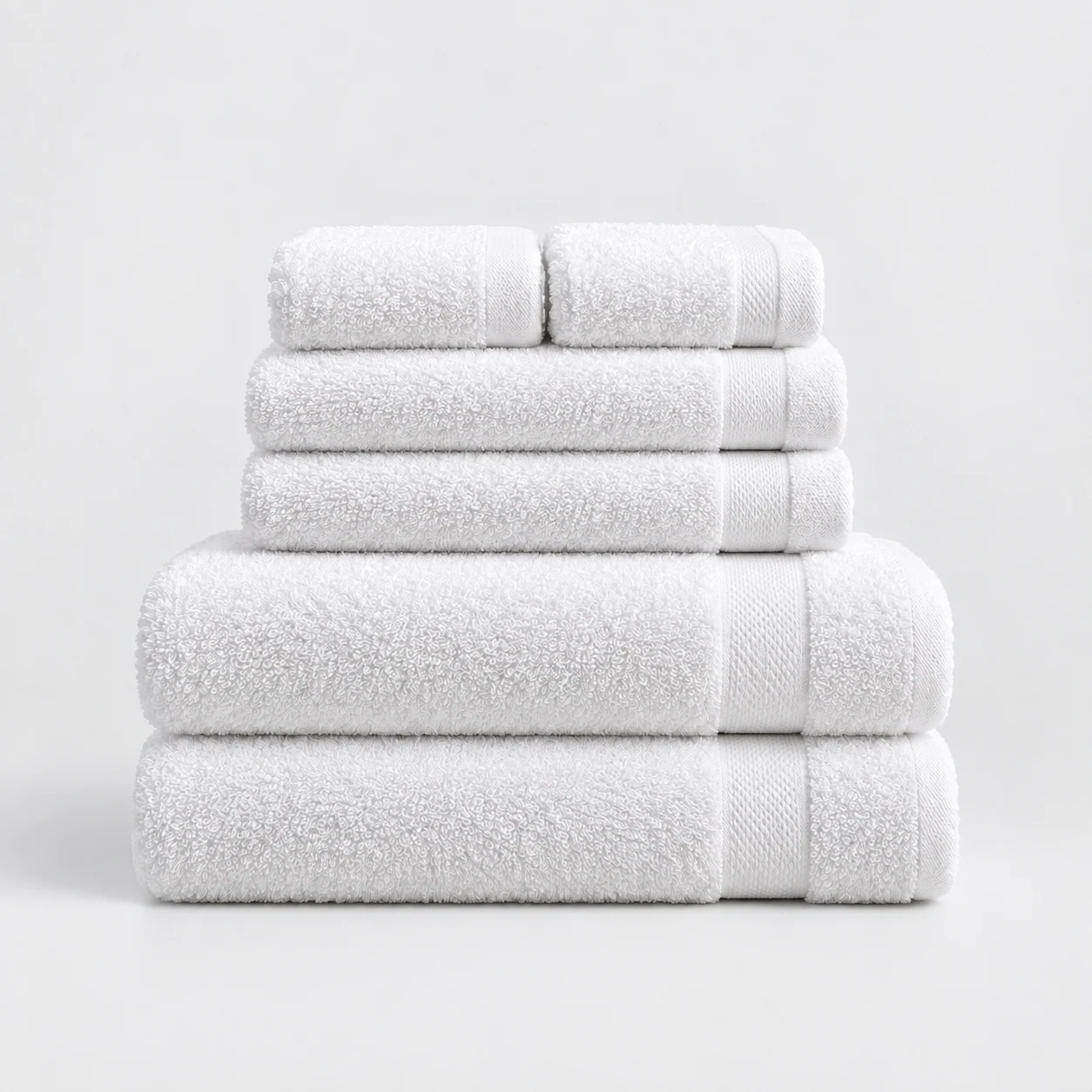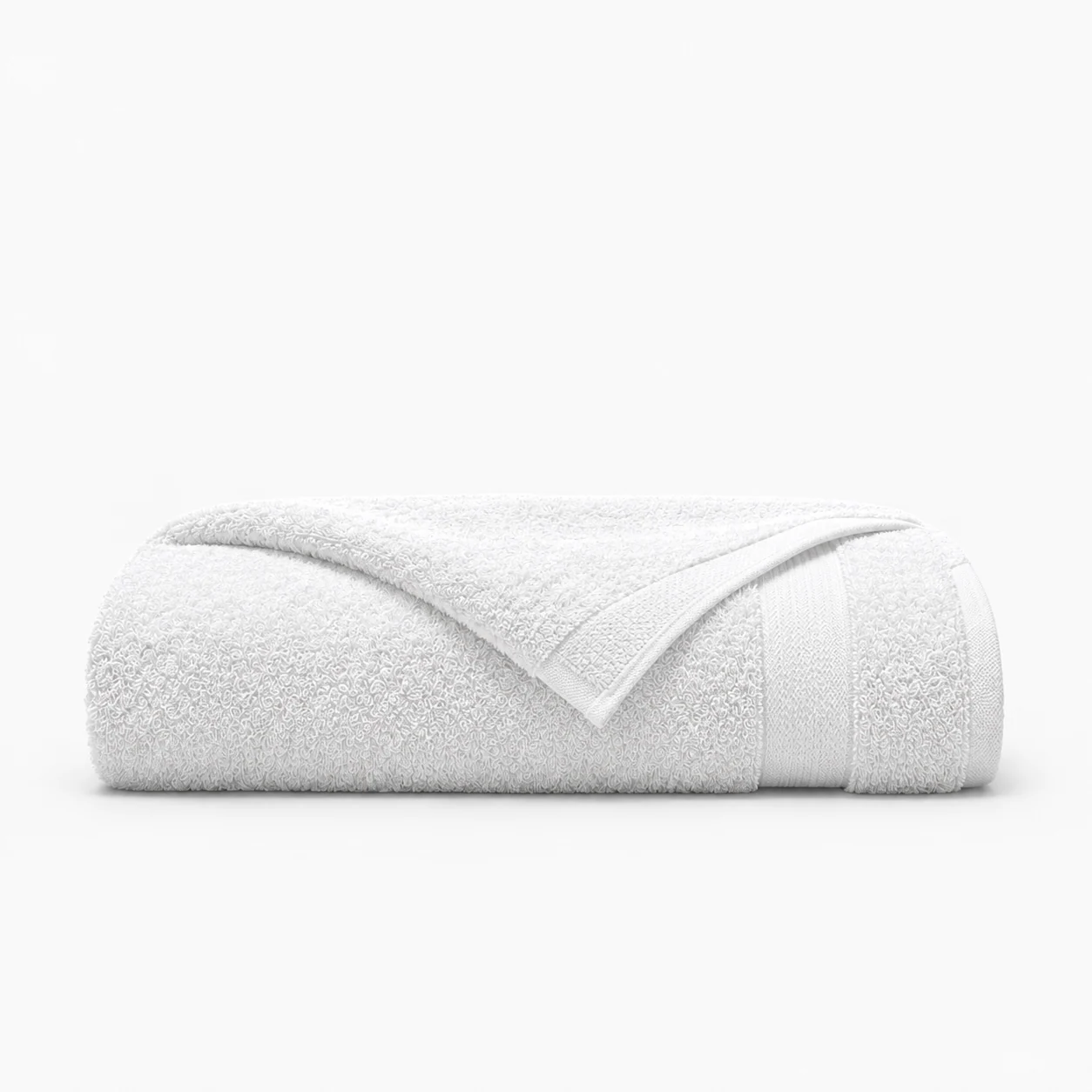
A towel described as zero-twist may feel appealing, but the phrase needs a defined scope before a buyer can compare suppliers. Does the description refer to the pile yarn, a particular part of the towel or a general marketing name? Ask that question before accepting the material specification. Softness, a photograph and a product label cannot by themselves establish how the offered yarn was made or which yarn system the claim covers.
Locate the claim within the towel
Pile and ground are not interchangeable
Ask the supplier to identify the yarn system described as zero-twist. For the proposed terry construction, distinguish the pile that forms the loops from the ground yarns supporting the fabric. Request a component description that corresponds to the actual sample, including any different treatment of borders or decorative areas. Do not extend a statement about pile yarn to every yarn in the towel simply because the finished item has one product name.
If the offer uses a proprietary label, ask for the supplier's explanation of that label and the underlying construction description. Keep the two separate in the purchasing record. A recognised marketing term can help identify a proposal, but it should not replace the yarn specification or evidence that the delivered article matches it. Avoid describing an FY towel as zero-twist until that description has been confirmed for the specific product and supported at the agreed level.
Ask how the yarn description is supported
A manufacturer example is not a universal recipe
Welspun's published innovation material gives an example of wrapping a thread around otherwise untwisted yarn to support it during weaving. That is one manufacturer's explanation, not a production specification for every towel sold under a similar name. Ask the offering supplier to describe its own proposed yarn route and identify what records support the terminology. Do not assume a particular support material, removal step or residual condition from the phrase alone.
The buyer does not need to invent a manufacturing process to clarify the offer. Request the yarn supplier's declared specification and the relevant traceability between that yarn, the fabric production record and the towel sample. If confidentiality limits the detail that can be shared, agree what evidence can reasonably establish the claimed identity. An unresolved information gap should remain visible in the approval record rather than being replaced by a generic internet definition.
Compare the same towel construction
Other variables can dominate the first impression
When reviewing alternative pile-yarn proposals, record the finished size, mass basis, pile arrangement, ground construction and finishing status of each sample. Keep those variables comparable where practical, or clearly identify the differences. Otherwise a heavier towel, a different loop arrangement or another finishing treatment may be mistaken for a benefit caused by the zero-twist description itself. A useful comparison separates the yarn question from the rest of the product design.
Evaluate the samples in the same condition and use the same review sequence. Do not present one newly finished towel against another that has already been washed several times without noting that difference. Record the buyer's observations as observations: softer to this reviewer, fuller in this sample or a different surface appearance. Those statements are not measured performance conclusions and should not become unsupported advertising claims about all towels using the named yarn route.
Keep absorbency and durability as separate questions
The name does not deliver a test result
Ask which performance characteristics matter for the programme and how they will be assessed on the proposed finished towel. Absorbency, drying behaviour, lint release and appearance after care are distinct questions that may need different methods. Define the sample identity and evaluation plan with the responsible technical party. Do not assume that an inviting hand guarantees superior absorption, lower lint or longer service life, and do not publish numerical results that have not been obtained.
For hospitality procurement, include the intended care route in that discussion. For retail, confirm the care information that will accompany the actual article. Keep initial appearance approval separate from the performance evidence required for release. If a sample fails a project requirement, review the cause with the supplier rather than assuming that the yarn label itself explains the result. The corrective proposal may affect another part of the towel construction and should be documented accordingly.
Trace the accepted pile yarn into production
Substitution needs a visible decision
Give the approved sample a unique identifier and link it to the agreed pile-yarn description and supporting records. Ask the supplier how a change of yarn source, yarn specification or construction will be communicated before production. A substitute that preserves colour and apparent softness may still change the identity on which the purchase decision was based. Require review of that change instead of allowing the marketing name to stand in for equivalence.
At receiving, use the agreed documentation and sample comparison to confirm the order's identity. A visual inspection can identify some differences, but it cannot prove every aspect of yarn manufacture. Where independent verification is required, consult an appropriate technical party about a suitable approach and its limitations. Keep the evidence matched to the actual lot and claim, without treating an unrelated mill document or an earlier development sample as proof for all later deliveries.
Write customer-facing copy after the specification is settled
Explain what is known without expanding it
Prepare a concise internal description of the agreed pile yarn, the rest of the towel construction and the evidence available. Use that record when reviewing packaging and product-page copy. If the approved claim applies only to the pile, avoid language that implies an entire towel of identical yarn construction. Do not add environmental, health or performance claims because the manufacturing description sounds innovative; each such claim needs its own adequate support and defined scope.
To discuss a towel project with FY Bedding, provide the product format, finished sizes, proposed quantities, intended market, care conditions and the yarn feature you want assessed. Ask for confirmation of the available sample route and the information needed to compare offers. The resulting quotation should describe the actual proposal, not a generic zero-twist category. Proceed when the pile-yarn identity and the finished-towel requirements are both clear enough to support a documented purchasing decision.
Locate the zero-twist claim in the pile-yarn specification, link it to the offered sample and supporting records, and assess finished-towel performance separately. Do not infer whole-product composition or measured benefits from the marketing term.
Method references: Welspun: one manufacturer’s zero-twist yarn explanation, not a universal specification.