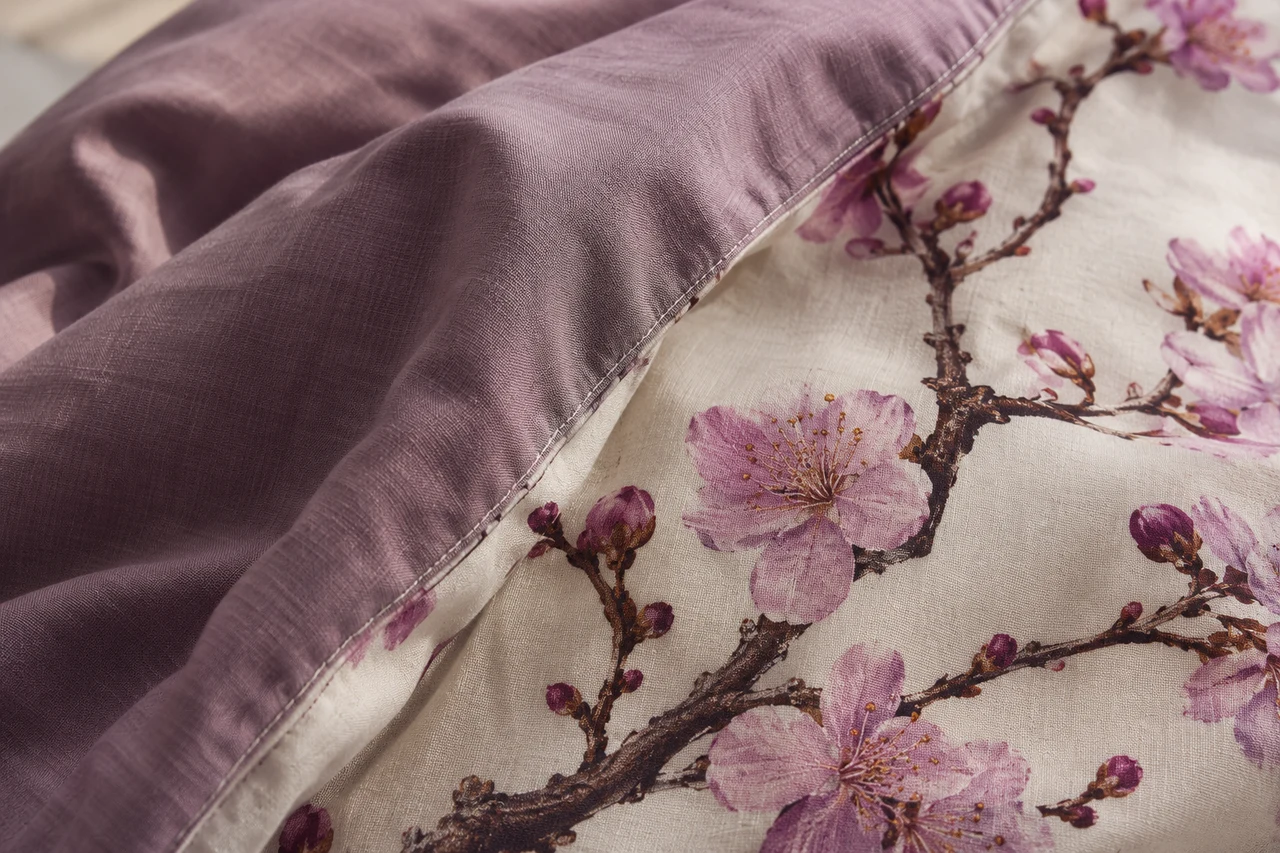
A fabric book sleeve should be developed around the editions it is meant to hold. Cover height and width are only part of the fit: spine thickness, cover stiffness and the opening construction also affect loading. Buyers should approve a named book range before choosing the sleeve size and retail pack.
Build a small edition matrix
Do not group books by format name alone
Identify the actual gift editions or the defined dimension range. Record cover height, closed width and spine thickness, including any dust jacket or other component expected to remain on the book. Note whether the cover is rigid or flexible. Two books described as hardbacks can require different clearance, so that label is not a sufficient size specification.
Use dimensional specification planning to separate nominal measurements from the accepted range for the textile. Here the relevant object is the closed book, and the buyer should retain physical representatives at the narrow and thick ends of the intended range. If the product is advertised for a broad set of editions, document which were actually tried and which remain outside the approved scope rather than claiming universal fit.
- List height, width and spine thickness for each target edition.
- Keep representative thin and thick books for sample review.
Choose the opening and internal clearance
Finished outside dimensions do not describe usable space
Review the proposed sleeve with its lining, padding and finished seams in place. Measure and inspect the opening as well as the internal space. A soft sample without its final padding can make a tight design appear acceptable, while an attractive exterior measurement may include material that is unavailable to the book.
Compare the problem with storage-bag fit and repacking, but keep the book's rigid corners and spine in the trial. Decide whether the sleeve is open at the top, has a flap or uses another closure. Check that any closure can operate with the thickest approved edition loaded, without relying on excessive compression or bending. Confirm whether a visible portion of the book is intentional in the display design or a sign of insufficient internal depth.
- Approve the fully constructed sleeve, not an unlined trial shell.
- Record the intended position of the book relative to the opening.
Load and remove the book normally
Observe where the cover catches
Insert the representative books using the method a customer is expected to use. Watch the upper corners, dust-jacket edges and the point where the spine passes the opening. Remove the book without turning the sleeve inside out unless that is the intended method. Record any place where the lining bunches, the book catches or the opening needs unusual force.
Check the book surfaces before and after the agreed handling trial, without turning a short observation into a general protective-performance claim. The product-contact review guide provides a useful way to identify contact points and inspect them deliberately. A padded appearance alone does not establish impact protection, water resistance or suitability for valuable editions. Any such claim needs evidence specific to the construction and stated use.
- Trial loading and removal with the thickest and tallest approved books.
- Record catching or bunching at a named location, with photographs.
Place the Christmas motif around the loaded shape
Check both the empty and filled presentation
Review the seasonal artwork with a book inside the sleeve. The spine and corners change how the textile surface is seen, and a motif centered on an empty flat sleeve may sit differently once loaded. Decide which face leads in display, whether the reverse is decorated and whether the opening edge should interrupt any motif.
Use pattern placement review to distinguish a controlled front motif from an all-over print with permitted variation. Photograph an empty sleeve separately if it is sold without a book, and make that supply boundary clear in the listing. Keep the final merchandising image tied to its sample through photography and sample linkage. Do not let an attractive book prop imply that the illustrated edition is included.
- Approve the motif position with a real target edition inside.
- State clearly whether the book is supplied or is a photography prop.
Select the retail pack after fit approval
Avoid flattening away the feature being sold
Compare the proposed presentation for an empty sleeve with the presentation for a book-and-sleeve gift set, if both are under consideration. They are different supplied products and may need different support. Check whether a band compresses the opening, whether folding creates a visible crease through the main motif and whether the buyer can understand the product from the packed view.
After the agreed pack trial, repeat loading with the retained representative book. A pack that looks tidy but changes the opening enough to make loading awkward needs another review. Share the edition matrix, construction sample and pack concept with FY Bedding to discuss a scoped Christmas textile program. Agree quantities, labeling, evidence requirements and commercial timing separately; a successful fit sample does not prove stock availability or guarantee arrival before a holiday launch.
- Repeat the fit trial after the proposed packing and storage sequence.
- Release the edition range, sleeve sample and supplied contents together.
Can every edition within the approved range be loaded and removed normally after unpacking, with no ambiguity about whether the book itself is included?