Flannel is defined as much by its developed surface as by its base construction. Brushing can change hand, visual shade, thickness and directional appearance, while inconsistent panel orientation can make one finished product look like several colors. Buyers should define the approved face, brushing route and nap direction before markers are released. This guide focuses on physical material and process evidence rather than treating soft hand, GSM or pilling as interchangeable approvals.
Define the base cloth and approved brushed face
Separate construction identity from surface finishing
Record the controlled fiber content, yarn and fabric construction fields used by the program, then state whether brushing applies to one face or both. Identify the product face, reverse and any intended visual difference. The fabric GSM guide helps define mass per area, but equivalent conditioned weight does not prove equivalent brushing intensity or surface coverage.
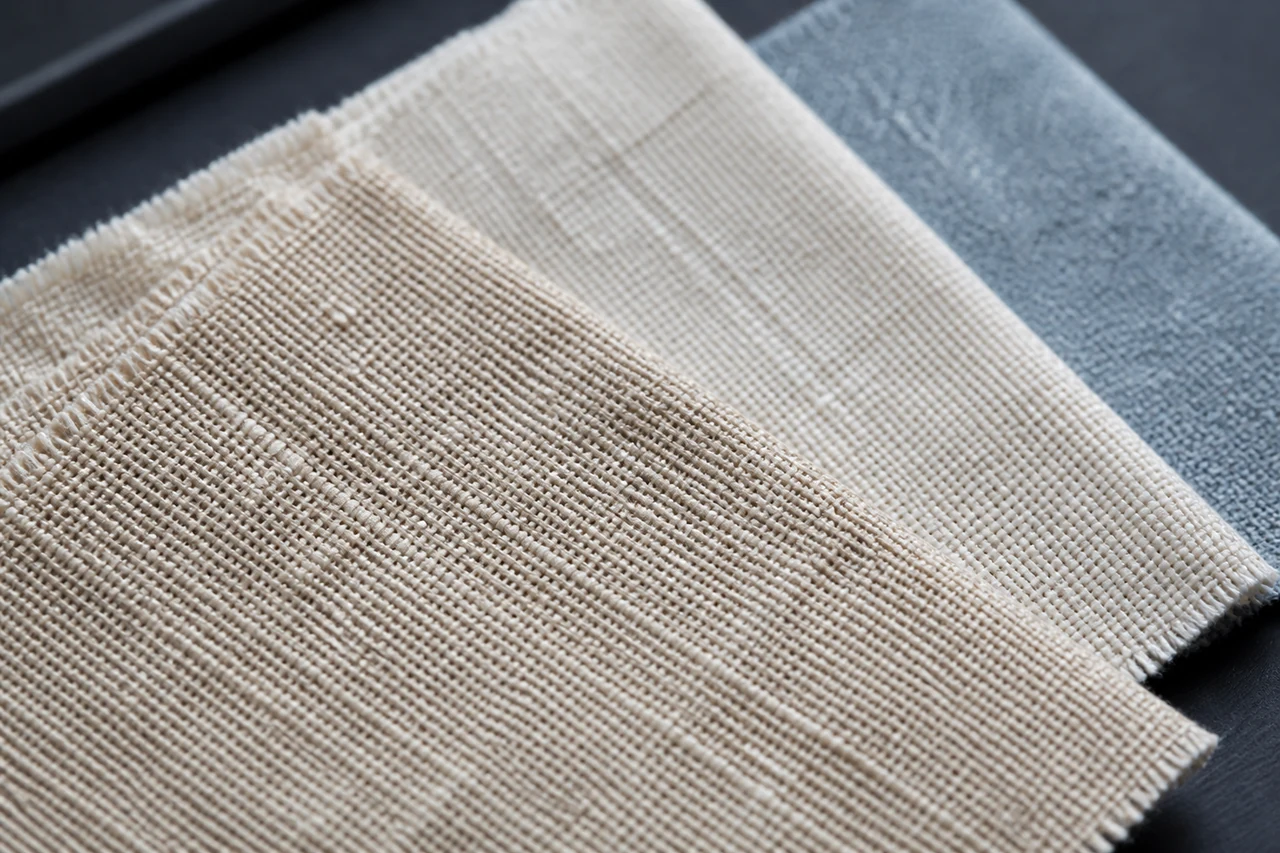
Approve physical swatches large enough to show uniformity, edge behavior and directional shade. Small hand cards can hide streaks or pressure variation. Mark the approved face in a way that does not rely on temporary chalk or an ambiguous photograph, and connect the swatch to fabric lot, finish route, date and specification revision.
- Controlled base-cloth identity
- Single- or double-face brushing
- Approved product face and reverse
- Traceable large-format swatch
Specify nap direction and cutting orientation
Keep adjacent panels visually consistent
View the fabric under directional light and stroke it gently in both length directions. If appearance changes, define the approved top-to-bottom direction for sheets, pillowcases and duvet-cover panels. Marker plans must keep direction-sensitive pieces aligned, even when rotating a panel would improve fabric yield. Record the tradeoff during quotation instead of discovering it after cutting.
For printed, yarn-dyed or directional designs, nap and pattern direction must agree. The fabric bow and skew guide supports grain and pattern alignment, while this record addresses the raised surface. Include any face marks at roll ends and verify they survive internal handling without transferring to the product.
- Approved top-to-bottom nap direction
- Panel orientation by product component
- Directional marker restriction
- Roll face and direction identification
Approve hand and surface uniformity separately
Use controlled comparisons rather than descriptive words alone
Compare candidate flannel under the same conditioning, lighting and handling. Review soft hand, raised-fiber density, streaks, thin patches, lines, exposed base cloth and unwanted gloss. The handfeel approval guide offers a controlled comparison route, but the flannel record should also identify visible surface defects and directional response.
Do not specify brushing only as heavy or light. Pair the approved swatch with available process or material parameters that the supplier can control, while avoiding unsupported claims about proprietary machinery. If the two faces have intentionally different hand, state which surface touches the sleeper and how that face is protected during sewing and packing.
- Conditioned hand comparison
- Raised-surface coverage and streak review
- Directional shade response
- Protection of the approved face
Test care-related surface change
Evaluate the same material after the intended laundering route
Wash and dry representative fabric or finished product using the buyer-approved method. Review flattening, fuzz formation, shade change, lint release and directional appearance after conditioning. If pilling is a decision risk, apply the distinct method in the fabric pilling guide rather than calling every surface change pilling.
Measure dimensional change where relevant and observe whether the brushed surface affects seam feeding or panel distortion. Use the dimensional stability guide for measurement discipline. Retain unwashed and cared-for references together so production discussions do not compare a new swatch with an aged product without acknowledging the state difference.
- Buyer-approved care sequence
- Post-care surface and shade review
- Separate pilling method where required
- Paired unwashed and cared-for references
Control bulk fabric and evidence
Check roll direction, surface consistency and sample identity
Incoming review should confirm roll identification, face and nap direction, surface uniformity, usable width and obvious contamination before cutting. Sample across the roll and across lots where the purchase agreement requires it. A retained approved swatch supports comparison, but inspectors also need defined defect language and a disposition route for directional mismatch or brushing streaks.
Connect bulk fabric records to the approved pre-production product under the pre-production sample guide. Do not claim material performance or certification beyond documents that match the supplied scope. Buyers can share a flannel material brief including face, direction, care route and approval evidence before requesting samples.
- Roll face and direction confirmation
- Cross-roll surface sampling
- Defined defects and disposition
- Material-to-product traceability
Approve flannel with a traceable physical swatch that identifies face, nap direction, brushing route and care state. Require cutting orientation and bulk review to use the same definitions.