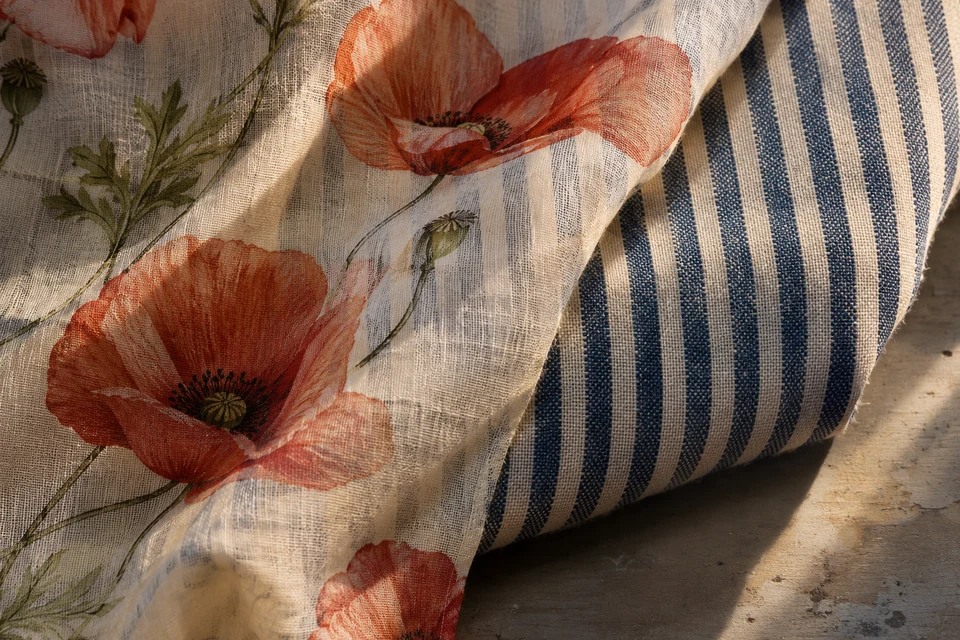
A pale floral ground may look completely different over white batting and over a dark striped pillow. It is easy to blame the print when the stripe seems to run through a petal. Before asking for new printing, lift the cloth away from the insert. If the unwanted line moves with the insert rather than the flower, the buying question is about the combination of layers.
Build the comparison from real inserts
Use a reference and a challenge condition
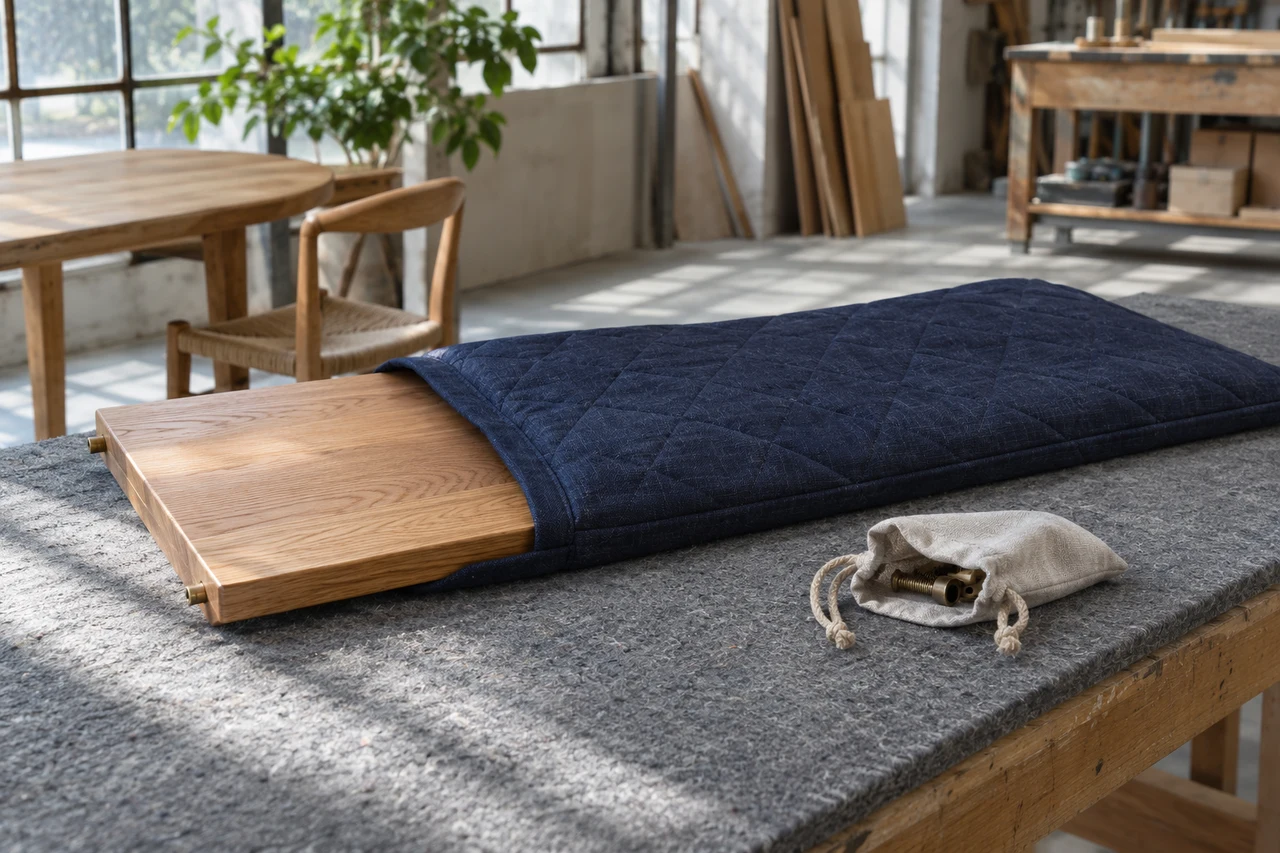
Ask the buyer to supply one insert normally used in the programme, including its outer ticking. A hotel may have more than one generation of insert in circulation. A retail brand selling covers alone may not control the insert at all. Name the two situations separately. A sample that works with a specified plain insert can support that programme without supporting a broad promise that nothing underneath will ever show.
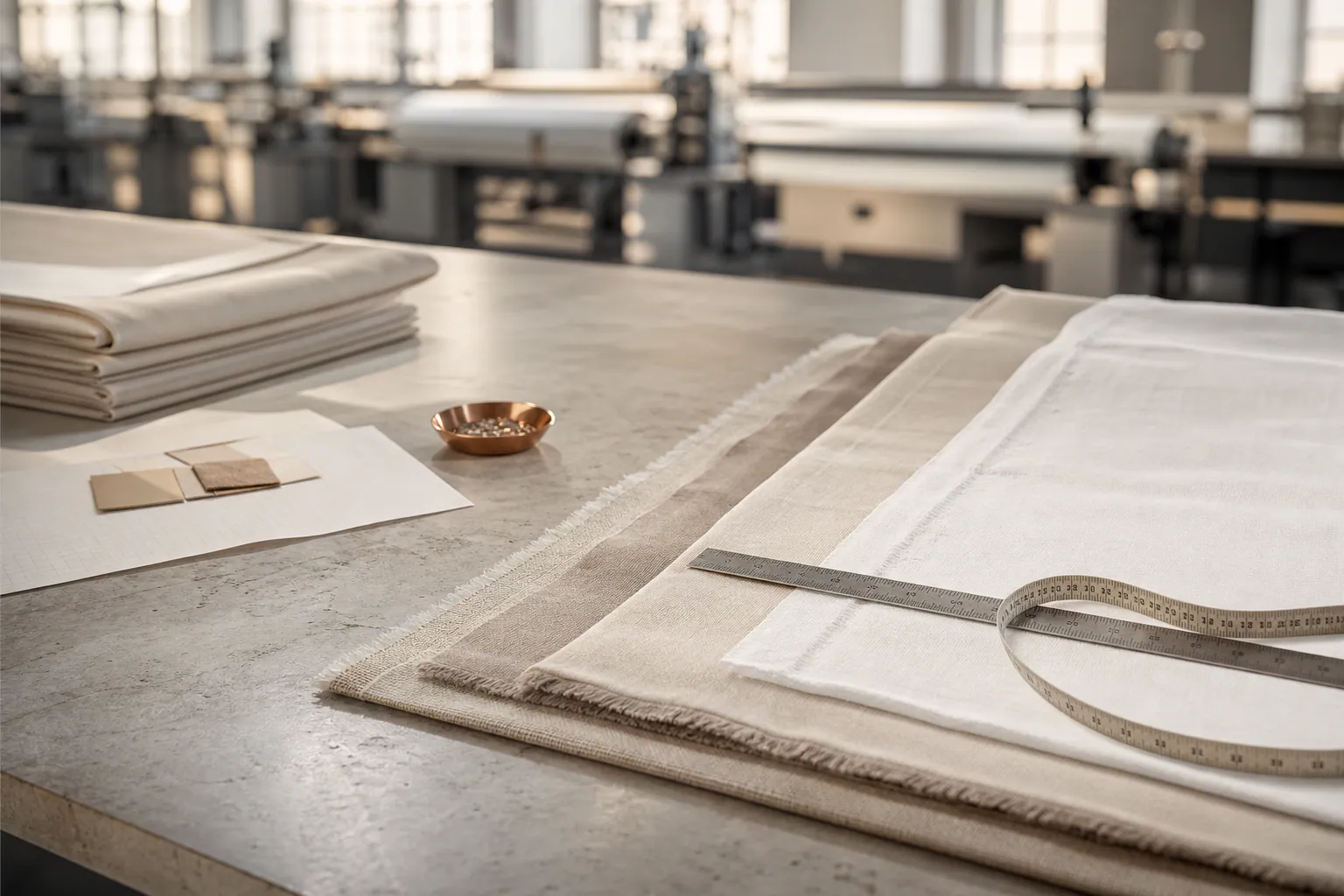
Select a darker or patterned alternative if it represents a credible customer use. Keep the same floral sample for both trials and note the side facing the observer. Lay it first on a plain light backing to establish how the flowers and ground look on their own. Then move it onto the two inserts. In early development, the FR-01 floral reference and other collection designs can help identify light spaces worth inspecting. A web image cannot establish the opacity of a future sample.
Read a whole form as well as a swatch
Observe pale gaps, seams and the curved crown
A palm-sized sample placed on a flat desk tells only part of the story. A cover stretches across the crown of a full pillow and may hang loosely near an edge. Dress an insert with a trial cover, keep the seam in the proposed position and view it from normal standing distance. Move close only after marking the areas visible in the room. A stripe visible solely in a backlit close-up may not be the defect a bedroom buyer wants to reject.
Now rotate the ticking under the cloth while keeping the face of the floral design upright. If the line rotates too, describe it as underlayer visibility. If a dark line stays with the print, set it aside for a separate artwork or production review. Do not compare a sunlit challenge sample against a reference photographed at night. Place both trials together and record the window or lamp position so that a second reviewer can repeat the comparison.
Decide which layer the buyer can change
Compare a matched insert with a revised face
For a controlled hotel set, supplying a plain ticking or a plain intermediary may be a simpler change than darkening the entire floral ground. Test that option on a filled pillow: an extra layer can alter the hand, the ease of dressing and the way the cover settles at the corners. Include the extra piece in the laundry and replenishment discussion. A studio fix that housekeeping will discard is not a functioning specification.
For covers sold separately, consider a different ground shade or a less open candidate cloth. Neither proposal is a guarantee of concealment. Repeat the same comparison and review the effect on the original floral colour balance. Another option is to keep the original visual direction and identify a compatible insert in the product information. Choose that route only if the customer can understand and reasonably follow the description.
File the limits of the approval
Stop a sample photograph becoming a universal claim
Keep one image of the cover over the agreed reference and one over the challenge insert. Identify the actual samples, not just a digital colour name. Record whether the challenge was accepted, rejected or used for information only. If the buyer later receives a new ticking, repeat the paired review instead of changing the flower print by eye to compensate. The old photograph is still valuable as a comparison even when the insert changes.
Ask the supplier to quote the chosen configuration and any alternative separately. If commercial testing or a particular opacity requirement is involved, have the project team agree on the method, sample condition and decision rule before citing a result. A made-bed observation is useful purchasing evidence, but it is not a laboratory report. Describe what you saw, over which insert and under which light.
Send the floral direction, a typical insert and the most contrasting insert you reasonably expect. Request a made-up sample and keep colour sign-off separate from the show-through decision.