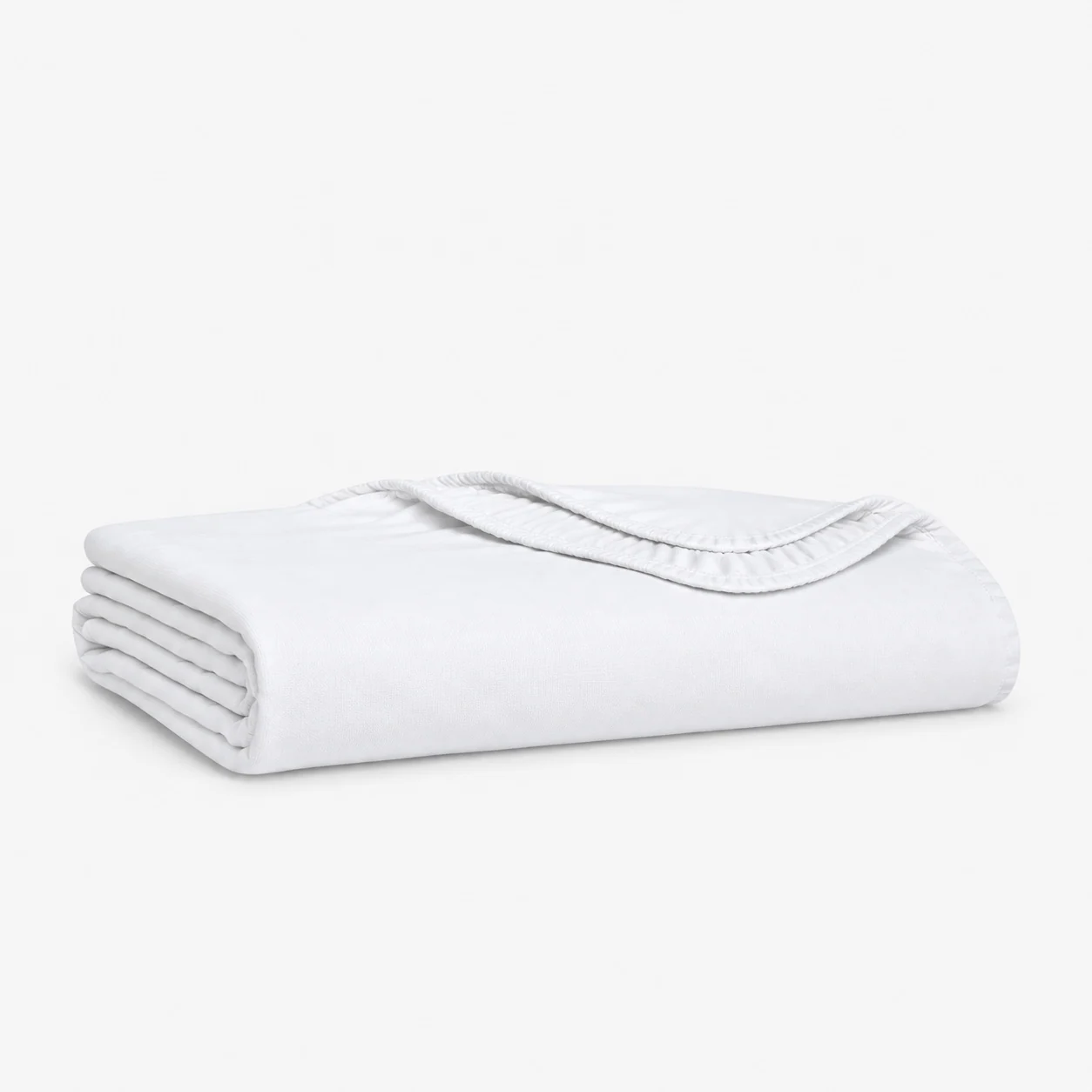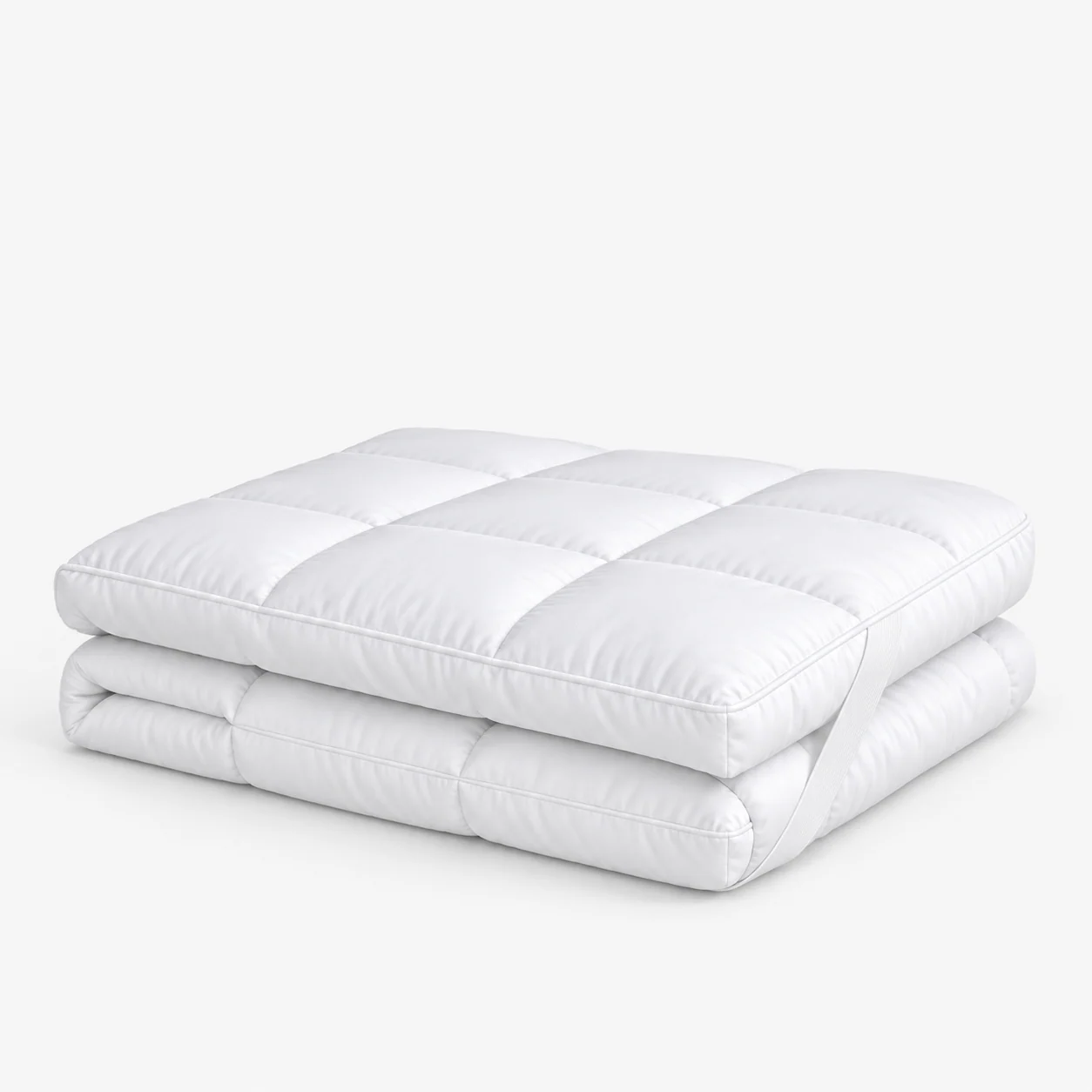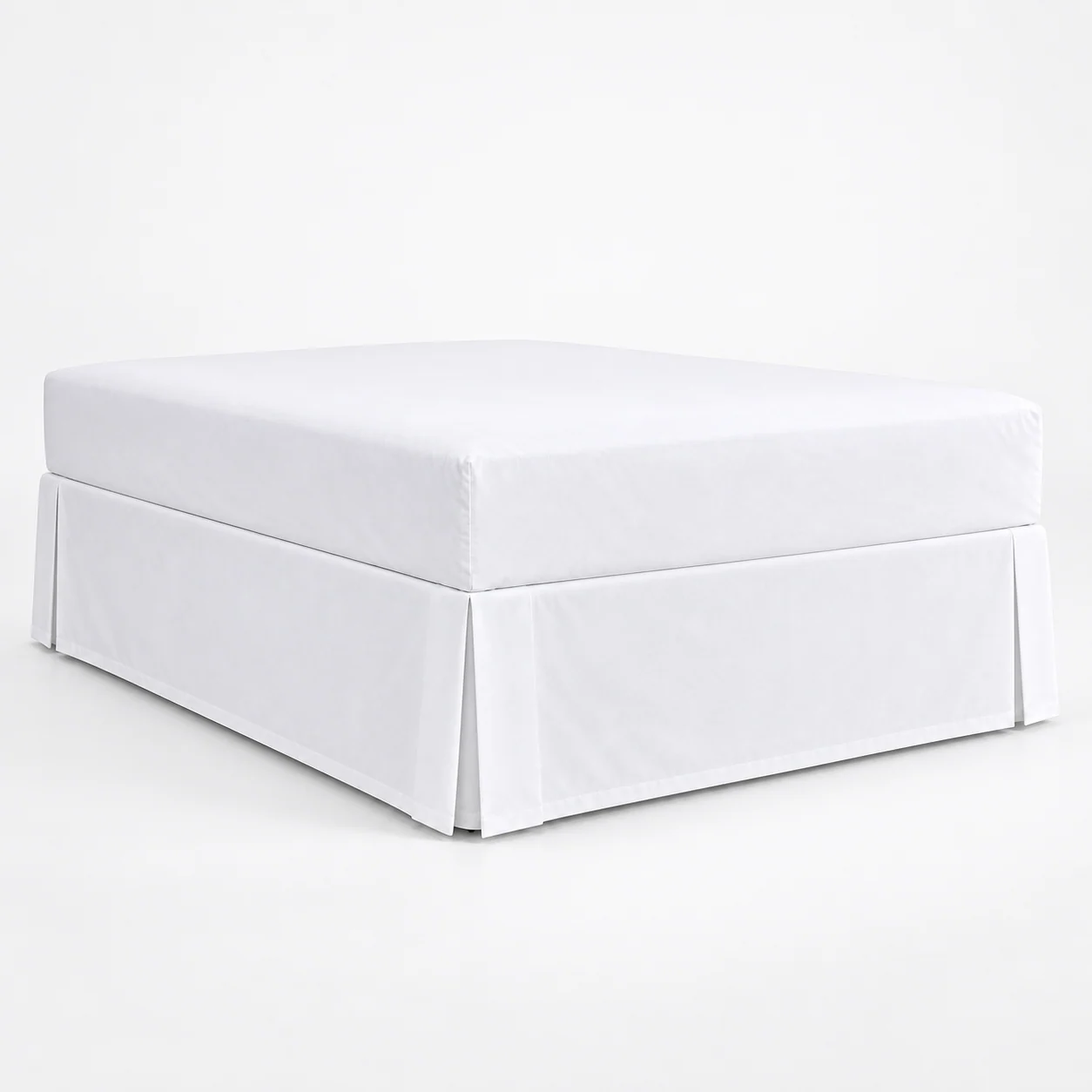
A mattress topper changes guest comfort, bed height, sheet fit and housekeeping effort at the same time. Buyers should define the problem the topper must solve, then approve its materials, finished dimensions, attachment, care route and interaction with the complete mattress and linen system.
Define the comfort and operating goal
Clarify whether the topper is intended to add softness, distribute pressure, create seasonal warmth, protect a mattress investment or standardize feel across different rooms. Record the existing mattress type, condition and comfort range. A topper cannot reliably correct structural mattress failure, so define inspection and replacement boundaries before treating it as a universal remedy.
Segment permanent room installation, premium-room use and guest-request inventory. These routes create different expectations for attachment, storage, cleaning and stock. Evaluate the proposal on representative beds rather than a showroom base with different support and dimensions.
Specify core, cover and edge construction
State core material, density or fill weight, finished thickness, chamber or quilting pattern, cover fiber and construction, edge finish and any removable cover. For filled toppers, define distribution and migration controls. For foam or resilient cores, document firmness or support measurement, odor expectations, recovery and allowable visual variation.
Connect material tests to the bedding product testing plan. Evidence should represent the finished construction and destination requirements. A generic material report does not confirm seams, cover behavior, assembled dimensions or long-term use.
Control dimensions, retention and linen fit
Measure the installed mattress and specify topper length, width, thickness, corner radius and tolerance. Define elastic straps, fitted skirt, non-slip layer or other retention method with component details and attachment positions. Check whether movement occurs when guests enter the bed, when the base articulates or when housekeeping pulls fitted sheets into place.
Recalculate the working bed depth for protectors and sheets using the dimension and shrinkage plan. A comfortable topper can still fail the program if existing fitted sheets release at corners or flat sheets lose the required tuck.
Trial comfort, cleaning and daily bed making
Use coded production samples on representative rooms and collect structured comfort feedback after an appropriate recovery period. Observe noise, heat, edge stability, body impressions and return to shape. Include the full protector and sheet system because the top layers can change the feel significantly.
Ask housekeeping to remove, inspect, rotate and refit the topper using the intended schedule. Measure handling time, weight, storage volume and drying or cleaning constraints. Confirm that care instructions match the hotel linen care process and the property's available equipment.
Manage room allocation, hygiene and replacement
Label size, property program and orientation where required. Define clean storage, isolation of soiled or damaged toppers and the release inspection after care. Packaging should protect loft or core shape without excessive compression and support allocation by floor or room family.
Track compression, staining, odor, seam damage, migration and comfort complaints separately. Set retirement criteria and preserve an approved cared-for sample for reorders. If the mattress specification changes, repeat the topper and sheet-system trial rather than assuming the previous combination remains valid.
Approve the topper on representative installed mattresses with the full protector and sheet system after its intended care route. Control core, cover, dimensions, retention and retirement criteria.