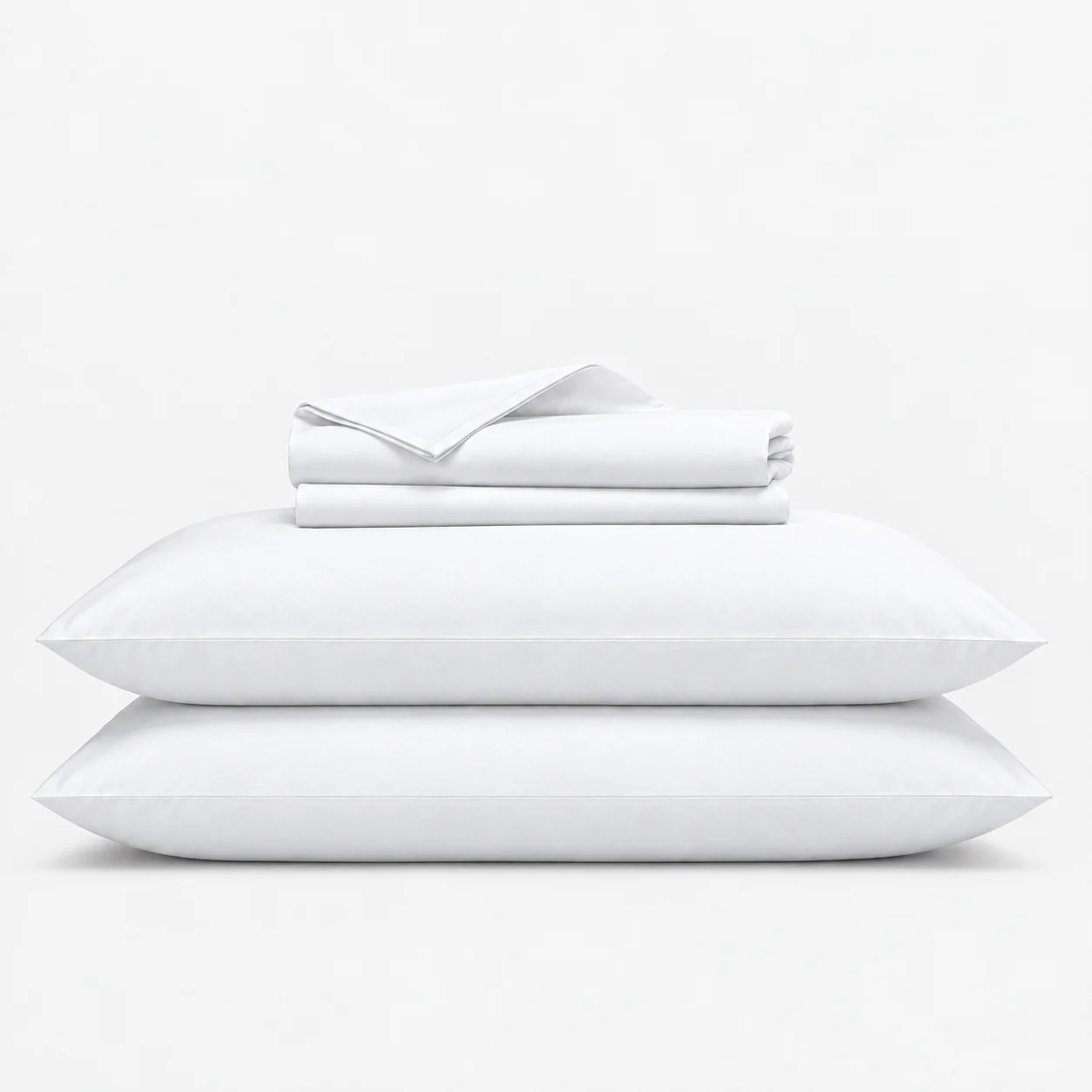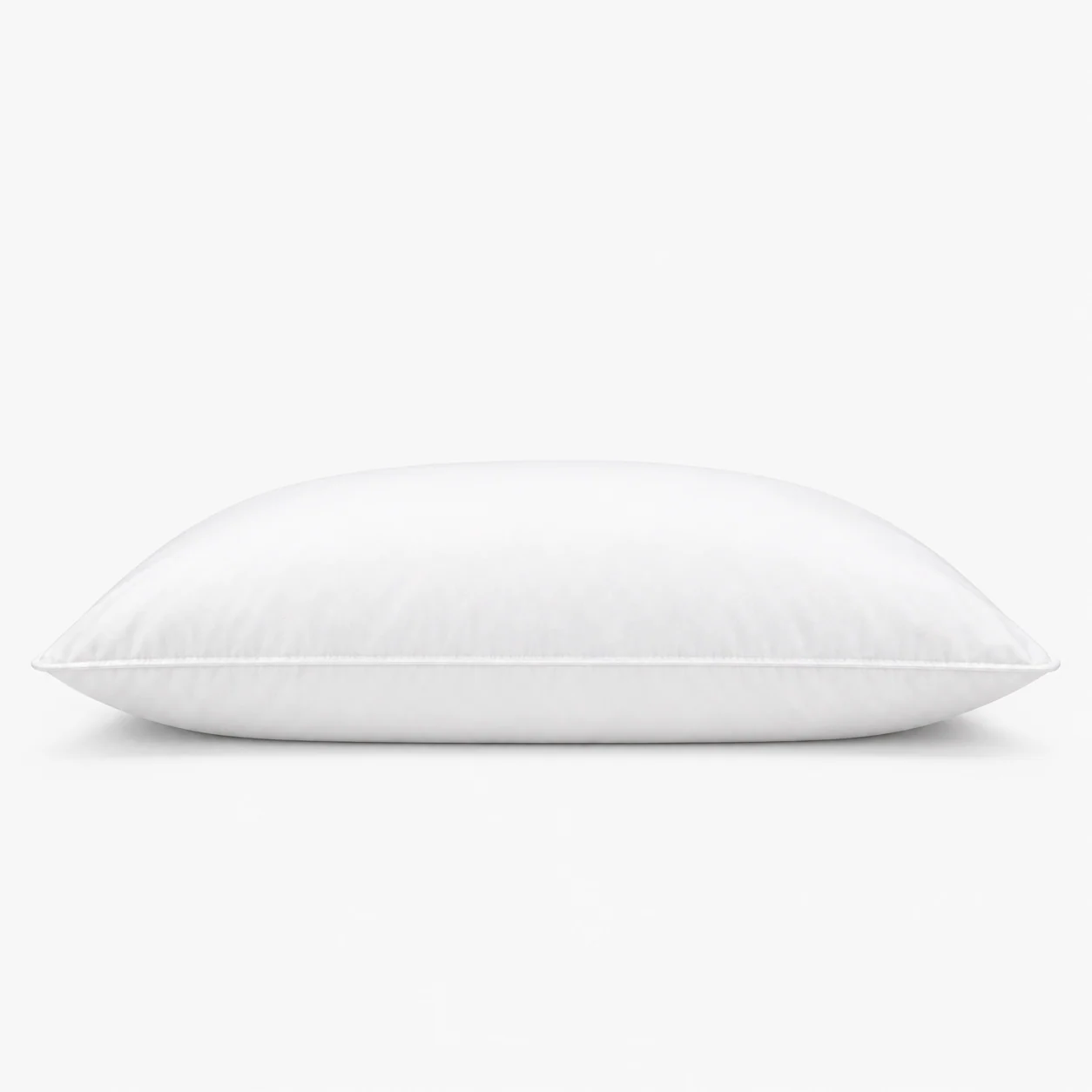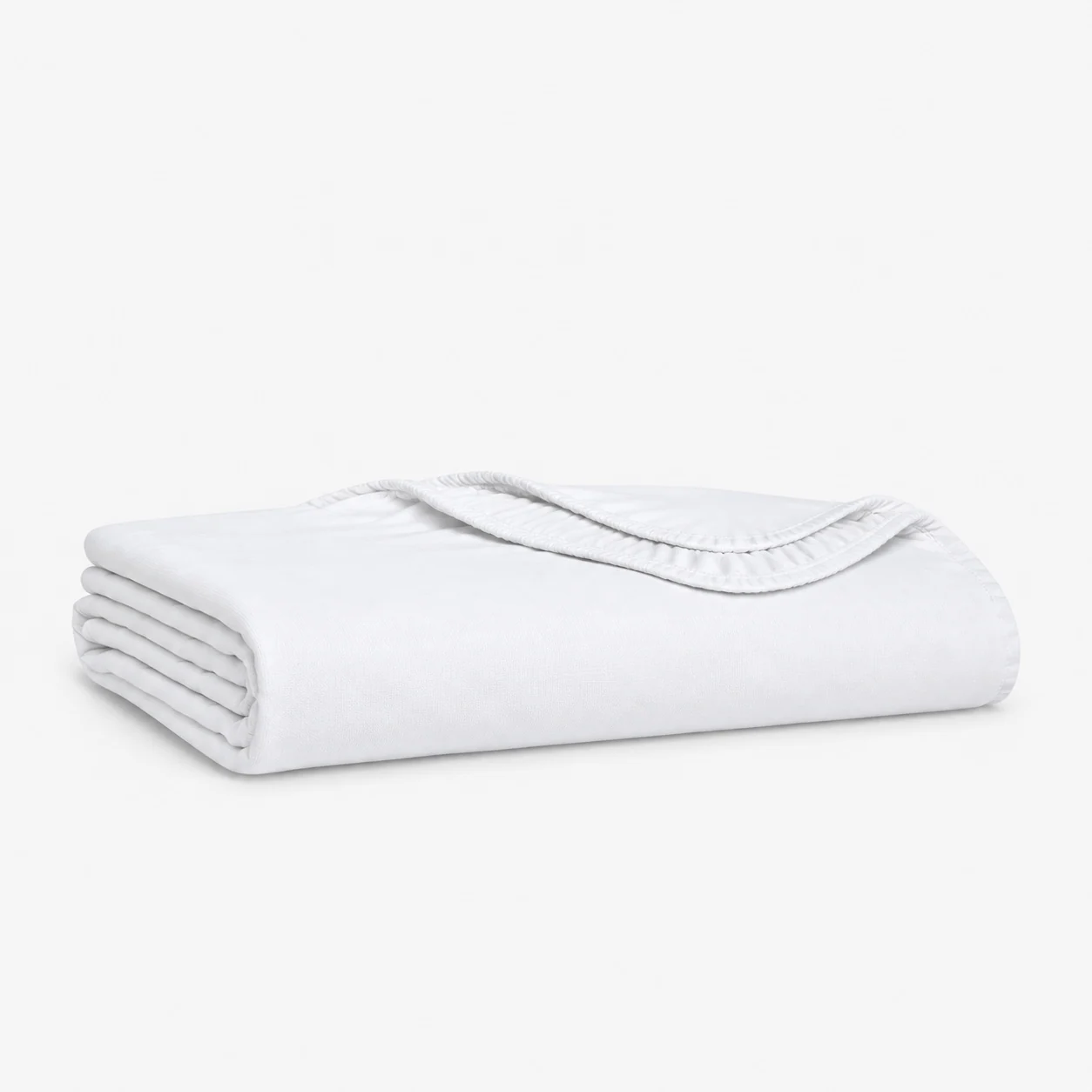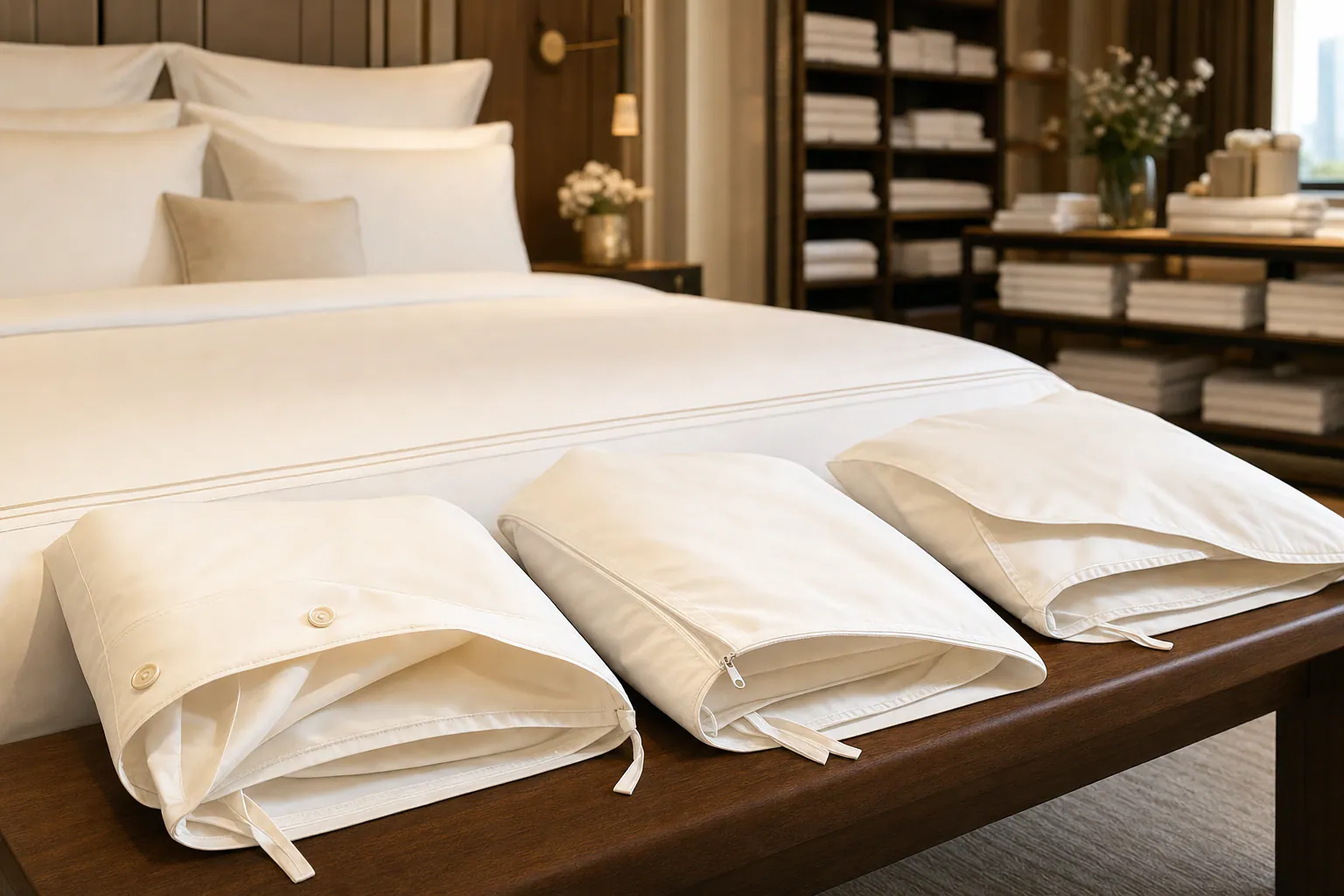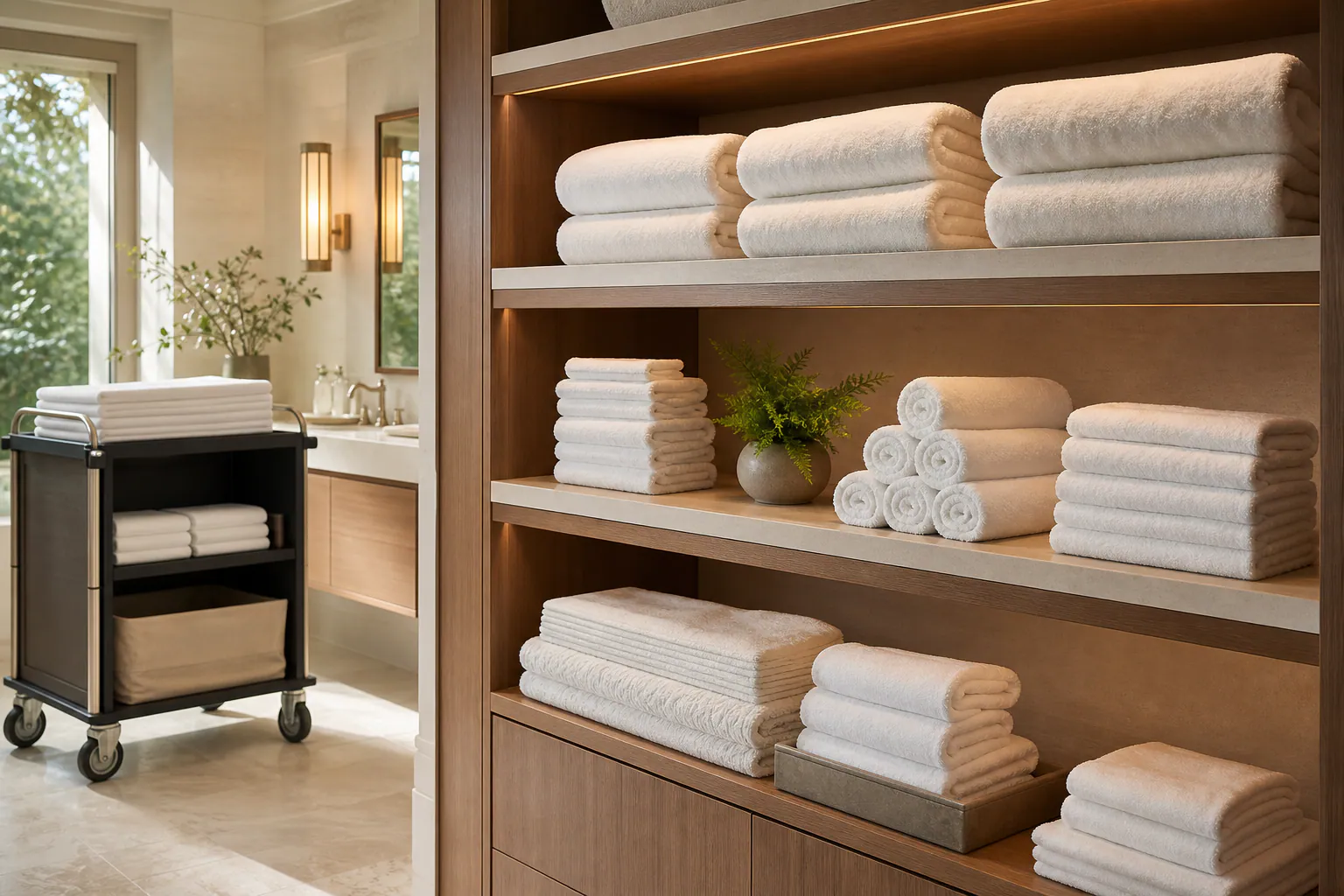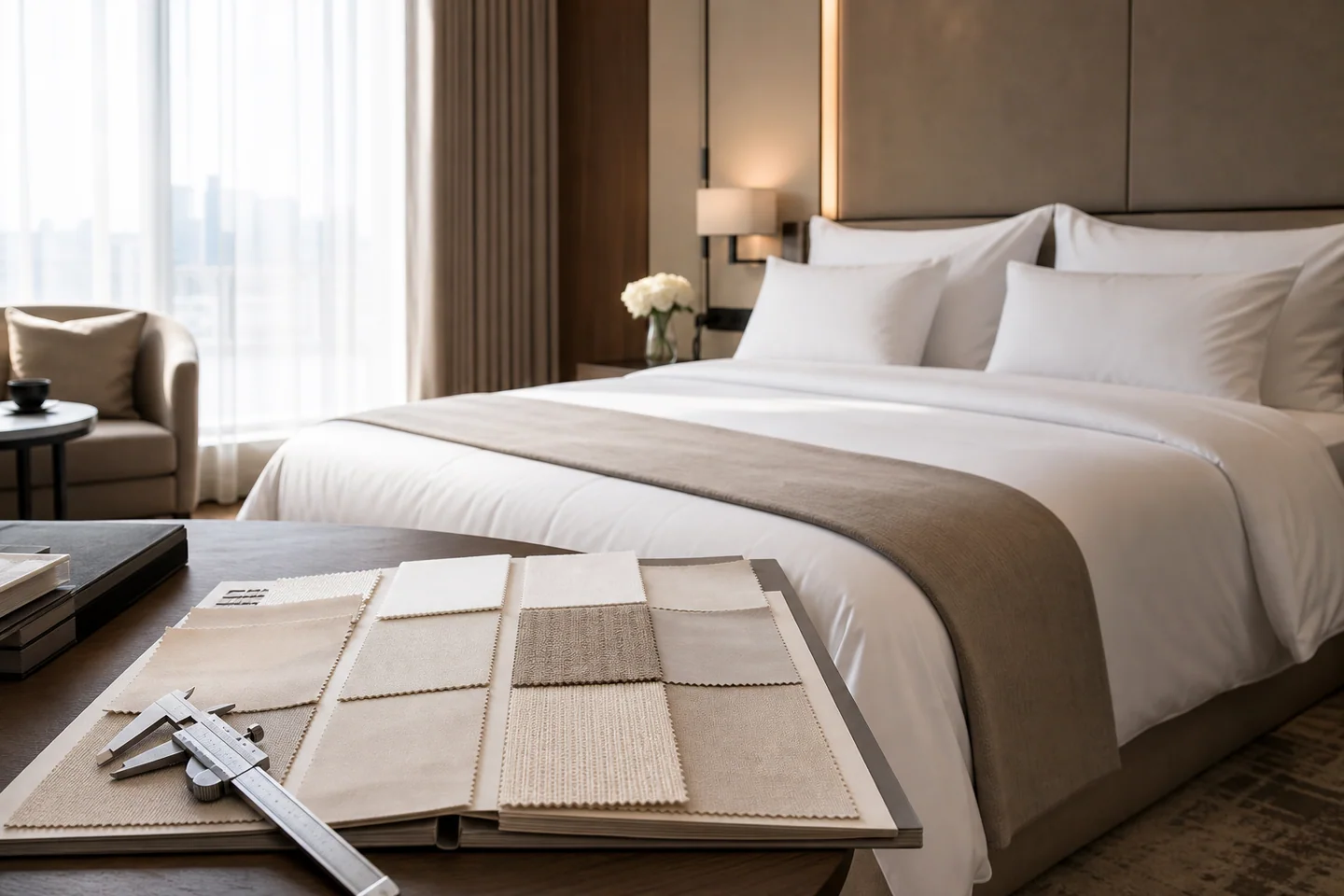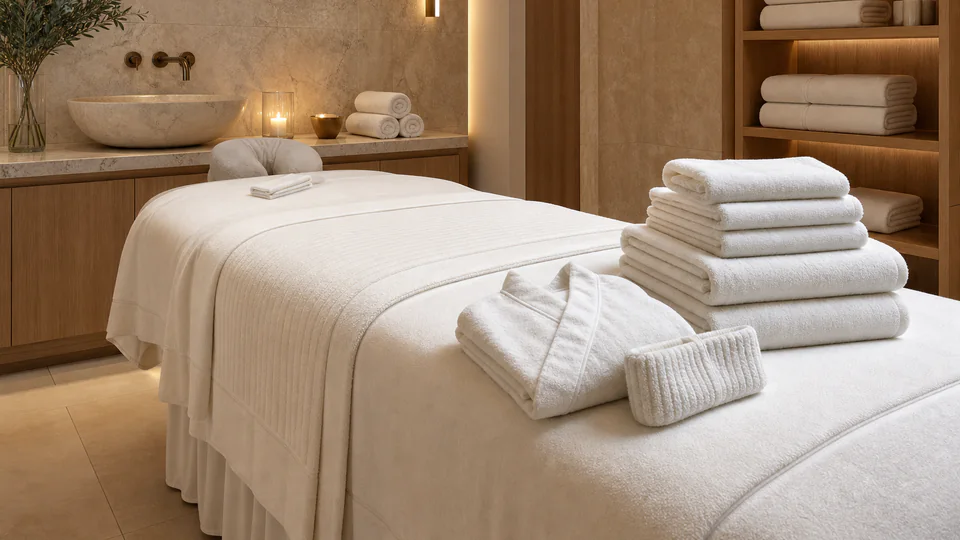
Spa linen touches guests, treatment products, heated surfaces and intensive laundry cycles. A useful procurement program separates textiles by service zone, then balances softness, absorbency, coverage, stain handling, drying capacity and discreet identification for daily operations.
Map textiles to treatments and service zones
List massage rooms, wet areas, relaxation lounges, changing rooms, treatment beds, pools and staff preparation zones. For each, record the textile item, contact use, required coverage, change frequency, exposure and storage route. Do not assume one white towel construction is suitable for every task.
Separate guest-facing quality expectations from utility requirements while keeping the complete program visually coordinated. Clarify whether heated cabinets, steam, wax, oils, masks or disinfectants contact each item. These details control material, color and processing decisions.
Specify size, weight and construction by item
Define finished dimensions after care for bath sheets, hand towels, face cloths, treatment sheets, table covers, wraps, headbands and blankets. State fiber, construction, finished weight, pile or surface, hems, closures and label location. Treatment-table textiles need fit and staff handling checks as well as guest softness.
Use the dimensional tolerance method to control shrinkage and skew. A towel that becomes smaller may still absorb well but no longer provide coverage, while a sheet with distorted corners slows consistent room setup.
Test oils, cosmetics, heat and color risks
Choose representative massage oils, lotions, masks, waxes, cleaning agents and heat exposures used by the spa. Run controlled stain-removal and laundering trials, then inspect residual odor, yellowing, shade change, fiber damage, absorbency and surface feel. Dark colors can hide some stains but may show oil marks or color transfer.
Set relevant colorfastness, strength, pilling and care-performance checks through the product testing plan. Review reports for the exact color and construction rather than accepting results from a broad product family.
Run a treatment-room and laundry throughput trial
Ask therapists and attendants to prepare representative rooms with cared-for samples. Observe draping, coverage, warmth, towel grip, folding, replacement time and how products move into soiled collection. The approved setup should protect guest dignity and support the property's professional procedures.
Measure wash load, rewash, drying time, lint, folding consistency and storage volume. Oil-heavy loads may require different sorting or chemistry from guestroom linen. Align the final label and operating instruction with the hotel linen care guide.
Plan par, identification and replenishment
Calculate demand from treatment rooms, appointments, change frequency, laundry turnaround, rejects and reserve. Keep sizes and service roles identifiable through durable, discreet labels or color details. Packaging and storage codes should prevent face cloths, treatment towels and guest amenity towels from mixing.
Track stains, chemical damage, edge wear, shade variation and loss by item and service zone. Preserve cared-for approved samples for replenishment. Reorder based on usable cycles and operational demand, not only opening quantity or lowest unit price.
Approve every spa textile after representative treatment exposure and the intended laundry route. Release the service-zone matrix, finished specification, care process, identifier and par level together.