Inspection timing determines which problems can still be prevented and which decisions the evidence can support. Inline checks guide an operation, during-production inspection tests a developing lot, and final inspection evaluates substantially completed goods. Buyers should combine stages according to product risk instead of treating them as interchangeable services.
Define the decision for each inspection stage
Inline inspection asks whether a process is producing the approved construction now. During-production inspection asks whether representative completed and in-process goods indicate that the order is on course. Final inspection asks whether the accessible completed lot meets the released requirements before shipment. Write the decision and escalation owner before sampling begins.
Separate these checks from the broader comparison in factory audit versus product inspection. An audit reviews systems and capability; a product inspection evaluates identified goods. Adding several inspection visits does not replace an approved specification, sample or responsible supplier quality system.
Use inline checks to prevent repeated workmanship defects
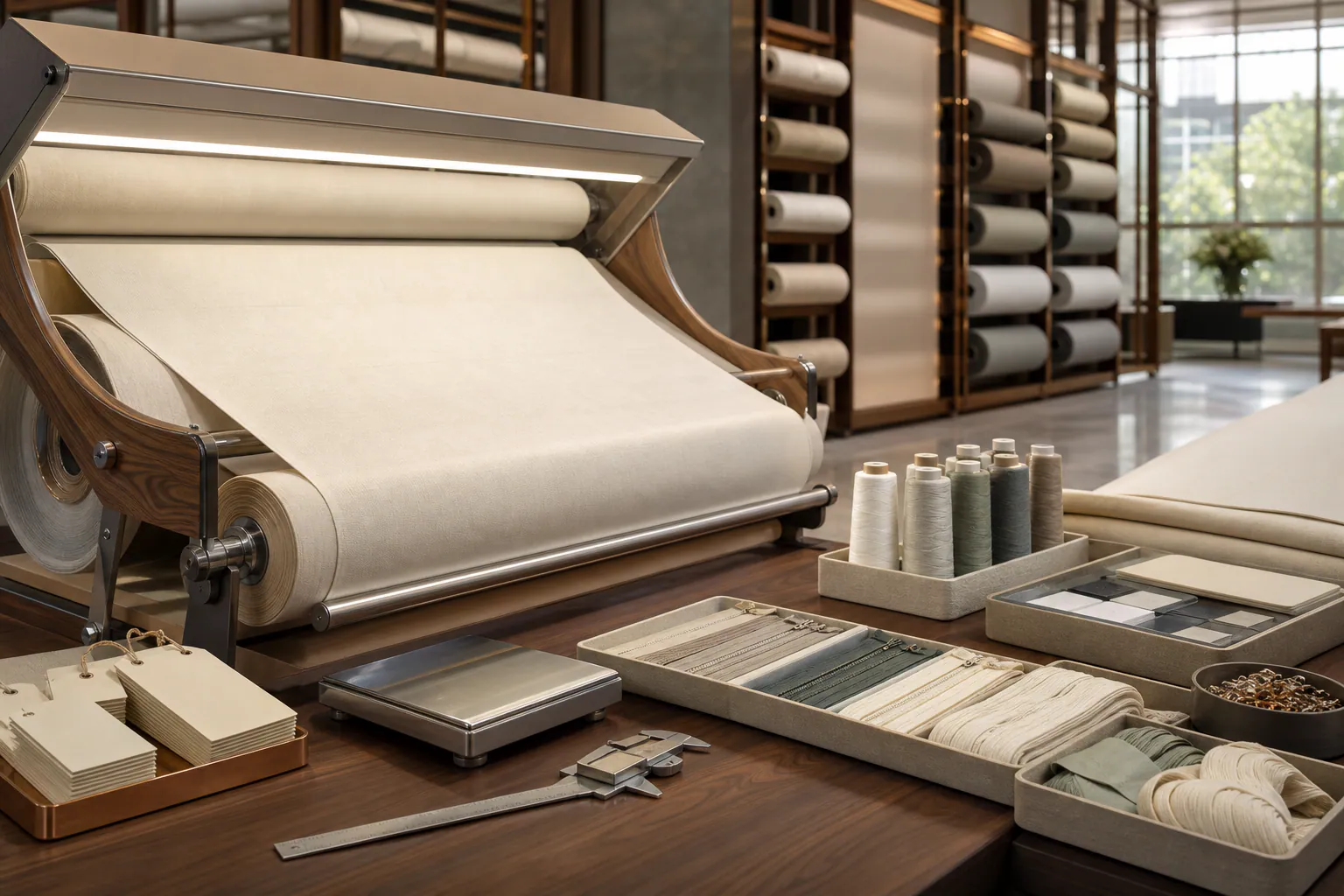
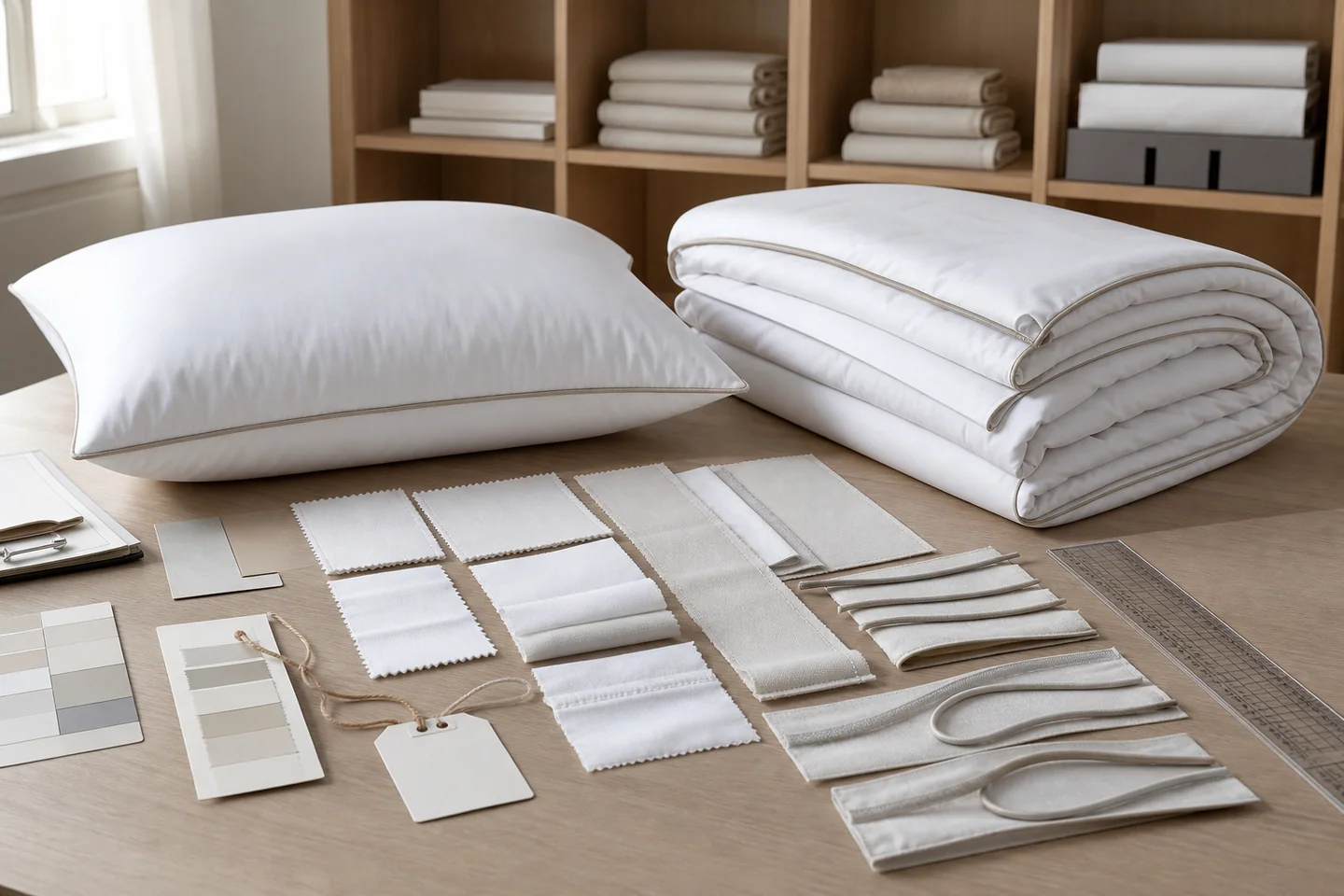
At line start and critical operations, confirm material identity, pattern, seam, stitch, closure, quilting, fill or label details against released references. Check enough early output to detect setup errors before they multiply. Record machine, line, operator group or material lot when that information supports containment.
The pre-production sample approval guide establishes what production should follow. Inline staff need measurable criteria and defect examples, not a general request to improve quality. Corrections should be verified on new output and affected earlier pieces should be identified for review.
Inspect during production while correction remains practical
Plan the visit when enough goods exist across relevant processes and cartons to reveal trends, but sufficient time remains to correct them. Review production status, material lots, completed units, in-process bundles and packing start. State limitations when some sizes, colors or lines have not yet entered production.
Use defect definitions from textile defect classification and examine recurring locations or operations. During-production findings can trigger containment, training or process adjustment. They should not be presented as a shipment pass when the later completed lot and packaging have not been sampled.
Run final inspection on a defined completed lot
Confirm production and packing completion, lot identity and carton accessibility before random selection. Verify quantity, SKU, dimensions, workmanship, appearance, function, labels, packaging and carton data according to the released plan. Record any inaccessible or unfinished portion instead of assuming it matches the sampled goods.
Apply the AQL sampling guide where an acceptance-sampling approach is suitable, and use the final inspection checklist for product-specific checks. A passing sample is evidence about the defined lot; it is not a guarantee of every unexamined unit.
Build a risk-based inspection sequence
Add early inspection for new factories, new constructions, high-risk claims, difficult workmanship or prior failure. Reduce redundant visits only when stable evidence supports the change. Identify mandatory hold points for material, first piece, packing start and shipment, then connect each finding to corrective action and reinspection rules.
Review trends through home-textile corrective action. If the same defect appears at final inspection, strengthen the upstream control that should have prevented or detected it. Inspection creates value when its timing changes an outcome, not when three reports repeat the same observation after packing.
Choose inspection stages by the decision they support and the time still available to act. Connect inline prevention, during-production trend evidence and final lot assessment to one released specification.