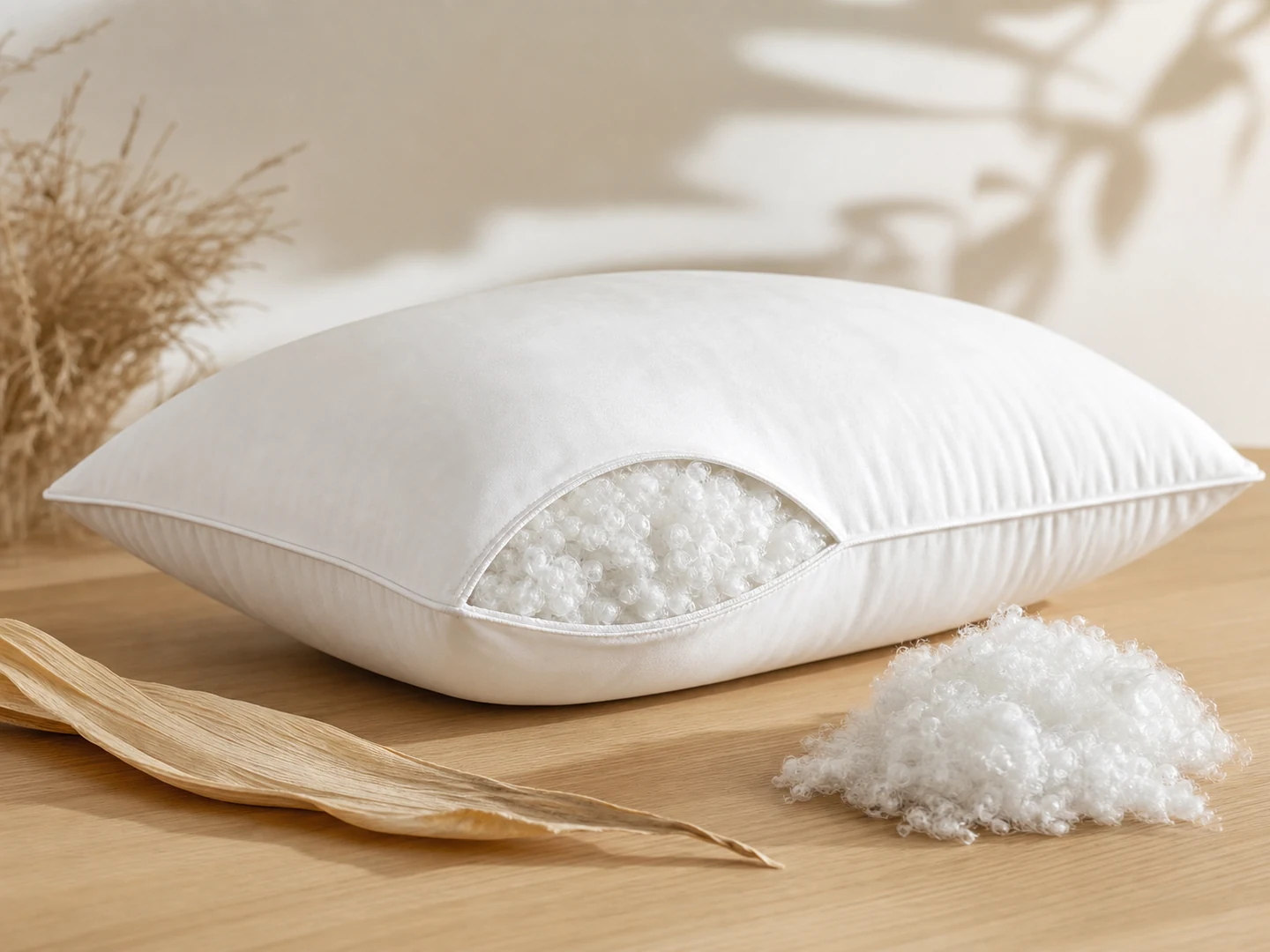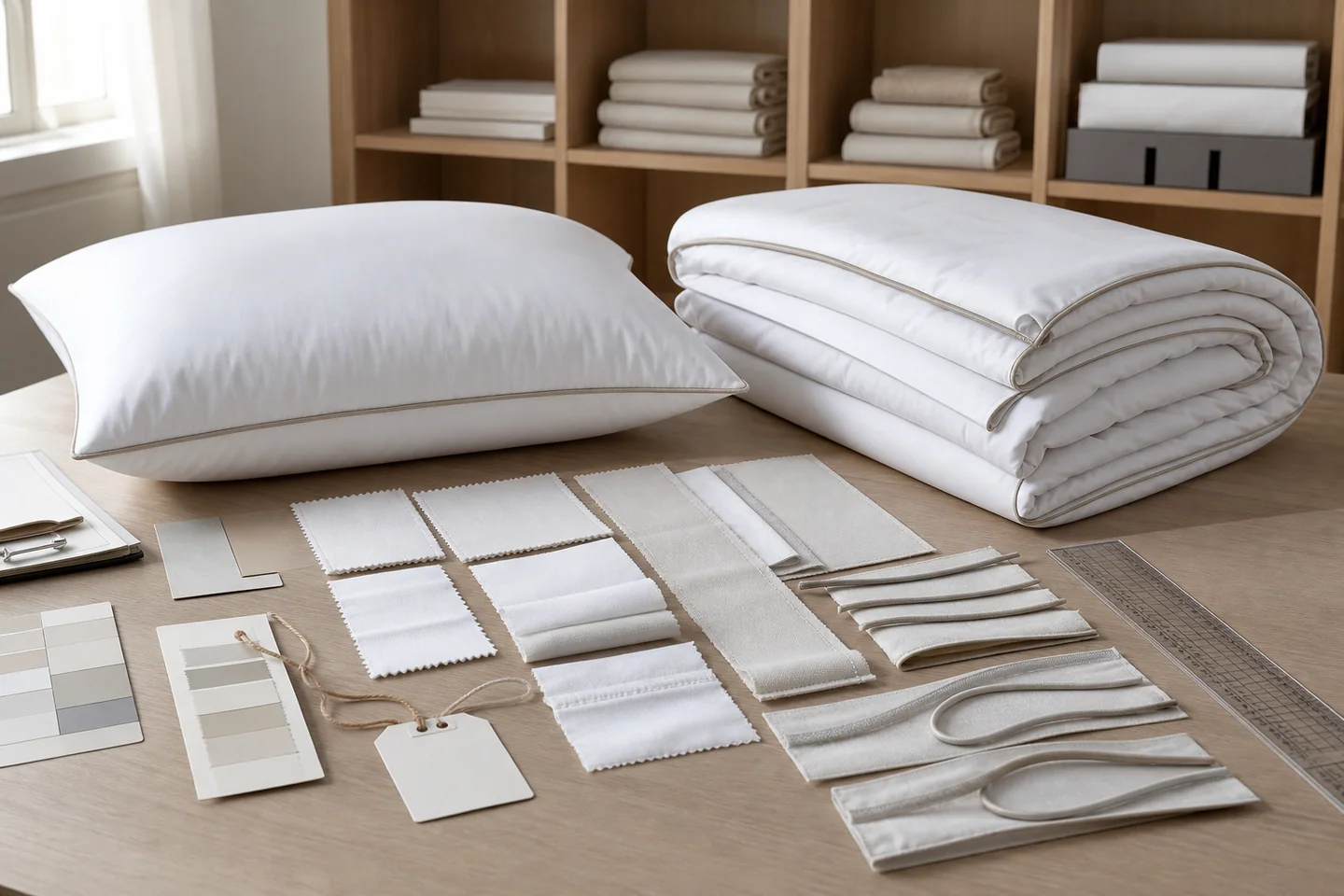
Most filled pillows require a final opening after the shell is constructed. That short closing seam carries concentrated handling loads and may be visually different from the surrounding machine-sewn perimeter. Weak backstitch, inadequate seam allowance, trapped fill, needle damage or an abrupt transition can release fibers during compression, transport, laundering or repeated use. The buyer should release a closing method, compare it with the surrounding seam, challenge fill containment under realistic handling and map the closure location during bulk inspection. This guide is a procurement-control framework, not a substitute for the buyer's specification, a test standard or a contract. It intentionally avoids invented factory capabilities, certificates, universal tolerances and automatic legal conclusions. The useful outcome is a repeatable approval and evidence route that lets design, production, quality, logistics and receiving teams compare the same item under stated conditions.
1. Define the filling opening and closing method
The final seam starts with controlled geometry
Treat this point as a controlled handoff, not a final visual glance. Specify opening location and length, seam type, seam allowance, thread, stitch density, backstitch or lock method, trimming and permitted hand work. The practical risk is specific: An opening shortened by operator judgment can trap fill, while an extended opening changes load distribution and appearance. Use the final-inspection checklist to connect development and bulk controls, and capture the product size, color, lot, production stage and applicable revision. When the condition varies by size or configuration, show the range explicitly instead of approving one convenient specimen for every variant.
Evidence must be sufficient for another reviewer to reproduce the conclusion. A construction drawing and marked approved sample should show both the exterior and internal seam transition. Link the result to the pre-production sample guide and preserve original measurements as well as any summary. A failed or uncertain result should remain on hold until an authorized disposition identifies affected quantity and the required reinspection. This disciplined route is more useful than adding an unsupported numerical limit after production has already begun.
- Dimension opening location and length.
- Specify seam and thread construction.
- Define locking and trimming.
- Mark the approved closure on the master.
2. Prepare the fill zone before closing
Clean seam allowances are essential for secure stitching
A buyer-ready specification names the reference, method and decision owner. Move fill away from the seam path, align allowances, remove contamination and control shell tension before sewing the opening. Without that discipline, Fibers or foam trapped in the stitch line can create skipped stitches, uneven allowance and a leakage channel. The FY Bedding quality route can provide the surrounding approval gate, while the article-specific record captures the feature itself. Include production-representative conditions and note any substitute equipment, material or mock-up component that could affect interpretation.
Close the check with traceable evidence rather than a pass stamp. First-piece reverse inspection and a documented cleaning step help verify conditions that disappear after the pillow is closed. Review it together with the AQL sampling guide, record deviations by location and quantity, and show what was reinspected after correction. If buyer and supplier have not agreed a numerical tolerance or test route, report measured findings and request disposition; do not invent a threshold that could be mistaken for a standard or contractual promise.
- Clear fill from the seam path.
- Align allowances without stretching.
- Inspect for contamination.
- Approve first-piece internal condition.
3. Inspect backstitch and seam transition
Strength and appearance meet at both ends
Build the control around the real end-use sequence. Examine stitch formation, density, locking length, thread tails, needle damage, puckering and alignment where the closing seam overlaps or meets the perimeter seam. This matters because Dense reverse stitching can perforate fine shell fabric, while insufficient locking may open under handling. Refer to the sample request route for the wider sourcing workflow, then identify sample, method, conditions and reviewer in the feature record. Separate development exploration from the final released rule so production teams know which observations are informative and which are mandatory.
The evidence pack should make the outcome understandable without relying on memory. Use magnified photographs and buyer-approved checks without claiming a universal stitch count or strength threshold. Cross-reference the lot-traceability guide, retain before-and-after views when a trial changes the product, and document the affected lot when a finding appears in bulk. Correction is not closure until the changed quantity is verified again under the same rule and the authorized disposition is recorded.
- Inspect both closure ends.
- Check locking without excessive perforation.
- Compare stitch line with the perimeter.
- Record needle or thread damage.
4. Challenge fill containment and recovery
The seam should be observed under realistic pressure
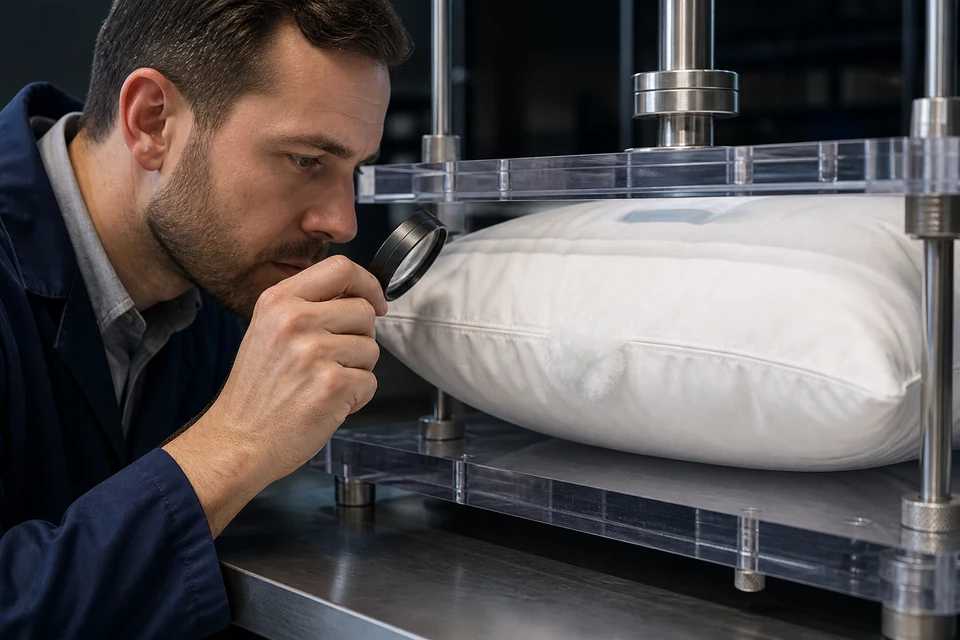
Compress, manipulate and recover the pillow using an approved method, then inspect the closure, surrounding shell and package for visible fill escape or seam opening. Begin with the released buying specification and the actual sample identity; do not let a convenient workshop convention become an unstated requirement. A dramatic machine load may be irrelevant, while a flat visual check misses transport and user handling stresses. Buyers can place this control beside the buying brief so material, construction and inspection decisions refer to the same revision. Record who checked the point, when it was checked and what product or lot was represented.
Record apparatus or manual sequence, dwell, sample identity, observations and post-trial dimensions so results can be repeated. The record should distinguish an observation from an acceptance decision and identify any approved deviation. Compare results with the packaging and carton approval guide, then state the hold, correction, recheck or release route. This prevents photographs and measurements from becoming detached files that cannot explain a production or sourcing decision later. Keep commercial disposition with authorized buyer and supplier representatives rather than embedding an automatic claim in the inspection method.
- Use a documented compression sequence.
- Inspect for fibers and seam opening.
- Observe recovery and local distortion.
- Preserve test conditions and sample identity.
5. Map closure quality in bulk
The short seam deserves deliberate sampling
Treat this point as a controlled handoff, not a final visual glance. Select pillows across filling and closing periods, locate every closure, inspect transitions, manipulate the seam and review packaging for leaked material. The practical risk is specific: If inspectors examine only overall shape and dimensions, localized closure defects can escape a normal final check. Use the golden-sample approval workflow to connect development and bulk controls, and capture the product size, color, lot, production stage and applicable revision. When the condition varies by size or configuration, show the range explicitly instead of approving one convenient specimen for every variant.
Evidence must be sufficient for another reviewer to reproduce the conclusion. Closure-specific defect records, repair authorization and reinspected quantities support shipment and sewing-line feedback. Link the result to the incoming-fabric inspection guide and preserve original measurements as well as any summary. A failed or uncertain result should remain on hold until an authorized disposition identifies affected quantity and the required reinspection. This disciplined route is more useful than adding an unsupported numerical limit after production has already begun.
- Spread samples across closing periods.
- Locate and inspect every sampled closure.
- Check packaging for escaped fill.
- Reinspect repaired closures.
Control the filling opening, clean the stitch path, secure both seam transitions and challenge fill containment before sampling closure quality across the production lot.