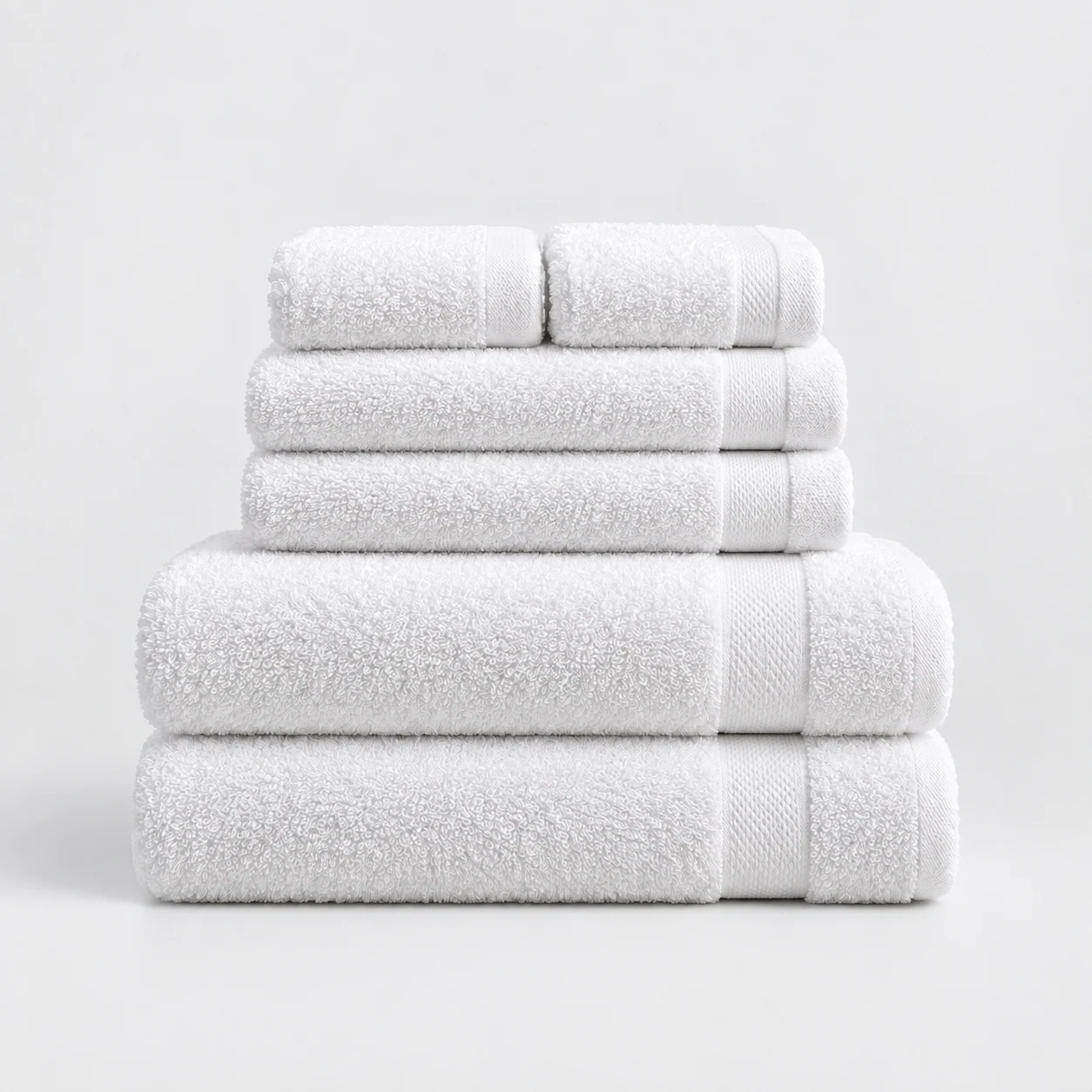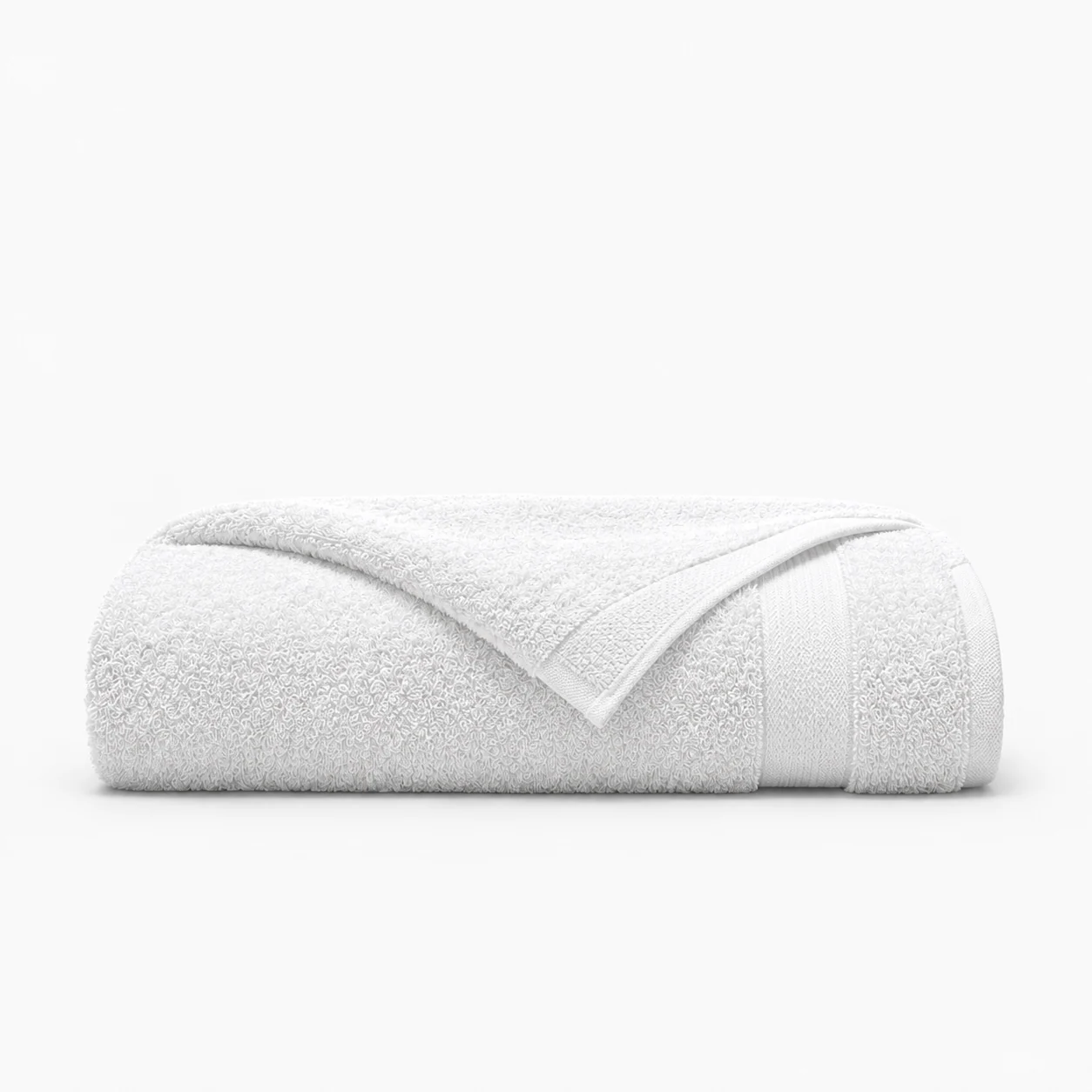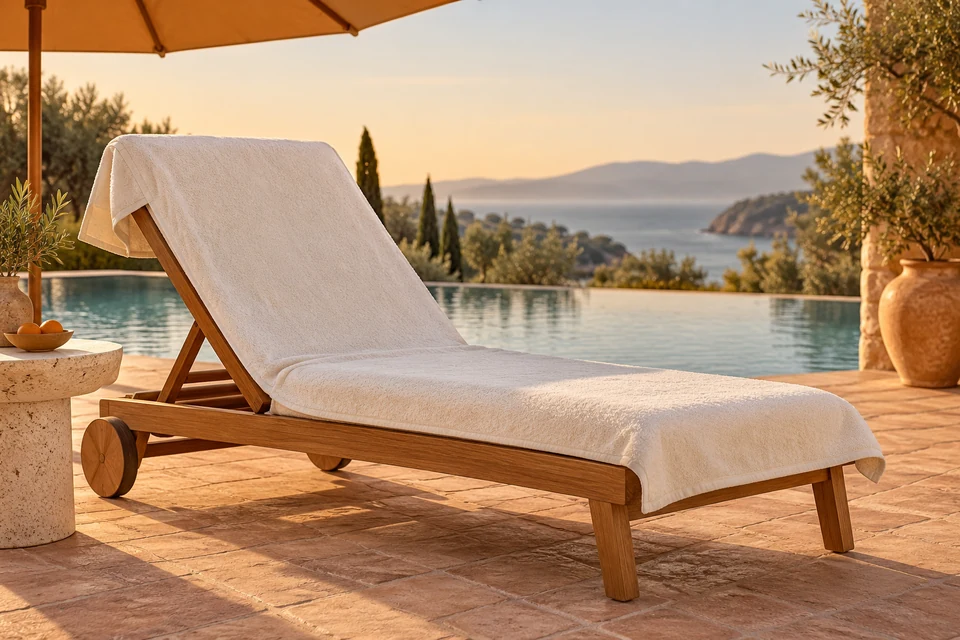
A pocket-top towel is bought for a particular relationship with a lounger, not simply for its flat dimensions. The pocket may look convincing on a styled chair while fitting another backrest poorly or leaving too little towel over the seat. A useful buying trial connects the furniture, sewn pocket, usable coverage and daily handling. It also keeps the towel's fit separate from unsupported promises about wind resistance, slip prevention or performance on every pool chair.
- 1. Start with the furniture that will actually remain in service
- 2. Draw the pocket and usable towel surface together
- 3. Observe normal use without improvising a safety test
- 4. Look inside the pocket before choosing the cloth
- 5. Repeat the fitting and staff reset after care
- 6. Allocate the order by approved chair group
Start with the furniture that will actually remain in service
Nominal chair size is not the pocket interface
Record each lounger model and any cushions used with it. Measure the backrest where the pocket will sit, including its width, thickness, upper curve and accessible rear profile. Check representative chairs in the property rather than assuming replacements share the same geometry. A thicker replacement cushion can change the fit even when the furniture's overall length remains unchanged.
Note which recline positions staff permit for normal guest use and photograph the accessible top of each chair. Have the responsible team identify hinges, adjustment parts or handles that must remain unobstructed. The wider pool towel procurement guide addresses operating stock and laundry; this furniture matrix supports the more specific decision about a fitted pocket. Keep those two quantity and fit decisions connected but distinct.
- Identify chair and cushion variants separately.
- Record the backrest dimensions at the pocket location.
Draw the pocket and usable towel surface together
A deeper pocket changes more than one measurement
Tote'l Towel describes its own lounge towel as including a top pocket that fits over the chair. That example establishes a product format, not a universal pocket size. For the proposed sample, ask for a drawing that identifies the pocket opening, internal depth, seam positions and the start of the guest-facing towel surface. Establish whether quoted length includes fabric folded into the pocket.
Fit the sample without pulling the pocket tight to obtain a photograph. Measure the resulting coverage over the back, seat transition and lower lounger. Ask what happens if the pocket is made deeper: does the visible surface begin in a different place, or does the finished flat length increase? Keep the accepted answer in the dimensional brief, rather than changing a single number while leaving the rest of the assembly ambiguous.
- Distinguish total cloth length from usable installed coverage.
- Inspect both the opening and the closed pocket end.
Observe normal use without improvising a safety test
A pocket is not a restraint or a furniture component
Ask the property's authorized staff to review the towel on a stable chair using ordinary permitted movements: arranging the backrest, sitting, standing and resetting the surface. Keep hands and loose fabric clear of moving furniture mechanisms, following the chair maker's instructions. Record where the towel bunches, pulls on the pocket seam or exposes an area the buyer intended to cover.
Do not attach improvised straps or clips simply to make an unsuitable sample stay in place. Any additional component changes the product and needs separate review. Likewise, a short calm-weather observation cannot substantiate a windproof claim. The buyer can approve observed fit on named chairs while leaving other performance statements unapproved. If the project also requires the towel to function as a personal drying towel, review that purpose separately using the absorbency evidence framework.
Look inside the pocket before choosing the cloth
Construction should not disappear behind a soft towel face
Turn the accessible pocket section over and inspect the seam ends, edge treatment and any bulky junction at the upper corners. Ask the source to identify how the pocket is made and which construction the bulk order will follow. Keep the exact cloth and finishing state with the sewn sample; selecting one towel swatch and a pocket made from another fabric leaves an important relationship untested.
Use the towel construction guide to organize material questions, but judge pocket access and installed fit on the finished article. A heavier-looking terry does not establish seam strength or better retention. Where the project requires mechanical evidence, agree an appropriate method and acceptance rule with a competent technical owner, linked to the actual seam and towel configuration.
- Inspect seam terminations and upper corner bulk.
- Do not approve the pocket using a different towel construction.
Repeat the fitting and staff reset after care
The pocket opening matters as much as the towel body
Agree the intended processing route with the laundry operator before committing to the towel format. After that trial, evaluate the body and pocket measurements separately and refit the same identified chairs. Note whether pocket access, usable coverage or corner shape has changed. Keep the method and sample identities within the hotel wash-trial record; do not import a retailer's domestic care instruction into commercial operation.
Ask staff to remove, fold, store and refit the processed towels using the planned working routine. Observe whether they can recognize the pocket end quickly and whether similar folded sizes are easily confused. The size-identification guide can support a suitable marker plan. Record actual reset difficulties without advertising an unmeasured labor saving or calling one successful fitting a lifetime fit guarantee.
- Measure the processed pocket opening and depth.
- Observe removal, folding and refitting as one sequence.
Allocate the order by approved chair group
A property-wide quantity still needs a fit map
Assign each approved towel version to the chair models it has actually been tried on. Build quantities from the operating plan, laundry turnaround and replacement policy, then confirm cloth, color and pocket-version minimums with the source. If one sample does not serve every chair, compare the operational cost of separate formats with changing the furniture plan instead of silently broadening the fit claim.
Specify carton identification by towel version and intended chair group so opening teams do not discover the difference at poolside. Send FY Bedding the chair matrix, proposed coverage and care constraints through a fitted-sample enquiry. A project quotation request should include the required arrival date and the sample approval sequence. Material availability, construction capability and delivery timing require confirmation against that brief.
Approve the pocket-top towel on named loungers before and after the intended care route, with its usable coverage, unobstructed furniture operation and repeatable staff reset documented.
Method references: Tote'l Towel: brand-owned example of a lounge towel with a top pocket; no performance claim is transferred.