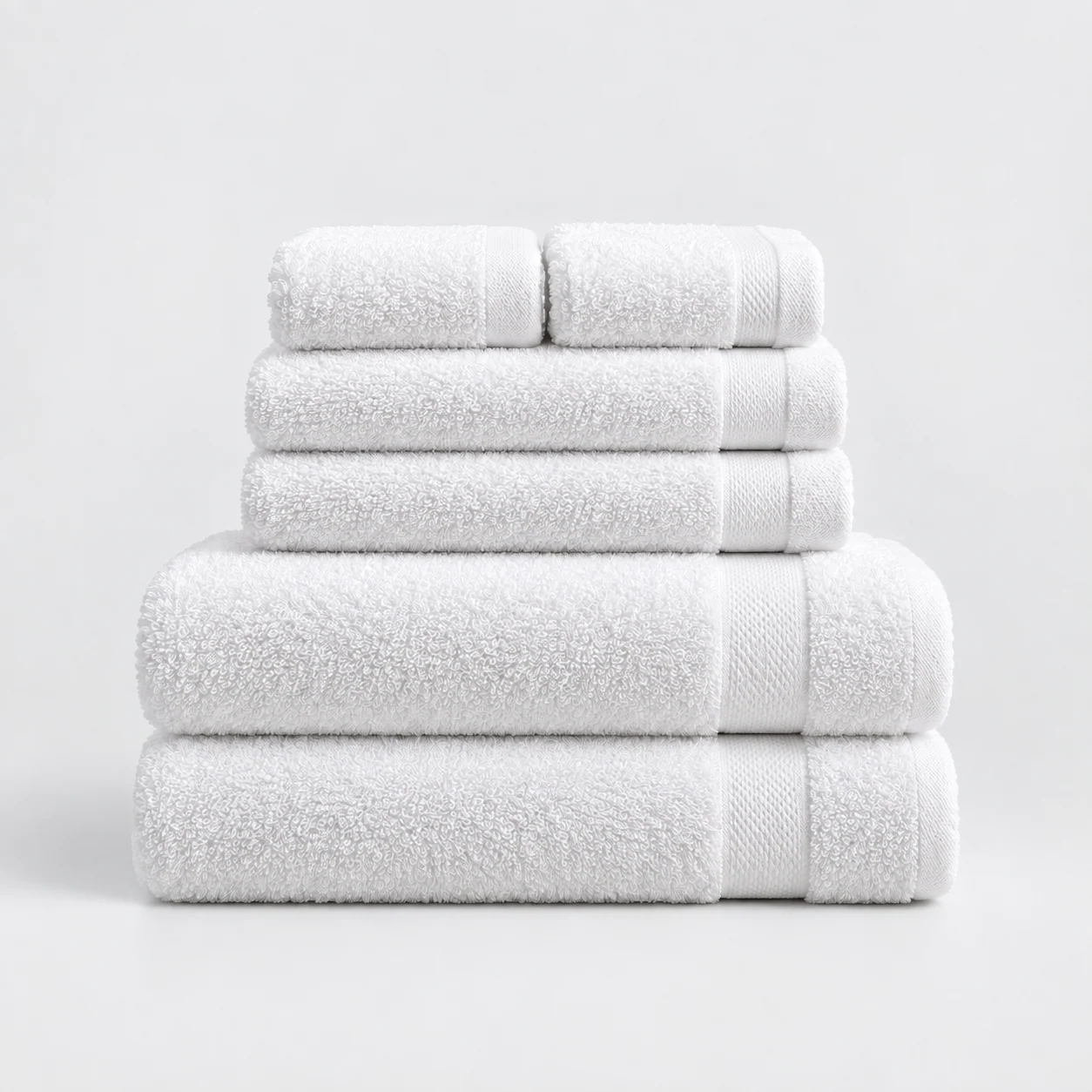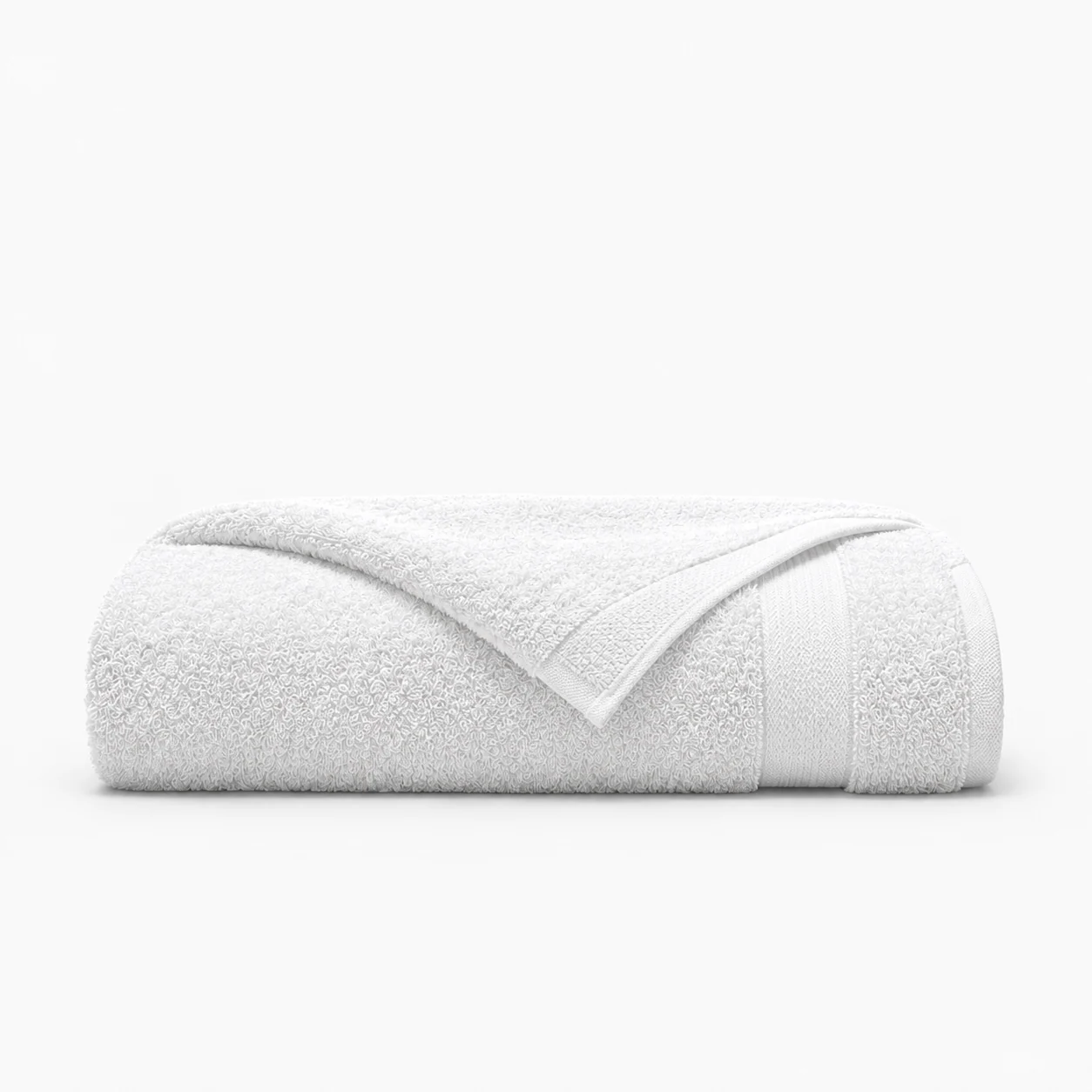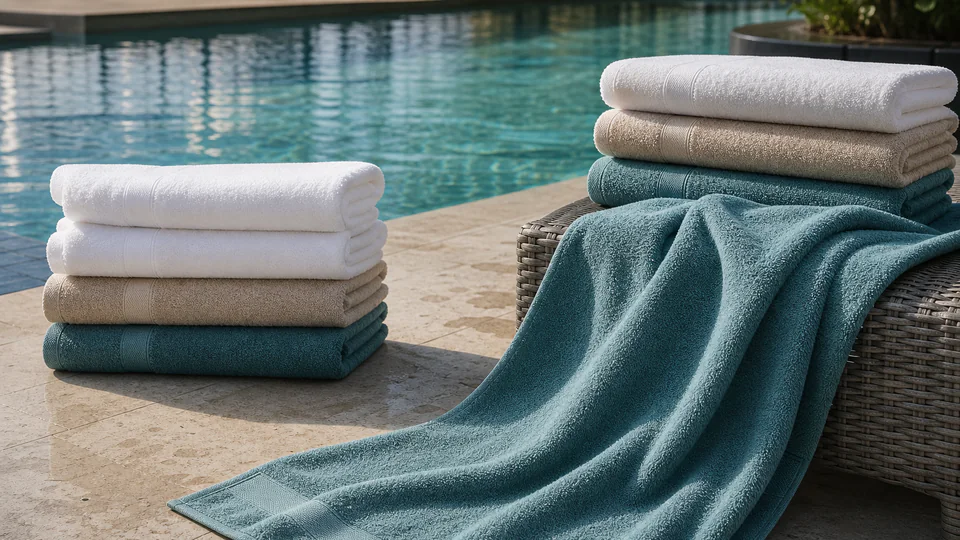
Pool towels operate in a harsher system than many guestroom textiles. Sunlight, chlorine, sunscreen, outdoor handling, high laundry volume and loss all affect the right construction. Procurement should balance guest comfort with drying speed, shade stability, process capacity and clear property control.
Map the guest journey and service environment
Record where towels are issued, used, returned, stored and laundered. Distinguish pool deck, spa, beach, gym and cabana programs because size, branding and contamination risks differ. Note surface temperatures, wind, humidity, expected guest turnover and whether attendants or automated stations control issue.
Define the towel role before selecting a weight. A large lounging towel, a quick-exchange swim towel and a premium cabana towel may require separate specifications. Consolidate only when a shared product genuinely works in each location and does not create operational confusion.
Specify dimensions, weight and construction after care
State finished length, width and weight after the agreed conditioning or care sequence. Identify fiber, yarn, pile structure, ground construction, border, hem and any sheared or velour face. Weight per square meter is useful, but total towel weight and usable area also affect guest perception and laundry load.
Use the dimensional tolerance approach to control shrinkage and skew. Check whether decorative borders contract differently from the pile field and whether corners curl after tumble drying. A production sample should represent the exact yarn, color and finishing route.
Test the exposures that matter outdoors
Build a risk-based plan for absorbency, colorfastness to washing, chlorinated water, light, rubbing and perspiration. Consider sunscreen, body oils and cleaning chemicals used at the property. White towels reveal staining and yellowing; colored towels can fade unevenly or transfer shade onto furniture and clothing.
Check lint, pile pull, seam strength and appearance after repeated care. Establish methods and acceptance limits before ordering through the product testing plan. A generic pass statement is not enough unless the report identifies the tested color, construction and production lot.
Run a laundry capacity and guest-use trial
Process representative towels in the intended washer, chemistry, extractor, dryer and folding flow. Measure cycle time, retained moisture, drying energy, lint, folding consistency and stack volume. A heavier towel can feel substantial yet reduce daily throughput and increase storage and cart requirements.
Place cared-for samples into real use and gather structured feedback on softness, coverage, absorbency and sand release where relevant. Inspect how wet towels move through collection points. Confirm the care label and staff instruction against the hotel linen care guide before bulk approval.
Control identification, par levels and loss
Choose identification that survives care without irritating guests: woven labels, color systems, durable branding or approved tracking technology. Keep size and location codes consistent from purchase order to carton, shelf and issue station. Branding position should avoid folding lines and high-abrasion edges.
Calculate par from peak occupancy, issue pattern, laundry turnaround, rejected pieces and emergency reserve. Monitor loss separately from wash damage so the response fits the cause. Preserve production standards and a cared-for reference sample for replenishment, then compare cost per usable cycle rather than only unit price.
Approve the towel after repeated property-representative care and exposure checks. Confirm finished dimensions, weight, color, construction, drying impact, identification and par assumptions.