Reusable cleansing pads are small textile products with a surprisingly detailed buying specification. Two pads can share the same diameter while differing in layer count, edge bulk, handle and the contents of the retail set. For a brand program, define the textile construction and the proposed cleaning route first. Keep cosmetic, skin-health and hygiene claims outside the brief unless they have separately reviewed support.
Identify what each face is made from
Do not describe the product by appearance alone
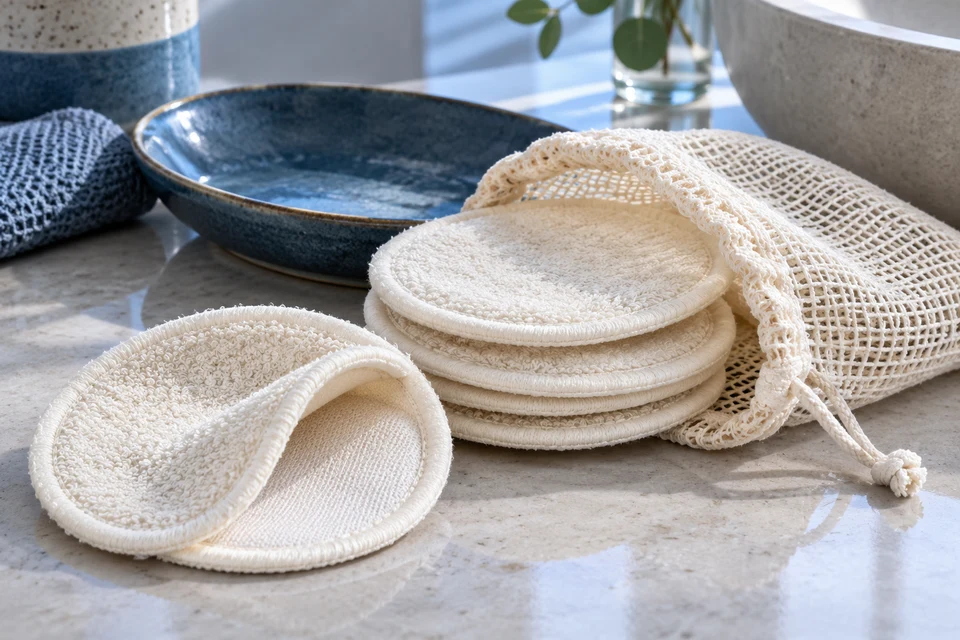
Ask for the fibre composition and construction of each face and any internal layer. If the two faces differ, define how the customer is expected to distinguish them. A cream looped surface does not establish a particular fibre, organic status or certification. Keep the supplier's material reference and the actual finished sample together so the procurement record describes the product that will be supplied.
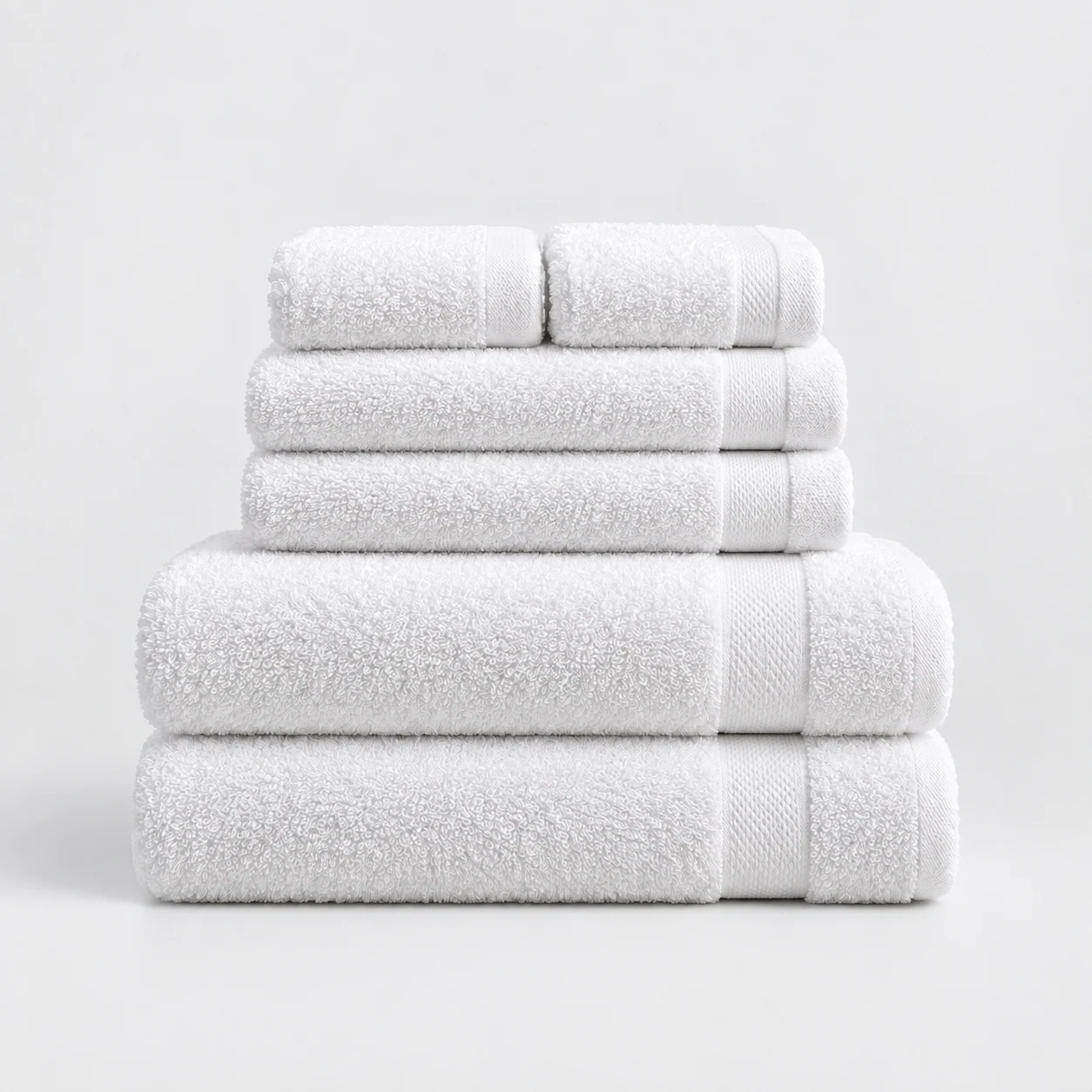
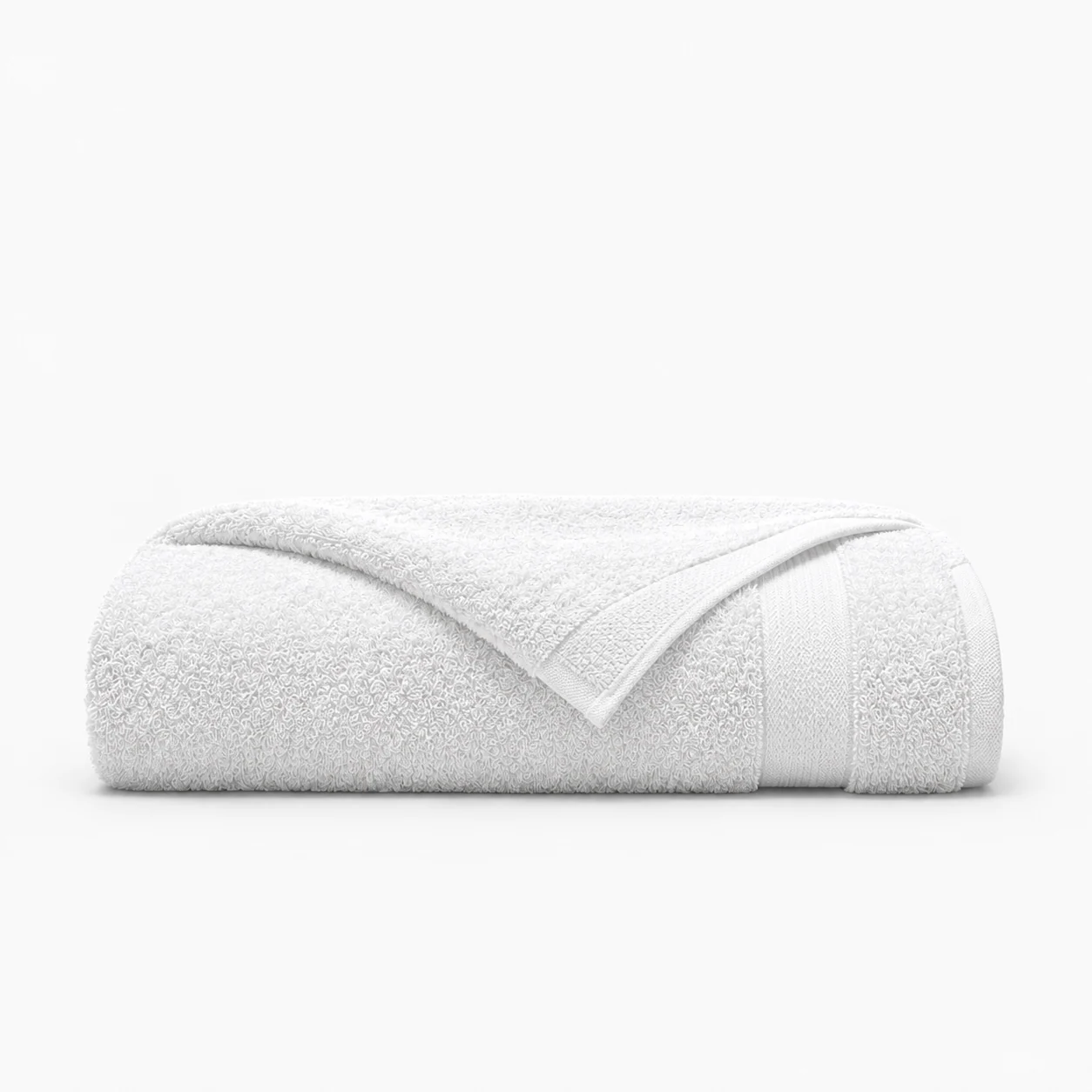
Review the layer junction by handling and inspecting a sample. Look for shifting layers, uneven thickness and exposed seam allowances. Use the terry construction guide to structure questions about the looped face, while recognizing that a small multi-layer pad needs its own finished-product approval rather than inheriting a bath towel specification.
- List each face and inner layer separately.
- Retain the complete pad, not only a fabric swatch.
Measure the usable area and the finished border
Check a stack as well as one piece
Specify the finished outline, diameter or other relevant dimensions and the measuring method. Record whether the edge is bound, overlocked or turned. The border consumes part of the usable textile face and can feel different from the centre. Compare several pads from the development set to assess whether the outline and edge profile are visually consistent rather than choosing the best-looking single piece.
Stack the proposed retail quantity and examine whether edge bulk makes the pack tilt or spring open. Check for loose thread ends and incomplete seam sections without presenting that inspection as proof of skin suitability. The seam and stitch checklist provides a framework for documenting the accepted finish, including what the reverse side should look like.
- Record finished dimensions after the edge operation.
- Approve the same number of pads that the retail pack will contain.
Evaluate the proposed washing route
Keep observations separate from hygiene claims
Agree the cleaning instructions before the sample trial. Identify how the pads are loaded, whether a pouch is used and how they are dried. Assess the full construction afterward for shape change, layer displacement, loose edges and changes in surface appearance. Retain the method and sample identities so a later material change can be reviewed against the same starting point.
A washing trial does not establish sterilization, antimicrobial performance or suitability for every skin type. Do not add such statements to packaging based on a visually clean sample. Use the care instruction checklist to keep the approved wording aligned across the pack and online listing. Any cosmetic or health-related positioning needs its own competent review and supporting evidence.
- Compare the centre and edge before and after the trial.
- Do not turn an appearance observation into a health claim.
Treat the laundry pouch as a second product
Review containment and the closure
If a mesh pouch is included, specify its usable internal dimensions, mesh construction and closure. Load the full intended pad count and check whether the closure can operate without crowding. A pouch photographed with two pads may be unsuitable for the complete sales unit. Review any drawcord or zipper and the intended instructions with the responsible product team; do not assume a generic accessory is appropriate for all uses.
Perform the agreed care trial with the actual pouch and pad combination. Record whether pads remain contained and whether the closure or mesh changes visibly. The bill of materials should identify the pouch, closure and labels as well as the pads. If the pouch is optional, give the two pack versions distinct contents and quotation lines.
- State whether the pouch is for storage, laundering or both.
- Test the complete intended load, not an arbitrary sample quantity.
Make the pack count and evidence traceable
Price a defined set
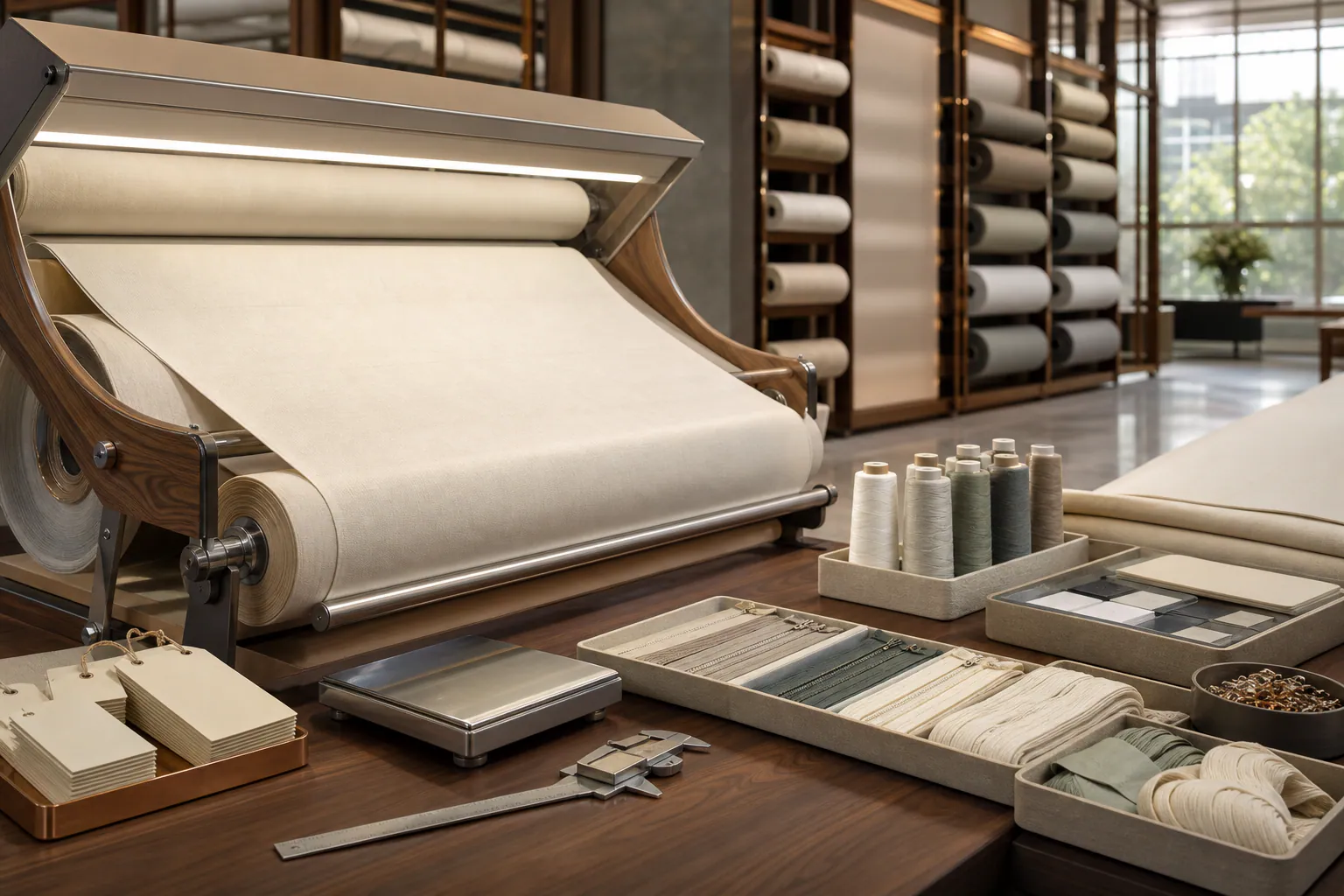
Write a counted pack specification: pad quantity, face options, pouch quantity, outer packaging and any instructions. Confirm whether mixed colours are supplied in a fixed ratio. Ask which minimums apply to material, border colour and packaging artwork. A low finished-piece price is difficult to compare if one offer omits the pouch or uses a different number of layers.
Match reports to the proposed material and finished construction using the sample-identity review. Keep unverified claims such as hypoallergenic, organic or antibacterial out of the final copy. Send FY Bedding the desired pad construction, care route, pack count and destination so the project can be assessed and a sample scope agreed before production quantities are committed.
- Approve the pack-opening contents photograph.
- Link material and construction revisions to the retail item code.
Approve the layered pad, finished border and complete pouch load together. Count and care instructions must match the actual sales unit, with health and hygiene claims reviewed separately.