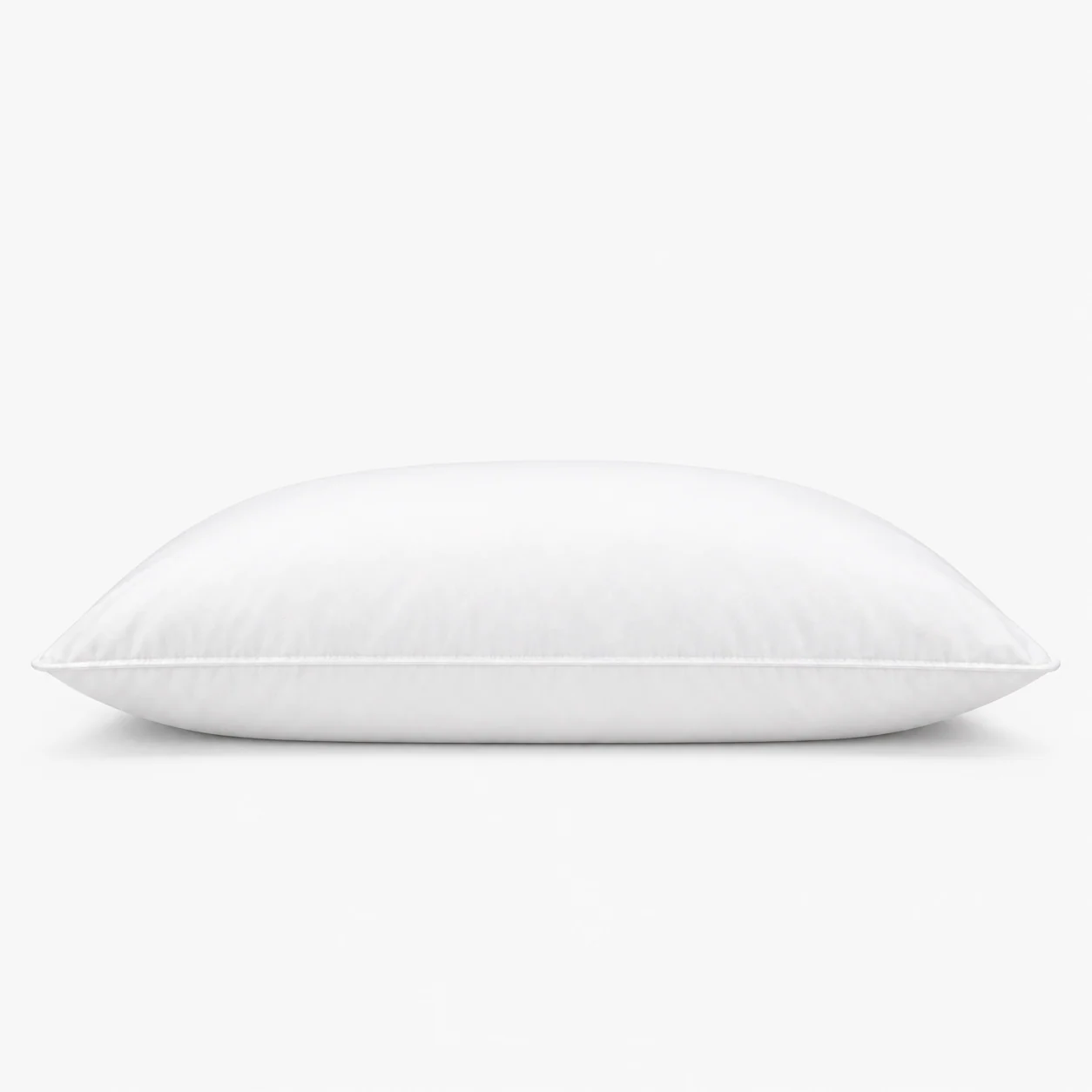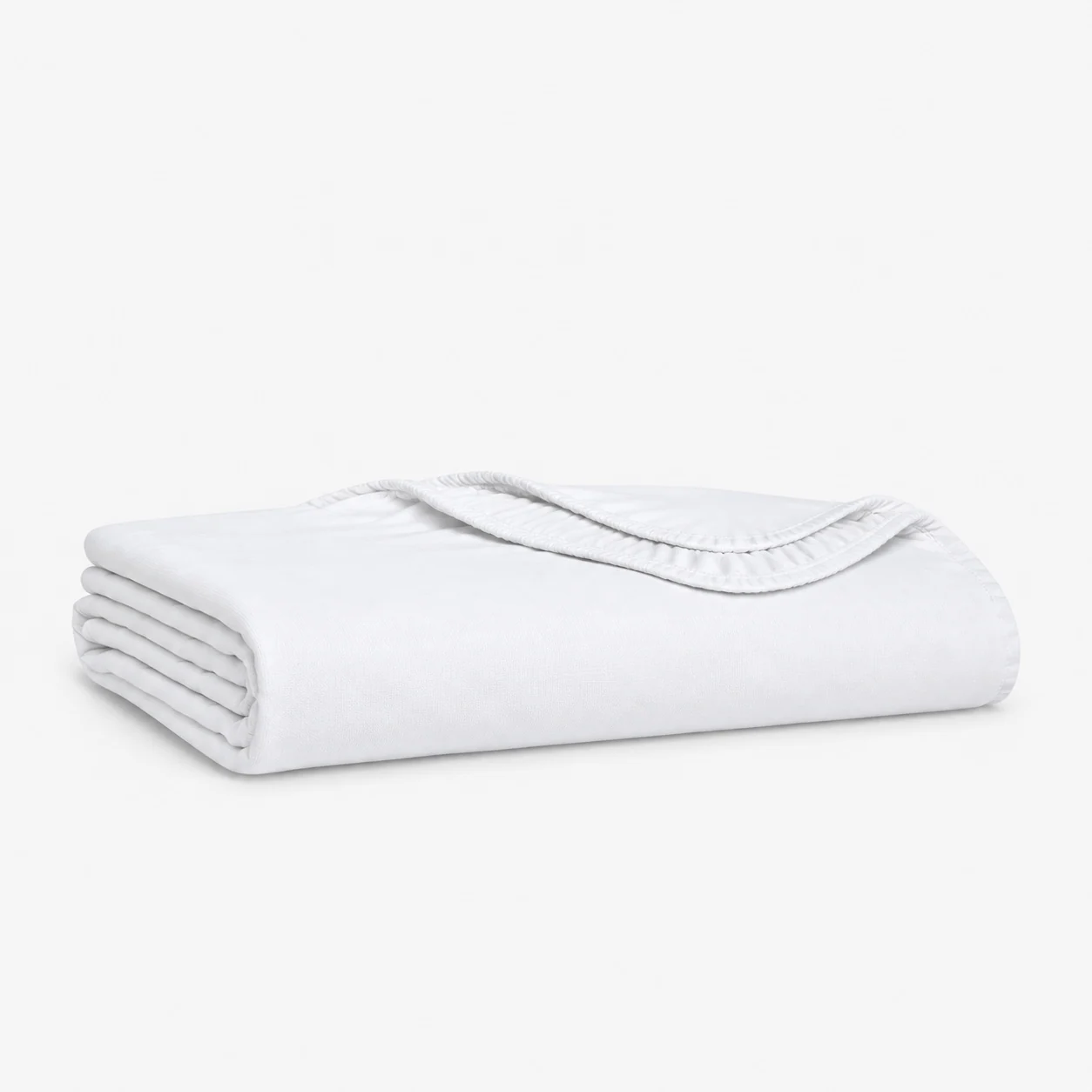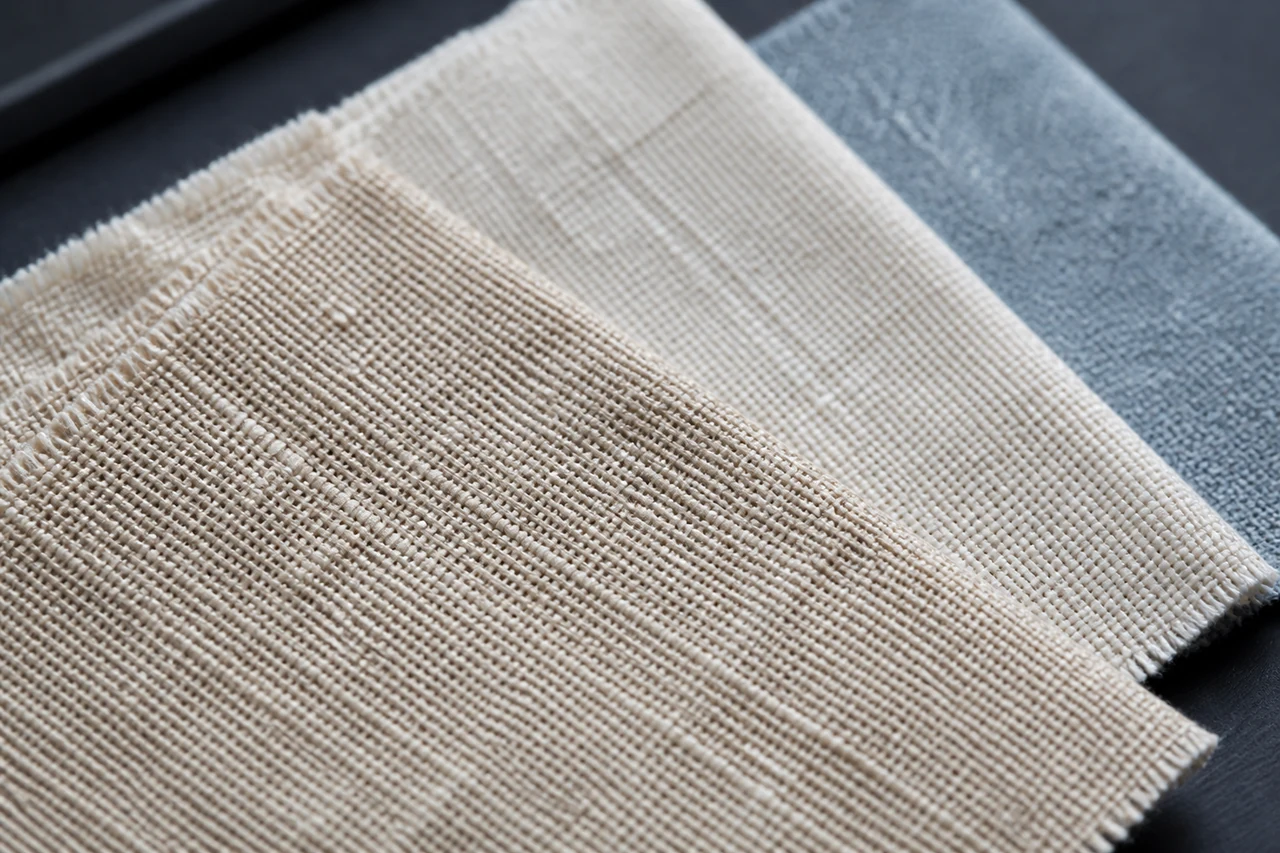
White bedding can appear warm, neutral, blue, gray or overly bright even when every option is called white. Fiber, yarn, preparation, optical brightener, finishing, lighting and laundering all influence appearance. Buyers need a physical standard and a controlled decision method that represents the made bed and future replenishment.
Define the target white in product context
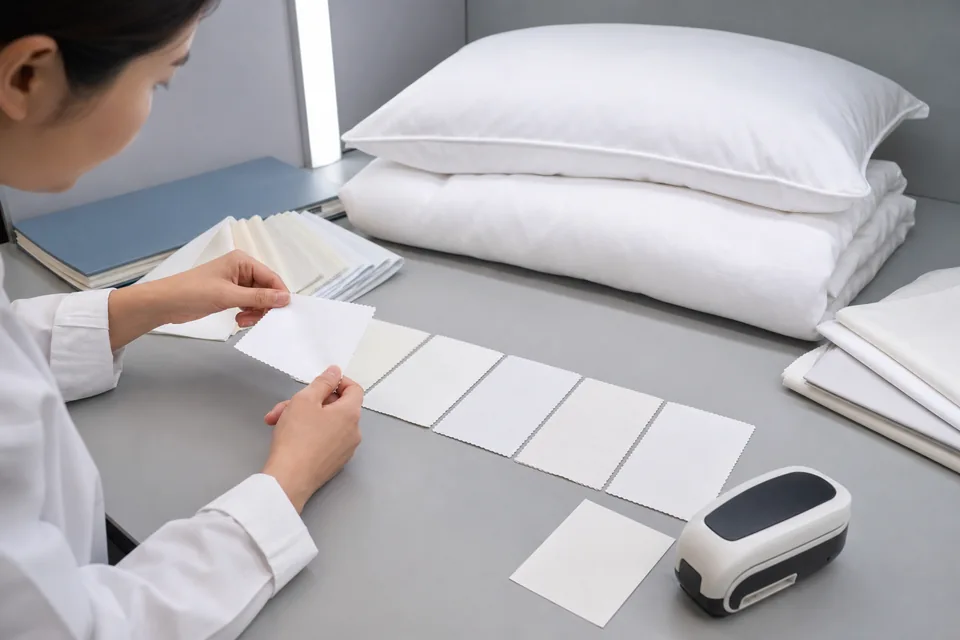
Approve a physical standard on the intended fiber, construction and finish. Review it beside mattress covers, towels, duvet inserts, room surfaces or retail packaging that will be seen together. A digital white patch or verbal description cannot show the subtle cast and opacity of the actual textile.
Use the boundary approach in textile shade-band control. Retain acceptable and unacceptable examples where needed. State whether different product families must match exactly or only coordinate, because terry, woven sheeting and filled shells reflect light differently.
Control lighting, backing and viewing conditions
Define light source, booth condition, observation angle, backing, sample layers and surrounding colors. Compare conditioned specimens at consistent size and orientation. Thin fabric on a dark table may look grayer than the same fabric folded on a hotel bed, while glossy surfaces can exaggerate directional highlights.
Record the visual method alongside any instrumental result. The roll shade continuity guide helps carry the approved white into roll grouping and cutting. Instruments support consistency, but the final visible decision still belongs to the specified product and viewing context.
Understand optical brightener and finish effects
Ask whether preparation, bleaching, optical brightener or finishing contributes to the target appearance and whether the process is intended to remain stable through care. Avoid treating one whiteness value as a universal quality grade. Different methods, illuminants and materials can produce results that should not be compared directly.
Build relevant checks into the bedding product testing plan. Match the specimen and method to the approved material. If fluorescent behavior matters under particular lighting, involve qualified testing and compliance professionals rather than translating an instrument number into an unsupported marketing claim.
Trial laundering and mixed-room appearance
Wash production-representative samples through the intended chemistry, temperature, drying and finishing route. Compare shade, yellowing, graying, optical change, opacity and surface appearance after repeated cycles. Include old and new stock together when replenishment compatibility matters to a hotel or rental program.
Align the trial with the hotel linen care guide. Laundry chemistry and contamination control can affect white appearance after purchase. Separate a product color issue from a wash-process issue by retaining original, cared-for and in-service references with known histories.
Preserve lot allocation and reorder continuity
Group compatible bulk lots and avoid random mixing where adjacent pieces must coordinate. Label cartons and internal stock so properties can allocate one lot to a room, floor or opening phase. Record concessions explicitly rather than allowing boundary material to become the unmarked reorder standard.
Use reorder specification control to compare new production against the approved white and existing inventory. Review changes in fiber source, mill, preparation, finish or care route. A matching product name cannot protect white continuity when the process behind the appearance has changed.
Approve white bedding on the actual material under defined light and after representative care. Preserve physical standards and lot history so future deliveries coordinate with the program they replenish.