A fabric lot can sit within an approved color tolerance yet still create visible variation when rolls or panel positions are mixed in one finished product. Buyers and factories need a roll-level shade plan that connects incoming evaluation, cutting, bundling, sewing and reorder traceability.
Approve one controlling color and material standard
Identify the approved strike-off, lab dip, bulk cutting or physical master, including version, fabric construction, finish and viewing conditions. Keep digital images as communication aids, not the sole color standard. Record the permitted decision method and who can authorize a boundary sample.
Use the strike-off approval guide for printed programs and define how pattern color, ground shade and registration are evaluated. A color approval should remain tied to the exact material and finish represented.
Map every incoming roll before cutting
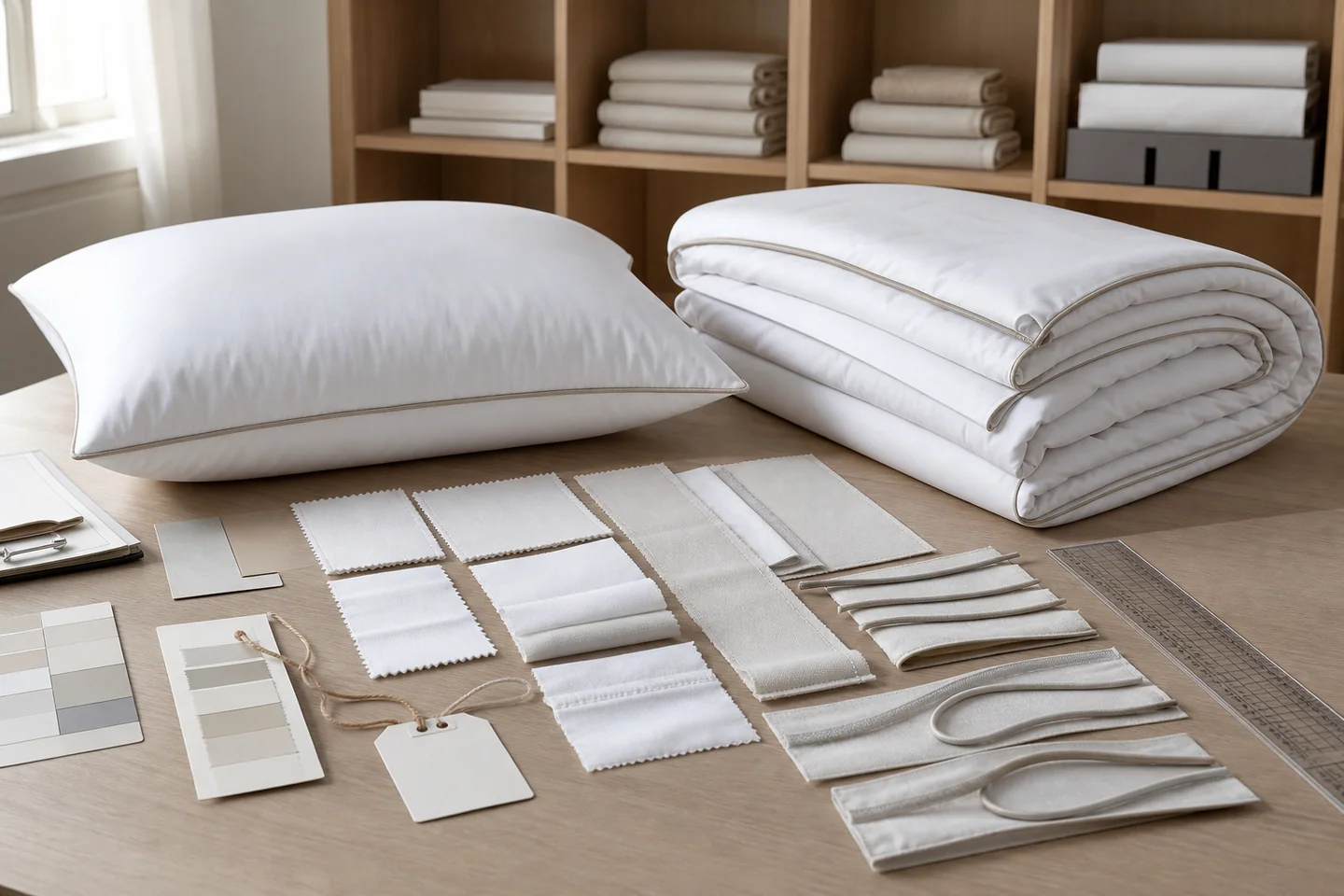
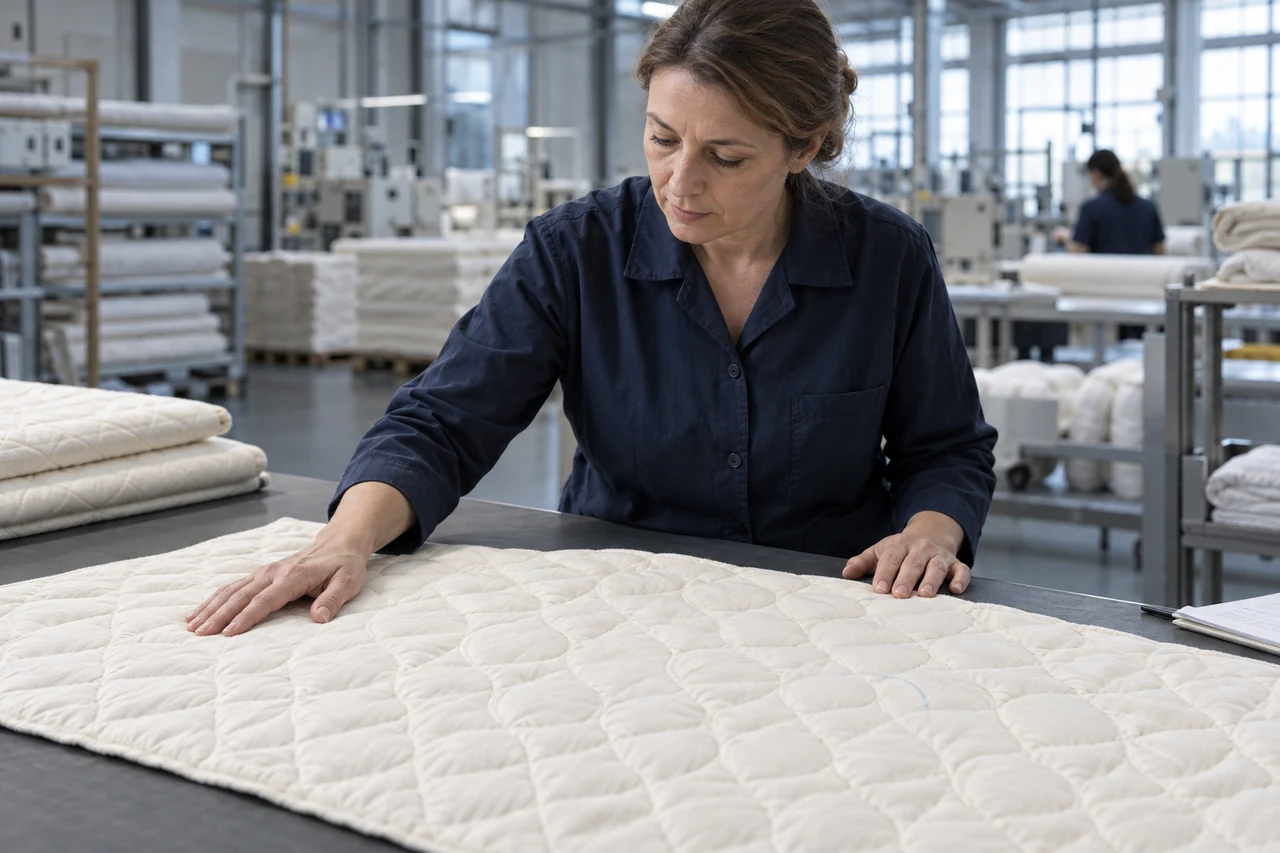
Record supplier lot, roll number, length, width, face direction and inspection result. Compare start, middle and end where the program risk requires it, then identify side-to-side or end-to-end variation. Preserve labeled swatches that show the roll and position sampled.
Integrate the process with the incoming fabric inspection guide. Shade evaluation should not hide width, skew, defects or finish differences; all results belong to one roll disposition decision.
Create shade groups and cutting rules
Group compatible rolls using the approved visual or instrumental process, then issue clear rules for which components must come from one roll or one shade group. Large duvet faces, paired pillowcases and joined curtain widths can make small differences more visible than isolated pieces.
Apply the acceptance logic from the shade-band control guide. Mark roll status physically and in the cutting system so blocked or boundary material cannot be selected only because its length fits the marker.
Maintain traceability through bundles and sewing
Keep bundle tickets linked to roll and shade group, especially when matching faces, pairs, borders or replacement panels. Control face direction and pattern direction at spreading. Prevent bundles from different groups being combined during sewing, inspection or repair.
Record fabric lot and approved substitutions in the bedding bill of materials. If a repair panel is cut later, the team should know which shade group can serve the original product rather than choosing from untraceable remnants.
Verify finished appearance and preserve reorder evidence
Inspect complete products under agreed viewing conditions, including paired items and large surfaces. Record visible mismatch separately from general color deviation. Retain representative roll swatches and a finished approved product with lot, date and process references.
Use the supplier change-control process for new dye lots, finish changes or alternate mills. A reorder may meet the original target yet differ from aged inventory, so define how replacement compatibility will be evaluated and communicated. Keep a disposition record for leftover rolls and remnants so future repairs do not introduce material with unknown shade history into an otherwise controlled room or retail set.
Release fabric only when roll identity, shade group and cutting rules are controlled together. Preserve roll-to-product traceability so mismatches, repairs and later reorders can be investigated with physical evidence.