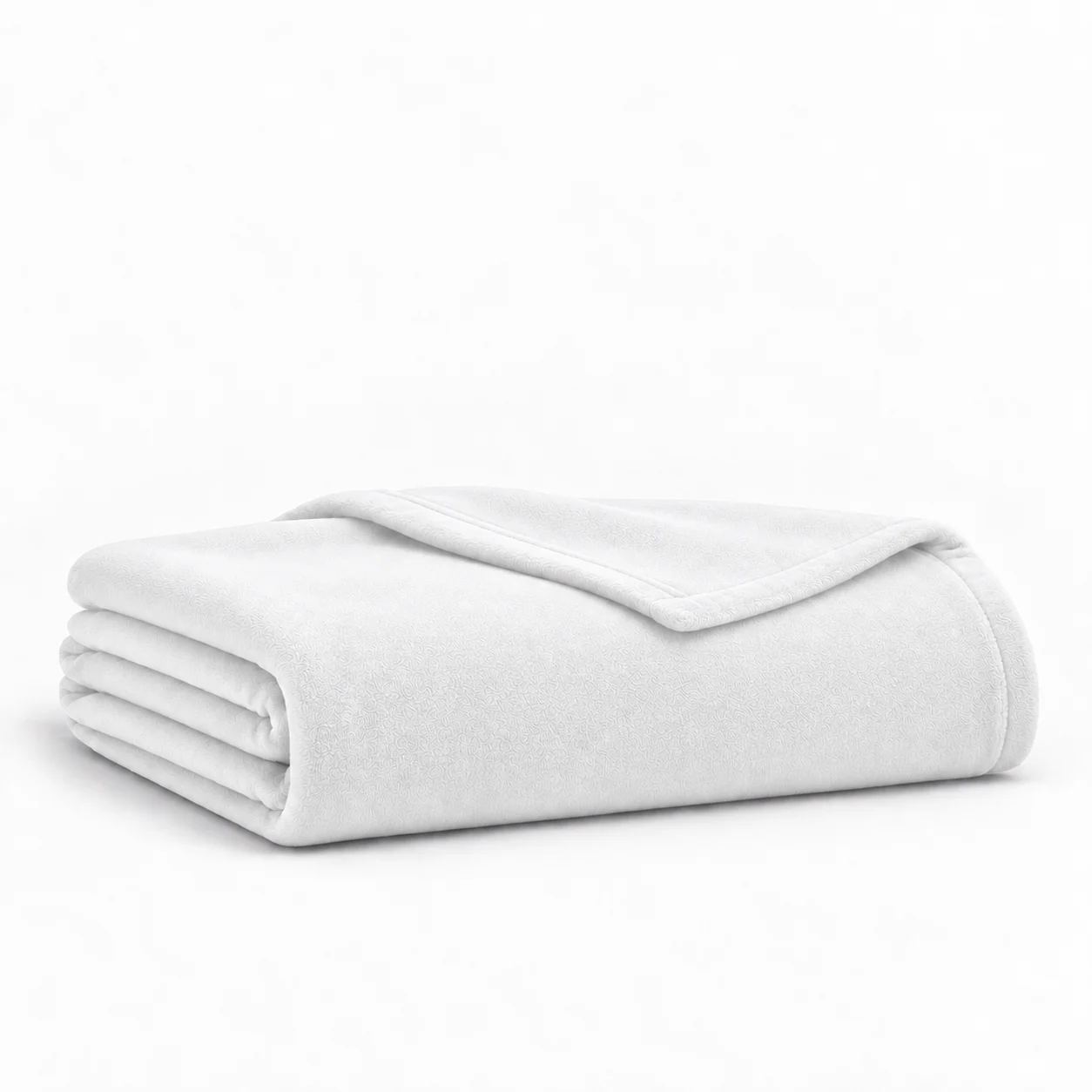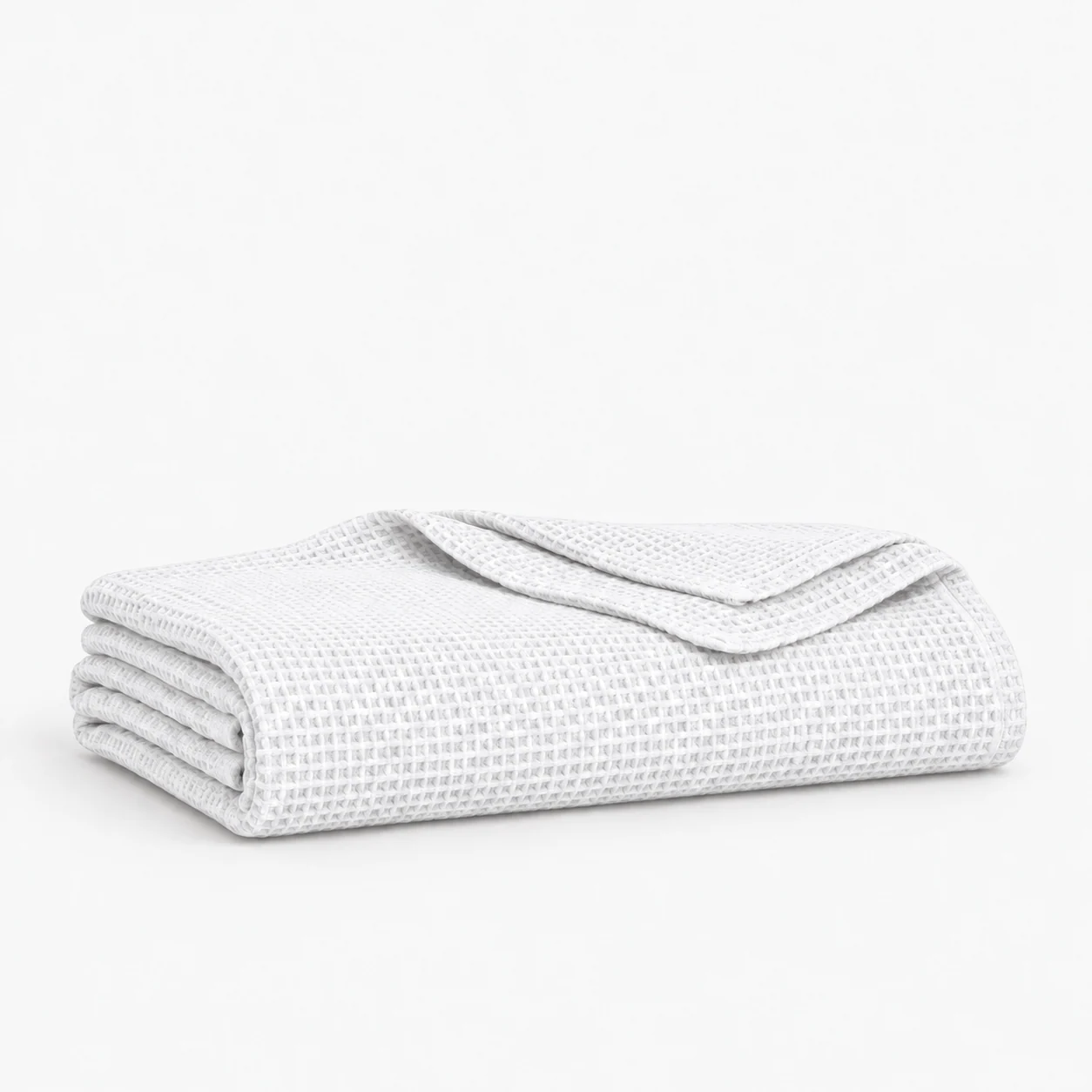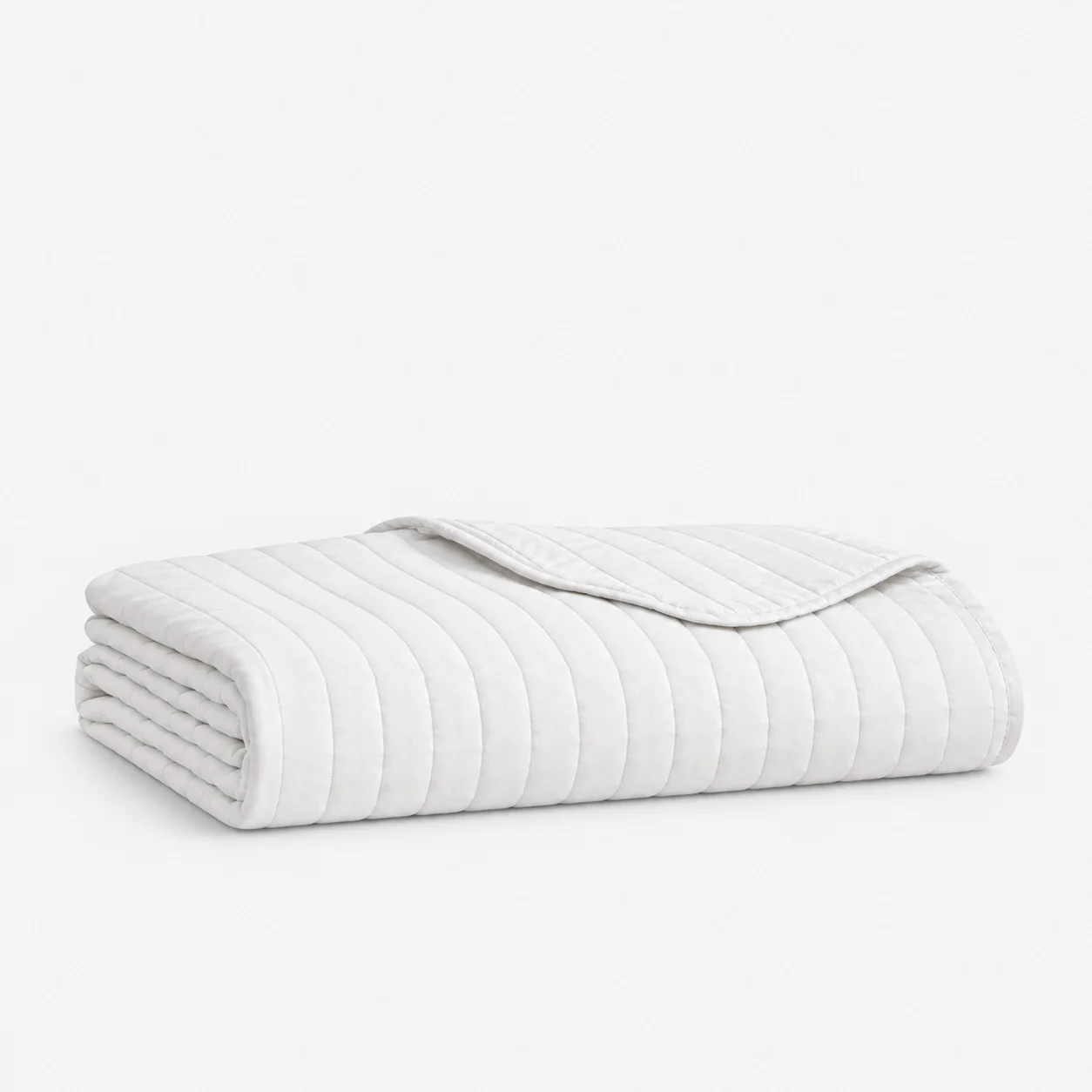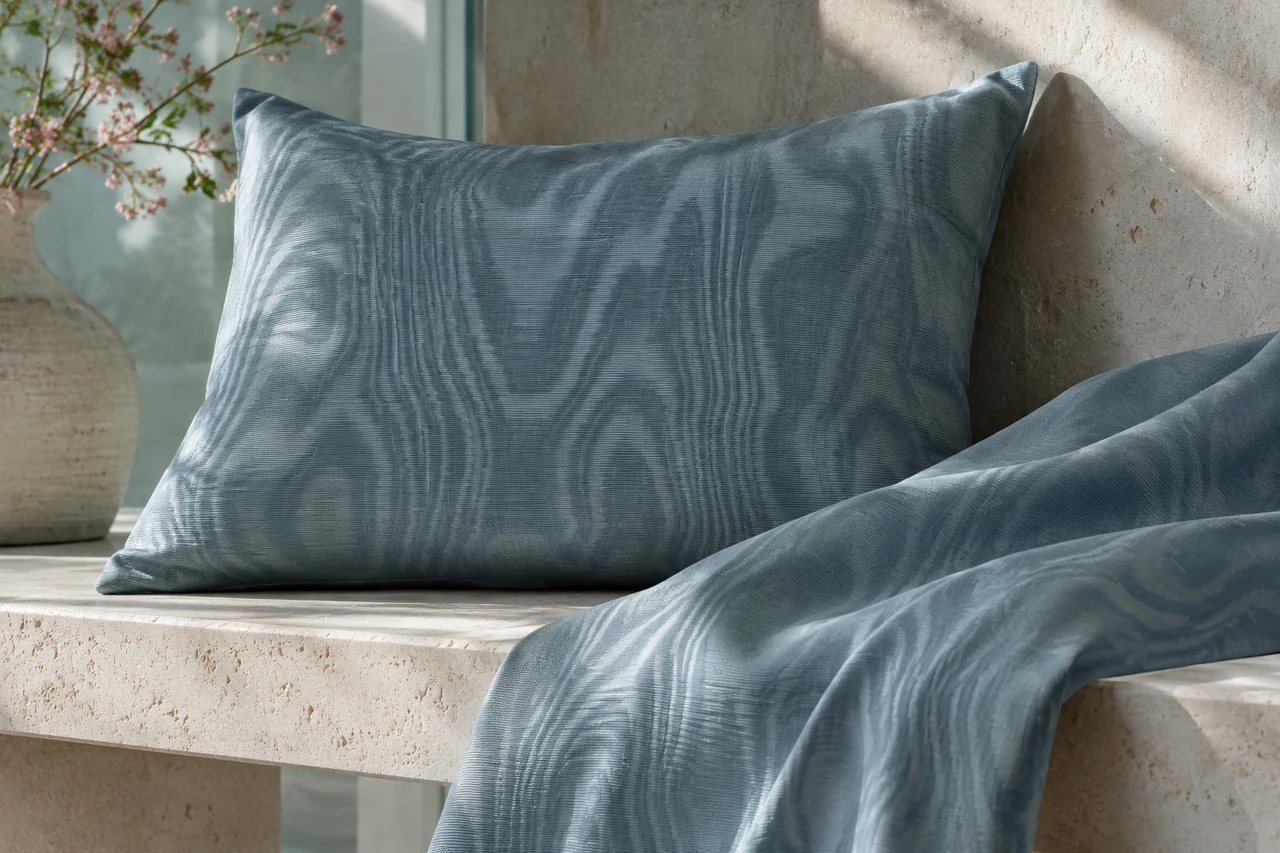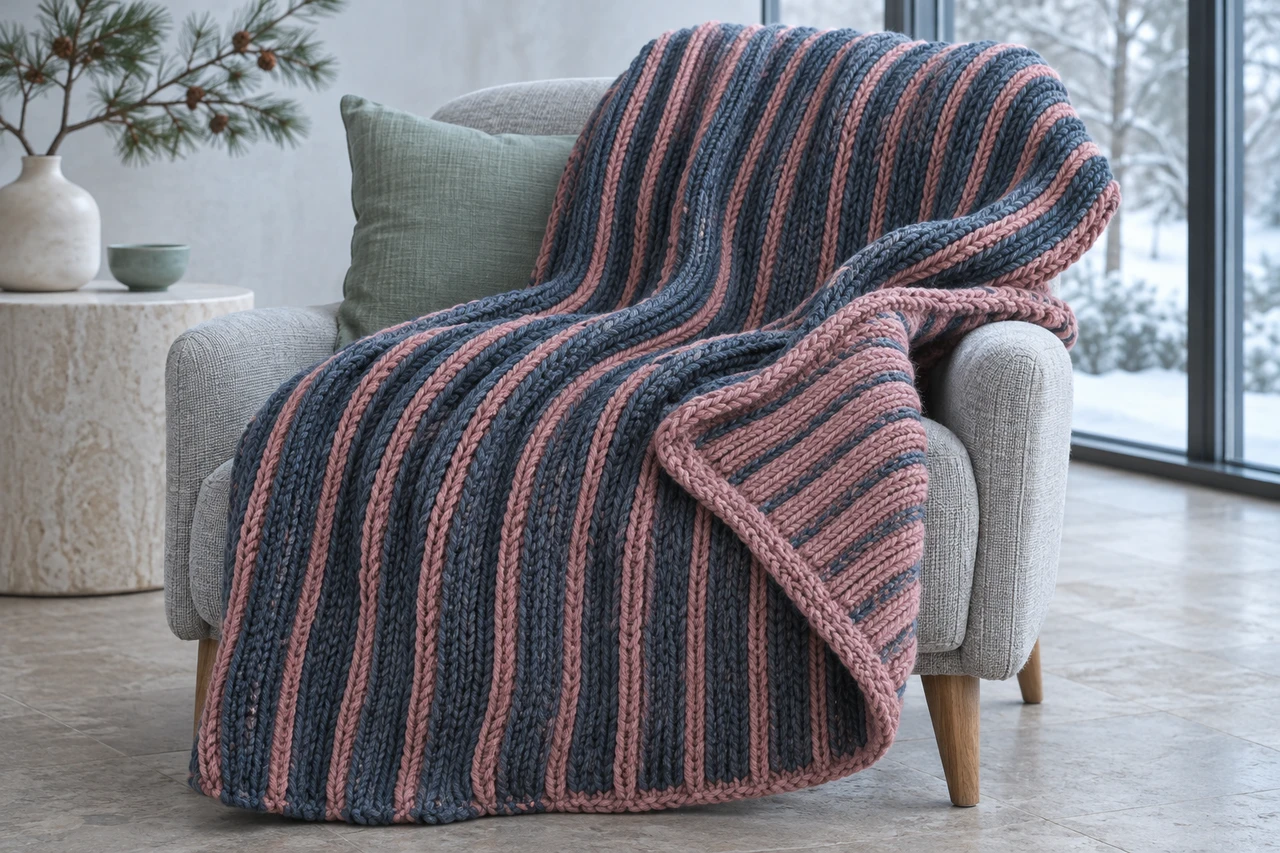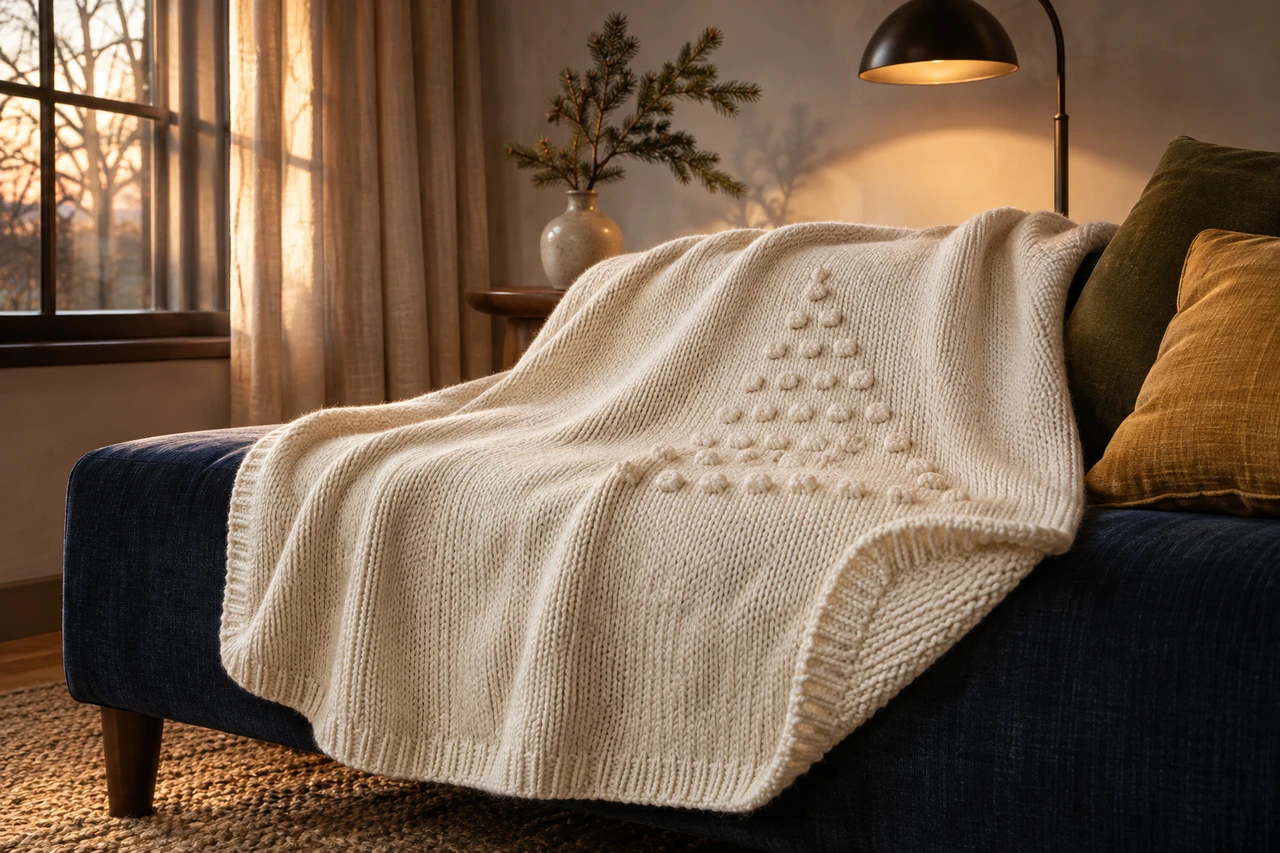
Two wool blankets can have different surface character without the difference being explained by fibre content alone. Woollen and worsted describe processing routes that may help define a yarn proposal, but the words do not replace a complete material specification. A buyer should verify the supplier's intended route and then review the actual yarn, fabric and finish. Guessing the process from how fluffy a photograph looks can lead to an inaccurate comparison.
- 1. Ask the supplier to name the spinning route
- 2. Compare the route with the actual yarn specification
- 3. Use surface character as an observation, not a diagnosis
- 4. Compare physical samples under consistent conditions
- 5. Trace the accepted yarn into the production proposal
- 6. Request quotations that preserve the technical distinctions
Ask the supplier to name the spinning route
Wool fibre and woollen processing are different fields
Begin by separating the fibre composition from the yarn-processing description. A statement that the blanket contains wool does not identify whether its yarn was made through a woollen or worsted route. Ask for the relevant yarn supplier reference and the process description used in that offer. If different yarns are used in different parts of the construction, identify their roles instead of applying one broad term to the entire product without explanation.
IWTO describes woollen and worsted processing as distinct routes associated with different fibre preparation and yarn characteristics. Woolmark's technical information on worsted spinning discusses processes including preparation of combed material, drawing and twisting. These references help buyers understand the terminology; they do not establish the route of a particular blanket. Request evidence tied to the proposed yarn rather than accepting a general educational description as proof of the supplied material.
Compare the route with the actual yarn specification
Count and twist still need their own entries
Obtain the yarn size system and stated size, ply arrangement and other relevant construction information for each offer. Ask the supplier to identify the basis used when numbers are compared. The word worsted is not a complete yarn size, and woollen does not by itself state the amount of material in a finished blanket. Keep numerical fields and the processing route separate so a quotation can be evaluated without substituting terminology for measurable requirements.
If the supplier changes the yarn while keeping the same collection name, request a revised specification. A buyer needs to know whether the proposed difference concerns fibre, process, yarn structure or several fields at once. Avoid concluding that one route is inherently the premium option for every use. The appropriate decision depends on the desired product and the submitted evidence, not a hierarchy inferred from a familiar word on a quotation.
Use surface character as an observation, not a diagnosis
Finishing can change what the buyer sees
Review the fabric before and after the proposed finishing stages where those samples are useful and available. Record the desired degree of surface definition, visible weave and raised character against an approved reference. A softly finished surface may conceal aspects of the underlying yarn, while a clearer surface can make them easier to see. Neither observation alone proves the route used to make that yarn.
Keep subsequent milling, raising or other finish descriptions in their own fields. A buyer evaluating milling is asking how the fabric was finished; a buyer distinguishing woollen and worsted is asking about the yarn route. Both may matter to the same blanket, but they are not interchangeable explanations. Ask the supplier which variable changed between samples so the team does not attribute every visual difference to spinning when a different finish or construction is also involved.
Compare physical samples under consistent conditions
A fair review needs more than two photographs
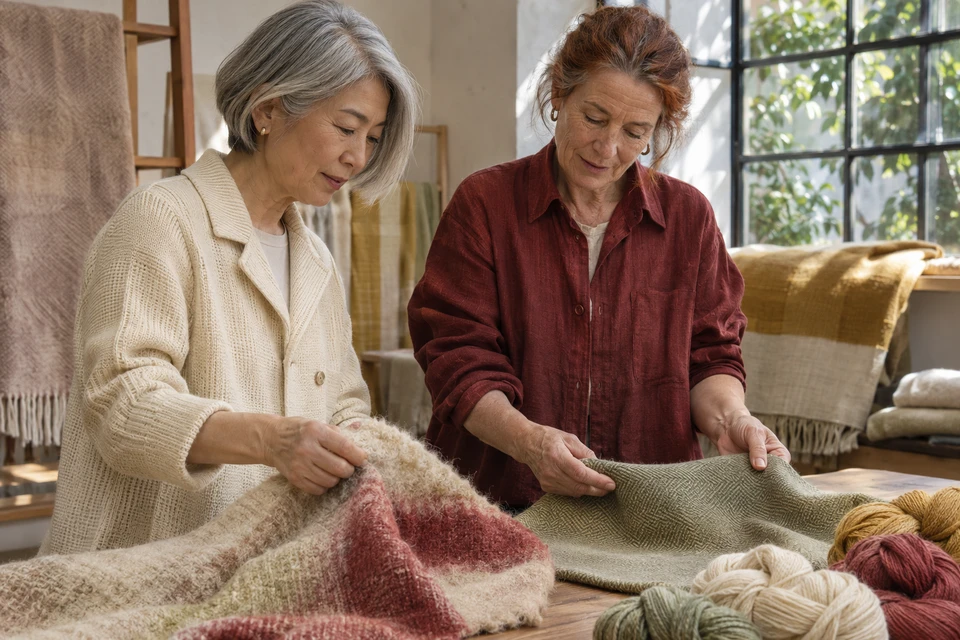
Place the proposed samples together under comparable light and show their full identification. Review the intended handle, appearance and drape using a stated sample-review method. If the samples differ in mass, construction or finish, record those differences alongside the processing route. The comparison can still be useful, but it should not be presented as a controlled demonstration that the route alone caused every observed property.
For a finished blanket, inspect the overall presentation and the construction at its edges as well as the central surface. Decide which observations are relevant to the intended hotel, retail or private-label programme. A visual review does not establish warmth, durability, pilling resistance or care performance. Where those properties form part of the buying requirement, request appropriate evidence for the actual proposed material and finished product rather than assigning results from the route name.
Trace the accepted yarn into the production proposal
A similar-looking substitute needs a visible decision
Ask how the approved sample's yarn reference will be linked to the production material. The record should identify the supplier's proposed route and the relevant specification revision without requiring the buyer to infer them again from a delivered blanket. If the yarn source or construction changes, request disclosure and determine what review is needed. A retained physical reference is useful, but it should be accompanied by enough information to identify what was actually accepted.
Define the limits of any substitution discussion. A different yarn may be technically workable and commercially attractive, yet still change the approved product. Ask the supplier to explain the differences and submit an appropriately identified sample before treating it as equivalent. Do not require an impossible guarantee that every natural-fibre sample will be visually identical; instead, agree the characteristics and evidence that matter for the project and keep the approval tied to those requirements.
Request quotations that preserve the technical distinctions
Commercial comparison should not erase the material basis
Send the intended blanket format, dimensions, composition, yarn reference, proposed route and finishing reference with the enquiry. Ask for minimums and sampling arrangements on the stated basis. If the supplier offers a different route, show it as an alternative with its own material description and sample plan. This makes a cost comparison more transparent than a table containing only wool blanket, a size and a price.
For an FY Bedding project, explain the desired product character and share any existing material evidence, then request feasibility confirmation and a relevant sample proposal. Do not assume a particular spinning operation, fibre source or test result belongs to FY Bedding without verification. The strongest approval record connects the named route to the actual yarn and finished sample while leaving composition, finishing and performance claims in their proper places. That distinction helps the buyer choose a product, not merely a process label.
Verify the yarn route through the supplier's material record. Compare count, ply, construction and finish separately, and do not use surface fluff as proof of woollen or worsted processing.
Method references: IWTO: woollen and worsted processing routes; Woolmark: worsted yarn preparation and spinning.