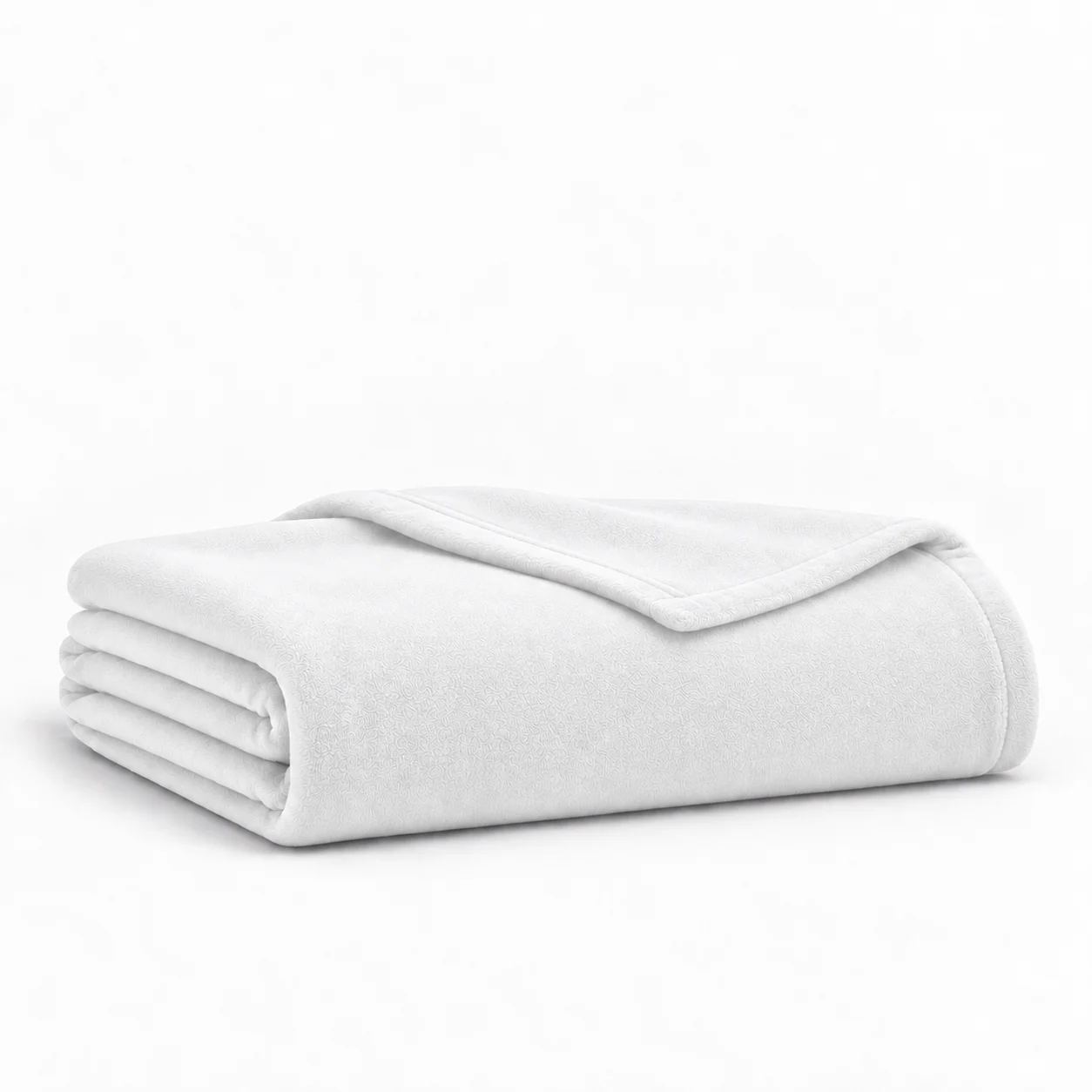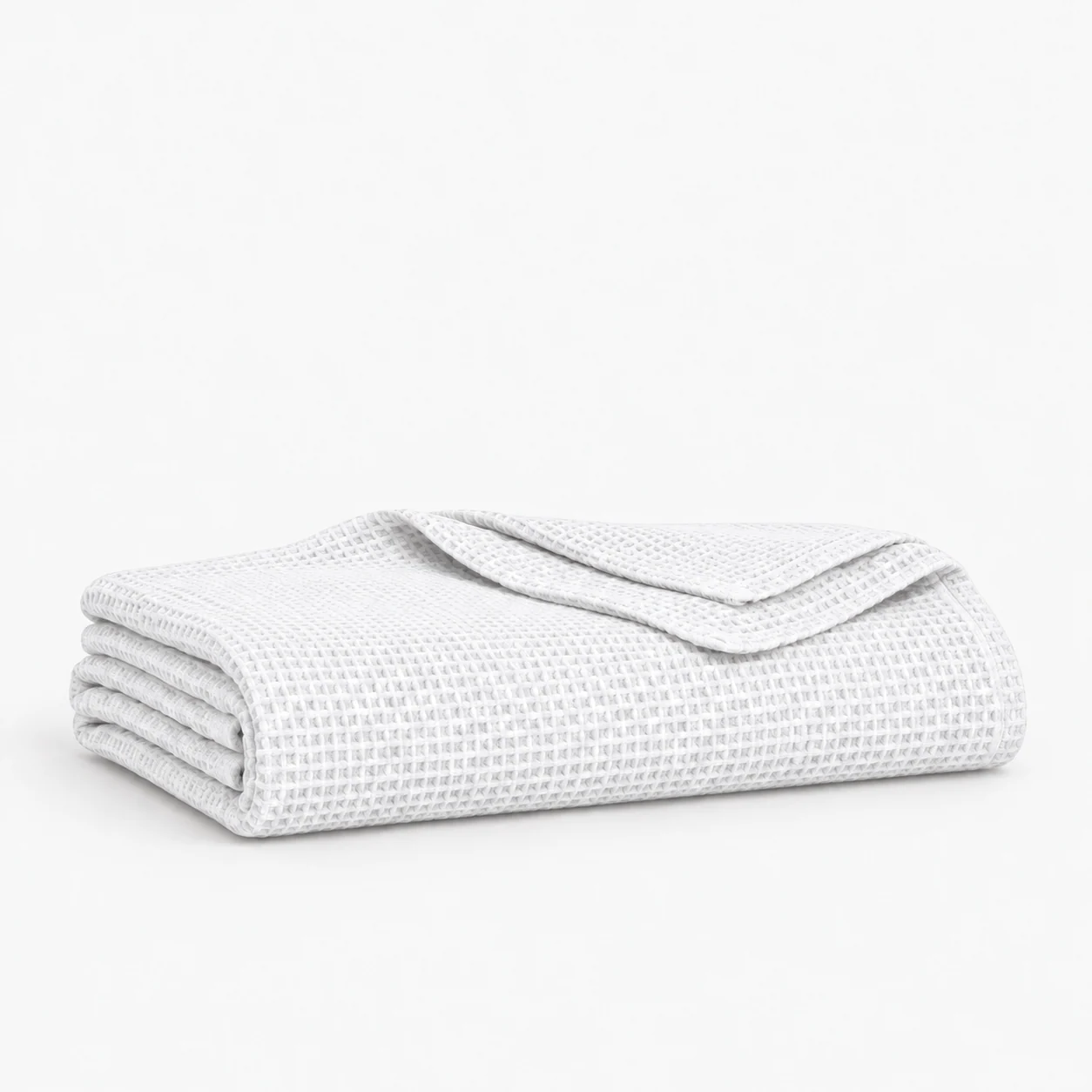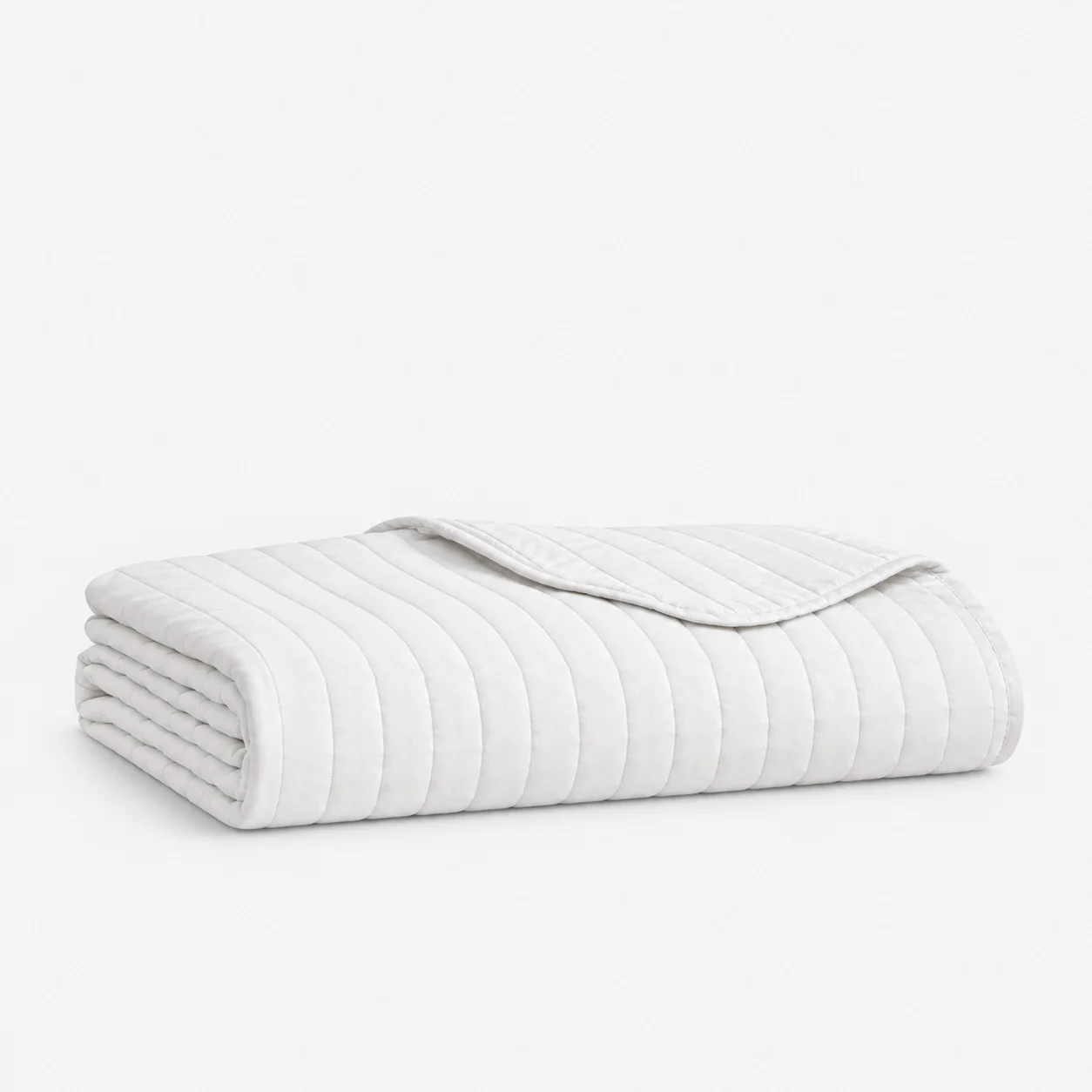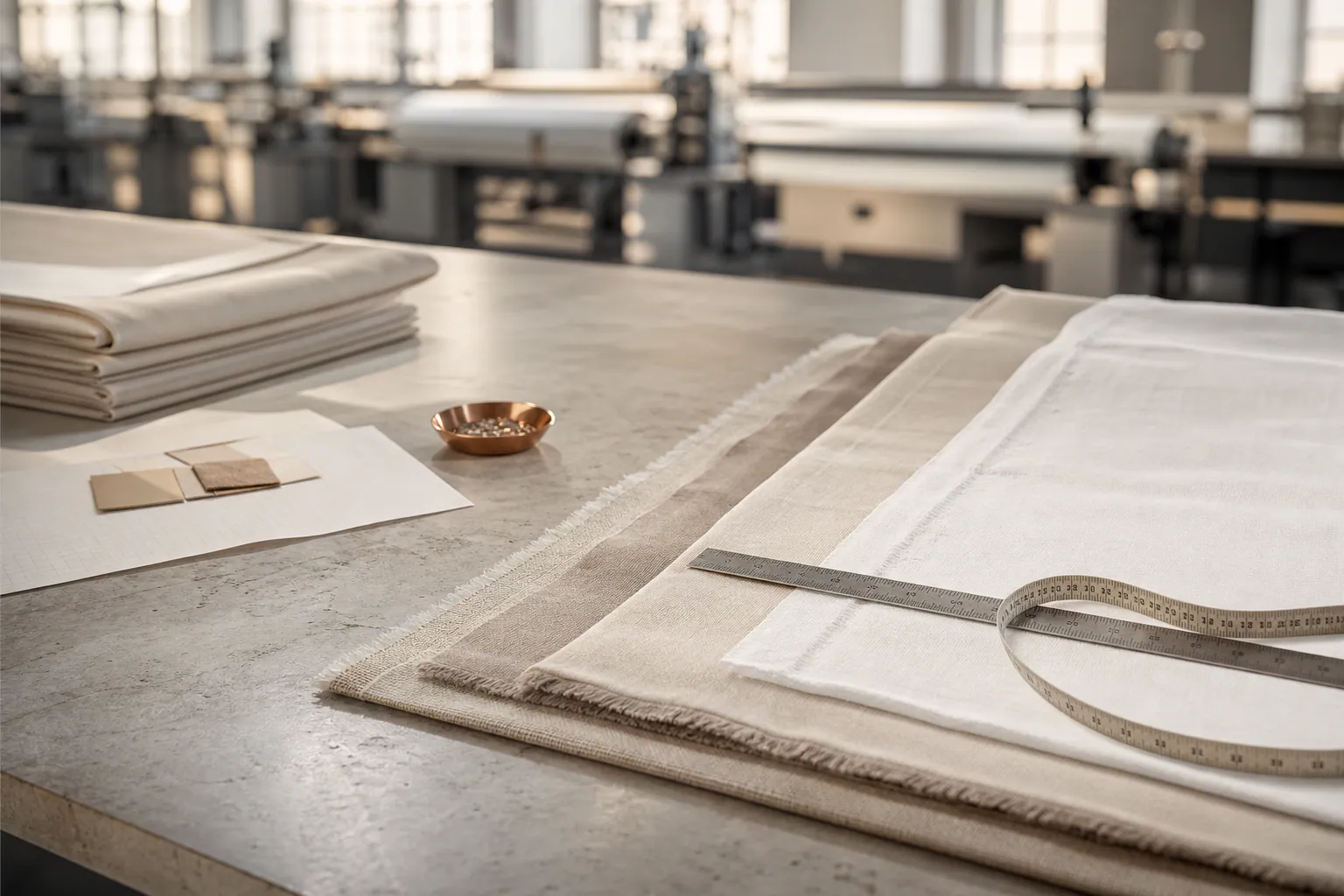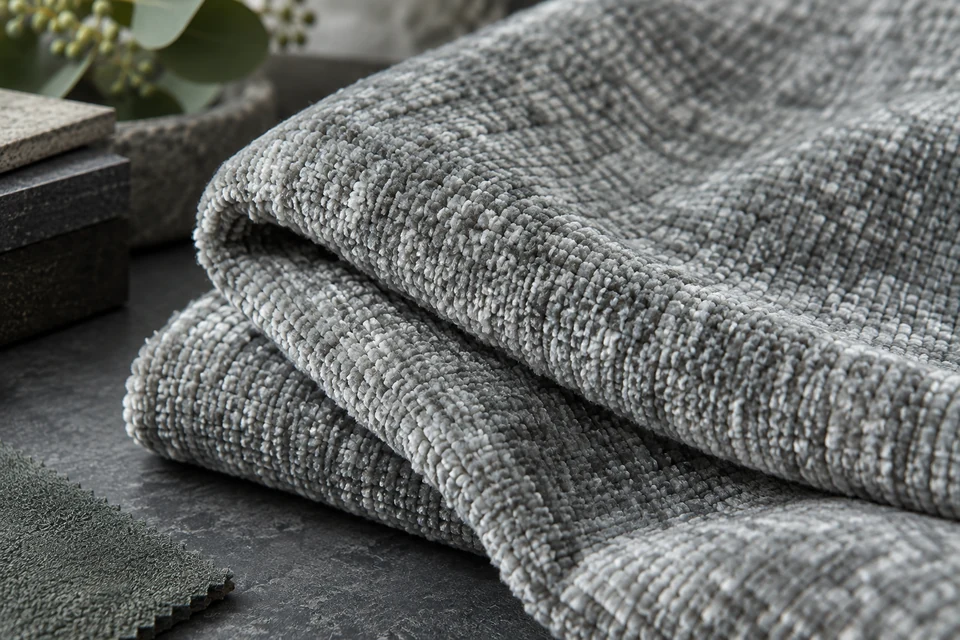
Chenille throws should be evaluated as identified yarn-and-fabric constructions rather than purchased on the promise of a soft photograph. Surface direction, the view from different angles and the condition of the finished edges can influence the accepted presentation. Procurement needs a physical reference and a defined comparison method before interpreting those differences. This guide concerns the offered surface and sample approval. It does not claim that all chenille uses one fiber, that a plush hand proves durability or that a decorative throw is suitable for every hospitality care route.
Identify the offered chenille construction
Keep fiber and surface descriptions separate
Ask the supplier for the material code, declared fiber composition, yarn description and fabric construction used in the proposed throw. Identify whether the visible chenille effect is present throughout the structure or in selected areas. The technical pack should distinguish those details from the buyer's general aesthetic language. Words such as velvet-like or plush can describe an impression, but they do not identify the materials or establish that two competing samples are technically interchangeable for the intended project.
Commercial chenille examples vary: Lion Brand describes its Cover Story yarn as polyester, which is one specific product rather than a definition of every chenille yarn. Use that distinction when reviewing offers instead of assuming a fiber from the name. Record the proposed material in the specification brief and request supporting information for the actual sample. Do not transfer a third-party product's care instructions or performance statements to an FY proposal that has not been shown to share its construction and evidence.
- Obtain the offered material and yarn identity.
- Confirm fiber composition separately.
- Describe where the chenille surface occurs.
- Avoid borrowing another product's performance claims.
Establish a direction reference
Compare the same surface under consistent conditions
Mark the agreed orientation through a controlled sample identifier or drawing that does not alter the presentation area. Review the sample from the intended directions under consistent lighting, and record which side or direction the buyer accepts for display. The physical reference should preserve that context. A close photograph of a small patch can omit a directional appearance that becomes obvious when the full throw is placed beside another piece or viewed across a room.
Rotate the sample deliberately during review and distinguish an angle-related change from a difference between material lots. Keep the observer position and lighting sufficiently controlled for the comparison question. This is not a substitute for the project's color acceptance method. If a perceived variation remains unclear, ask the technical owner to define the next examination rather than labeling it immediately as a dye defect. Record what was observed and under which orientation so later decisions are not based on two photographs made under unrelated conditions.
- Define the sample orientation.
- Review useful opposing viewpoints.
- Separate viewing effects from lot differences.
- Record lighting and comparison conditions.
Inspect the complete throw and its edges
Do not approve only a center cutting
Request a production-intent throw with the selected seams, edges and any decorative treatment. Review the transition from the main surface to the perimeter and identify visible changes in direction or texture. The finished-sample review should connect the whole product to the retained material cutting. A supplier may provide an attractive yarn or fabric swatch while the sewn article presents a different edge, corner or joined-panel appearance that the buyer has not yet considered.
Inspect both face and reverse in the intended draped and folded arrangements. Avoid vigorous brushing or other unrecorded preparation solely to make the surface photograph consistently. Where a normal preparation step is proposed, have the technical and operational owners agree it and record it. If a seam or panel is turned differently, investigate whether that follows the approved construction. Do not accept or reject every visual contrast automatically; the decision should distinguish intentional design features from departures from the defined material and orientation reference.
- Review a complete production-intent sample.
- Compare body, seam and perimeter areas.
- Disclose preparation before photography.
- Identify intentional and unintended contrasts.
Evaluate surface change through the agreed plan
Keep observations within their evidence
Set the relevant handling and care evaluation with the technical owner based on the intended market and use. Record the sample state and procedure before comparing its surface again. The surface-damage review provides related questions, but it does not automatically establish a test method or acceptance level for every chenille construction. A buyer should identify the evidence required for a claim such as resistance to shedding rather than infer that property from softness or appearance alone.
Preserve the initial and evaluated references with their identities. Note visible changes without extending a limited trial into a service-life guarantee. If a material is proposed for hotel use, obtain the operator's actual care requirements before asking the supplier to demonstrate suitability. Keep a failed or inconclusive observation visible in the approval record and agree the next step. Repeatedly replacing samples until one looks acceptable, without understanding their construction or treatment differences, does not produce a reliable basis for purchasing the offered bulk material.
- Agree evaluation scope before the trial.
- Identify the care and handling state.
- Retain before-and-after references.
- Avoid unsupported shedding or durability claims.
Release the surface decision for repeatability
Carry direction into production and replenishment
The released specification should identify the material, finished construction, orientation reference, preparation state and accepted appearance. Use the repeat-order controls to preserve those details when a new batch is requested. If several variants share one direction instruction, explain the basis and limits of that grouping. Do not assume a different yarn, color or finish will present identically merely because the commercial product description remains chenille throw on the quotation or catalog page.
When comparing suppliers, send the same intended use and physical appearance brief and ask them to identify differences openly. An alternative may deserve a sample review without being called equivalent in advance. Keep any remaining performance questions separate from the accepted aesthetic direction and ensure the order does not imply they have been resolved. Share the current sample and evidence requirements with the sourcing team so the selected offer can be linked to a reproducible textile rather than a generic promise of luxurious softness.
- Release material and orientation together.
- Preserve approved preparation conditions.
- Define the limits of grouped variants.
- Reassess changed yarns, colors or finishes.
Approve an identified chenille throw and its viewing reference; keep surface appearance, fiber composition and performance evidence distinct throughout sampling and repeat purchasing.
Method references: Lion Brand Cover Story: specific yarn example, not evidence for an FY offering.