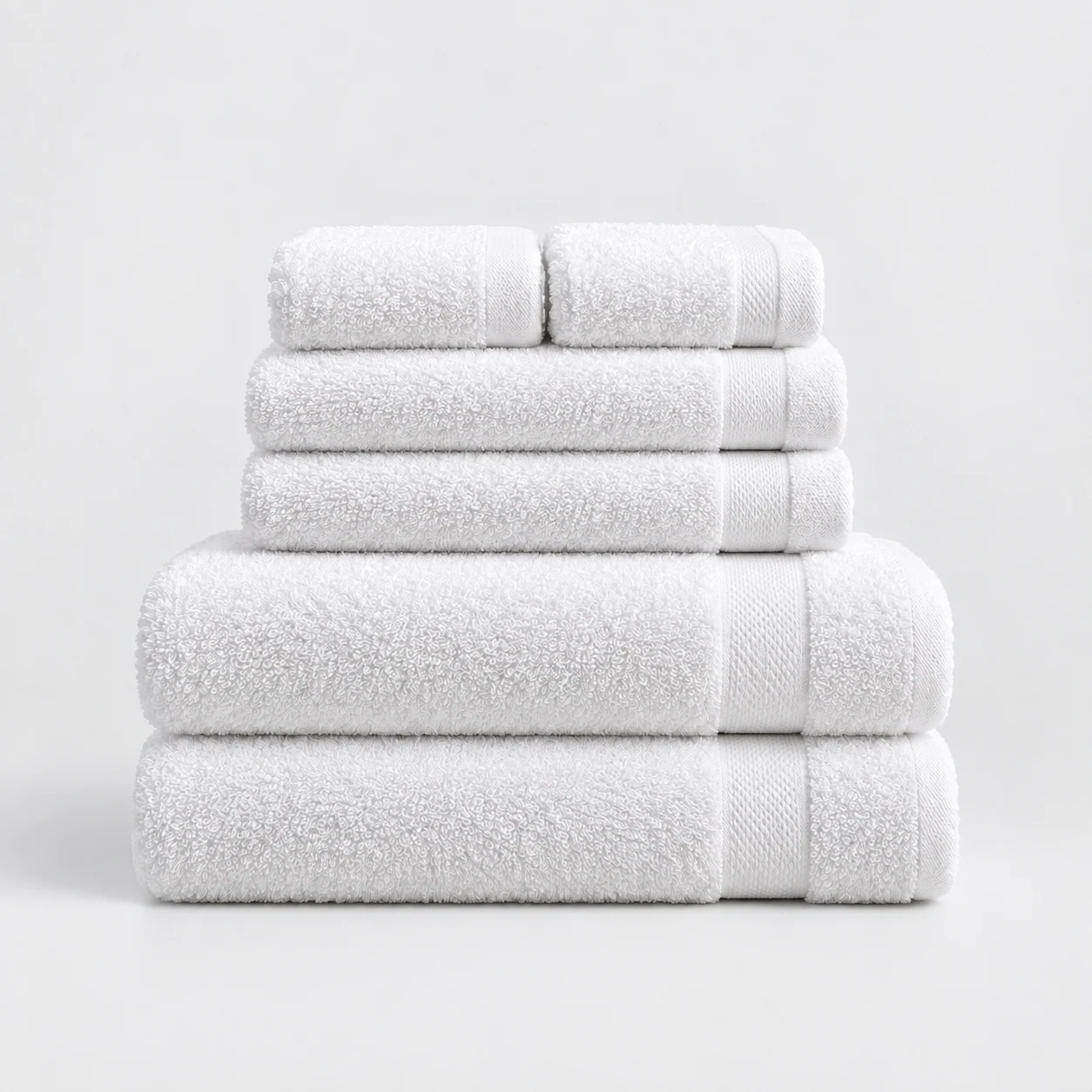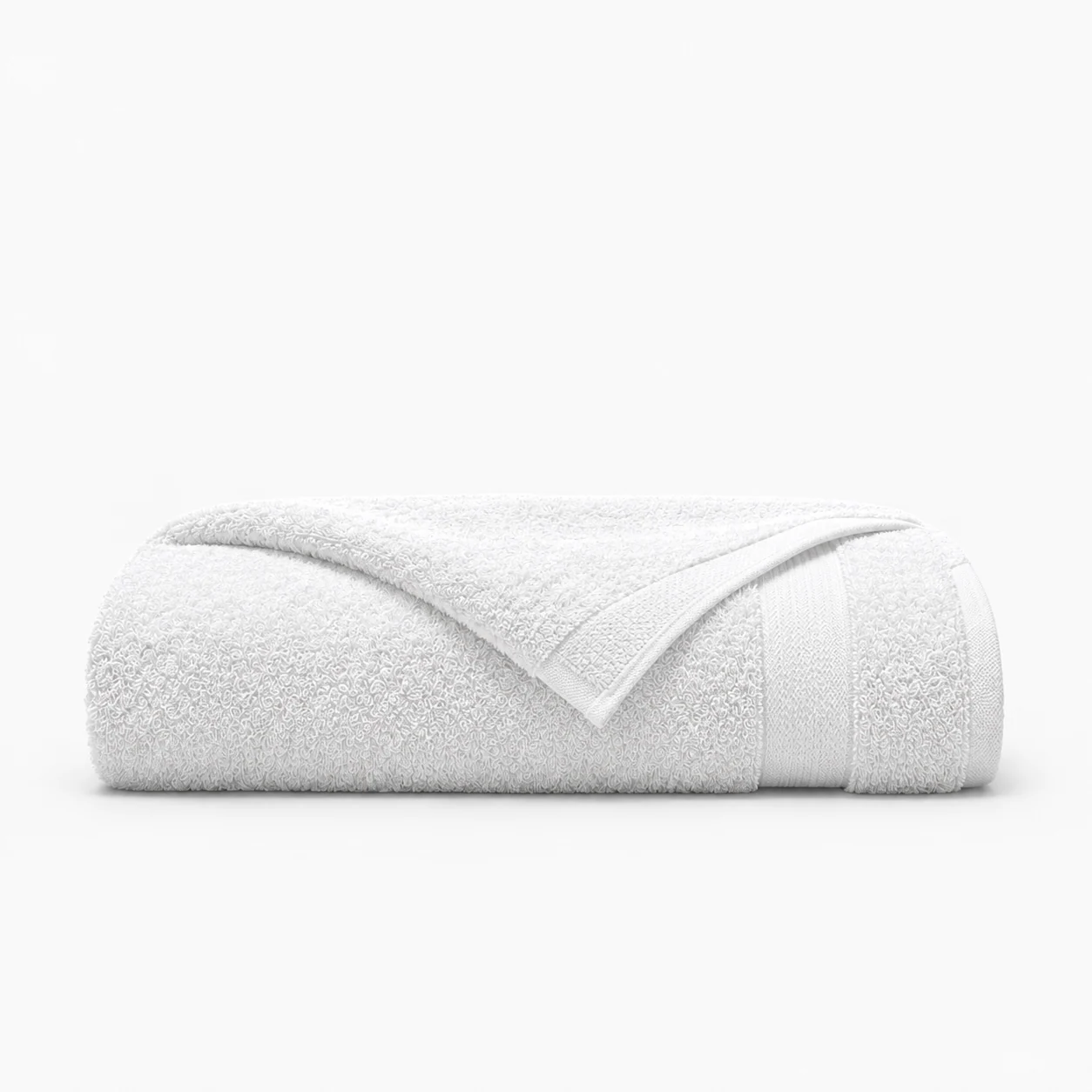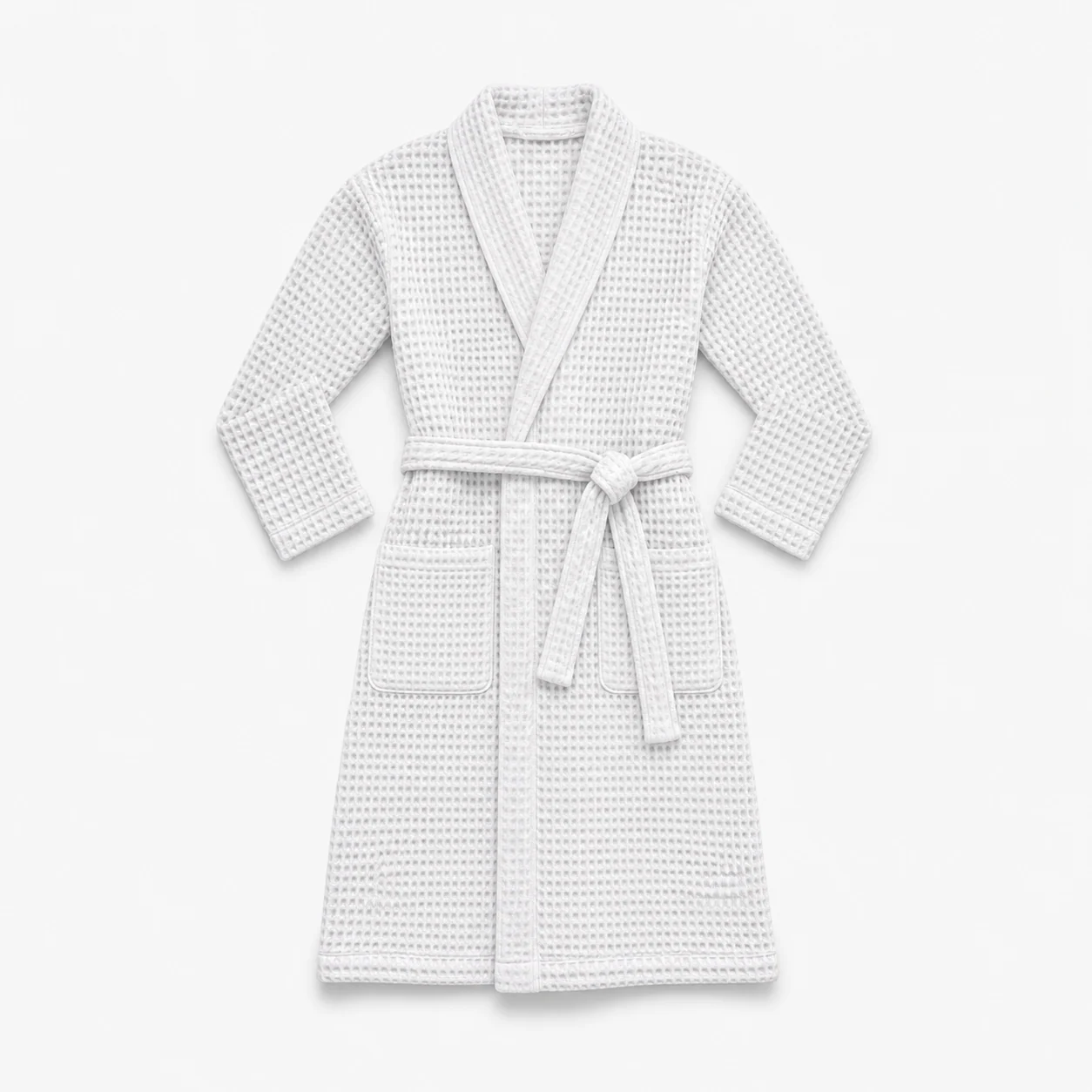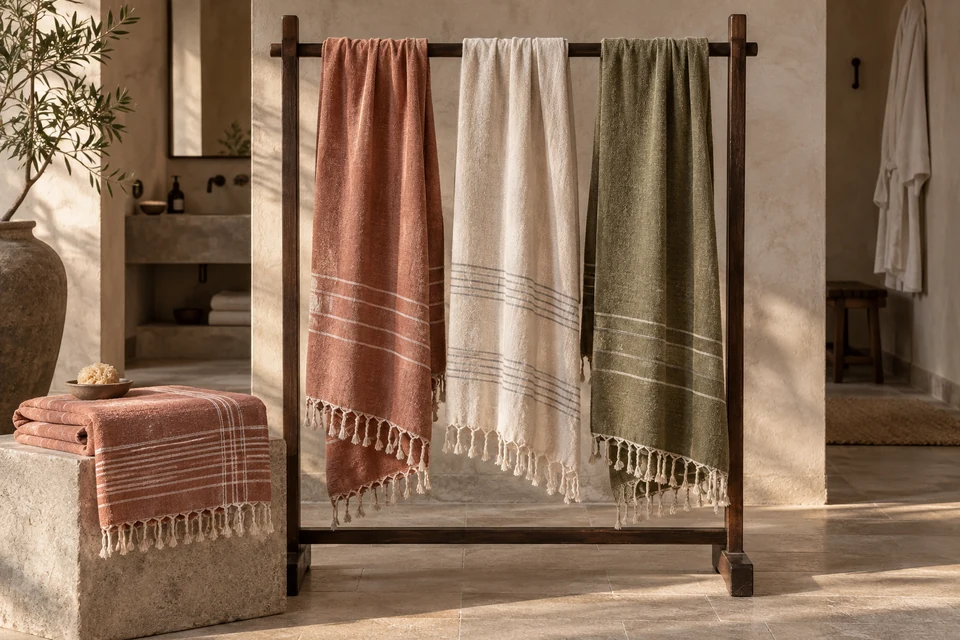
A resort towel purchase need not begin with the familiar terry bath sheet. A flat-woven hammam-style towel may be worth considering for a wrap, beach amenity or retail collection, provided the buyer defines the job clearly. The wrong approach is to replace every existing towel because a lighter-looking sample photographs well. The better question is which guest activity the proposed textile suits, what its limitations are and what evidence is needed before it joins the program.
Do not let the product name stand in for a specification
Separate structure, fiber and provenance
The CBI product overview describes hammam towels as flat woven and notes the related names peshtemal and fouta. Use that as terminology, not proof of a particular towel's origin, composition or performance. The offered sample still needs its own clear identity.
For every offer, request the material declaration, construction description, finished dimensions and edge treatment. Inspect both faces because a trade name can cover different proposed constructions. If a quotation includes a terry-backed variation, identify that explicitly rather than compare it silently with a fully flat-woven sample. Your textile brief should describe the object being purchased, not merely list several popular names.
Ask what is included in the stated finished size. A fringed overall length and the length of the usable woven body are different purchasing fields. Record each where relevant. Make the same distinction when comparing the weight of the full finished towel with any fabric-weight figure, so an attractive number does not hide unlike measurements.
Choose the guest job before choosing the range
A wrap, a drying towel and a retail gift are different briefs
For a wrap, prioritize the intended coverage, overlap, drape and ordinary handling. For a towel used after swimming, water handling becomes a central comparison. For a lounger textile, evaluate coverage on the actual furniture and how the item is placed and removed. One candidate can be reviewed for several roles, but passing the first role should not automatically approve the others.
Define whether guests return the item to hotel laundry, take it home as an amenity or purchase it in a shop. A circulation item needs a clear operating identity; a retail piece also needs a truthful customer-facing description and suitable presentation. The broader pool-towel procurement guide addresses property operations. Keep this decision focused on the flat-woven product's role rather than rebuilding the whole pool stock plan.
- State one primary use and any secondary uses.
- Identify whether the towel circulates or leaves with the guest.
- Keep the existing terry option as a comparison where relevant.
Compare coverage in the conditions that matter
A dry folded sample cannot answer every question
Open the complete towel and review its usable coverage without stretching it into position. Use a suitable display form or a private, consensual adult-user trial where the project requires one. Note overlap, movement during ordinary wrapping and the way borders or fringes fall. Avoid judging all body sizes from one photographed arrangement, and never make an untested one-size-fits-all promise.
Repeat the relevant coverage and handling observations after controlled wetting appropriate to the trial. Keep lighting, background and preparation sufficiently consistent to judge any change in visibility or drape fairly. The purpose is to establish the buyer's acceptable presentation, not to create a universal opacity claim. A buyer may decide that a candidate works as a seated lounge layer but not as the property's intended wrap.
Record why an option is retained or rejected. Comments such as too thin or more luxurious are difficult to compare unless tied to a task: insufficient agreed coverage, an unwanted wet appearance, or an edge that interferes with the chosen fold. A small set of clear use observations is more useful than an unranked pile of attractive samples.
Treat absorbency, drying and care as separate questions
The structure is a starting point, not a performance result
Do not infer water uptake or drying time from low bulk, softness or the term hammam. Use the absorbency evaluation guide to define what a water-related result actually measures. If the operator wants to compare drying demand, use an identified load and process through the laundry throughput trial. Do not borrow a supplier's result for a different towel.
Send production-representative samples through the care route intended for the actual purchase. Review body dimensions, squareness, hand, border behavior and usable coverage again after the agreed preparation. If fringes are offered, include their finished condition and handling in the assessment; the fringe construction review provides related questions, but the towel needs its own accepted reference.
Keep a visibly different pretreated sample separate from the original delivered sample. Otherwise a hand comparison may mix a construction choice with an undisclosed wash or finish. Ask the supplier to explain sample preparation and any difference from the proposed bulk process before using the sample to settle a purchasing decision.
- Separate water uptake from drying observations.
- Repeat the actual intended use after care.
- Retain sample identity and preparation history.
Make the winning sample commercially comparable
Control colorways, packaging and the promise to the guest
Ask the supplier to separate construction, color or stripe minimums from finished-item and packaging minimums. A broad assortment may look appealing but leave small variants difficult to replenish. Consider whether fewer initial colors could answer the same guest need, using the assortment planning guide to organize the discussion. No universal MOQ follows from the towel name.
Approve the actual fold or roll, band position and carton arrangement. Make sure the pack does not conceal the usable dimensions or imply a fiber, origin or performance claim that has not been substantiated. A product intended for a hotel linen room may require a different presentation from a shop purchase; describe both rather than let the packing supplier choose.
When you request a hammam-style sample review, send the primary guest use, size expectations, care route, color direction and commercial format. Retain a terry comparison if the decision is substitution rather than an additional product. The best outcome is a defined role with honest limits, not a claim that one attractive flat-woven towel should replace every towel in the property.
Select the hammam-style towel for a named guest use only after dry and wet coverage, care-state handling and the commercial presentation have been reviewed on the actual offered construction.
Method references: CBI: hammam towel terminology and flat-woven product description only; historic forecasts are not used.