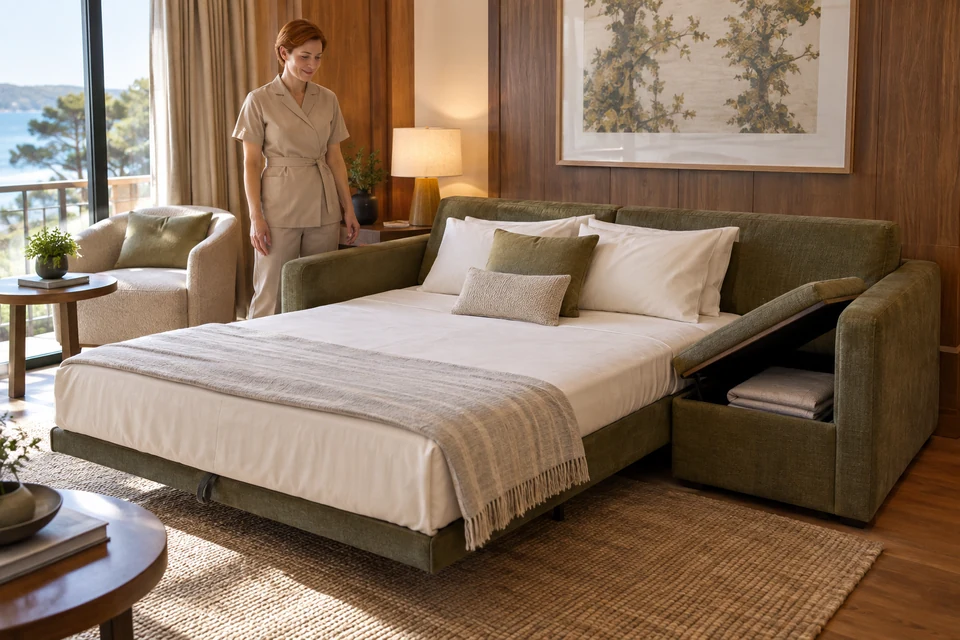
A sofa sleeper introduces a different linen problem from a permanent hotel bed. Staff must convert the furniture, identify the correct bedding, make the sleeping surface and return the room to its daytime arrangement. The linen may also need to fit a constrained storage location. Procurement should review that complete workflow using the actual furniture model. This guide addresses deployment and storage of sofa-sleeper bedding, without prescribing furniture operation or treating a rollaway-bed kit as automatically interchangeable.
Identify the furniture and sleeping configuration
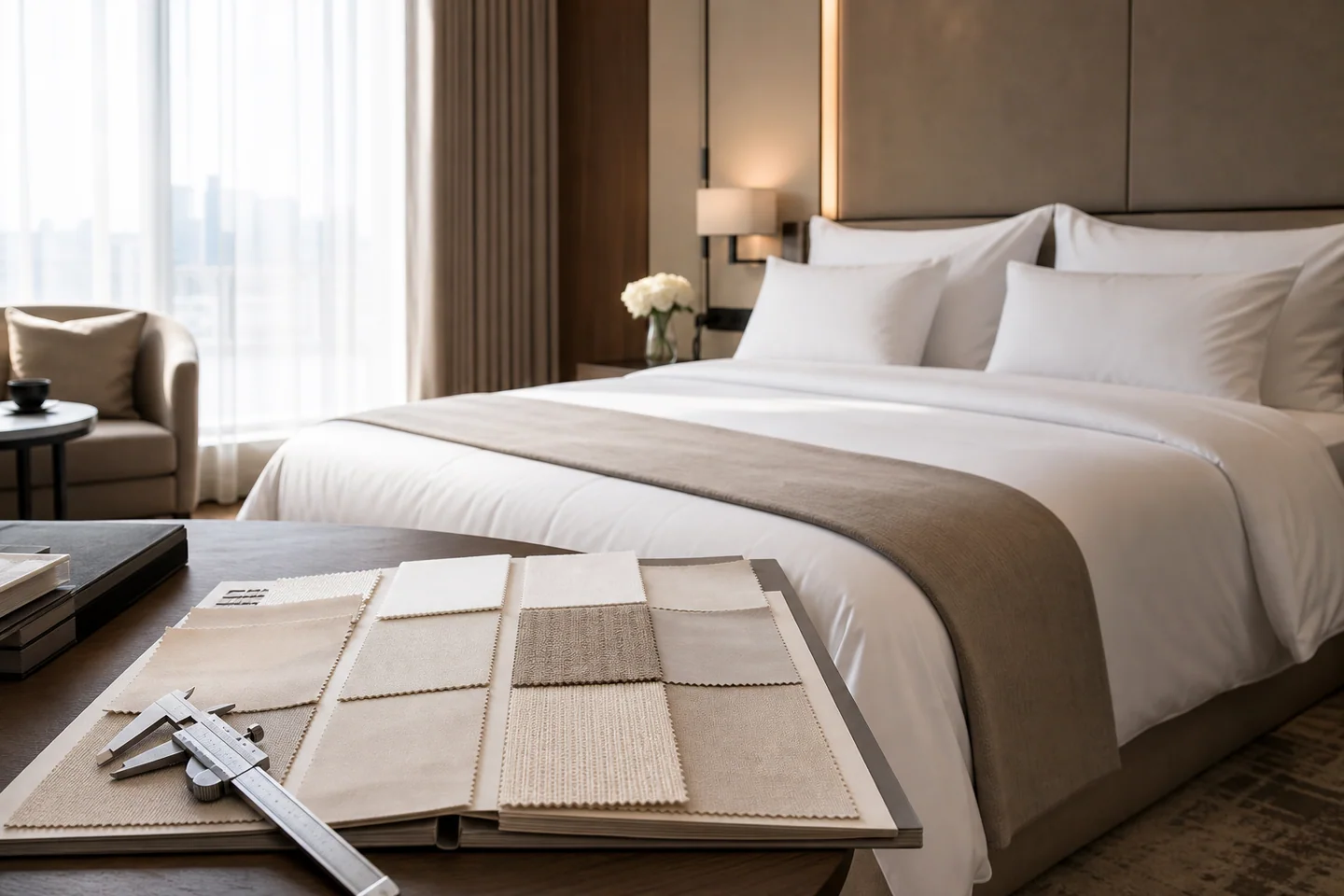
Measure the deployed surface rather than the sofa
Record the sofa-sleeper model and the mattress or sleeping-surface configuration used in the property. Obtain the furniture supplier's operating and safety instructions, and leave mechanism operation to authorized staff following those instructions. The relevant linen dimensions come from the deployed arrangement, not the closed sofa's external size. Use the hotel bedding specification sheet to distinguish the furniture reference, measured sleeping surface and finished textile requirements.
Identify whether the property has multiple furniture variants that appear similar when closed. A shared room category does not establish identical bedding fit. Record corners, mattress depth and any allowed accessories that affect the sheet's contact with the surface. The fitted-sheet fit guide supports the textile review, but it should not be used to authorize changes to the sofa mechanism or to cover an installation that the furniture supplier has not approved.
- Record the exact sofa-sleeper model.
- Use authorized furniture operating instructions.
- Measure the deployed sleeping configuration.
- Separate visually similar furniture variants.
Define the deployment sequence
Observe the linen handoff as well as bed making
Ask housekeeping to demonstrate the planned routine in a representative room. Record when linen is brought into the room, where it is placed while the furniture is operated and how the correct set is identified. Keep textiles away from moving parts and do not improvise ways to store them inside a mechanism. The bed-making workflow guide can organize the observation while keeping furniture safety under the responsible operational instructions.
Separate furniture-conversion time from linen retrieval and bed-making observations. Otherwise a slow storage route may be misinterpreted as a sheet-design problem. Record the people and ordinary equipment needed for the authorized process without assuming every room will operate identically. If the hotel proposes leaving any textiles in place during conversion, require confirmation from the furniture supplier and relevant operational team; the procurement sample alone cannot establish that such use is safe or permitted.
- Observe retrieval, conversion and dressing separately.
- Keep linen clear of moving mechanisms.
- Record how staff identify the correct kit.
- Require authorization for textiles left during conversion.
Fit the actual bedding combination
Inspect usable coverage in the made position
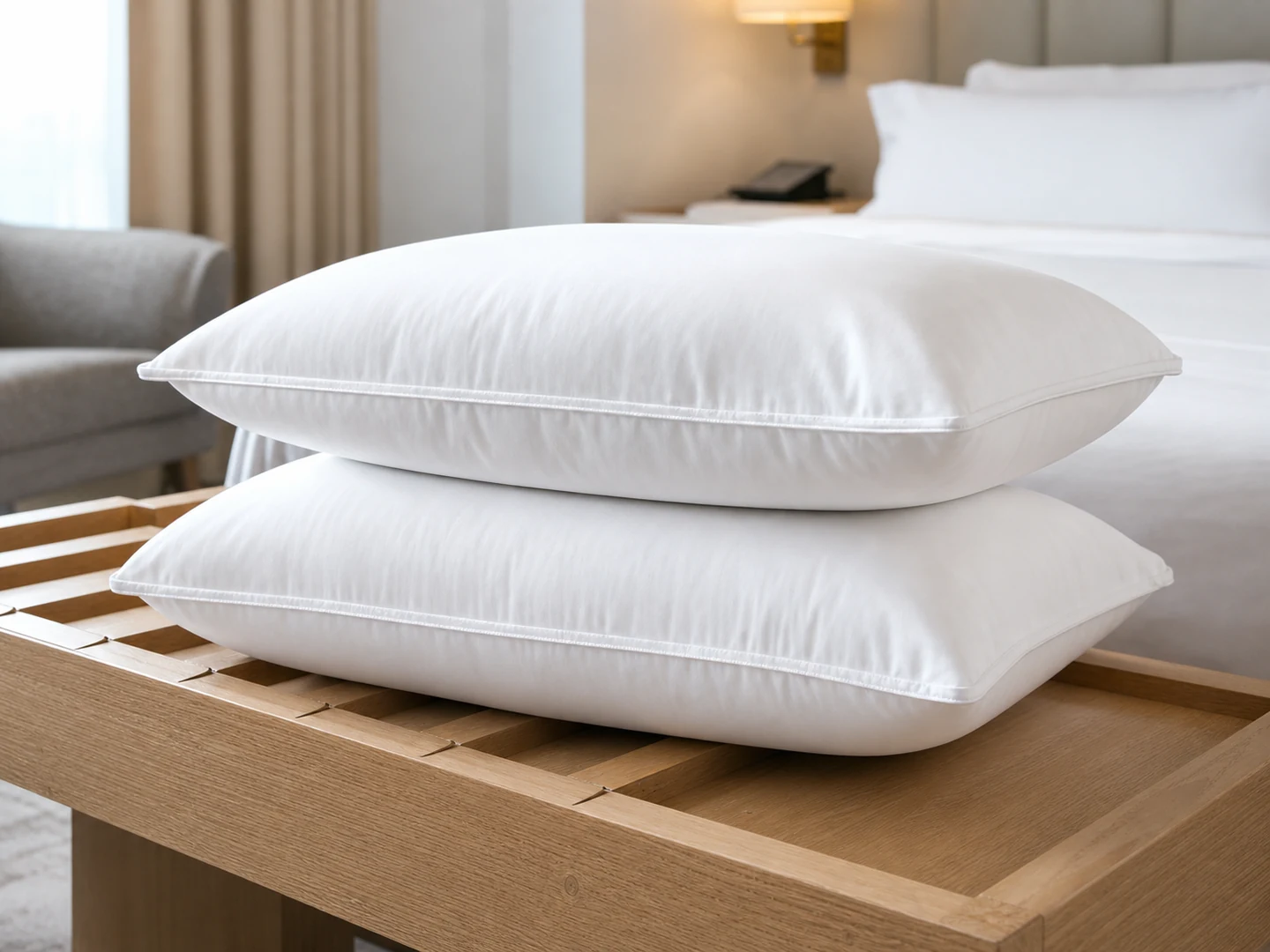
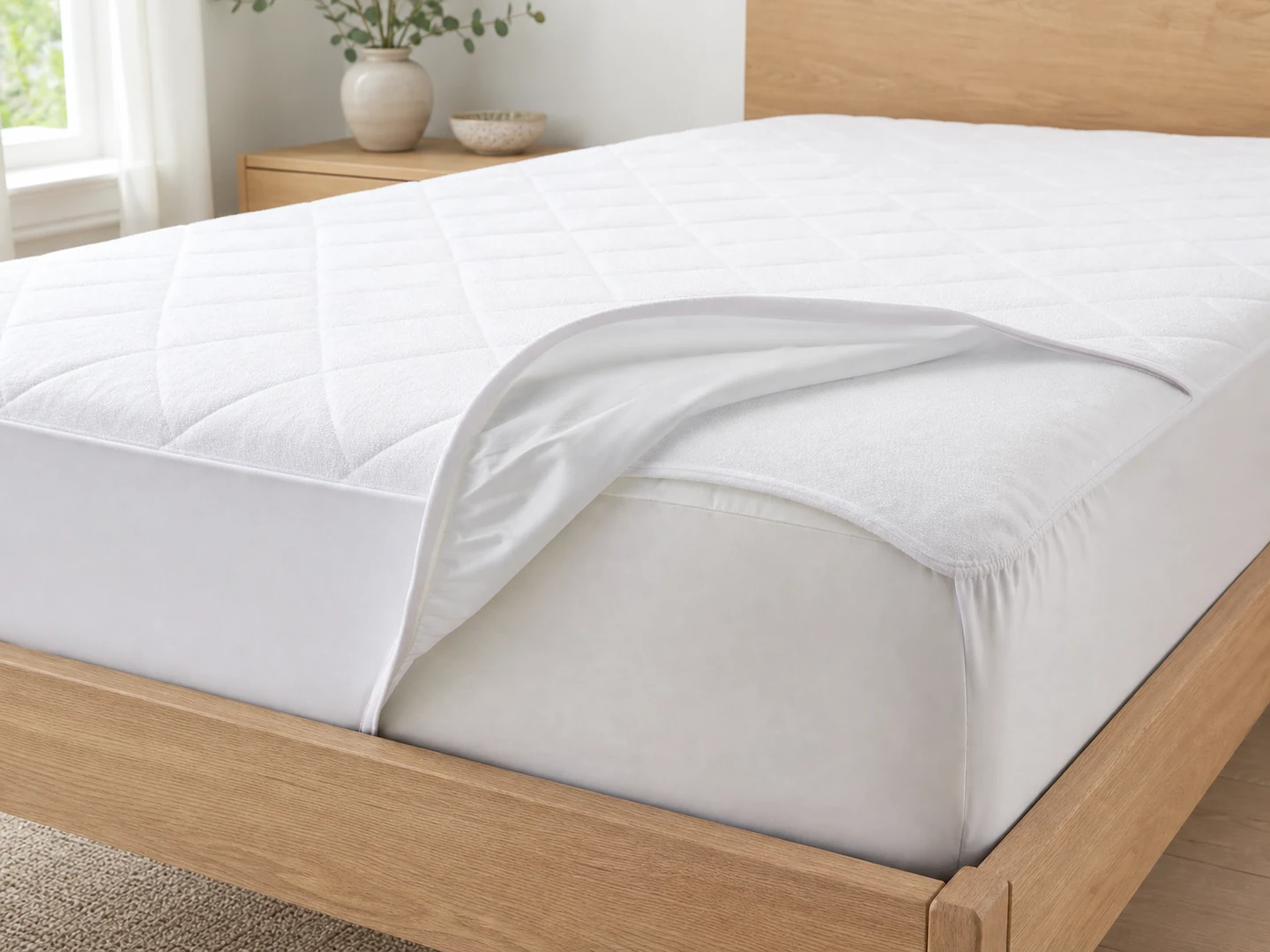
Review the fitted or flat sheet, protective layer, pillows and cover together on the deployed surface. Record whether the required edges remain covered and whether excess material interferes with the intended arrangement. A set selected only by a nominal mattress width may not address unusual depth or corner construction. Keep the inspection tied to the actual sample combination so a later protector or mattress change does not silently alter the approved fit.
Compare the usable sleeping presentation and the housekeeping handling requirements as separate observations. A neatly staged photograph does not show whether the set can be made consistently using the routine observed earlier. The rollaway bedding kit guide provides related kit-planning ideas, but the sofa-sleeper fit and deployment evidence must remain distinct. Do not combine approvals simply because both products support occasional extra sleeping capacity within the hotel.
- Review all layers on the deployed furniture.
- Check coverage at corners and edges.
- Separate presentation from handling observations.
- Keep rollaway and sofa-sleeper approvals distinct.
Test the storage arrangement with a complete kit
Do not approve from an empty container
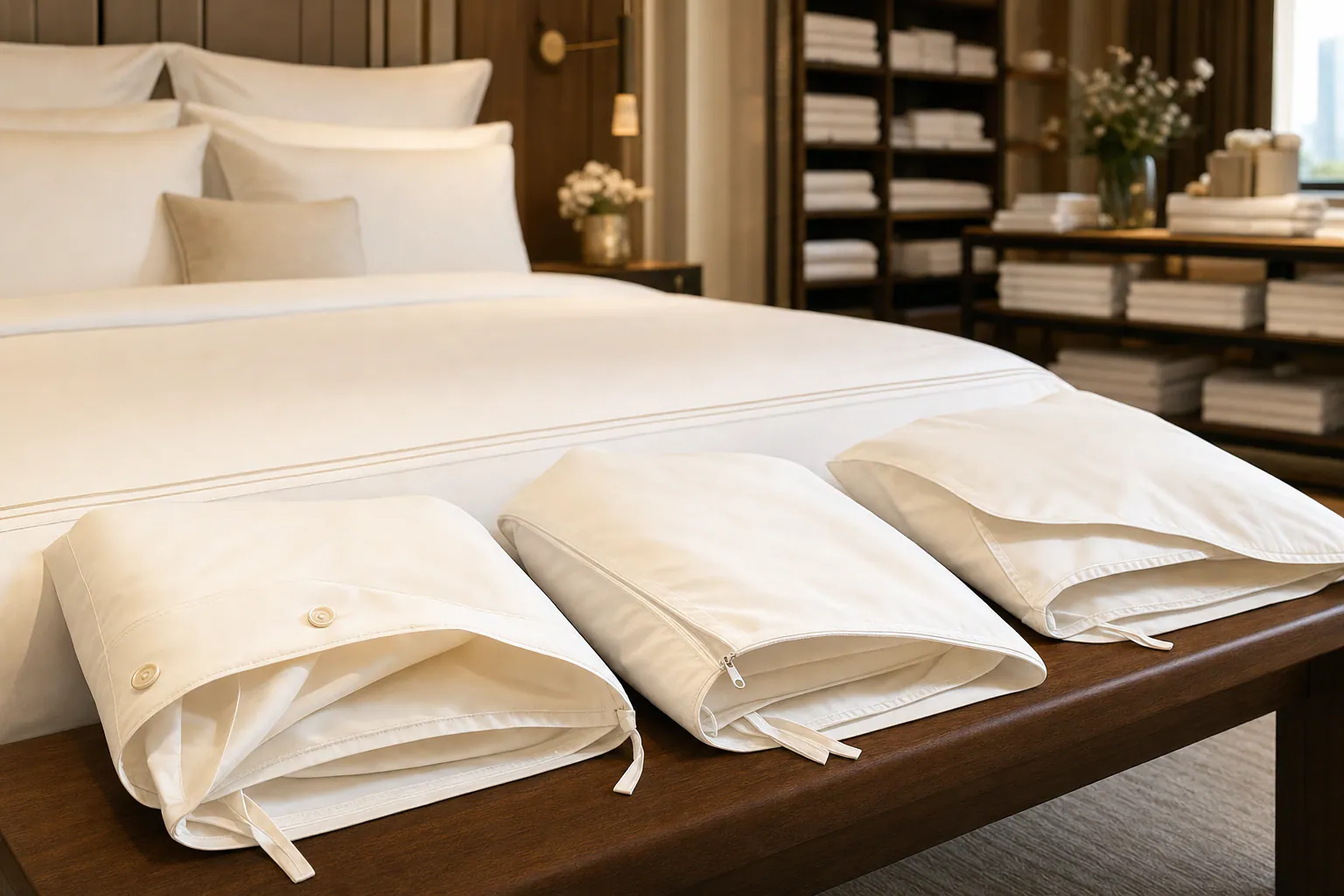
Fold the complete identified kit using the proposed routine and place it in the actual approved storage location. Record the space occupied and whether staff can retrieve the intended items without mixing them with another room variant. Storage within furniture requires an explicitly designated compartment and the supplier's permission; a convenient cavity is not sufficient. External storage should likewise be assessed using the hotel’s operational requirements rather than a generic photograph of folded linen.
Check the kit after removal from storage and before restyling. Record compression, unexpected creasing or difficulty distinguishing components, with the actual holding conditions visible. The storage-bag repacking guide can support a bag-based arrangement. Do not assume that a bag which fits empty will contain the complete kit, or that a tightly packed kit remains practical when staff must repack it during a busy room turnaround.
- Trial a complete kit in the approved location.
- Do not use undesignated furniture cavities.
- Check retrieval and component identification.
- Review appearance immediately after unpacking.
Release a room-specific operational kit
Connect replenishment to the approved variant
The final kit record should name the furniture variant, textile components, fold arrangement and storage route. Include the operating references that housekeeping needs while keeping technical furniture instructions under their authorized source. Record any unresolved fit or storage limitation before approving the full order. A replacement component should be checked against the same variant rather than issued solely because its size name resembles that of the original set.
Send the deployed furniture dimensions, room variants and intended storage arrangement through a hotel project inquiry. Ask for an actual kit trial with the relevant product layers, not a generic extra-bed package. Keep the approved set and instructions connected through replenishment. A usable sofa-sleeper linen program allows staff to select the right kit, deploy it through the permitted routine and restore it to the approved storage route without relying on individual improvisation.
- Release the kit against a named furniture variant.
- Record fit and storage limitations.
- Check replacement-component compatibility.
- Retain the agreed deployment and repacking routine.
Approve sofa-sleeper bedding through the actual authorized conversion, dressing, retrieval and storage sequence, with every furniture variant linked to its own kit evidence.