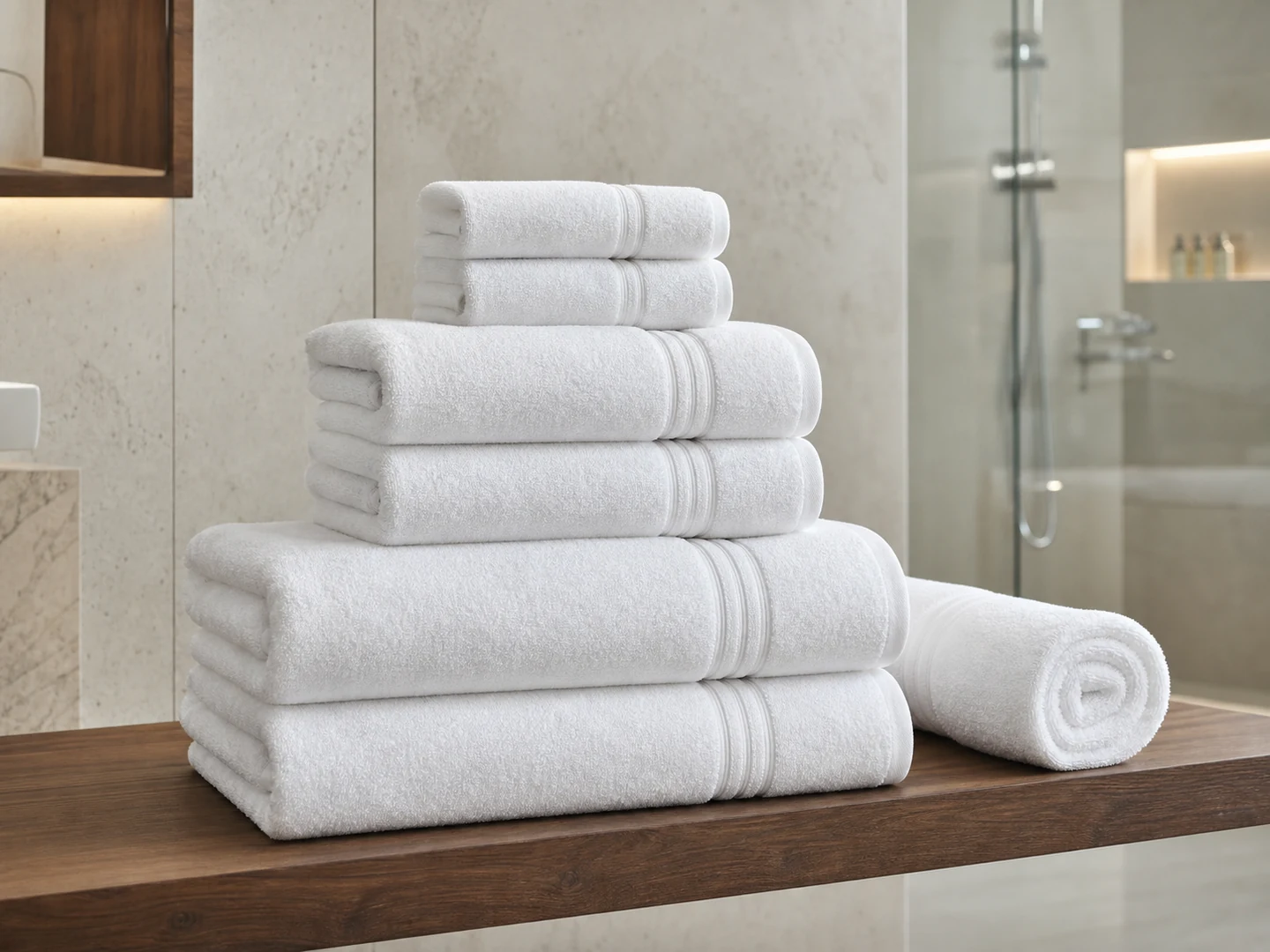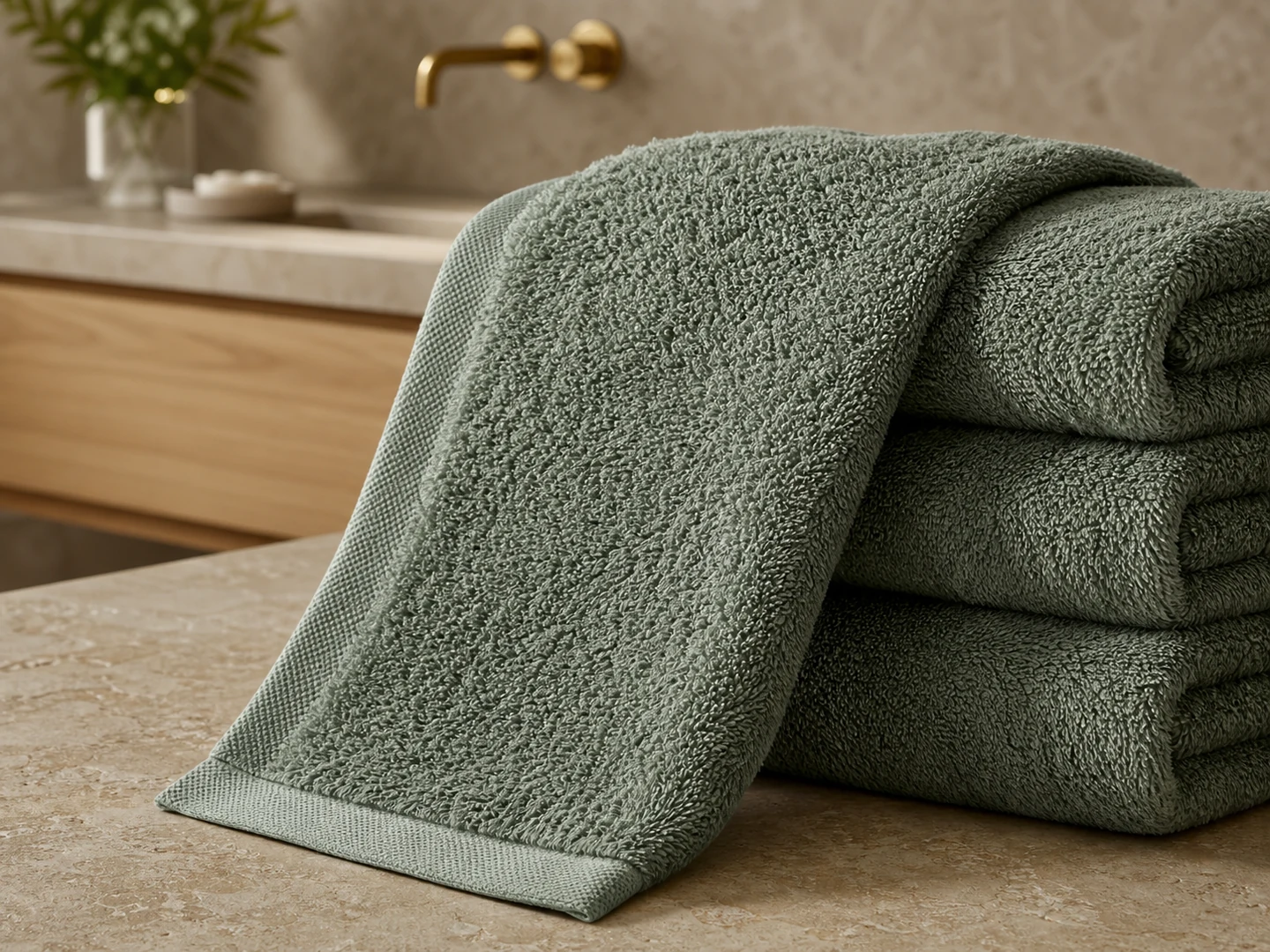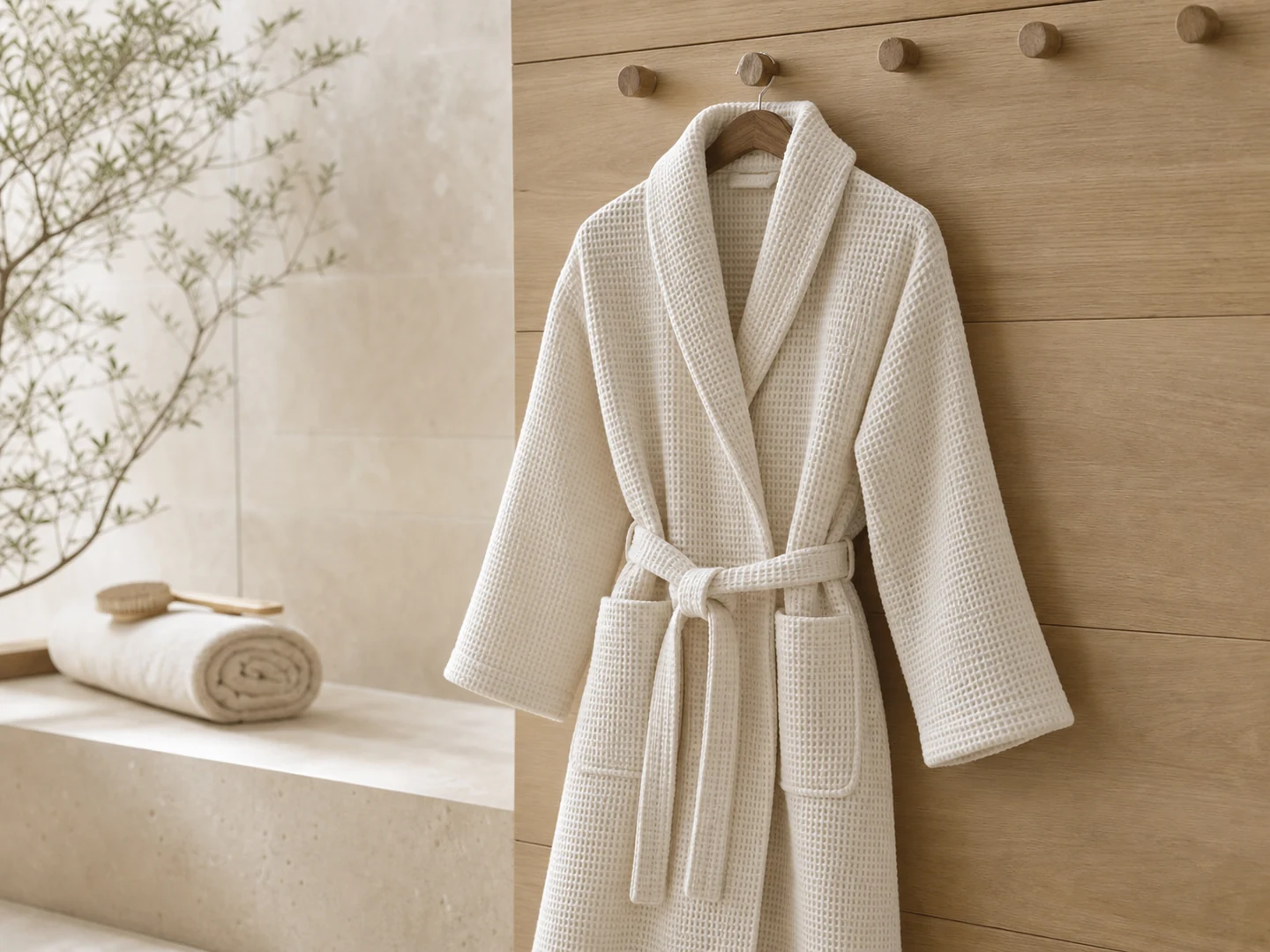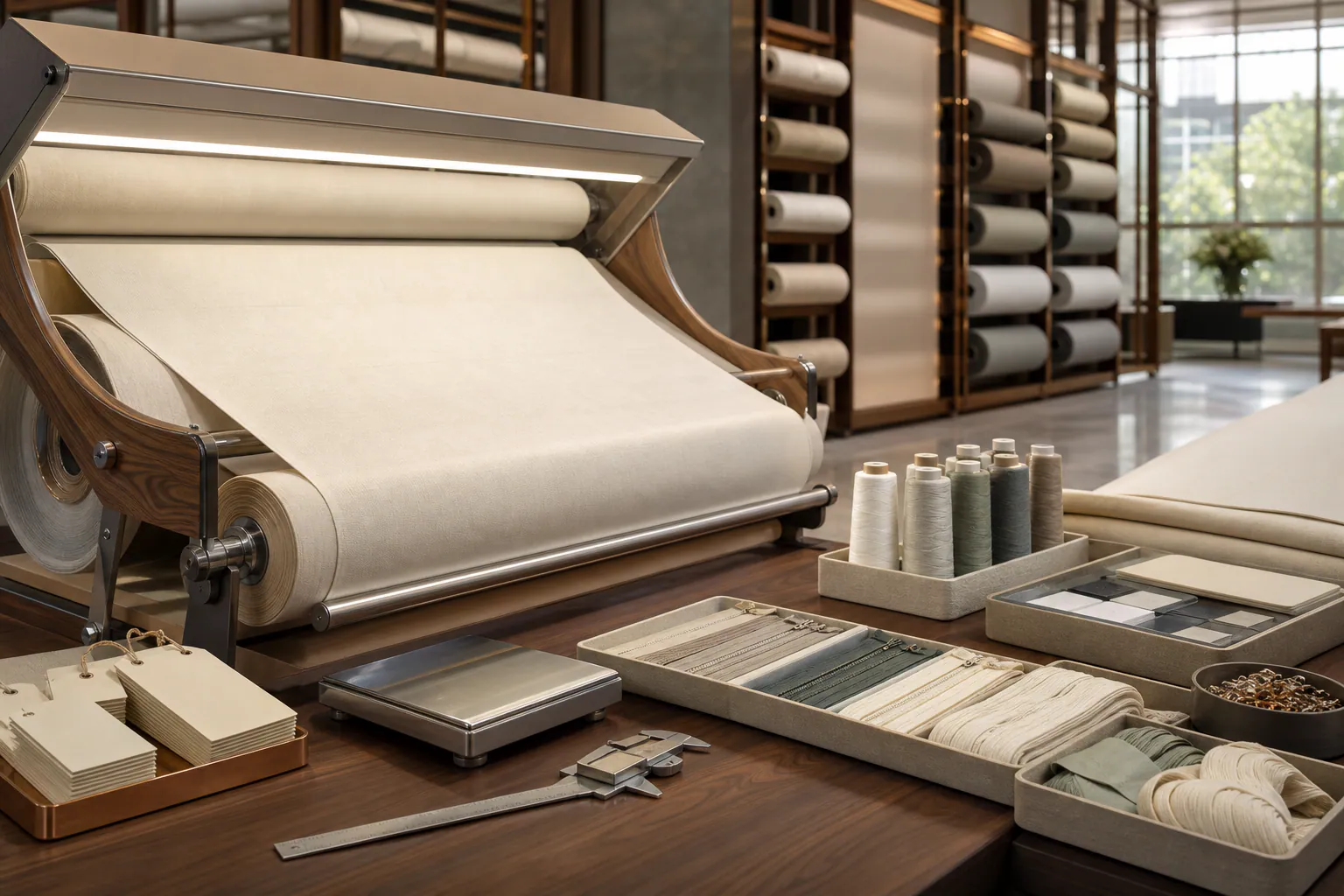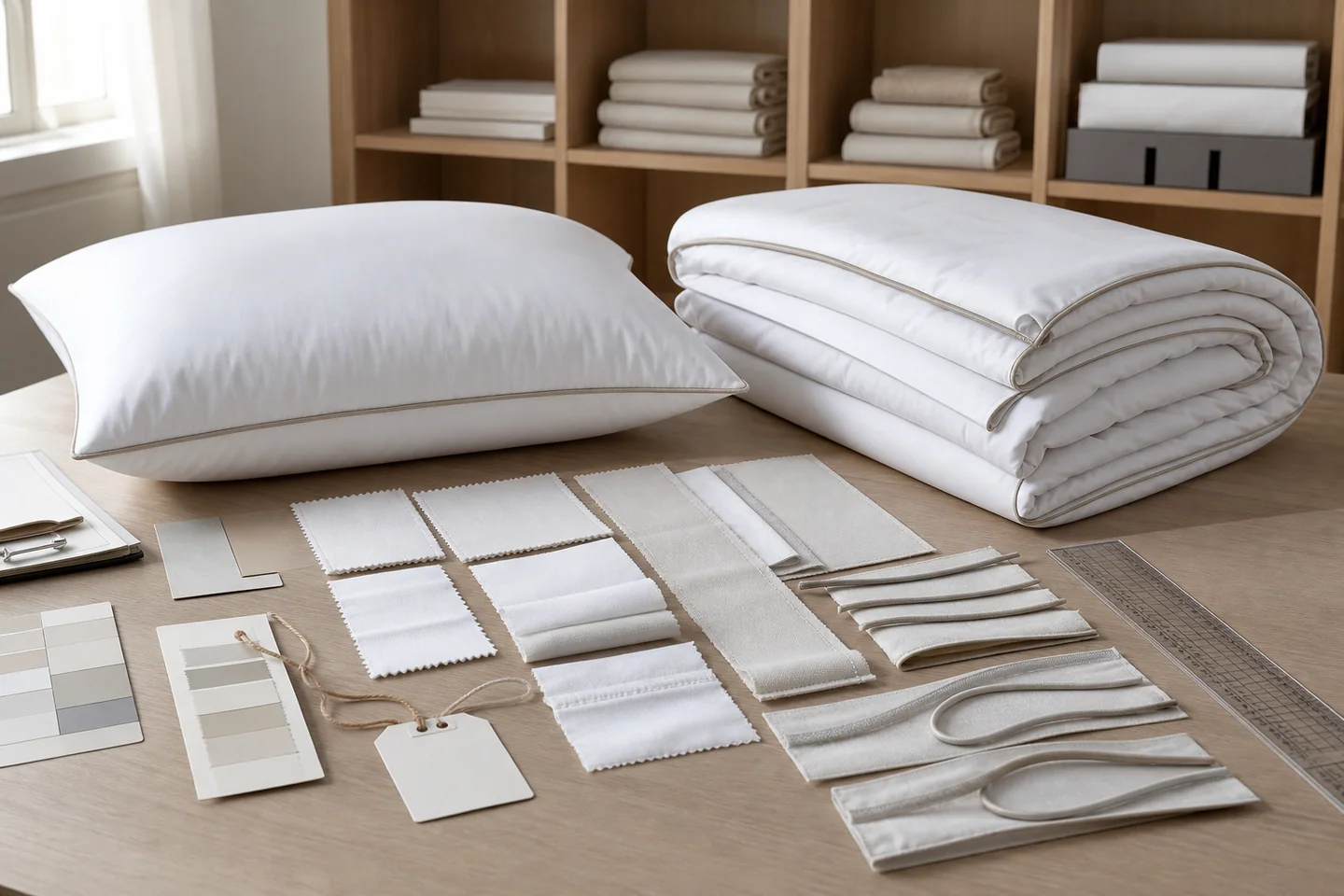
A towel may meet its nominal dimensions and GSM while its long edges curl, wave or pull the body out of square. Side hems interact with the terry ground, woven border, yarn tension, sewing construction and laundering, so a quick overall size check cannot explain the condition. Buyers should define how side-hem width and straightness are measured, what visual zones matter and how the towel is conditioned before inspection. The approved standard should distinguish natural soft drape from persistent edge distortion and separate a sewing issue from bow, skew or differential shrinkage in the base fabric. This matters for hotel presentation, retail folding, stacking, automated laundry handling and repeat-order consistency. It also prevents inspectors from stretching an edge flat, measuring one point and overlooking the pattern across the full length. Quotations should identify the approved hemming route and thread rather than treating all edge finishes as interchangeable, because stitch formation, fold depth and handling time affect both appearance and cost. Sampling should cover multiple production periods and both sides of the towel so a repeated process pattern is not hidden by one acceptable piece. The goal is not a universal numeric limit for all towel weights and structures. It is a project-specific method that links the physical reference, wash trial, lot sampling and disposition record.
1. Freeze the towel construction and edge reference
The side hem cannot be judged apart from the terry body
Record finished size, yarn and ground-weave direction, pile construction, border position, side-hem method, thread and approved physical sample. Include whether the edge is turned, tucked, covered or formed by another construction, because the controlling dimensions differ. The towel pile and ground-weave specification guide helps buyers connect the edge decision to the body structure rather than treating GSM as the only construction input.
Mark face, reverse, top, bottom and both sides on the approval record. If the towel contains a woven border, decorative band or logo, state how those landmarks relate to overall squareness and side-hem symmetry. Retain the sample in the agreed conditioned state and document any intentional taper or special finish. A photograph can clarify appearance, but the written fields and physical sample should control bulk measurement.
- Record body construction, border position, hem method and thread reference.
- Identify face, reverse, top, bottom and left/right inspection sides.
- Define intentional construction differences before setting tolerances.
- Link the specification to a conditioned physical approval sample.
2. Condition and lay the towel without forcing it square
Handling method can hide or create an apparent edge problem
State whether the towel is inspected as received, after relaxation, after laundering or at several stages. Fold memory, moisture and stacking pressure can temporarily change the edge, so record the release and conditioning time before measurement. Follow the principles in the sample-conditioning guide, adapted to the towel program and the buyer's decision rather than copied as a universal laboratory rule.
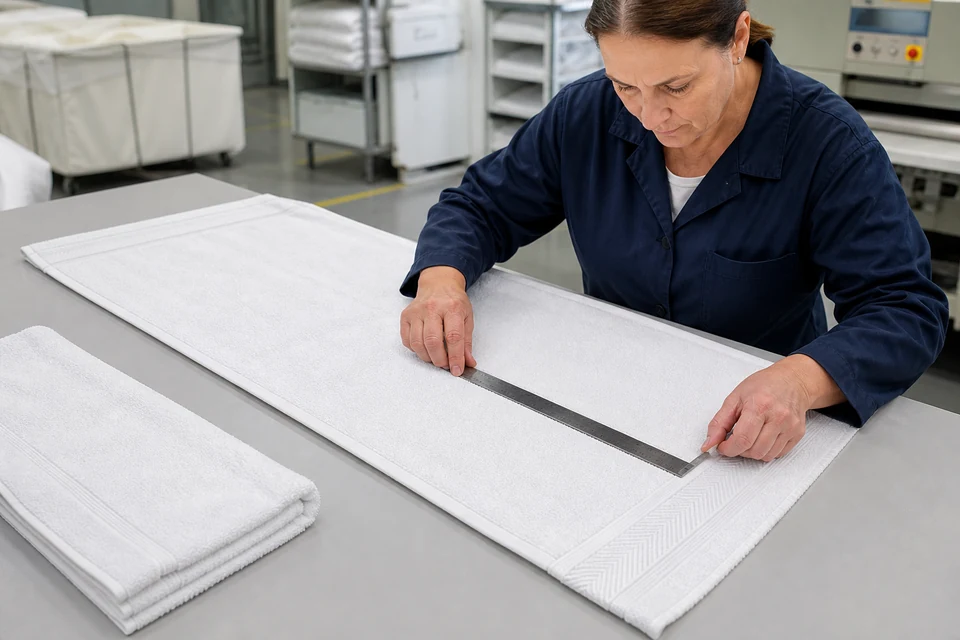
Place the towel on a flat, clean surface and smooth it with light hand contact without pulling the corners or tensioning the hem. Align a named reference such as the centerline or one finished end, then allow the other edges to assume their natural position. If hanging appearance matters, add a controlled vertical review after the flat check. Inspectors should document the method because pressing or stretching the same towel can produce a very different result.
- Name the inspection stage and conditioning duration used for each result.
- Use a flat, clean surface and avoid stretching or hard pressing.
- Align only the specified reference before observing natural edge behavior.
- Add a hanging review only when it reflects the intended product use.
3. Measure hem width, straightness and body squareness
Several positions reveal variation that one midpoint can miss
Define finished side-hem width and measure at named positions from the top, center and bottom or at an agreed interval. Use the same edge landmarks at every point and record left and right separately. For straightness, place a non-stretch reference line between the approved endpoints and measure the maximum inward or outward deviation without flattening the towel. Note whether the deviation is local, gradual or repeated along the edge.
Measure overall width at multiple positions and diagonals or other project-defined squareness references where useful. A side hem can remain straight while the body is skewed, or the body can be square while differential seam tension creates local waves. The fabric bow and skew guide helps distinguish base-fabric geometry from edge sewing, but final disposition should consider the finished towel and approved appearance.
- Measure left and right hem width at the same named positions.
- Record maximum edge deviation from a defined endpoint reference line.
- Check body width and squareness without pulling corners into position.
- Classify findings as local, gradual, repeated or whole-edge distortion.
4. Review edge wave before and after laundering
Differential shrinkage and seam tension become visible through care cycles
Observe the side edge under consistent light and at the agreed normal viewing distance. Record wave frequency, height or project-defined visual grade only when the method is established in the specification. Check hem puckering, twisting, loose loops, skipped stitches and border distortion at the same time. Avoid compressing all findings into one subjective 'looks good' result; edge wave and workmanship can require different corrective routes.
Launder representative towels using the planned property process or an agreed simulation, then condition and repeat the full measurement route. The hotel towel laundry trial can help keep load and cycle identity visible. Compare left/right hem change, body shrinkage, border behavior, edge curl and folding presentation. Report the actual sample and care sequence without promising performance beyond the evaluated conditions.
- Review edge wave under consistent lighting and viewing distance.
- Separate edge distortion from loose loops, puckering and stitch defects.
- Repeat all measurements after the documented laundering route.
- Compare hem, body and border change instead of one overall dimension.
5. Sample bulk lots and close corrective actions
Cover machines, time windows and color lots when traceability permits
Build the inspection frame from purchase order, style, size, color, production lot and relevant sewing or finishing lines. Sample across the lot rather than selecting only towels from the top of one carton. Map results by side and position, then separate isolated workmanship defects from a repeated edge pattern. Use the final inspection checklist to connect towel findings with count, packaging and shipment decisions.
When a repeated condition appears, preserve affected and acceptable samples, identify the production window and agree the reinspection scope after correction. The follow-up should use the same conditioning, layout and measurement method as the original finding; otherwise the buyer cannot tell whether the process improved or only the inspection changed. Record repaired, downgraded, rejected and accepted quantities separately when those dispositions apply. Retain the measurement sheet and washed reference for repeat orders. Buyers can review the bath textile program, request conditioned towel samples and state edge-review expectations in the project brief. That makes the result traceable without attributing a cause before evidence supports it.
- Stratify sampling by style, size, color, lot and production period.
- Map left/right measurements and repeated edge patterns separately.
- Preserve acceptable and affected examples before corrective review.
- Retain the washed reference and inspection method for reorders.
Freeze the towel edge construction, condition without stretching, measure both hems and body geometry, repeat the route after laundering, and keep bulk findings linked to lot and corrective action.